Forecasts for Gasoline Prices in Russia for 2026
Mikhail Khachaturyan, an associate professor at the Department of Strategic and Innovative Development at the Financial University under the Government of the Russian Federation, reported that by the end of 2025, the fuel market is experiencing a relatively stable situation, which is reflected in the slowdown of gasoline price growth.He noted that due to restrictions on gasoline exports and a moratorium on the zeroing of the damping mechanism, wholesale prices have decreased by 5-5.5%, which has positively affected retail prices.
- The increase in gasoline supplies from abroad has also played its role. However, this dynamic does not provide sufficient margins for independent gas stations, leading to their closure. At the beginning of January 2026, the increase in excise taxes and ongoing inflation will contribute to the rise in both wholesale and retail gasoline prices.
There is a likelihood that the current restrictions will be extended for another six or nine months, which makes sense in terms of supporting agricultural producers when the sowing season begins.
- In this context, it can be expected that the current stable growth dynamics of gasoline prices will be approximately 65-70 kopecks per liter depending on the region and will remain at least until mid-2026.
Factors Affecting Gasoline and Diesel Prices
According to the press service of the AutoSpecialCenter Group, by the end of 2026, fuel prices at Russian gas stations are likely to rise, exceeding the projected inflation rate of 4%. At the beginning of the year, as usual, prices will stabilize due to seasonal demand reduction.Key factors affecting gasoline price changes:
- fiscal policy of the state. From January 1, 2026, new VAT rates of 22% and fuel excise tax indexing came into effect;
- the state of the oil refining industry. Accidents at oil refineries and problems with equipment supplies due to sanctions may cause fuel shortages, especially in peak seasons;
- damping mechanism — subsidies for oil companies compensating for the difference between domestic and export prices.
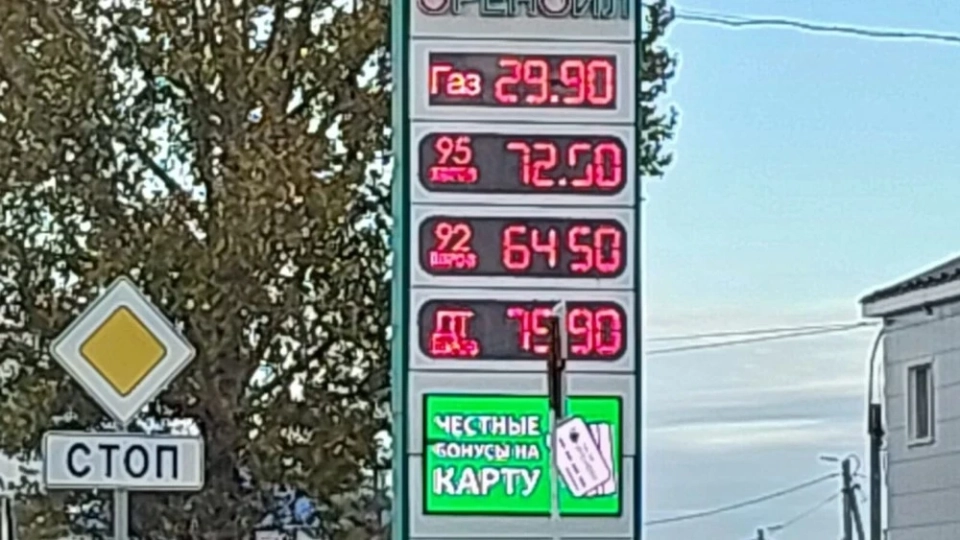
“The rate of fuel price growth will range from 4-5% to 7-8% per year. This could lead to the average price of a liter of AI-95 reaching or exceeding 70 rubles by the end of the year, while AI-92 will remain within 66-68 rubles per liter. To avoid a repeat of a large-scale fuel crisis, an extension of restrictions on fuel exports and adjustments to damping payments may be necessary,” added Khachaturyan.
The General Director of the company "My Car Rental," Dmitry Matveev, also highlighted additional reasons for the rise in gasoline and diesel prices, including logistics costs. Residents of "oil" regions sometimes wonder why fuel costs more there than in other places.
- The thing is that, for example, in Khanty-Mansi Autonomous Okrug, there is no processing infrastructure. The raw materials that are extracted need to be transported for processing to another region and then returned, and these transportation costs are reflected in the final price. Additionally, in KhMAO, there is low competition among fuel sellers, which also contributes to higher prices,” he explained.