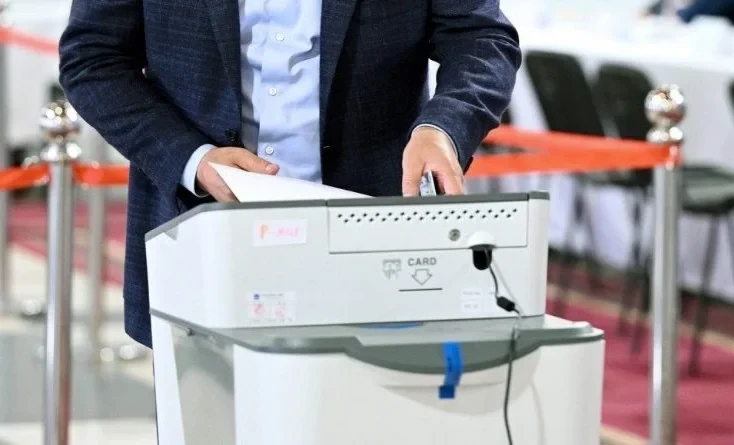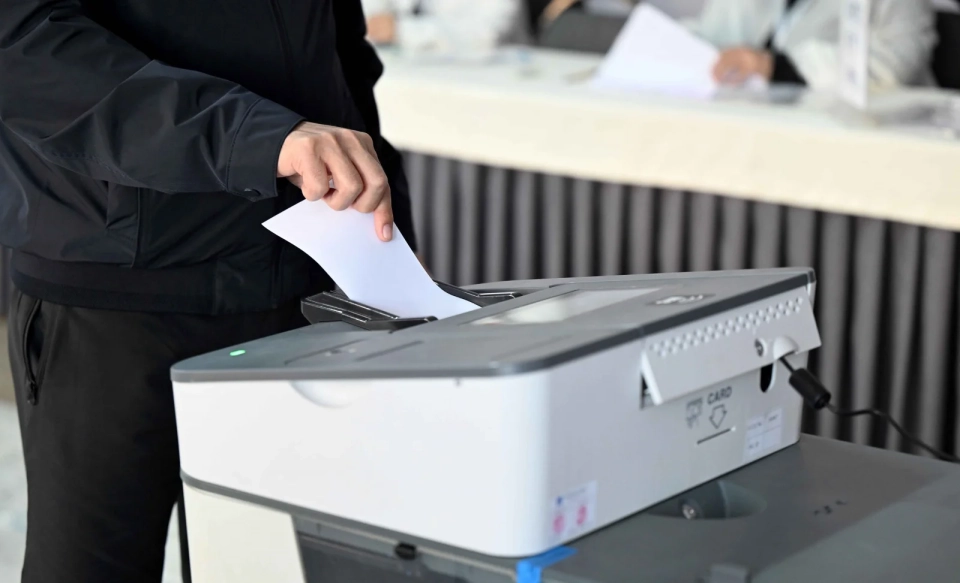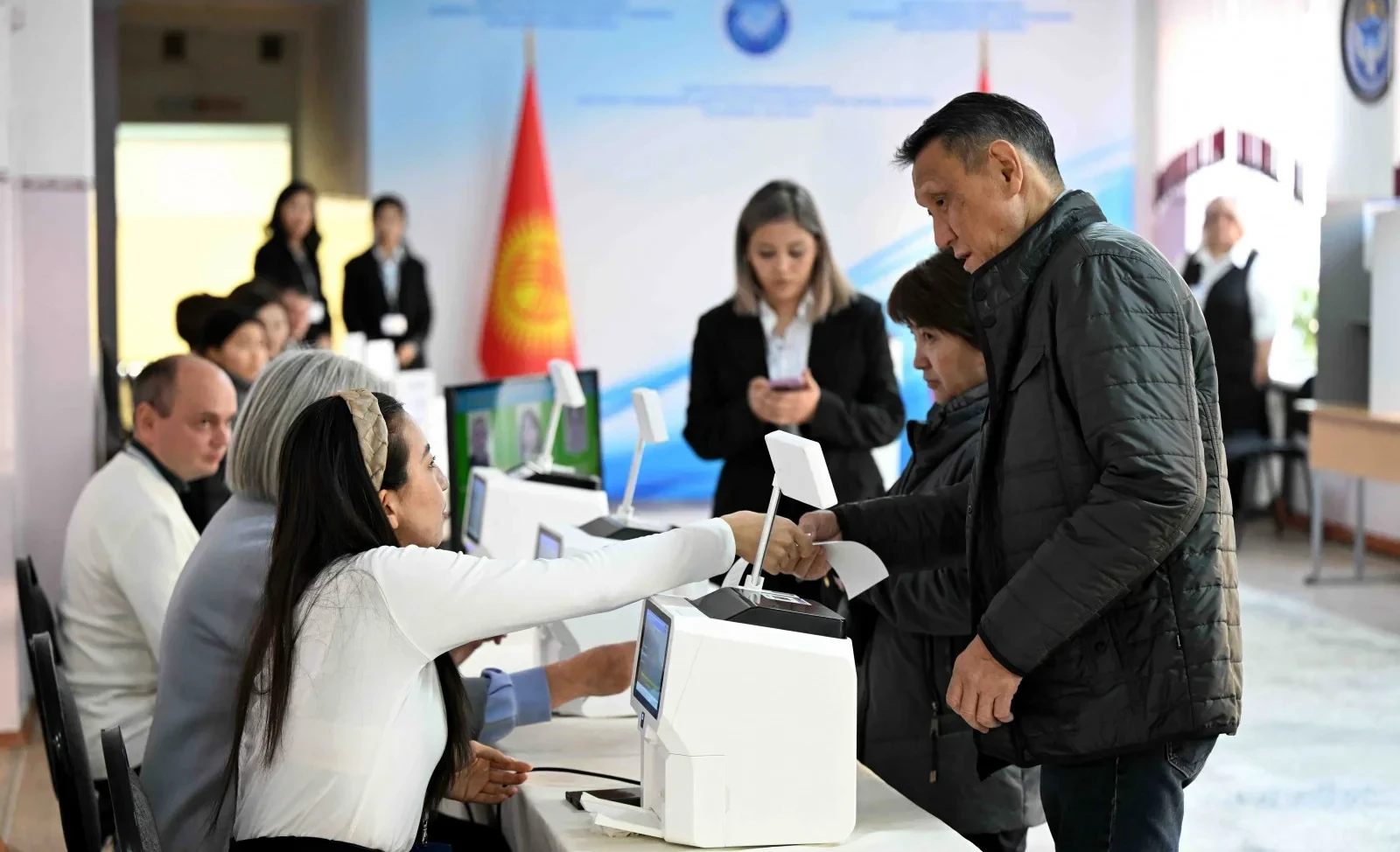
Deputy of the Jogorku Kenesh, Marlen Mamataliyev, has proposed an initiative for the development of a constitutional law that introduces amendments to several acts related to the electoral process.
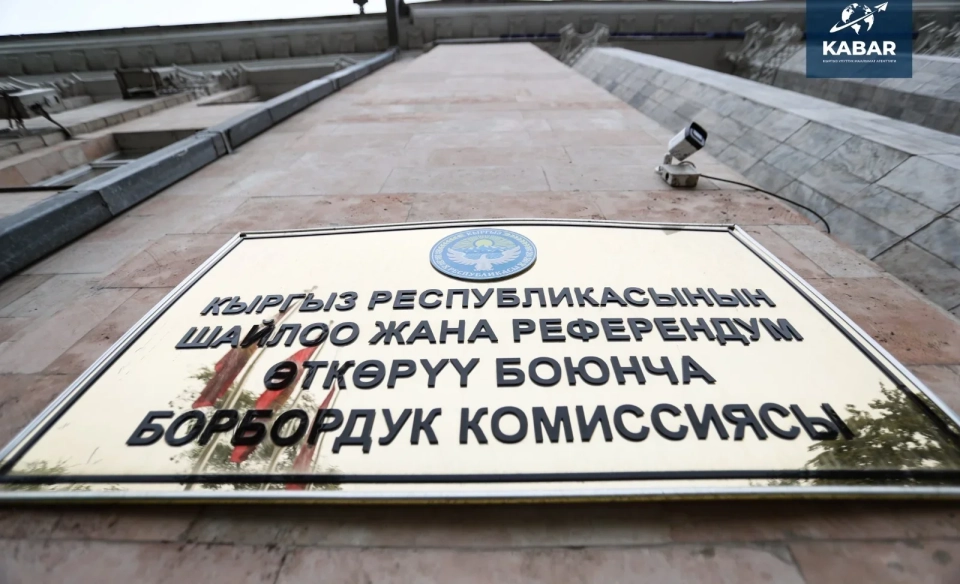
The proposed draft law addresses constitutional acts such as "On the Elections of the President of the Kyrgyz Republic and Deputies of the Jogorku Kenesh of the Kyrgyz Republic," "On the Central Commission for Elections and Referendums of the Kyrgyz Republic," and "On the Referendum of the Kyrgyz Republic." The document is currently in the stage of public discussion.
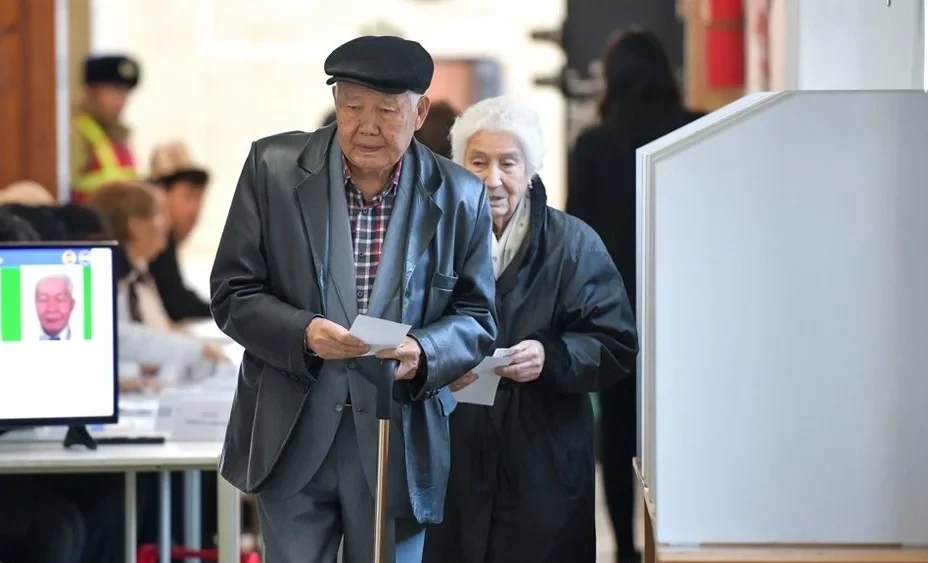
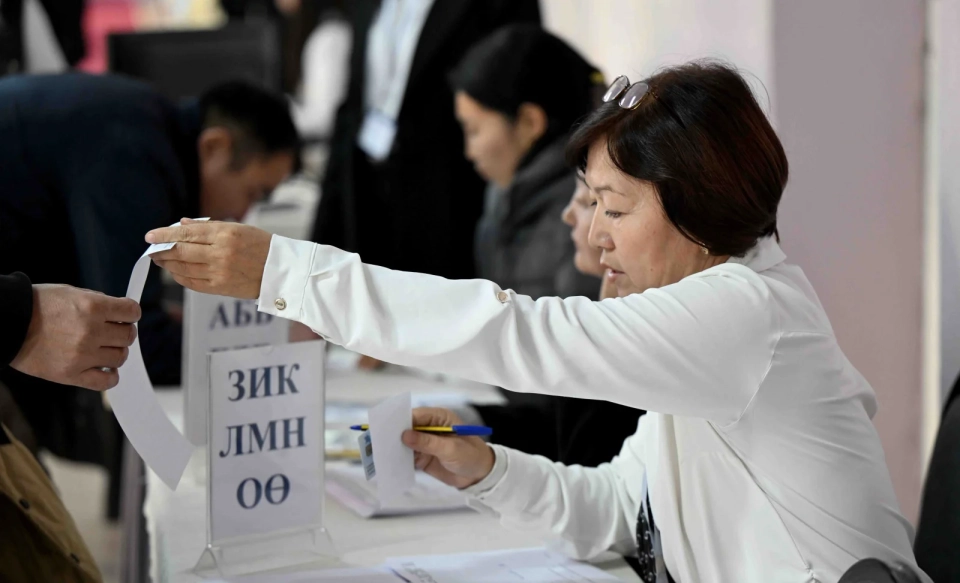
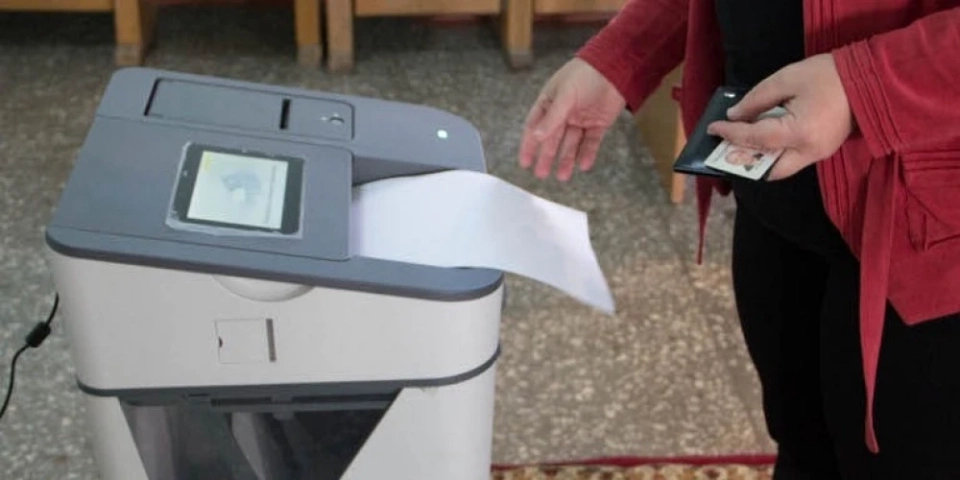
The main goal of these changes is to encourage citizens with active voting rights to participate in voting in elections at all levels, as well as in referendums.
The justification for the draft law notes that low voter turnout is one of the most pressing issues in the national electoral system. Despite significant budget expenditures on organizing elections, citizens' interest in participating continues to decline.
According to the information from the initiative's author, in November 2024, the total number of voters in Kyrgyzstan was approximately 4.2 million; however, a large portion of citizens either do not participate in voting or ignore the electoral process.
The document also provides statistical data confirming the trend of declining turnout in elections:
Presidential elections:
- 2011 – 61.28%;
- 2017 – 56.11%;
- 2021 – 39.16%.
- 2010 – 59.19%;
- 2015 – 39.78%;
- 2020 – 54.38%;
- 2021 – 34.61%;
- 2025 – 36.90%.
- 2010 – 72.24%;
- 2016 – 41.68%;
- 2021 – from 36.66% to 39.12%.
- 2012 – 48.67%;
- 2016 – 44.42%;
- 2021 – 38.78%;
- 2024 – 28.68%.
As one of the ways to increase turnout, the following measures are proposed:
- introduction of lotteries with prizes for voters;
- limiting access to certain state benefits for those who did not exercise their voting rights without a valid reason.
- priority participation in state housing initiatives;
- discounts on certain administrative fines;
- additional points in final assessments at higher educational institutions;
- priority in the allocation of budget places in master's and doctoral programs;
- advantages in obtaining state grants;
- priority in competitive selection for positions in state and municipal institutions.
The note also mentions the experience of countries with mandatory voting, such as Belgium, Luxembourg, Australia, Turkey, and Singapore, as well as a number of Latin American countries. These states impose fines and other measures on those who do not vote, achieving turnout levels of 80-90% and higher.
The initiator believes that the proposed changes aim to increase electoral activity and raise citizens' awareness of their responsibility for forming government bodies. Although this draft law does not solve all the problems of the electoral system, it lays the foundation for necessary reforms and emphasizes the importance of citizen participation in elections.