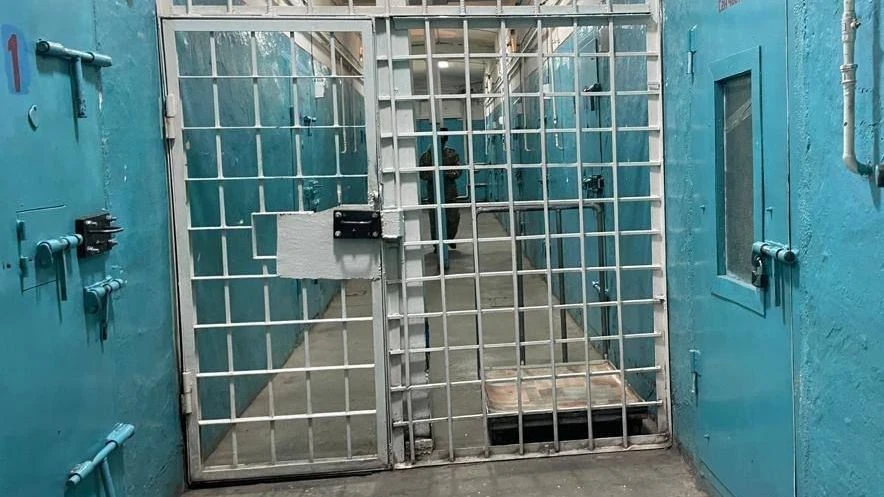
In the Ministry of Internal Affairs' Correctional System, it was reported that judges reviewed nearly 16,000 applications. Cases of convicted individuals registered with probation services were also analyzed, resulting in approximately 2,900 people being released, and about 7,600 convicted individuals having their sentences reduced.
As noted by the Ministry of Internal Affairs' Correctional System, the amnesty primarily affected socially vulnerable groups, including women with children, elderly people, pregnant women, minors, and individuals with disabilities. All released individuals were placed on individual records with the police and are under the supervision of probation services.
Under the amnesty, only those who committed minor and medium severity crimes were released. Those convicted of serious violent, terrorist, and corruption-related crimes are not eligible for amnesty.
In the summer of 2025, the President of Kazakhstan, Kassym-Jomart Tokayev, signed the law "On Amnesty in Connection with the Thirtieth Anniversary of the Constitution of the Republic of Kazakhstan." The main objective of the law is to change the criminal policy based on humanitarian principles, coinciding with the anniversary of the Constitution. The government hopes that this measure will help reduce the number of inmates in correctional facilities.