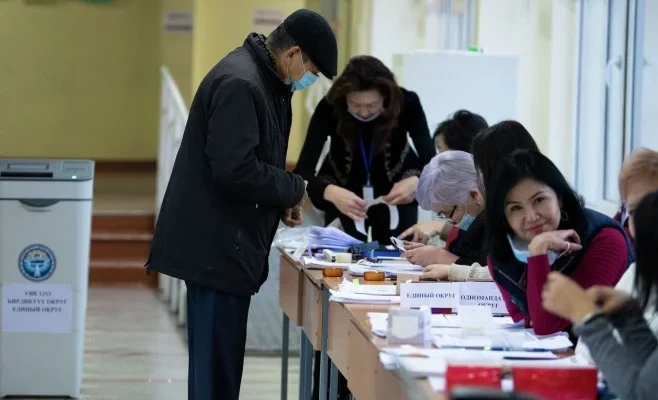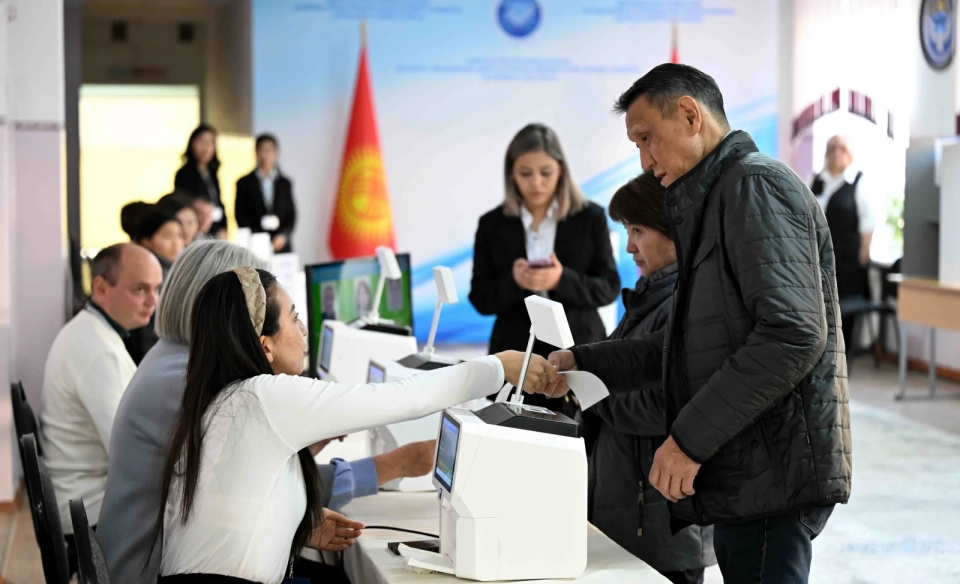
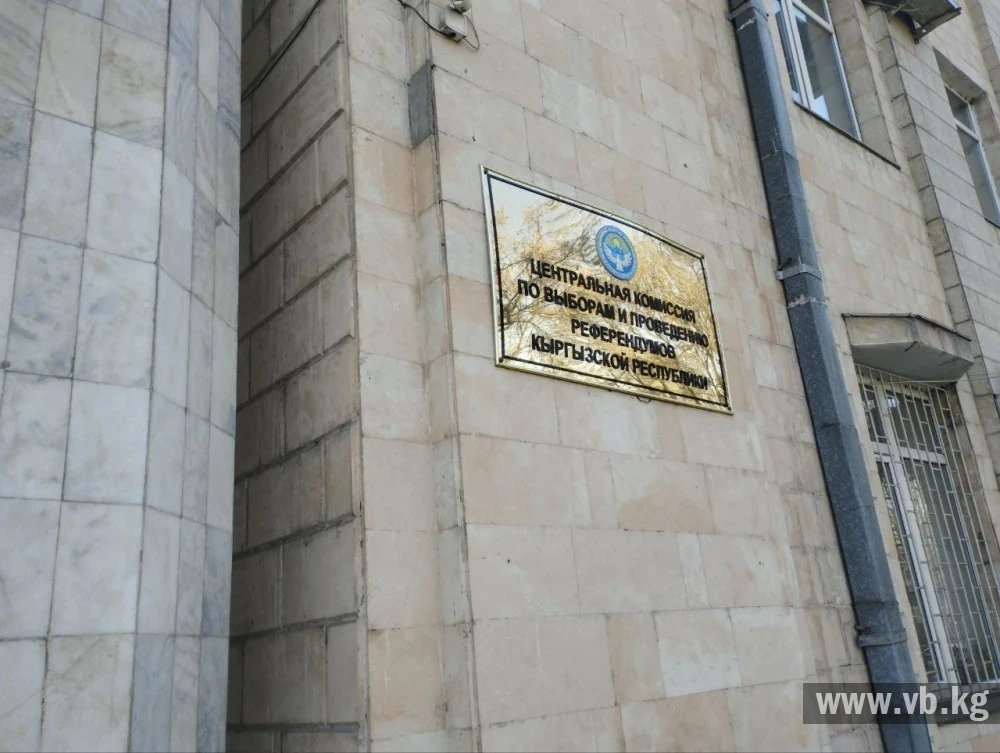
The difference in voter turnout between districts No. 13 and No. 20 in the elections to the Jogorku Kenesh turned out to be one of the most striking in the country. According to data from the Central Election Commission, 47.84% of voters in district No. 13 exercised their right to vote, while in district No. 20 this figure was only 24.63%. Such an almost twofold difference can be explained by the peculiarities of the local structure, the level of population activity, and the specifics of the electoral campaign.
Socio-demographic characteristics
District No. 13 includes the city of Mailuu-Suu, part of Bazar-Korgon, and several rural areas, including Kenesh, Arstanbap-Ata, and other settlements. These territories are characterized by compactness and dense internal interaction, which contributes to higher awareness and engagement among voters.
In contrast, district No. 20 encompasses part of the Alamudun district and several suburbs of Bishkek, such as Maevka and Kalyis-Ordo. This is a more heterogeneous area where residents often work in the capital and are less interested in local politics, which also affects their motivation to participate in elections.
Candidate activity level
In district No. 13, popular figures such as incumbent deputies Baktybek Sydykov and Aibek Altynbekov stood out among the candidates, which helped increase voter activity. They were able to create a stable support network, which boosted the mobilization of their supporters.
District No. 20 also featured various candidates, including entrepreneurs and local activists. However, their campaigns did not achieve the same level of outreach and recognition, which impacted turnout. Despite the success of Temirlan Aitieva, Seid Atambaev, and Toktobubu Ashymbaeva, their opportunities were limited for significant influence on voter activity.
Transport infrastructure and access to polling stations
District No. 13 has a more developed transport infrastructure, allowing voters to vote close to their place of residence, which is especially important for the elderly and busy individuals. In contrast, district No. 20 has a more sprawling territory with a larger number of municipal administrations, requiring more time to visit polling stations and negatively affecting turnout.
Political motivation and local factors
The low turnout in district No. 20 can be explained by the characteristics of its population, which is more mobile and often engaged in the capital. This leads to less interest in local elections and a decrease in electoral activity.
The difference in turnout between districts No. 13 and No. 20 highlights the influence of territorial and demographic factors: compact and less mobile communities show higher activity, while in larger, more diverse districts, the level of participation is traditionally lower.
Elected deputies
According to preliminary data, the final vote count may take about a week. Currently, the following candidates are leading:
District No. 13
- Baktybek Sydykov
- Aibek Altynbekov
- Aigul Karabekova
District No. 20
- Temirlan Aitieva
- Seid Atambaev
- Toktobubu Ashymbaeva