Customs
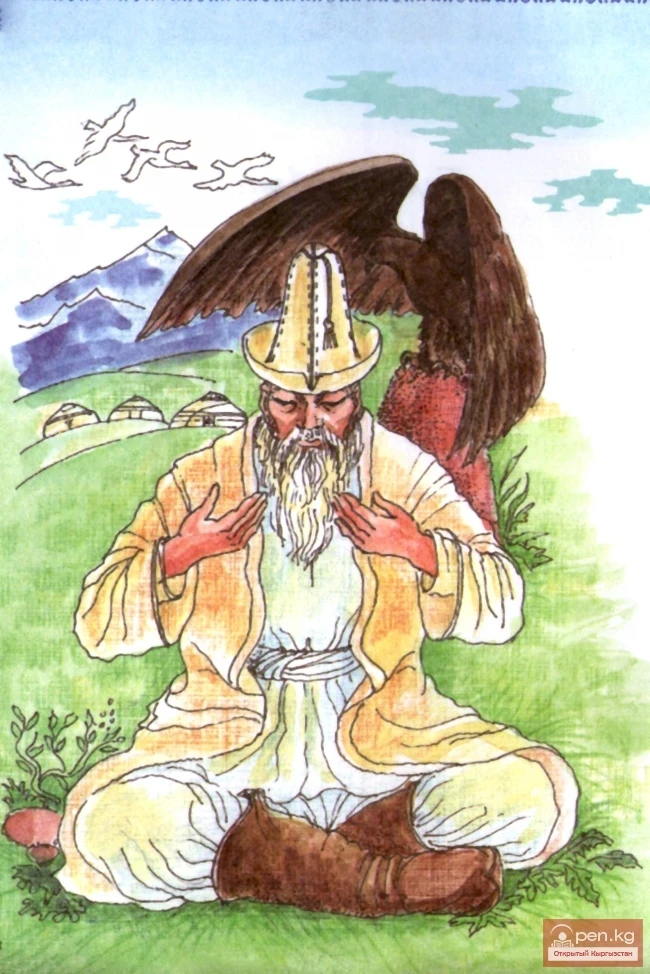
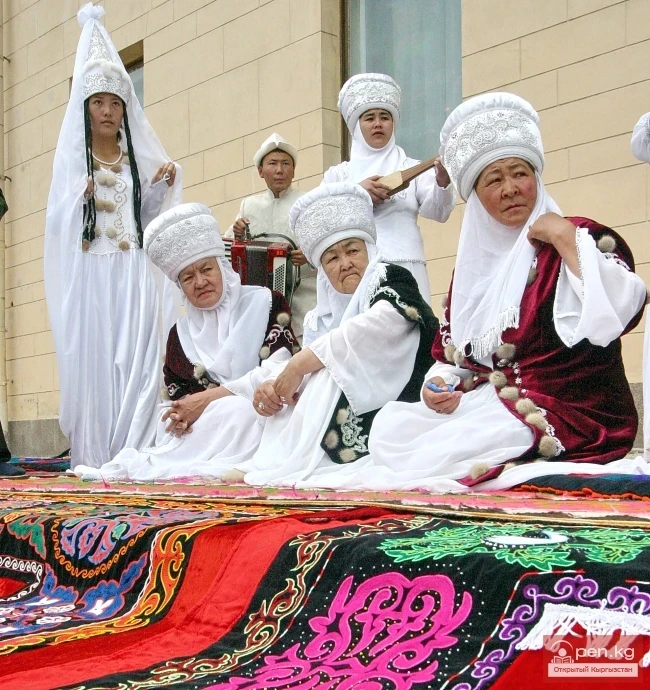
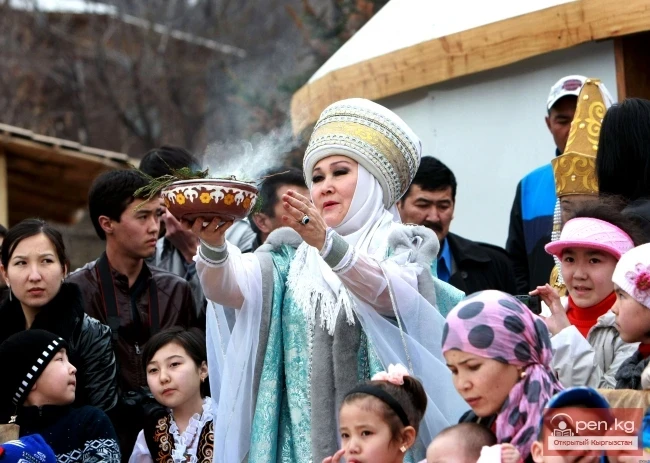
Blessing (BATA BERUU) and the message of good news (SUYUNCHULOO)
BLESSING (BATA BERUU) BLESSING (BATA BERUU)
24.04.2014, 10:08

BLESSING (BATA BERUU) BLESSING (BATA BERUU)

The development of relations between Kyrgyzstan and European countries opens the way for integration into the community of developed, democratic states. The implementation of this task can be carried out through bilateral and multilateral diplomacy channels.

On December 27, 1991, the Government of the People's Republic of China recognized the independence of Kyrgyzstan. The People's Republic of China and Kyrgyzstan are neighboring states with a long shared border of 1,071.8 km. Historically and geographically, the territory of Kyrgyzstan and the Xinjiang Uyghur Autonomous Region (XUAR) in western China belong to a unified political and cultural region, represented by related peoples who share similar beliefs and languages. This proximity
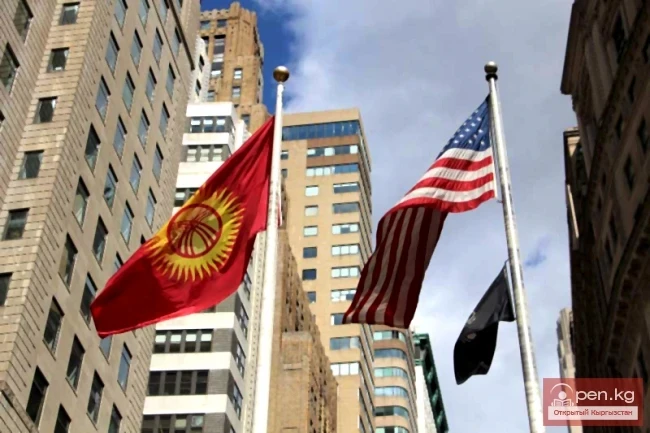
The USA was among the first to recognize the independence of Kyrgyzstan, establishing diplomatic relations on December 27, 1991. In February 1992, the US embassy opened in Bishkek. The legal framework for bilateral relations, established during mutual visits at various levels, consists of more than 20 agreements.
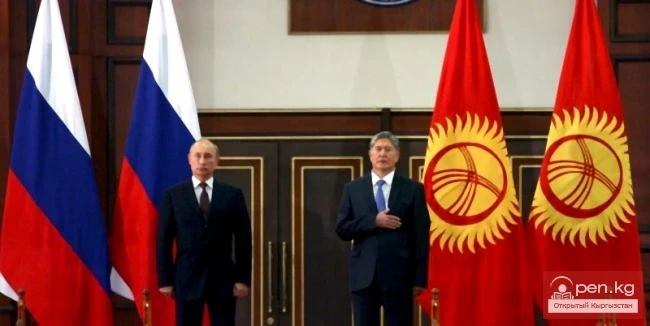
In the political, economic, and spiritual spheres, Kyrgyz-Russian allied interaction has developed in an upward trajectory during this time. The Russian direction, as the main priority, had a solid foundation and was filled with new and real content year after year.
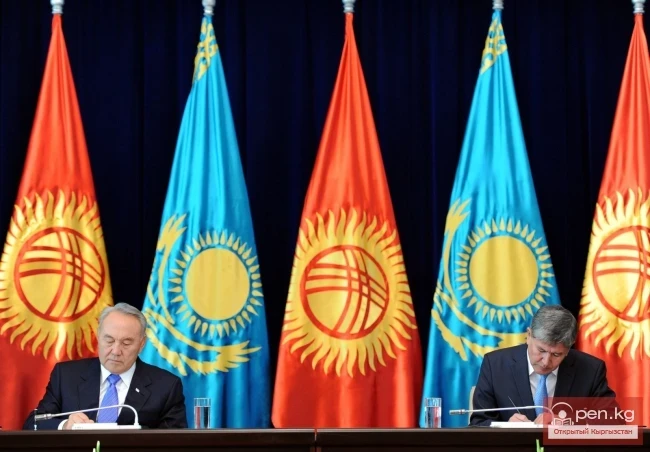
Kyrgyzstan borders one of the most developed regions of Kazakhstan — Almaty. This proximity explains the fact that the most developed region of Kyrgyzstan is the Chui region. The problems of Kazakhstan related to the lack of water and electricity in the southern regions determine the demand for resources from Kyrgyzstan. The alliance with Kazakhstan has repeatedly been a decisive factor in the formation of regional organizations.
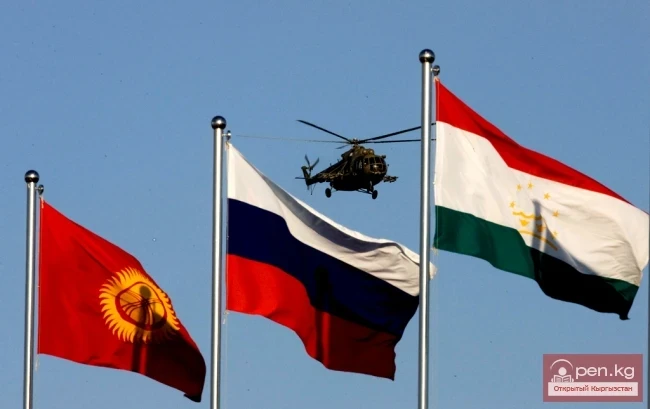
Kyrgyzstan borders Kazakhstan, Uzbekistan, and Tajikistan — friendly states that are close in cultural-historical, ethnic, and confessional terms, and is also located in the same region as another Central Asian state — Turkmenistan. Kyrgyzstan actively participates in various integration processes, in which other Central Asian countries are also involved to varying degrees. Currently, the Central Asian countries are addressing unresolved issues from the past that affect various aspects of
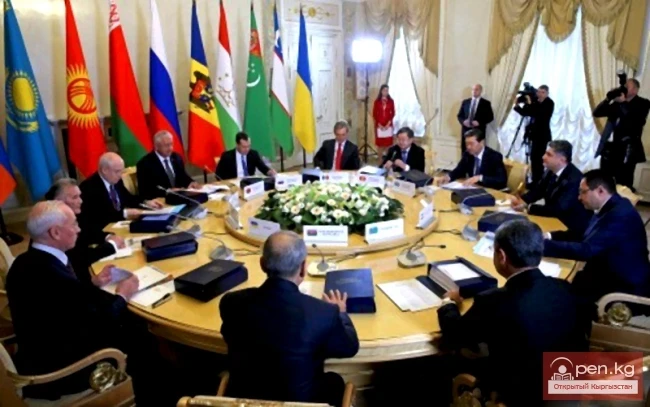
Within the framework of the Commonwealth of Independent States, a priority direction for Kyrgyzstan has been economic interaction within the CIS, with a real move towards a free trade zone. Based on this, the Kyrgyz Republic expressed its agreement to maintain the structure of the economic bodies of the CIS and to form a unified economic zone, in which, in the foreseeable future, the necessary conditions for the free movement of goods, services, capital, and labor can be created.
Kyrgyzstan was the first among the former Soviet countries to successfully complete the negotiation process with the WTO and became its official member in December 1998.
Kyrgyzstan became a member of the United Nations on March 2, 1992. The UN Permanent Mission in Kyrgyzstan was opened in 1993, shortly after the republic gained independence. Over the years, the UN representation in the Kyrgyz Republic has expanded and strengthened, and currently, numerous UN programs and agencies carry out diverse activities not only at the national level but also at the local level.
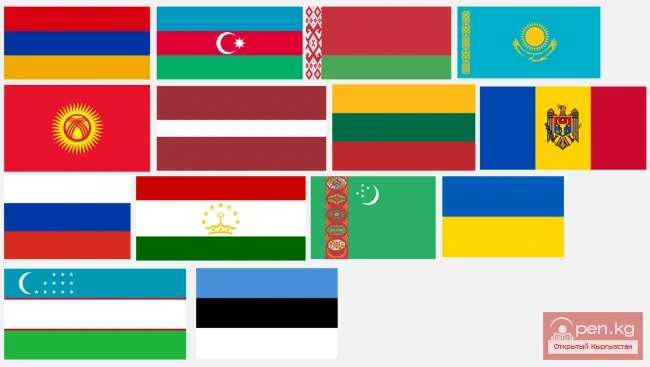
Kyrgyzstan is a state in the Central Asian region, whose location has significant geopolitical and geo-economic importance as a connecting bridge between the West and the East, as well as the North and the South. Kyrgyzstan, like other Central Asian states, is a meeting point of four cultural and civilizational layers: European, Arab-Muslim, Persian, and Chinese. This circumstance, on one hand, created favorable conditions for the development of bilateral and multilateral cooperation in
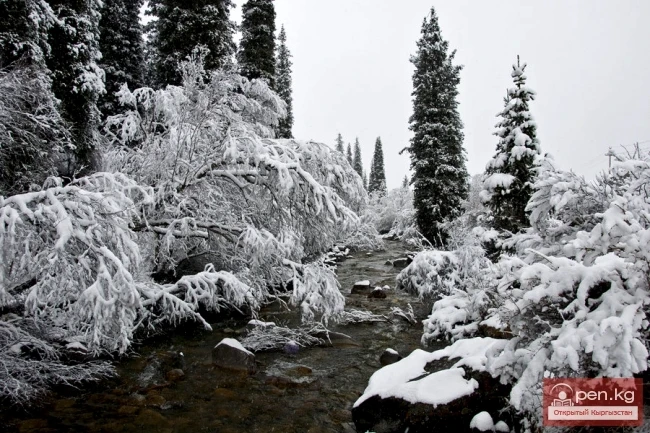
DECEMBER 1 – World AIDS Day – 100 years since the birth of the statesman of Kyrgyzstan K. Dikambaev (1913–2010) 3 – International Day of Persons with Disabilities 5 – 90 years since the birth of U. Jumabaev (1923–1976), a famous poet – 210 years since the birth of F. I. Tyutchev (1803–1873), a Russian poet 6 – 200 years since the birth of N. P. Ogarev (1813–1877), a Russian poet, publicist, revolutionary – 100 years since the birth of Russian writer S. P. Zalygin (1913–2000) – 235 years since
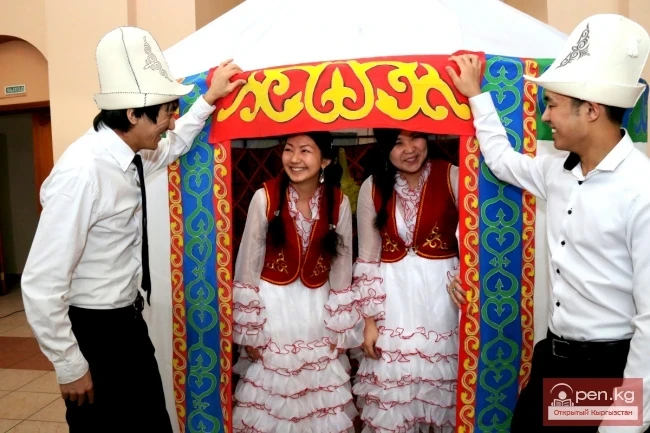
NOVEMBER 1 – Day of Police Workers of Kyrgyzstan – 85 years since the birth of Doctor of Law, Corresponding Member of the National Academy of Sciences of the Kyrgyz Republic R. Turgunbekov (1928–1998) 2 – Day of Culture Workers of Kyrgyzstan 5 – 85 years since the birth of Doctor of Chemical Sciences, Laureate of the State Prize of Kyrgyzstan in the field of science and technology A. A. Akbaev (1928) 7 – Day of the Great October Socialist Revolution (1917) – Day of Information and Press of
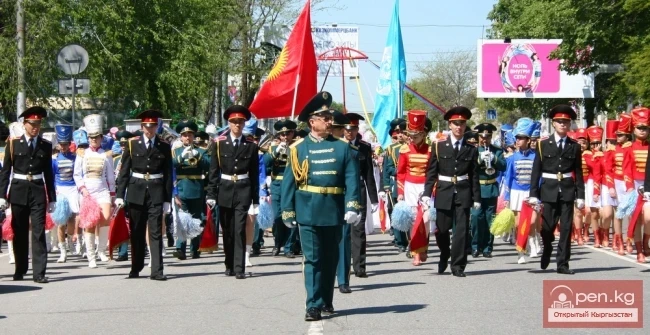
OCTOBER 1 – International Day of Older Persons – International Day of Music – 60 years since the birth of A. A. Aldashev (1953), Doctor of Biological Sciences, laureate of the State Prize of the Kyrgyz Republic in the field of science and technology 2 – 115 years since the birth of E. L. Amitin-Shapiro (1898–1968), a well-known ethnographer, historian, bibliographer of Kyrgyzstan 4 – World Animal Day – 85 years since the birth of Doctor of Medical Sciences M. Aliyev (1928–1997) 5 – World
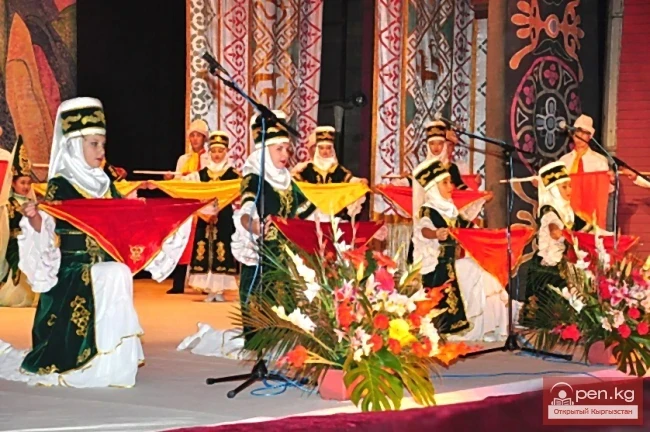
SEPTEMBER
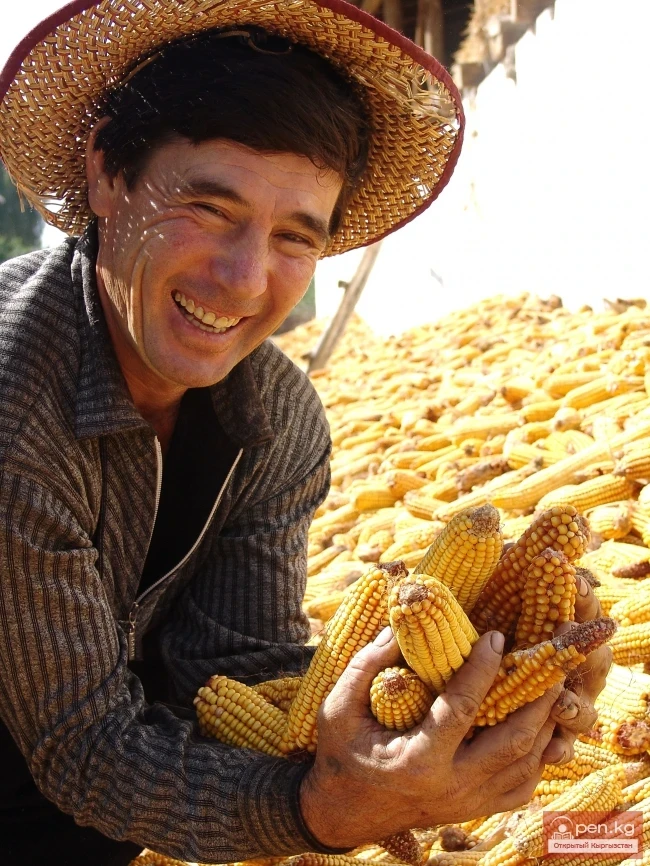
Chechkor Holiday – the Harvest Festival – has been celebrated among the Kyrgyz people since ancient times. It was associated with the threshing of the harvest. Like throughout Central Asia, the mythical figure considered the patron and first teacher of farmers was the saint Babadykan. Another revered mythical figure was the saint Kydyr-ake – the giver of abundance, luck, a well-wisher, and protector of good people, workers, and travelers. The Chechkor holiday and all the rituals performed were
JULY 1 – Day of Tax Workers of the Kyrgyz Republic – Day of Rescuers of Kyrgyzstan 3 – Day of State Auto Inspection Workers of Kyrgyzstan – 130 years since the birth of F. Kafka (1883–1924), Austrian writer 5 – International Day of Cooperatives 6 – International Day of the Russian Language 7 – Day of Medical Workers of Kyrgyzstan 10 – 95 years since the birth of James Aldridge (1918), English writer 11 – World Population Day 13 – 75 years since the birth of R. Chokoeva (1938), Kyrgyz ballerina
JUNE 1 – International Children's Day – 105 years since the birth of geographer and researcher of Kyrgyzstan M. Murzaev (1908–1998) 2 – Day of Workers of the Fisheries Industry of Kyrgyzstan – 90 years since the birth of Doctor of Technical Sciences P. I. Chalov (1923–2003) – 170 years since the birth of Darwinian scientist K. A. Timiryazev (1843–1920) 3 – 170 years since the birth of K. A. Timiryazev (1843–1920), Russian naturalist-Darwinist 4 – Day of Remembrance. Anniversary (1990) of
FEBRUARY
JANUARY 1 – New Year – 120 years since the birth (1893–1941) of the Hero of the Soviet Union, Major General I. V. Panfilov – 75 years since the birth of I. G. Gilyazetdinov (1938), Kyrgyz writer, poet, translator, honored figure of culture of the Kyrgyz Republic – 65 years since the birth of A. Ibraimov (1948), Doctor of Biological Sciences, Corresponding Member of the National Academy of Sciences of the Kyrgyz Republic 2 – 65 years since the birth of Zh. Abdildaev (1948), Kyrgyz poet,
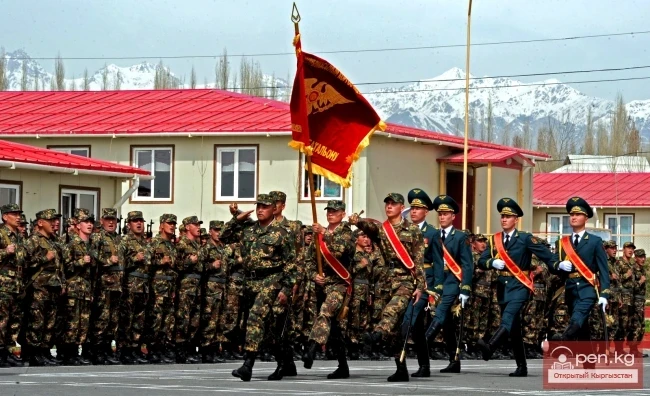
The insufficiency of military means to ensure external security is something Kyrgyzstan tries to compensate for by developing partnership relations, military and military-technical cooperation, and participation in collective security systems. The Military Doctrine of 2002 notes that, while providing for the development of the military organization of the state, “the Kyrgyz Republic attaches primary importance to political-diplomatic and other non-military actions to prevent, localize, and
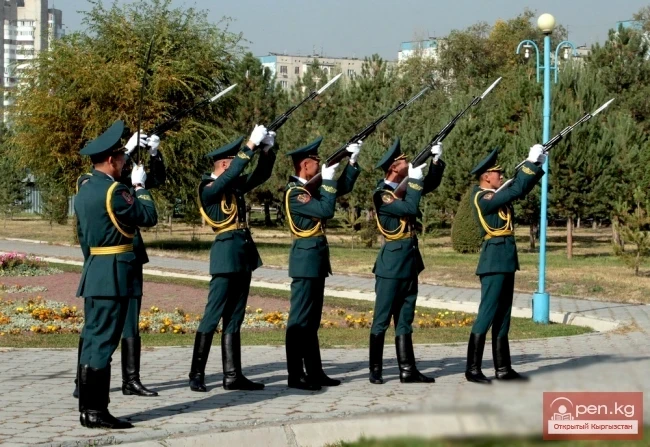
In accordance with the Military Doctrine, the implementation of military construction plans is planned to be financed through timely satisfaction of the needs for mobilization preparation of the economy, components of the Armed Forces in financial resources, material and technical resources, armaments, and military equipment based on the unity of supply norms and adopted prospective state programs for economic and financial provision in peacetime and wartime. This requires a quantitative

The invasion of illegal armed formations of the Islamic Movement of Uzbekistan into the southern part of the country in 1999 and 2000 served as a catalyst for the intensification of military construction. In order to improve the military organization of the state in threatened areas, border units were created and deployed. Rapid response units were formed within the Southern grouping of troops. However, analysts noted that the units and formations were poorly trained for combat operations in

The invasion of illegal armed formations of the Islamic Movement of Uzbekistan into the southern part of the country in 1999, despite warnings from local authorities, came as a surprise not only to the political leadership of the country but also to the military. The armed forces were unprepared to combat illegal armed groups. One of the pieces of evidence for this assertion was the capture of several high-ranking representatives of the law enforcement agencies by militants. The main reasons
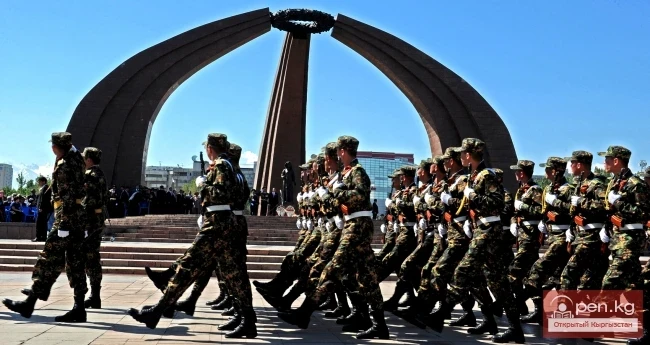
On May 29, 1992, by decree of the President of the Kyrgyz Republic, the units and parts of the Armed Forces of the USSR stationed on the territory of the republic were placed under the jurisdiction of Kyrgyzstan, and the creation of national armed forces was announced. The impetus for the establishment of its own armed forces was not the prospects of negative developments in the military-political situation and the possibility of threats to the military security of Kyrgyzstan, but the
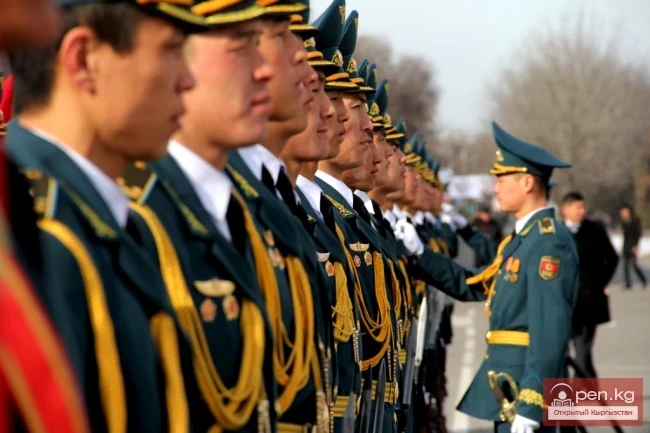
Not considering any state or coalition of states as its adversary, and opposing the use of military force to achieve political and economic goals, Kyrgyzstan has nevertheless recognized the necessity of preparing the country to defend against possible armed attacks. Thus, the state has committed itself to maintaining and developing its own armed forces (AF).
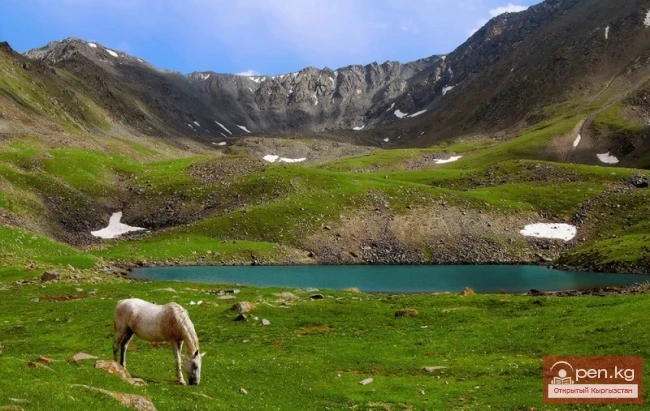
The Chui Valley (depression) and the Kyrgyz Ridge framing it from the south are located within the Caledonian Ulu-Tau-North Tien Shan structural-facial zone, which serves as a peculiar structural axis of the Tien Shan.
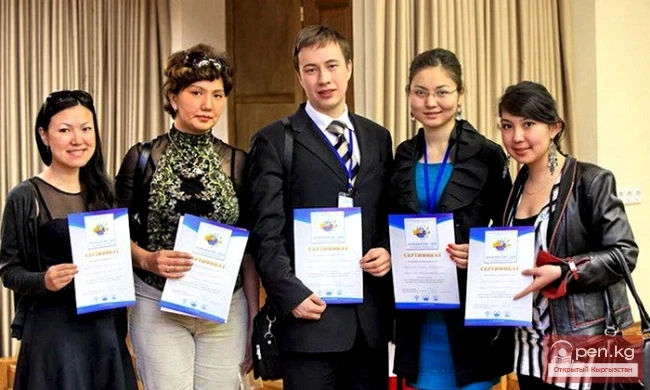
Licensing and accreditation of higher education institutions. For several years now, a comprehensive system for the licensing and accreditation of educational institutions in the republic has been in development. In 1994, the State Inspection for Licensing and Accreditation of Educational Institutions of the Kyrgyz Republic was established under the Ministry of Education of the Kyrgyz Republic.
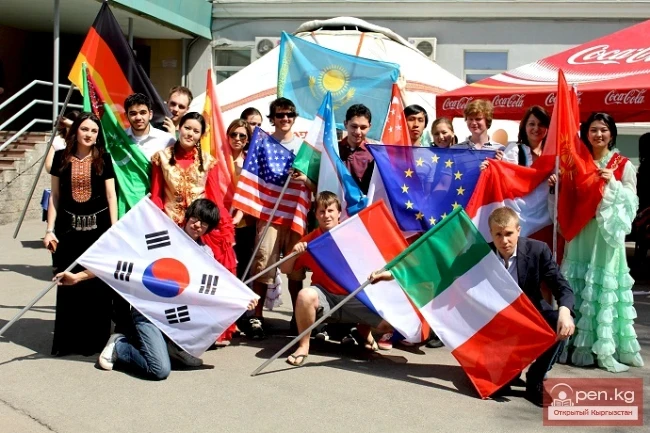
Guided by the principles of creating a unified educational space with neighboring countries, Kyrgyzstan has established contacts with 11 CIS countries and signed about 28 inter-agency and intergovernmental agreements on cooperation with the relevant ministries. The implementation of a coordinated state policy with the CIS member states received a new impetus following the signing of the agreement on cooperation to form a unified educational space of the Commonwealth of Independent States on

An important issue today is the establishment of reliable contacts between universities and potential employers. It should be noted that the information about future employment and the requirements that a particular enterprise or organization imposes on a young specialist is imperfect, which creates serious problems for quality control in education.

Today, the issues of accessibility and quality of education are at the heart of educational reforms in the Kyrgyz Republic. Thanks to the reform policy, the national education system has managed to maintain the sustainability of its development in a short time, establish a variety of educational programs at all levels of the educational ladder, offer alternative forms and new teaching technologies, achieve multi-channel funding, and carry out decentralization of the management system and its
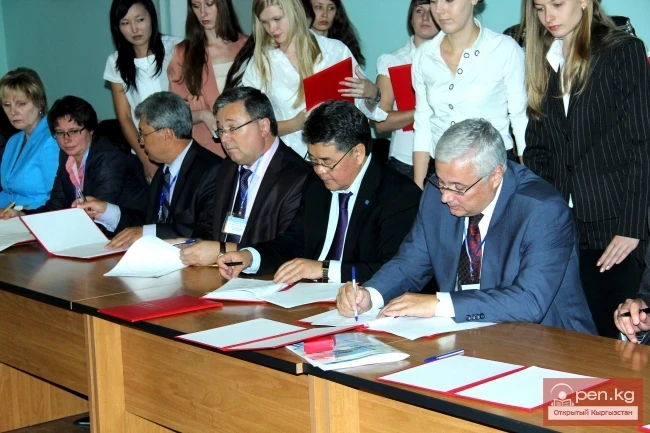
The number of higher educational institutions in the republic has increased more than fourfold since 1991. According to census data, the number of university students per 10,000 population in 2002 was 419, which is more than three times higher than in 1991. Over a decade (1989-1999), despite a high level of emigration, the proportion of the population with higher education increased (from 94 people per 1,000 people aged 15 and older in 1989 to 105 in 1999). This was the result of a series of
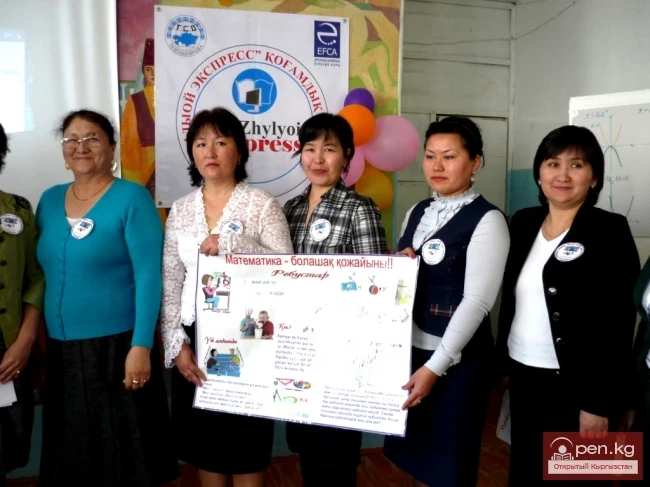
At the beginning of the 2004/05 academic year, the number of teaching staff in secondary vocational educational institutions amounted to 3,019 people, which is 1.4 times more than in the 1999/2000 academic year. This includes 2,250 full-time teachers (74.5% of the total number) and 769 teachers working on a part-time basis (25.5%). With the increase in the number of students, the number of teachers is also growing, and currently, the average student-to-teacher ratio in vocational education
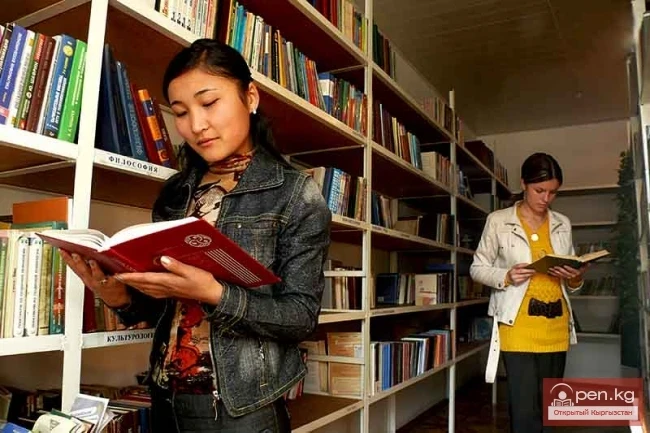
According to the census data, significant changes occurred in the distribution of the employed population by types of activity from 1989 to 1999. The number of people employed in industrial production decreased by 2.6 times over the decade. In the mining industry, the number of employed people fell by more than 3 times from 1998 to 1999, totaling 8,400 individuals.
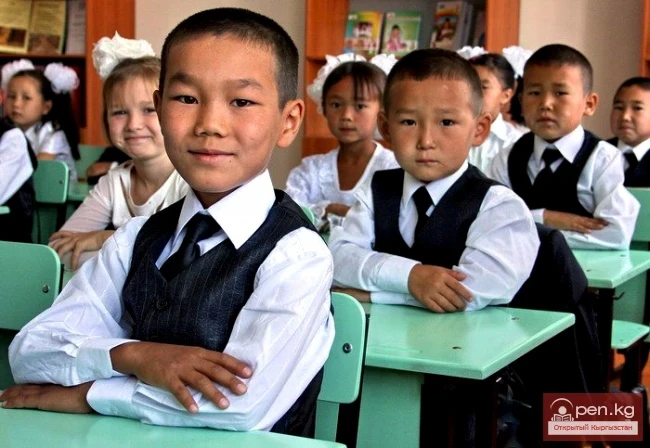
Over the past 15 years, the system of general secondary education has functioned quite steadily, with an increase in the network of public schools and the number of students. According to the National Statistical Committee, in 2005, there were 2045 mass schools operating in the republic, with 1,121.6 thousand students enrolled. In the republic's schools, education is conducted in several languages: 63.9% of students are taught in Kyrgyz, 24.5% in Russian, 13.5% in Uzbek, and 0.3% in
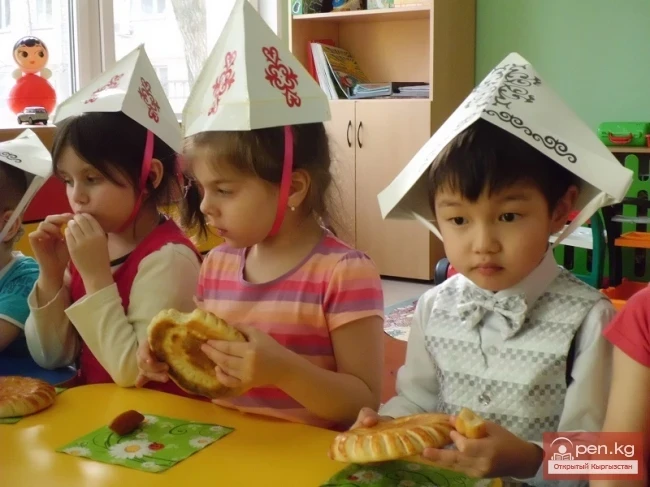
Since 1998, the reduction in the number of preschool institutions has been halted, and a quantitative growth has been observed. As of 2004, the number of children's preschool institutions amounted to 417, with an enrollment of 46.3 thousand children. The development primarily focused on models of preschool institutions that are alternatives to state ones. A lot of attention was given to additional educational services for the population through programs for the development of younger
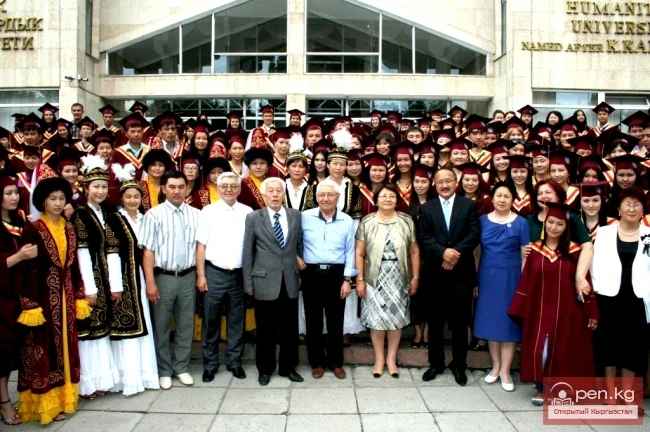
The structure of education in Kyrgyzstan encompasses eight official levels, approved by the Law of the Kyrgyz Republic "On Education" as amended in 1992, 1997, and 2003:
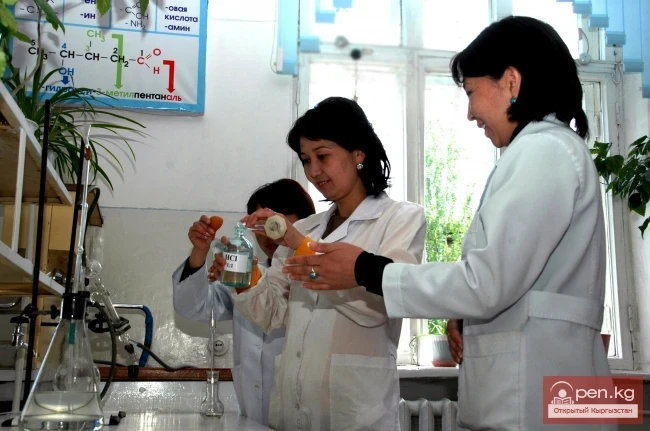
The scientific potential of Kyrgyzstan is concentrated in 92 independent scientific and technical institutions, organizations, enterprises, higher educational institutions, scientific and production centers, and temporary creative collectives.
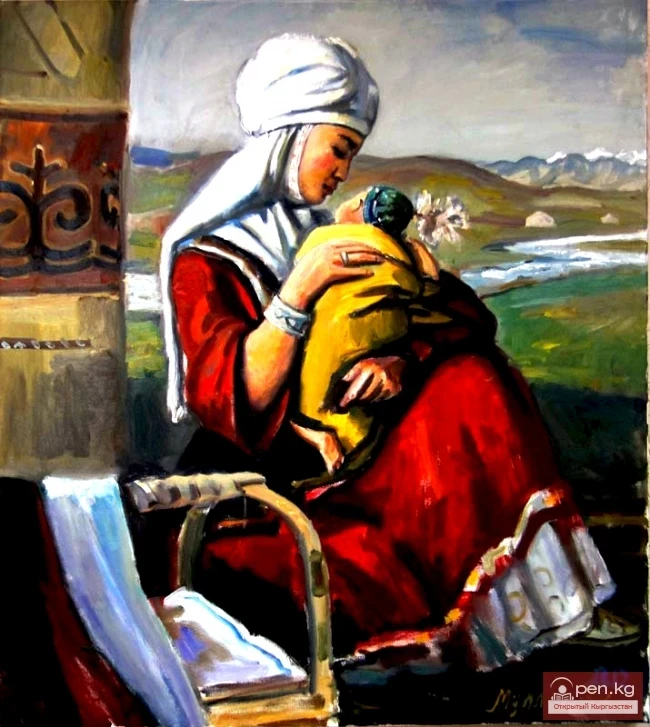
Since the mid-90s, artists have increasingly participated in exhibitions both in the republic and in neighboring and distant countries. Among the most significant exhibitions are: the all-Union "Our Contemporary" (Moscow, 1982) and "Watercolor Exhibition" (Moscow, 1984); exhibitions of Kyrgyz art in Morocco (1995), India (1987), and Cuba (1989). Among the recent international exhibitions, the following stand out: "Ecology - Woman" (Bishkek, 1995),
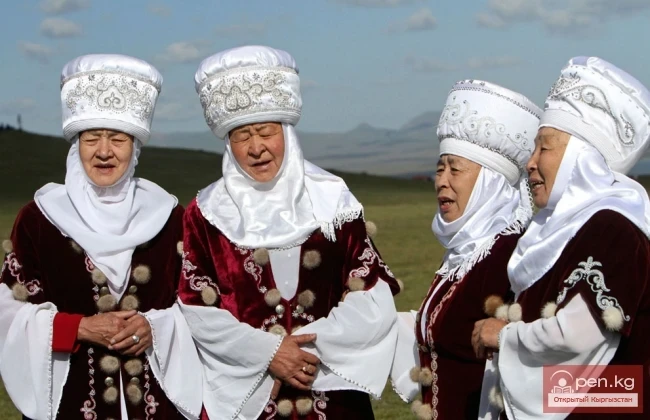
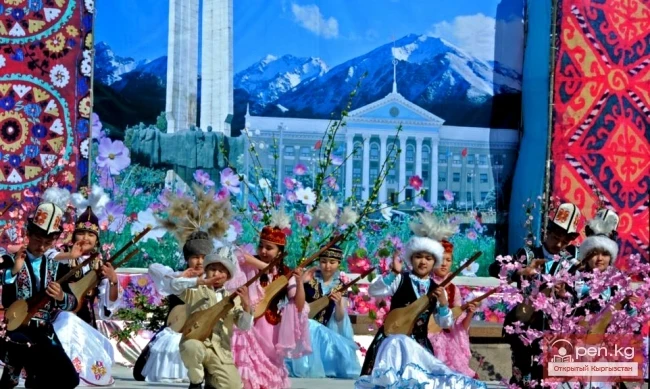
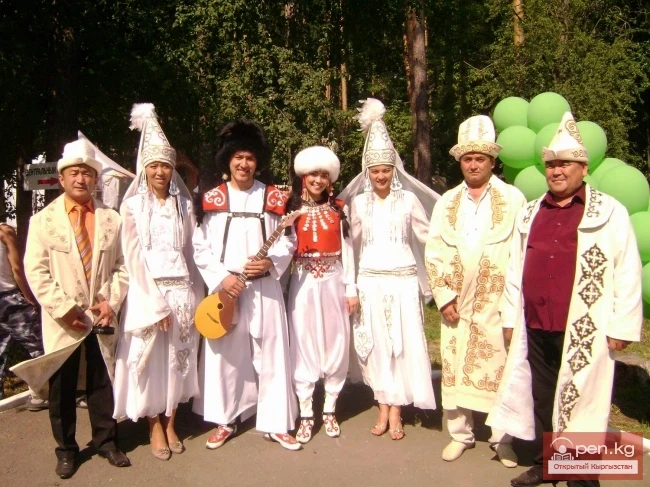
Today, in the era of sovereign, independent Kyrgyzstan, there is a genuine revival of the national language and culture. The restructuring of the musical infrastructure in favor of heritage has begun. Folklore competitions are being organized, new ensembles are being created, and talented solo musicians are gaining popularity. Folklore has become the heritage of not only rural but also urban environments, and it has entered the international arena.
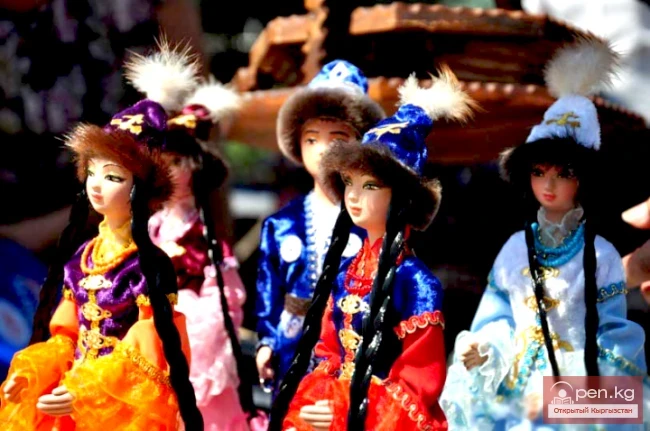
The Kyrgyz are mentioned in historical written sources earlier than the neighboring peoples currently living in Central Asia. The first information about the Kyrgyz dates back to the 3rd century BC. Today, the culture of Kyrgyzstan represents a system of nomadic and agricultural culture. The country is characterized by a civilizational synthesis and cultural pluralism. The culture of Kyrgyzstan is presented as a symbiosis of traditions, customs, worldviews, stereotypes, and the mentality of a
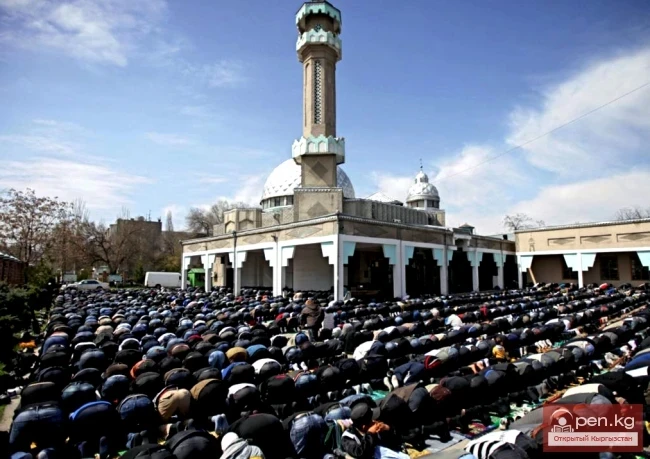
The Islamic religion is represented in the republic by two schools (madhhabs) of Sunni tradition — followers of Imam Abu Hanifa and Imam Shafi'i, united in one religious organization — the Spiritual Administration of Muslims of Kyrgyzstan (DUMK).