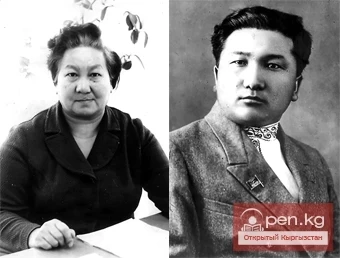
TOKCHORO JOLDOSHEV — 110 years since his birth
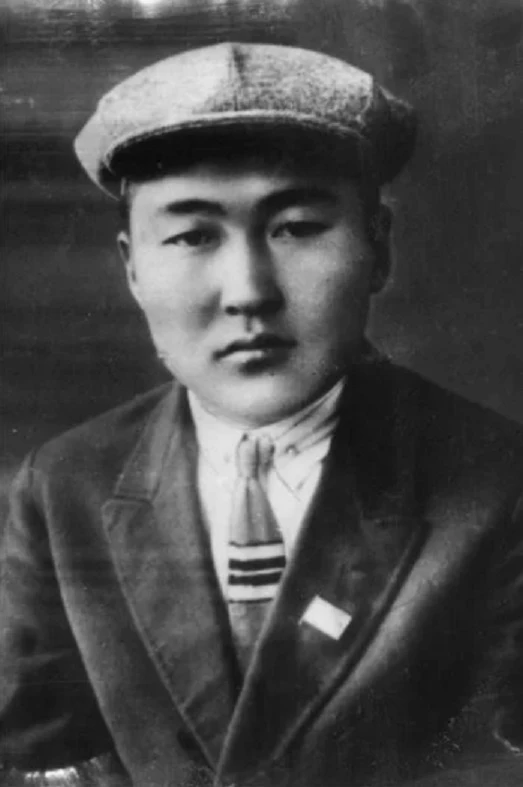
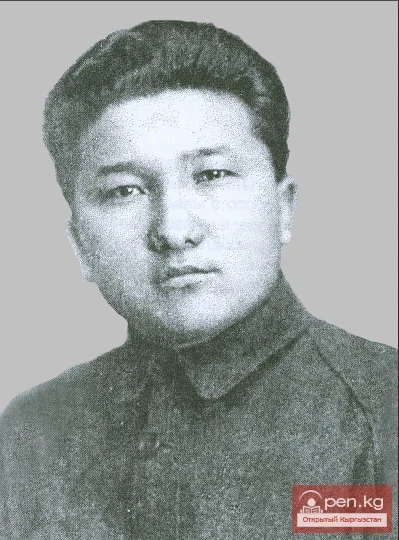
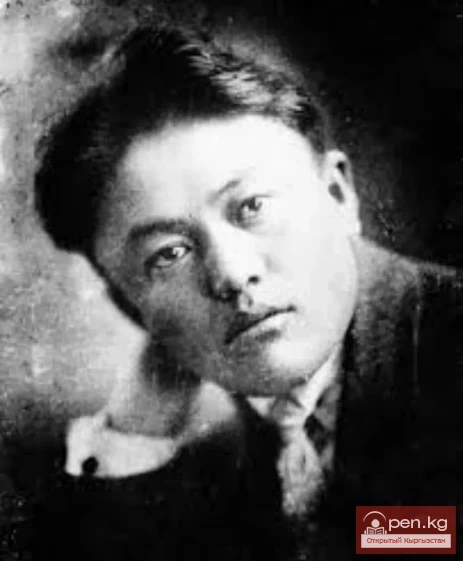
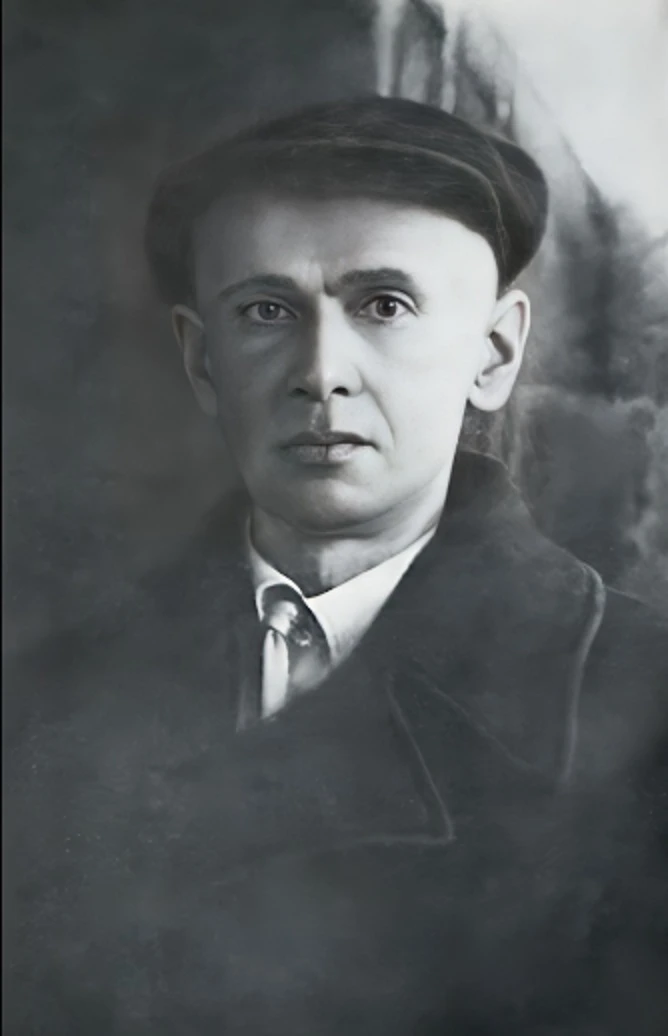
A prominent state and public figure of Kyrgyzstan, People's Commissar of Education, literary critic, publicist, and journalist Tokchoro Joldoshev was born in 1903 in the area of Kara-Jilga (now Kemin district). He became an orphan early on and was taken in by relatives, who even before the revolution gave him the opportunity to study and finish the primary Russian-native school.
In 1919, Tokchoro joined the Komsomol. In 1923, during his studies at the Jety-Su Institute of Education (1921–1925) in Almaty, he became a candidate member of the RCP(b). During his studies, he developed an interest in journalism and a penchant for literary creativity, collaborating with the newspaper "Tilchi" ("Propagandist") – the organ of the Almaty Revolutionary Committee, and "Jety-Su Pravda" – the organ of the Jety-Su regional committee, and was the editor of the institute's manuscript magazine "Saule" ("Ray"), where he published his works (for example, a documentary essay "Unfortunate Sofia" about the fate of a Kyrgyz woman).
After graduating from the Institute of Education, T. Joldoshev worked for several months as the head of the Karakol Department of Public Education in Przhevalsk. In 1925, he was sent to Moscow to work in the Central Publishing House of the Peoples of the USSR. Working as the responsible secretary and editor of the section, T. Joldoshev actively engaged in translating socio-political literature into Kyrgyz. During this time, he produced translations of the "Charter of the RCP(b)," Revushkin's book "What is the Komsomol?," and the textbook of social science by M. I. Taishin. The translation of the latter book was done in creative collaboration with Ibrai Toychynov.
In 1927, the first collective collection of poems by young Kyrgyz poets "Red Flower" ("Kyzyl Gul") was published in Moscow, compiled and with a preface by Tokchoro Joldoshev. The historical fate of the collection turned out to be similar to the fate of its authors, most of whom were repressed: it never entered the history of Kyrgyz literature, as if it had never existed in the world.
During his time in Moscow, T. Joldoshev attended literary courses at the Higher Literary-Art Institute in the evenings. Later (1927–1929), the experience of publishing and editorial work gained in Moscow allowed him to work fruitfully at the Academic Center of the People's Education of the Kyrgyz ASSR, where he compiled program aids for Kyrgyz schools and prepared for publication the folklore wealth of the Kyrgyz people. He also worked in the monthly scientific-pedagogical and literary-artistic journal "Zhanı Madeniyat Jolu" ("On the Way to a New Culture"), where he served as the editor-in-chief.
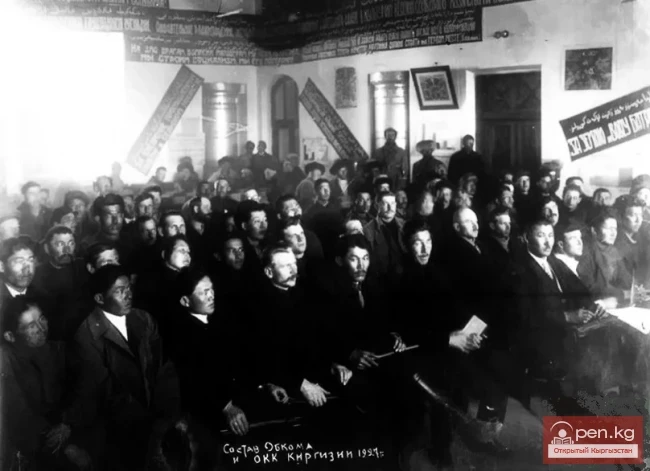
The organizational and creative abilities of Tokchoro Joldoshev did not go unnoticed, and in July 1929, he was promoted to responsible work in the Presidium of the Kyrgyz Central Executive Committee, where he became its secretary, and then until December 1932 he was the chairman of the Kolkhoz Center of the Kyrgyz ASSR. In January 1933, he was appointed People's Commissar of Education, where he worked until September 1935. While holding this position, he did a great deal of work in establishing folk theaters, libraries, boarding schools, and schools.
In January 1935, T. Joldoshev spoke at the IV All-Kyrgyz Congress of Soviets with a report "On the Tasks of Cultural Construction," wrote a draft law that was approved by the congress as the law of the Kyrgyz ASSR. He was elected a delegate to the VI and VII regional party conferences, a member of the Kyrgyz Central Executive Committee of the II, III, and IV convocations, and a member of the Presidium of the Kyrgyz Central Executive Committee. From 1930 to 1935, he was elected a member of the Kyrgyz Regional Committee of the VKP(b).
Despite his short life, he managed to accomplish much, combining party and state work with literary creativity.
At the same time, he closely collaborated with the editorial offices of Kyrgyz and Russian newspapers and magazines, publishing reviews of theatrical productions, and presenting journalistic and literary-critical articles. He was a person who stood at the origins of the creation of the first literary-artistic magazine "Chabuul." Tokchoro Joldoshev emerged in the republic as one of the first creators of national literary criticism. In his literary-critical articles, the young critic raised questions about the attitude towards the artistic heritage of the past and the preservation of oral folk creativity.
His activity was interrupted at the height of his creative powers and abilities when he was only 32 years old. He shared the fate of the best representatives of his people, innocently repressed in the 1930s.
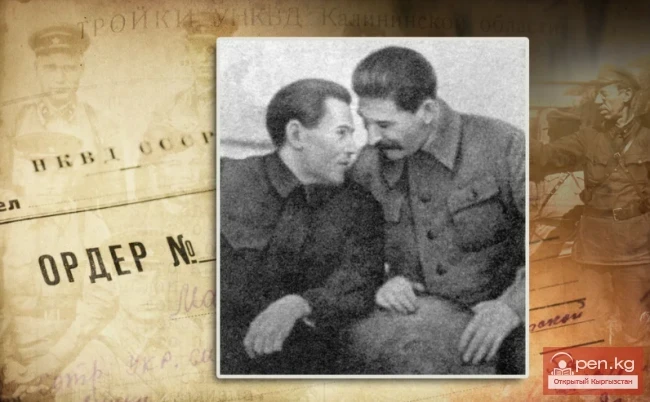
By the decision of the bureau of the Kyrgyz Regional Committee of the VKP(b) on September 21, 1935, he was removed from the post of People's Commissar of Education, on October 16, 1935, he was arrested, and on October 21, he was excluded from the Presidium of the Kyrgyz Central Executive Committee, on November 17, 1935, he was expelled from the ranks of the VKP(b). On August 27, 1937, the NKVD troika of the Kyrgyz ASSR sentenced him: "without the right to correspondence."
After the XX Congress of the Party, Tokchoro Joldoshev was rehabilitated and posthumously reinstated in the party, his name was returned to history. His thoughts, feelings, and convictions have been preserved on the pages of newspapers, magazines, and books of that time. And today, after returning from "special storage" of libraries, they have finally become known.