An Ancient Manuscript Tradition in Kyrgyzstan
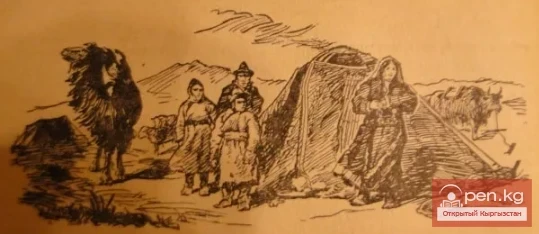
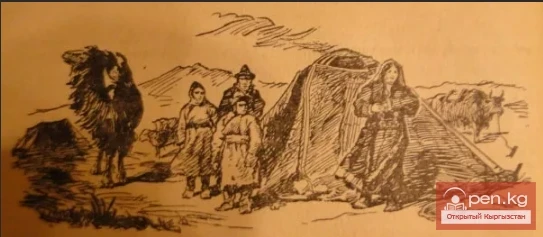
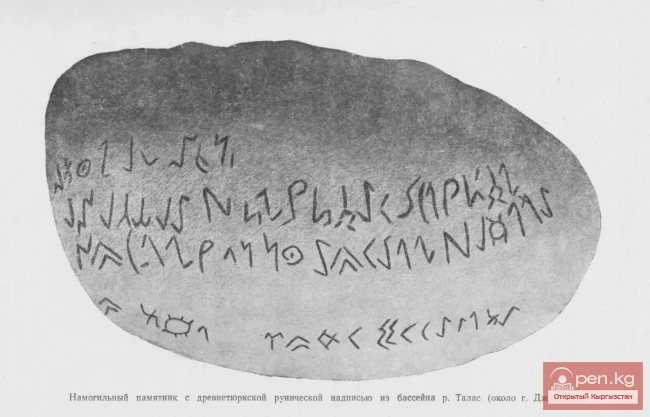
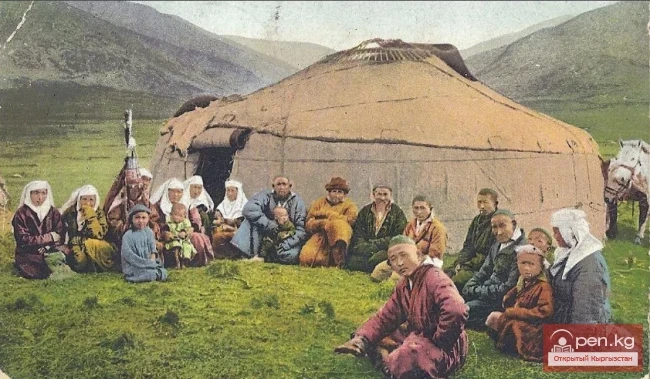
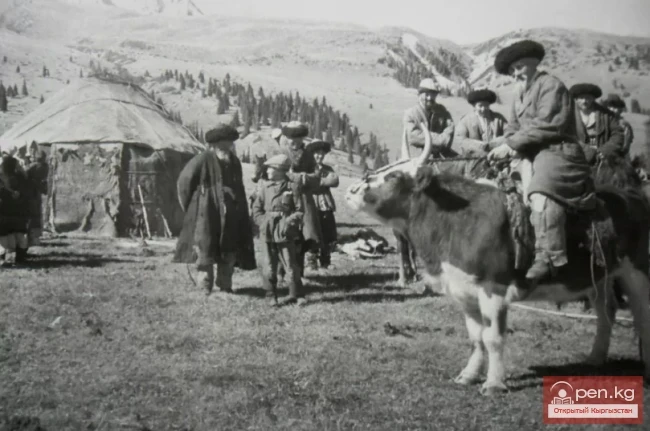
In the territory of the Kyrgyz Republic, the expedition searched for and acquired lithographic editions of Turkic-language divans by the founder of Uzbek classical literature Alisher Navoi (1441-1501). Therefore, in earlier times in Kyrgyzstan, people read not only in Arabic and Persian but also in Turkic. It should also be remembered that the Kyrgyz people are the successors of the culture of the Karakhanid state, with its deep written tradition, which carries the poem “Kutadgu Bilig” by Yusuf Balasaghuni (1069) and “Divani Lugat at-Turk” by Mahmud Kashgari (1084). The discoveries of archaeological expeditions, the large number of Arabic, Persian, and Turkic books and manuscripts testify to the existence of an ancient manuscript tradition in Kyrgyzstan. It was undoubtedly supported and developed with the assistance of school education. In Samarkand and Bukhara, well-known centers of Muslim education, madrasas emerged in the 15th-16th centuries. In Kyrgyzstan, madrasas opened later — mainly in the second half of the 19th century and mainly for settled populations, while nomadic Kyrgyz taught children in their homes — yurts. The English traveler J. Wood, who visited the upper reaches of the Oxus River (the beginning of the Amu Darya) in the 1830s, attended classes in a yurt school where Kyrgyz children studied the Quran. Ch. Valikhanov, who visited the Kyrgyz in 1857, noted that the children of the head of the Bughu tribe began to learn literacy.
According to information from 1892, there were seven madrasas in Kyrgyzstan, five of them in the city of Osh; by 1914, the number of madrasas in the Osh district had already reached 88 with 1,172 students. Other interesting data; as of January 1, 1913, in the Pishpek district, there were 59 maktabs with 1,182 boys and 131 girls in 21 purely Kyrgyz nomadic volosts, and in 26 volosts of the Przhevalsk district, there were 28 schools where 2,276 boys and 42 girls were educated.
From the beginning of the 20th century, new-method schools (“usul-i jadid”) began to open in Kyrgyzstan. The founders and first teachers were mostly Volga Tatars, who were later replaced by Kyrgyz teachers trained in the madrasas of Ufa, Kazan, and new-method maktabs of Pishpek, Tokmak, and Przhevalsk.
The above is undeniable evidence of the high culture and education of the Kyrgyz in the past, their aspiration to master languages, and to poetic and scientific creativity.
It is quite natural that the Kyrgyz early realized the need for a literary language on their native soil. This need was realized in a number of manuscript works, business documents, and correspondence. Among them, the large poem — sanaty of Moldokylych (20s of the 19th century - 1896), dedicated to historical events: the conquest of Chimkent and Tashkent (1865), the flight of the Fergana Kyrgyz from Khudoyar Khan (1845-1858) to Sary-Kol, and the attitude of the ruler of Kashgaria Yakub-bek towards Kyrgyz refugees.
The author was born in the valley of the Shaiymardan River (Southern Kyrgyzstan) and visited the regions of Northern Kyrgyzstan. The language of Moldokylych's poem was studied by B. M. Yunusaliev. Letters from the Kyrgyz to the Russian authorities date back to the first third of the 19th century (1824-1827). Kyrgyz letters from the 1850s and 60s with requests to accept the Kyrgyz into the citizenship of Russia have been preserved.
There are letters-documents of the Kyrgyz related to the first diplomatic relations with Russia. The earliest letter — a letter from Atake-batyr — is dated August 23, 1785, i.e., in the middle of the 18th century, the Kyrgyz were already using Arabic writing. Among the official documents, the earliest is a treaty of friendship between the northern Kyrgyz and the Kazakhs of the senior zhuz, drawn up in 1847.
All these unique documents, composed in the Kyrgyz environment, are valuable not only for linguists but, of course, also for historians.
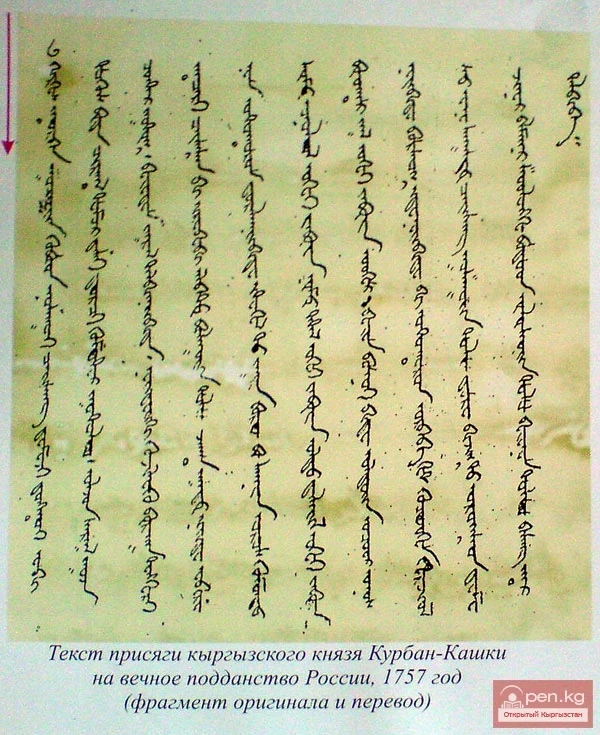
It is not accidental that the Cholpon-Ata Historical and Local Lore Museum has included photocopies of four Kyrgyz letters among its exhibits:
1) A letter from the Kyrgyz biys Uludzhabay Akymbek and elder Mambet Umetov to the Governor-General of Western Siberia. Location: Dzhergalan, August 5, 1825;
2) A letter from the Kyrgyz biys Sheraly and his son Algazy to the Governor-General of Western Siberia. Location: Ak-Suu, April 9, 1827;
3), 4) Oaths of the Bughu tribe for citizenship of Russia from 1827 and 1855.
What does the language of the mentioned works and documents represent? For example, we can refer to the poem of Moldokylych, the story of Shabdan by Osmonaly Sydykov, and three letters (from the late 18th century, early and mid-19th century). The basis of the language of Moldokylych's poem is the Chagatai language common to many Turkic peoples.
This is evidenced by phonetic features: й — at the beginning of words: йолавчу ‘traveler’, йакшы ‘good’, йыл ‘year’, йорга ’inochodets’, йурт ‘dwelling, house’, йер ‘land’, йат- ‘to lie down’, йаз- ‘to write’; vowels у, у in non-initial syllables: алтун ‘gold’, агаларум ‘my older relatives’, кайтаруб ‘returning’, айрылур ‘will separate’, кецлум калур ‘I will be offended’ (until it is done, ‘my mood will remain’), айтдум Нийяз ‘I said Niyaz’, йатар идуциз ‘you lay down’, болмас мидум? ‘would I not?’
Among morphological features: genitive case -ныц/ниу after voiced and sonorous — кызньщ ‘of the girl’, йерниц ‘of the land’; accusative case ны/-ни after voiced and sonorous — бу мырзаны ‘this nobleman’, евзууни ‘your word’; instrumental case -« — козун квруб ‘looking with the eyes’; past tense -мыш — калмыш бу дунйа- да ж,акган адам ‘a pleasant person remained in this world’.
Lexical features: reflexive pronouns кендуц ‘yourself’ and postposition билен.
Orthographic features: separate writing of е — with two letters (нун and кяф) — йуртынг ‘your yurt’, мангдай ‘forehead’, десенгиз ‘if you say’ and separate writing of affixes and the root of the word: торы-ныц ‘of the bay’, камчым-ныц ‘of my kamchi’, езум-нуу ‘of myself’.
The Chagatai basis of the poem clearly existed in the Kazakh environment. This is evident from the following features: г > в between vowels, sonorous and vowel, at the end of the word — авыл ‘village, settlement’, авыз ‘mouth, lips’, баврум ‘my dear’ (until it is done. ‘my liver’), кара тав ‘black mountain’; ш> с — сол ‘this, that’, щасан — ‘to dress up’, щас терекдей ‘like a young poplar’; personal pronouns I and II in the dative case: маган ‘to me’, саган ‘to you’.
This mixed language, which can also be called the Old Kazakh literary language, was masterfully used by Moldokylych to write the poem.
The language of the poem is, of course, saturated with elements of the Kyrgyz language.
Among the phonetic features: strong labial harmony of vowels — Кокондо ‘in Kokand’, жоргологон ‘going at a trot’, коргонмун ‘I saw’; ж at the beginning of words — ж;аз ‘summer’, щийирме ‘twenty’, щур — ‘to walk’, щи — ‘to eat, to feed’; initial (й) ы ("instead of щы) ыр ‘song’, ыраак ‘far’; б > в between a vowel and sonorous — болвойт ‘will not be’, кыш кылвайт ‘in winter she does not do’; presence of labial diphthongs ов/вв — товдун (genitive case) ‘of the mountains’, бирвв ‘some’ and ув/ув — увлун, ‘your son’, кызыл вздув ‘red-cheeked’; presence of triphthongs with й between vowels — ийе (бийени ‘mare’) and уйе (туйелериу ‘your camels’).
Morphological features include: genitive case on -нын instead of -ныу — багбаннын щайы. ‘place of the gardener’; accusative case on -ды - марттады ‘of the mold’; III person present-future singular — т — болот ‘will be’, койуйт ‘leaves’; past tense usually on -чу/-чу — щерде щатчу чачылып ‘lies scattered on the ground’, кундв шелче токучу ‘every day she wove a mat’.