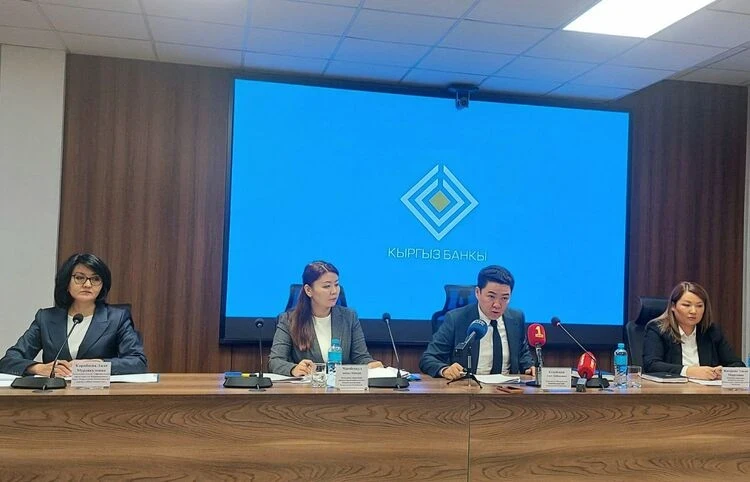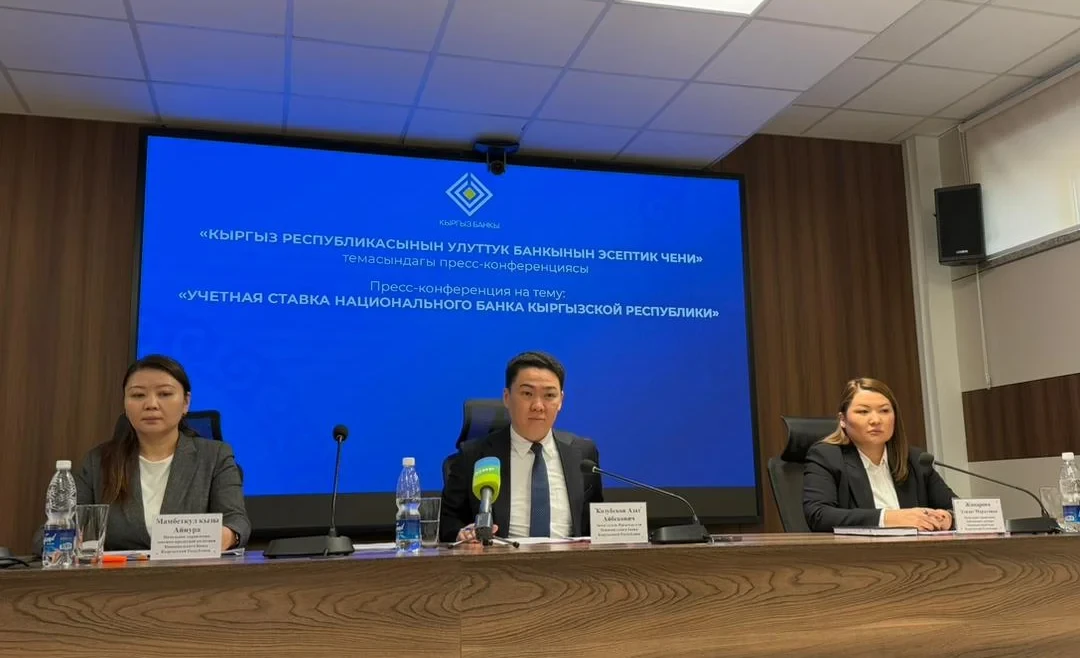
The Board of the National Bank of Kyrgyzstan decided on January 26, 2026, to keep the discount rate at 11.00%. This decision will take effect on January 27, 2026, as announced at a briefing in Bishkek by the Deputy Chairman of the National Bank, Azat Kozubekov.
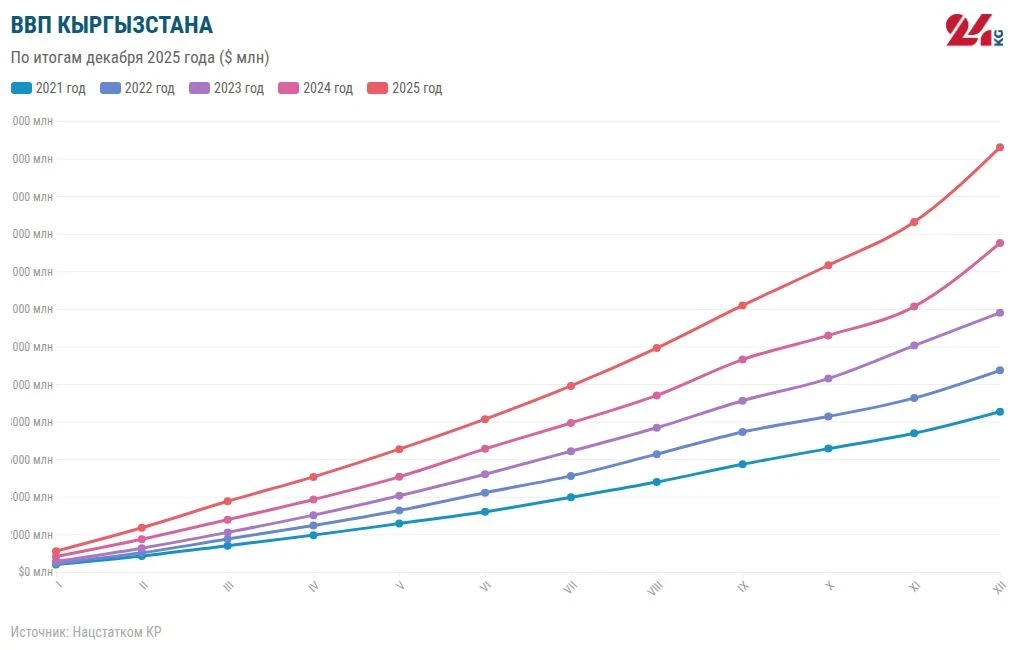
According to him, the country's economy is demonstrating steady growth. In 2025, the real gross domestic product (GDP) increased by 11.1%. The main factors contributing to this growth were the construction sector and services. Investment activity remains high due to increased investments in fixed capital, which, in turn, is supported by the expansion of government financing. Consumer demand is fueled by rising real incomes, improved remittances, and active consumer lending.
As of January 16, 2026, the inflation rate in Kyrgyzstan was 9.4% year-on-year, which corresponds to the figures from December 2025. Current price trends align with the expectations of the National Bank, with a slight slowdown in the growth of food prices. In the non-food segment and the services sector, prices remain high due to secondary effects of external factors. Additionally, the dynamics of inflation are also influenced by the annual revision of tariffs and high domestic demand.
The priority of the National Bank's monetary policy is to reduce inflation to the target level of 5-7% in the medium term, which necessitates the maintenance of tight monetary conditions. Tactical measures are aimed at limiting the monetary factor of inflation. The National Bank actively conducts sterilization operations to regulate the money supply in the economy. In these conditions, the interbank benchmark interest rate BIR is formed close to the lower boundary of the National Bank's interest corridor, while the domestic foreign exchange market remains stable.
However, inflation continues to be threatened by external factors. Global food and commodity markets are characterized by high volatility, and geopolitical instability maintains inflationary pressure in various countries, including Kyrgyzstan's main trading partners, which is reflected in import prices. Domestic inflationary processes are also driven by non-monetary factors, such as planned changes in regulated tariffs and growing domestic demand. These circumstances require the maintenance of current monetary conditions until sustainable prerequisites for slowing inflation are established, which is why the National Bank has kept the discount rate at 11.00%.
Azat Kozubekov emphasized that the National Bank adheres to a cautious approach in its monetary policy and continues to analyze both external and internal factors affecting inflation. In the event of risks to price stability, the National Bank does not rule out the possibility of adjusting its monetary policy.
The next meeting of the Board of the National Bank, dedicated to the discount rate, is scheduled for February 23, 2026.