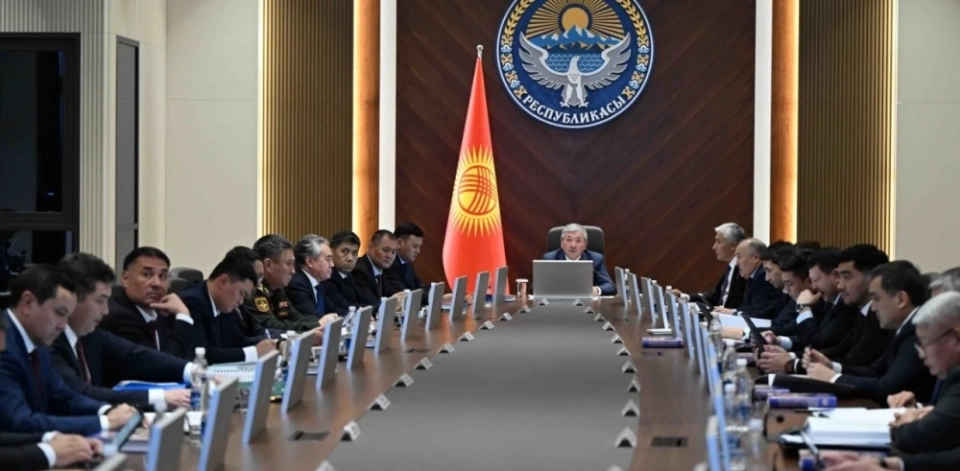
Overachievement of the revenue plan:
By the end of the third quarter of 2025, the State Customs Service (SCS) transferred 102.1 billion soms to the state budget in the form of customs payments, which is 2.4 billion soms above the plan (the overachievement amounted to about 2.4%). This indicates a stable growth in revenue.
Comparison with the previous year:
In the first eight months of 2025, collections reached 88 billion soms, which is 7.7 billion soms more than in the same period of 2024. The growth rate was about 110% compared to last year.

Stability by quarters:
The SCS recorded an overachievement of the plan already in the first quarter of 2025: 31.1 billion soms against the expected 30.8 billion. This indicates a positive revenue trend throughout the year.
These results confirm the reliable fulfillment of budgetary obligations and highlight the importance of customs as a key source of revenue for the state budget.
Digitalization: new services and automation
The digital transformation of customs procedures has become one of the main success factors for the SCS in 2025:
The QR payment system for customs duties allows enterprises and individual entrepreneurs to make payments without the need to visit banks and stand in queues. By the end of October, over 34 million soms were transferred through the QR system.
The "Smart Bazy" platform is an integrated digital solution aimed at automating transit control and electronic document flow, which speeds up cargo clearance and improves data exchange with other government agencies, reducing the risks of errors during manual data entry.
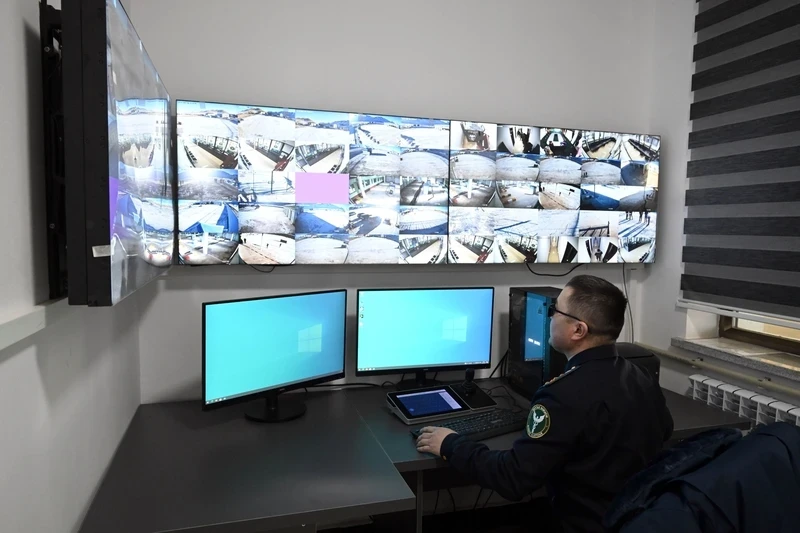
The pilot project of electronic queues at the "Dostuk" checkpoint has significantly reduced waiting times for transport, with plans to expand this system to other checkpoints such as "Torugart".
International cooperation and standards
Activation of international interaction:
Recently, the 24th meeting of the Customs Cooperation Committee of the CAREC was held in Bishkek, where representatives of customs administrations from participating countries, international organizations, and development partners gathered. Topics discussed included digital trade, transit simplification, and regional integration.
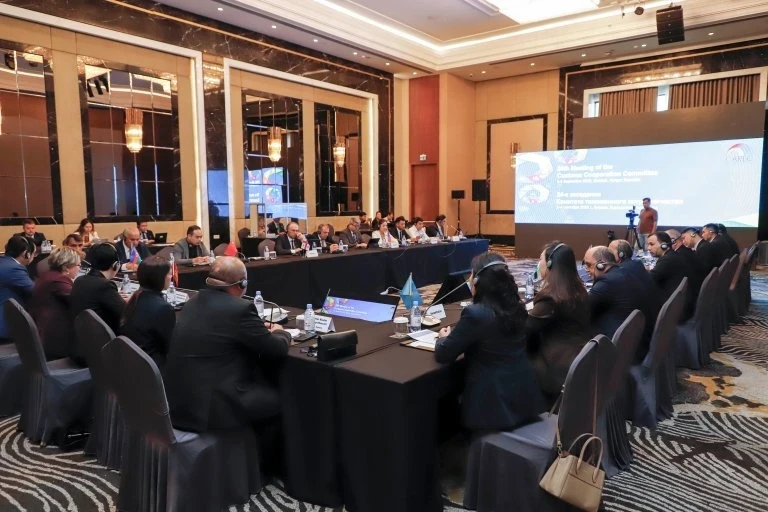
This underscores the Kyrgyz customs' commitment to strengthening its position in the Central Asian logistics space and adapting its processes to international standards.
Process optimization and personnel policy
Strengthening the personnel composition:
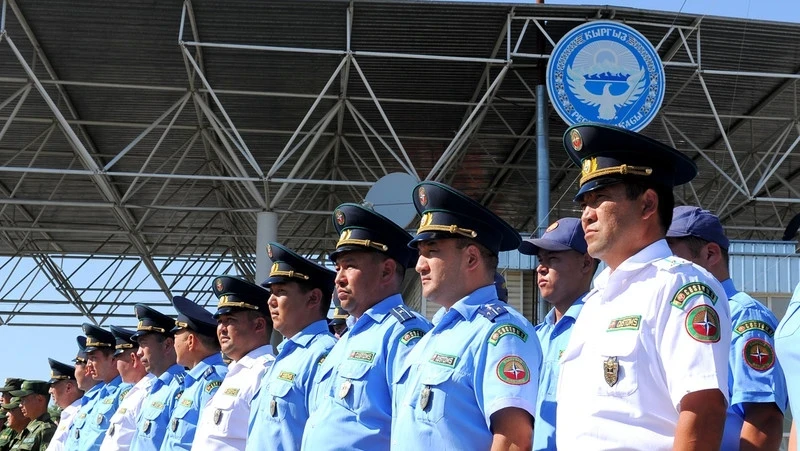
In 2025, competitions continued to form a personnel reserve with increased requirements for professional training and transparency in selection.
There is active work to improve the qualifications of employees through international training programs.
Impact on the country's economy
Strengthening the budget:
Stable revenues from customs duties positively affect the overall state of the state budget — as of the end of seven months in 2025, total state revenues increased by more than 40% compared to last year, with a significant contribution from customs to these figures.
Improvement of the business climate:
Digital services and simplification of procedures significantly reduce administrative barriers for businesses and contribute to the growth of foreign economic activity.
Transparency of operations:
The introduction of online payments, electronic queues, and digital document flow increases the transparency of interactions between participants in foreign economic activity and customs authorities, reducing the risks of corruption.
Results: achievements and challenges
Main achievements of 2025:
- Regular overachievement of revenue plans;
- Successful digitalization and automation of processes;
- Active participation in international initiatives to raise logistics standards;
- Improvement of service quality for businesses.
- The need for further implementation of reforms at all border crossing points;
- Improvement of personnel qualifications to work with new IT systems;
- Minimization of corruption risks, requiring sustainable institutional mechanisms and transparent procedures.
Expectations for 2026–2027:
Provided that the pace of reforms and digitalization is maintained, the SCS will be able to strengthen its position as an effective regulator that contributes to the development of the economy of Kyrgyzstan, increasing attractiveness for investments and optimizing foreign economic activity.
The information presented in this material is collected from open sources.