The bill is aimed at increasing citizens' confidence in the legal system and the stability of legislation.
The government intends to reduce the number of changes to the codes to make legislation more stable and understandable for both citizens and businesses.
Reporter Ayaz Bayetov emphasized that the codes are fundamental laws regulating everyday life, the activities of companies, and the work of government bodies. Frequent changes in legislation lead to confusion and complicate planning for both citizens and businesses.
According to the proposal of the bill, changes to the codes will be made no more than once a year and only with the president's permission. Exceptions will be made for cases requiring urgent changes, such as emergencies or decisions by the Constitutional Court.
Justice Minister Ayaz Bayetov informed the deputies about plans for automatic verification of new laws to avoid contradictions and errors. The adoption of this law should facilitate the understanding of rules for citizens and entrepreneurs, as well as increase trust in the country's legal system.
However, Deputy Nurbek Sydygaliev expressed dissatisfaction with the proposed amendments, questioning on what grounds the reporter limits the deputies' right to make changes to the codes.
“You cannot restrict us. We know when to make amendments ourselves,” he stated, adding that the main task of a deputy is to improve laws and urging colleagues to reject the proposed changes.
Deputy Bolot Ibragimov, in turn, noted that the Jogorku Kenesh is currently considering amendments related to tightening penalties for driving under the influence. He emphasized that if these amendments are adopted without considering the opinions of the deputies, he will be forced to propose new changes to the Criminal Code.
“I cannot wait another year after these amendments are adopted. People are dying on the roads, and something needs to be done,” the deputy added.
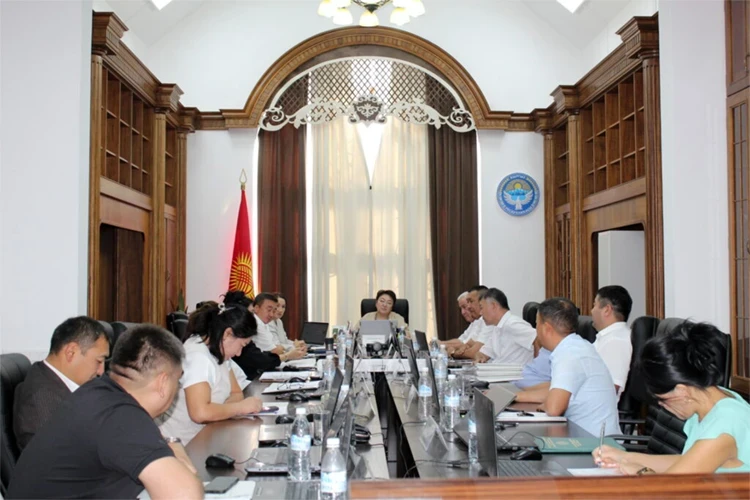
At the meeting, the majority of deputies expressed opposition to the bill. As a result, the committee deputies decided to remove it from the agenda for further refinement in collaboration with the Ministry of Justice.
Photo www