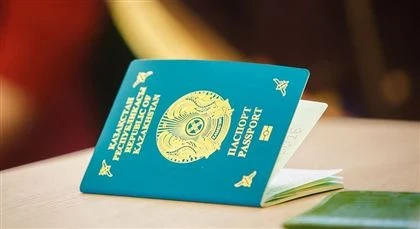
Unfortunately, previous years showed growth: the maximum level of "strength" of the Kyrgyz passport was reached in 2024, when citizens could travel to 65 countries without a visa. Since the inception of the index in 2006, when there were only 28 visa-free destinations, this moment became historic. However, a decline began in 2025.
Visa-Free Countries for Kyrgyz Citizens
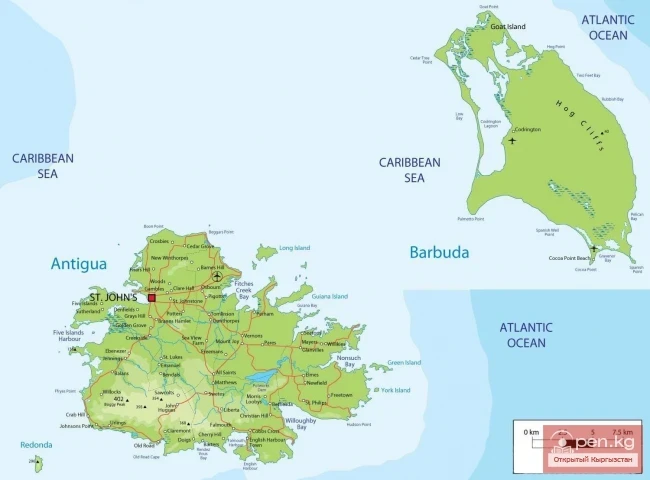
According to Henley & Partners, holders of the Kyrgyz passport can visit visa-free countries such as Antigua and Barbuda, Armenia, Azerbaijan, Barbados, Belarus, Vietnam, Haiti, Grenada, Georgia, Dominica, Iran, Kazakhstan, Malaysia, Maldives, Moldova, Mongolia, Micronesia, the Cook Islands, Russia, Saint Vincent and the Grenadines, Serbia, Suriname, Tajikistan, Turkey, Ukraine, Uzbekistan, and the Philippines.Holders of "strong" passports evidently have significant advantages: citizens of countries with high rankings can travel around the world with relative ease. For example, residents of Singapore, Japan, and Germany can visit most countries without the need for a visa, saving time and money. Experts note that one of the most powerful passports, such as the Japanese one, provides access to 85% of countries, which collectively accounts for about 98% of the global economy. This allows the holder of such a passport to easily reach key economic centers. In contrast, the weakest passport (Afghanistan's) provides visa-free access to only ~12% of countries, which amounts to about 25 destinations, corresponding to only ~1% of the world's GDP. Thus, a high position in the index not only facilitates travel but also indicates international trust in the country, its foreign policy, and economic development. Holders of "privileged" passports have more opportunities for business abroad, participation in international educational and investment programs.
Comparison with Neighbors
In Central Asia, Kazakhstan holds the leading position, ranking 61st with visa-free access to 78 countries. This makes its passport the strongest among Kyrgyzstan's neighbors. Uzbekistan, as mentioned earlier, is at the same level as Kyrgyzstan - 75th place (61 countries without a visa). Following are Tajikistan in 81st place (54 countries) and Turkmenistan in 87th place (47 countries).The ranking is formed based on data from the International Air Transport Association (IATA) and is regularly updated according to changes in visa policies. The analysis includes 227 destinations (all sovereign states and key territories) and 199 passports. The maximum possible theoretical "score" is 226 (when a passport allows visa-free access to all countries except the home one). In practice, even the leaders have not yet reached this level. The index is reviewed quarterly, allowing for tracking changes in the visa policies of different countries. Previously, this ranking was called the "Visa Restrictions Index," reflecting its essence: it shows how restricted citizens of different countries are in terms of visa barriers.
Reasons for Visa Restrictions
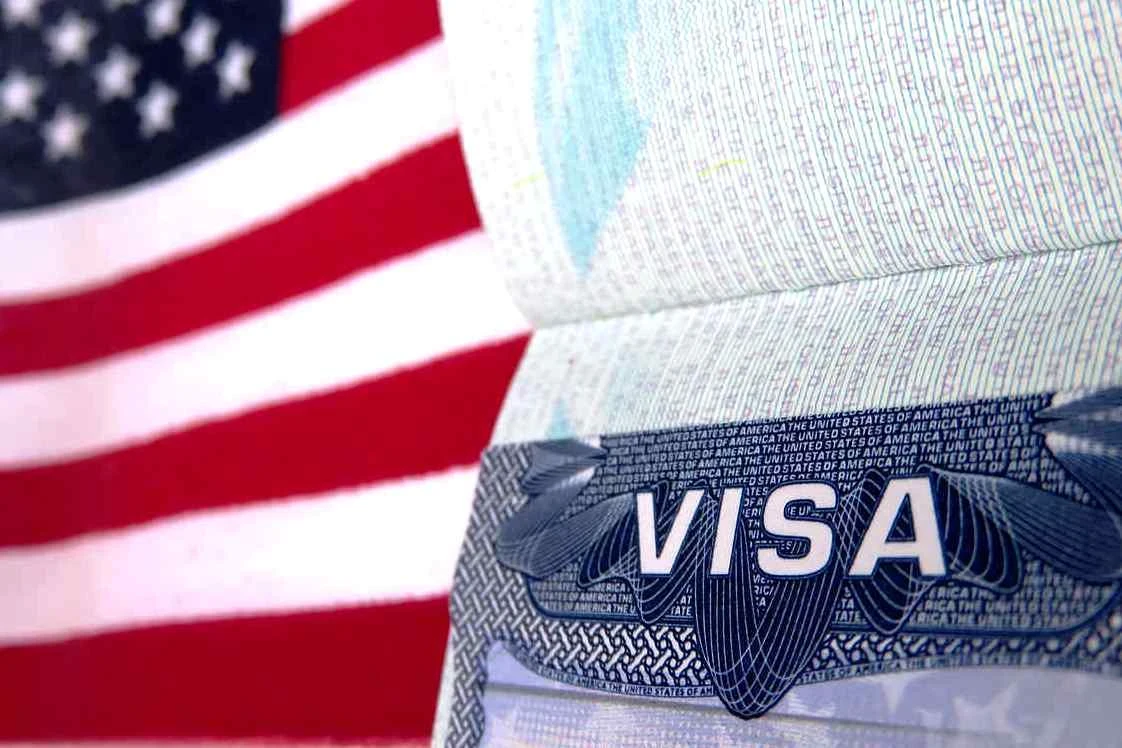
Why do some countries have more freedom of movement while others face numerous visa barriers or even impose "visa bans"? The reasons are usually complex and depend on both the internal situation in the country and its perception by other states.- Economic and migration factors. In most cases, passports from less developed countries have weak positions, as wealthier states fear migration flows. This leads developed countries to hesitate in opening their borders to citizens of less affluent states, fearing that such citizens may overstay their visas and become illegal migrants. Countries with high unemployment or unstable economies often face visa restrictions precisely due to the risk of illegal emigration of their citizens. In particular, after the Trump administration came to power in the U.S., visa barriers were introduced for Kyrgyzstan and other countries: the validity of non-immigrant B-1/B-2 visas was reduced, the number of visas issued was decreased, a mandatory visa bond was introduced for obtaining visas, and the issuance of immigrant visas was suspended.
- Political instability and security. States in a state of war, terrorist activity, or internal instability are often isolated on the international stage. Their citizens undergo stricter checks, and visa-free agreements with them are extremely rare. For example, Afghanistan, Syria, Iraq, Yemen, and other countries with conflicts or instability occupy the lowest places in the index, providing fewer than 30–40 visa-free destinations. Political instability, sanctions, and the severance of diplomatic ties make the passports of such countries "high-risk," and their citizens often face visa denials.
- Lack of diplomatic agreements. The strength of a passport directly depends on the number of bilateral agreements on mutual visa-free entry. If a country is poorly integrated into global processes and does not actively negotiate to ease visa regimes, its citizens remain isolated. For example, for many years Belarus remained the only European country without visa-free agreements with the EU, making its passport the weakest in Europe. Additionally, Kyrgyzstan currently lacks visa-free travel agreements with the Schengen area, which limits the freedom of movement for its citizens.
- Image and trust. Visa policy often reflects the level of trust between states. If a country is known for quality documents, a low level of illegal migration, and constructive foreign policy, other states are more willing to allow its citizens to enter without visas. Conversely, cases of abuse, such as mass violations of visa regimes, passport forgery, and non-compliance with visa conditions, lead to stricter requirements. In recent years, there has been a trend toward tightening visa rules even for countries like the U.S. and the U.K., which are losing their leading positions due to stricter immigration policies and a decrease in the number of visa-free agreements. This underscores that isolation and a lack of flexibility in foreign policy lead to a decline in passport standings.
Improving image and trust is an important task. This includes internal reforms aimed at ensuring the reliability of passport documents (which the Kyrgyz authorities are already undertaking), combating illegal migration, and transparent migration policy. If Kyrgyzstan can guarantee partners that its citizens comply with visa rules and return home, this will increase other countries' willingness to liberalize visa policies. However, this factor heavily depends on the behavior of the citizens themselves.
It should also be noted that the economic and social development of a country affects the strength of its passport. Increased prosperity and stabilization of the internal situation reduce citizens' motivation to emigrate, which may eventually lead to a softening of visa requirements from other states. Additionally, the development of domestic tourism and mutual simplification of visas for foreign guests can foster a "reciprocal courtesy" - countries are more likely to accommodate those who are open to their citizens.
Note: Accessible travel is the result of targeted diplomatic efforts. States that consistently strengthen friendly ties and conclude mutually beneficial agreements enhance the global mobility of their citizens. Leaders in the ranking, such as Singapore and the UAE, have chosen the path of openness and partnership. For Kyrgyzstan, implementing such a strategy may lead to an increase in passport standings and expand opportunities for free travel and work for its citizens around the world in the future.