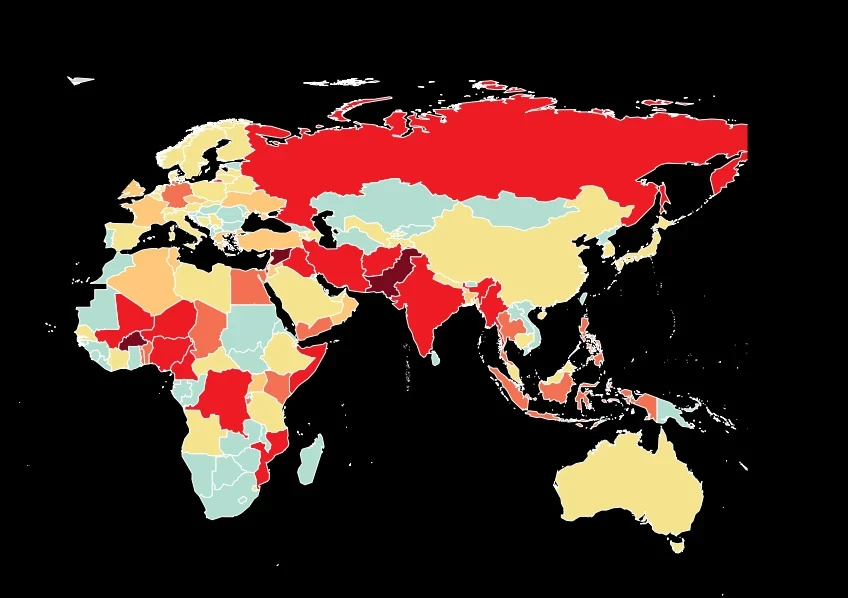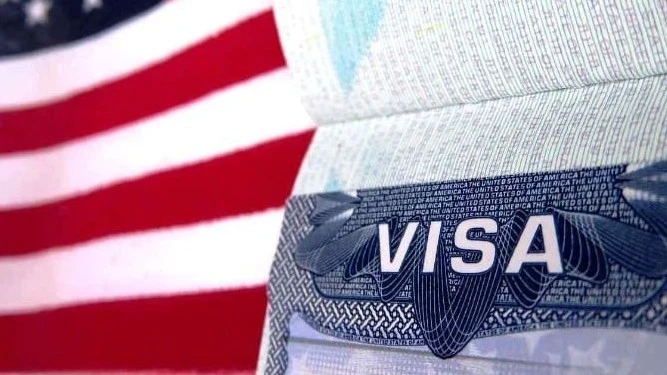
According to Fox News, among the countries for which the visa suspension has been imposed are Russia, Thailand, Egypt, Afghanistan, Brazil, Iraq, Iran, Yemen, Somalia, and Nigeria. The list of other countries has not yet been disclosed.
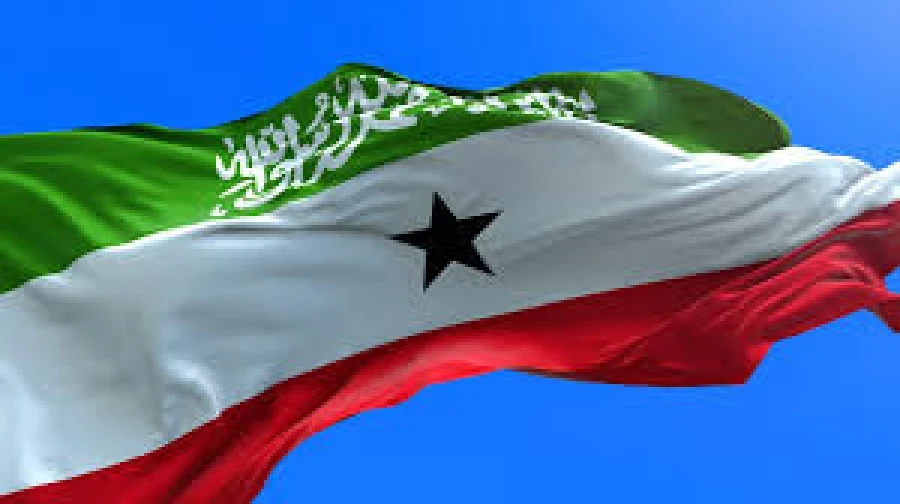
The suspension will remain in effect until the reevaluation of visa procedures is completed. Authorities have focused on Somalia due to a scandal involving fraud in Minnesota, where widespread abuses of taxpayer-funded social welfare programs were discovered. Many of the wanted individuals turned out to be Somali citizens or Somali-Americans.
In November 2025, the State Department sent a circular to its diplomatic representatives containing new rules for screening applicants based on "public charge" criteria. Now, consular staff are required to consider factors such as health, age, English language proficiency, financial situation, and the likelihood of needing long-term medical care. Elderly individuals, as well as those who have previously received government assistance or have been in institutions, may face visa denials.
State Department spokesperson Tommy Pigott stated: "We are using our authority to exclude potential immigrants who may become a 'public charge' and take advantage of the benefits of the American people." He also noted that immigration from these 75 countries will be suspended until the visa procedures are reviewed to prevent the entry of those who might receive social and government benefits.
Although the "public charge" criterion has existed for many years, its implementation has varied depending on the administration, and consular officers have traditionally been given significant discretion in applying this standard.
Exceptions to the new moratorium will be extremely limited and possible only after verifying the applicant's compliance with the "public charge" criteria. The rules adopted in 2022 under the Biden administration significantly narrowed the list of considered benefits, including only cash assistance and long-term institutional care, excluding programs such as the Supplemental Nutrition Assistance Program (SNAP), WIC, Medicaid, and housing vouchers.
Immigration and nationality legislation has long allowed consular officers to deem applicants ineligible due to receiving government assistance. However, in 2019, President Donald Trump expanded this definition by adding more types of government assistance. This expansion was challenged in court, and some aspects were ultimately blocked until the Biden administration's repeal.
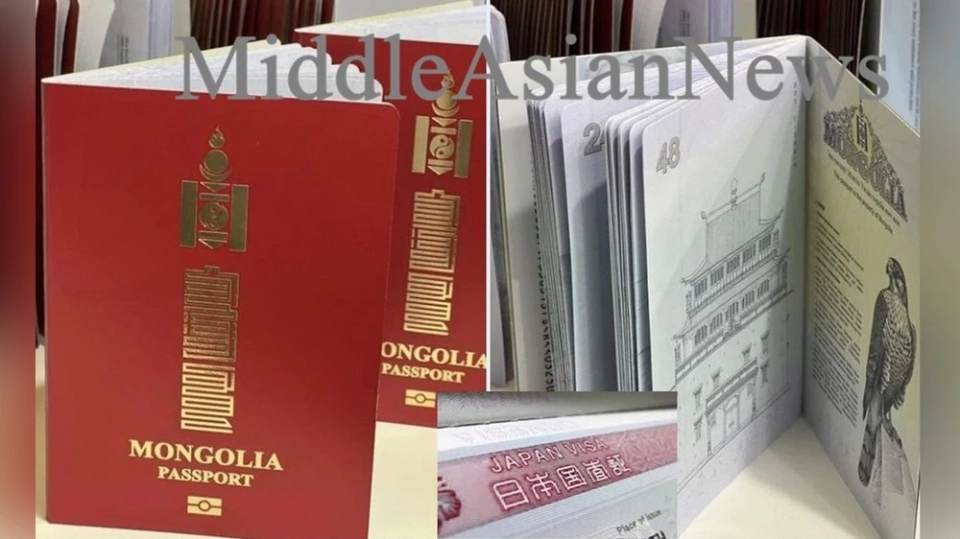
The list of countries for which the visa suspension has been imposed includes: Afghanistan, Albania, Algeria, Antigua and Barbuda, Armenia, Azerbaijan, the Bahamas, Bangladesh, Barbados, Belarus, Belize, Bhutan, Bosnia, Brazil, Myanmar, Cambodia, Cameroon, Cape Verde, Colombia, Côte d'Ivoire, Cuba, the Democratic Republic of the Congo, Dominica, Egypt, Eritrea, Ethiopia, Fiji, Gambia, Georgia, Ghana, Grenada, Guatemala, Guinea, Haiti, Iran, Iraq, Jamaica, Jordan, Kazakhstan, Kosovo, Kuwait, Kyrgyzstan, Laos, Lebanon, Liberia, Libya, North Macedonia, Moldova, Mongolia, Montenegro, Morocco, Nepal, Nicaragua, Nigeria, Pakistan, the Republic of the Congo, Russia, Rwanda, Saint Kitts and Nevis, Saint Lucia, Saint Vincent and the Grenadines, Senegal, Sierra Leone, Somalia, South Sudan, Sudan, Syria, Tanzania, Thailand, Togo, Tunisia, Uganda, Uruguay, Uzbekistan, and Yemen.