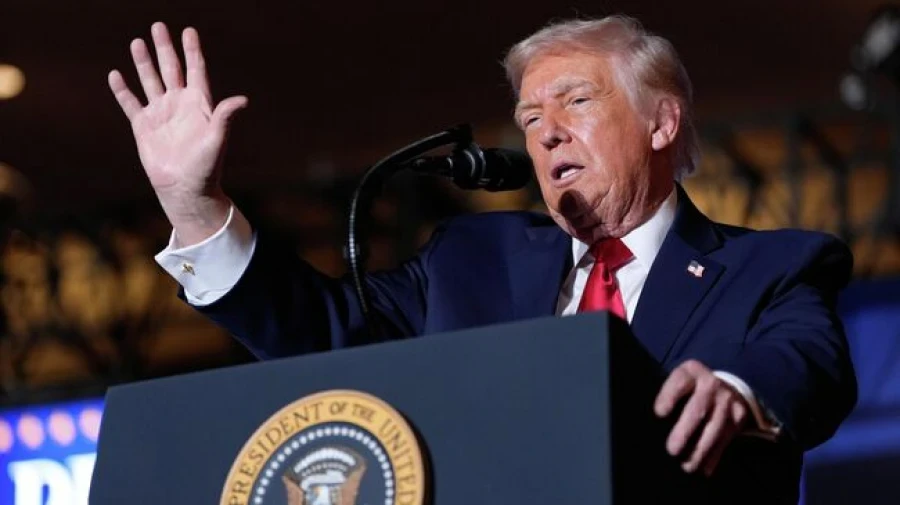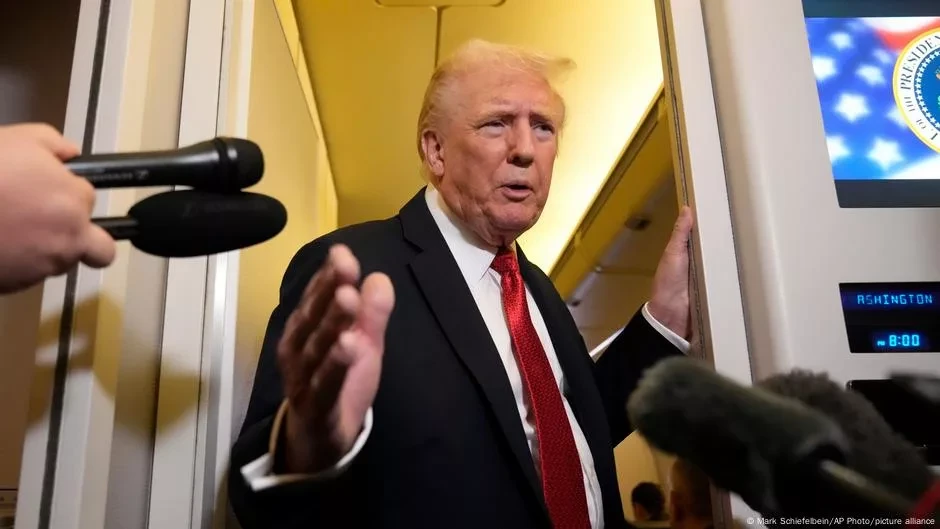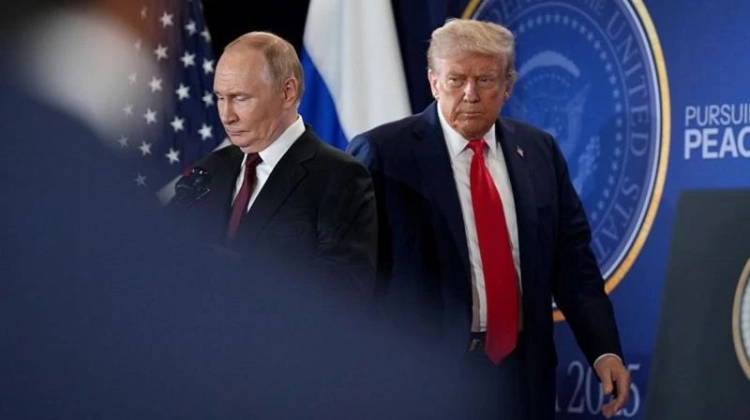
President of the United States Donald Trump announced the expansion of the list of countries whose citizens will be banned from entering the US. The corresponding document was published by the White House on December 16, and the new restrictions will take effect on January 1, 2026. This list now includes 20 countries and territories, doubling the number of states whose citizens are subject to the ban, as reported by DW.
Now, a complete entry ban will apply to citizens of Burkina Faso, Laos, Mali, Niger, Syria, Sierra Leone, and South Sudan, as well as to holders of documents issued by the Palestinian National Authority.
Partial restrictions will cover countries such as Angola, Antigua and Barbuda, Benin, Gabon, Gambia, the Dominican Republic, Zambia, Zimbabwe, Côte d'Ivoire, Malawi, Mauritania, Nigeria, Senegal, Tanzania, and Tonga.
The statement emphasizes that these measures are aimed at countries where there are serious security and information-sharing issues.
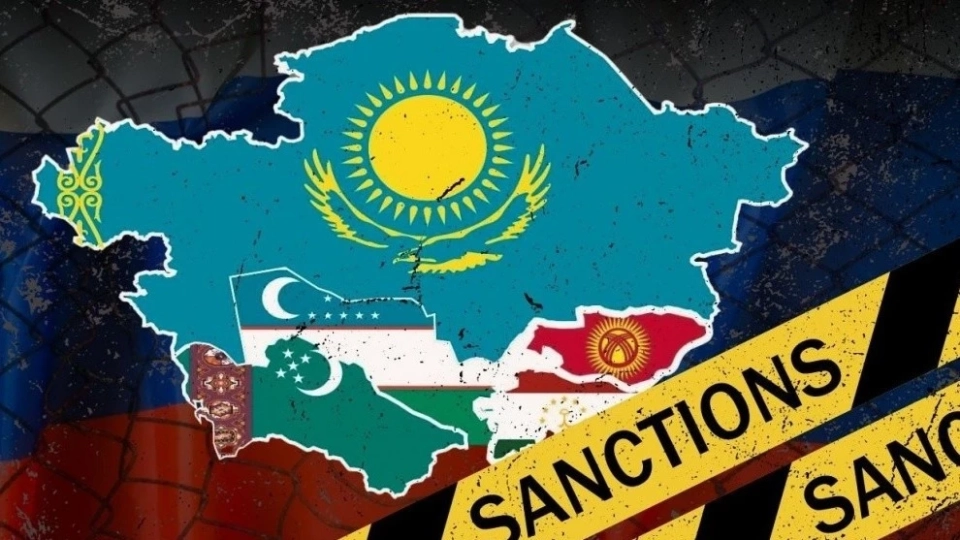
At the same time, Washington is lifting restrictions on non-immigrant visas for citizens of Turkmenistan; however, the issuance of immigrant visas remains suspended. This is due to Ashgabat's "productive engagement" with American authorities and progress in improving identification and data-sharing procedures.
Trump previously imposed a similar ban, which was lifted by Biden
During his first presidential term, Donald Trump imposed similar restrictions on citizens of Cuba, Chad, Iran, Libya, North Korea, Somalia, Sudan, Syria, Venezuela, and Yemen. These measures were lifted by Joe Biden.
Trump claimed that the restrictions he previously imposed were "extremely successful" and helped prevent terrorist acts in the US. "We will restore the entry ban and will not allow radical Islamic terrorists into our country," he added.
After his return to the White House in June 2025, Trump reintroduced entry restrictions for citizens of 19 countries. A complete ban was established for Afghanistan, Haiti, Iran, Yemen, Libya, Myanmar, Somalia, Sudan, the Republic of the Congo, Chad, Equatorial Guinea, and Eritrea, while a partial ban was imposed on citizens of Burundi, Venezuela, Cuba, Laos, Sierra Leone, Togo, and Turkmenistan.
At the same time, North Korea and Syria were not subject to either a complete or partial ban at this time.