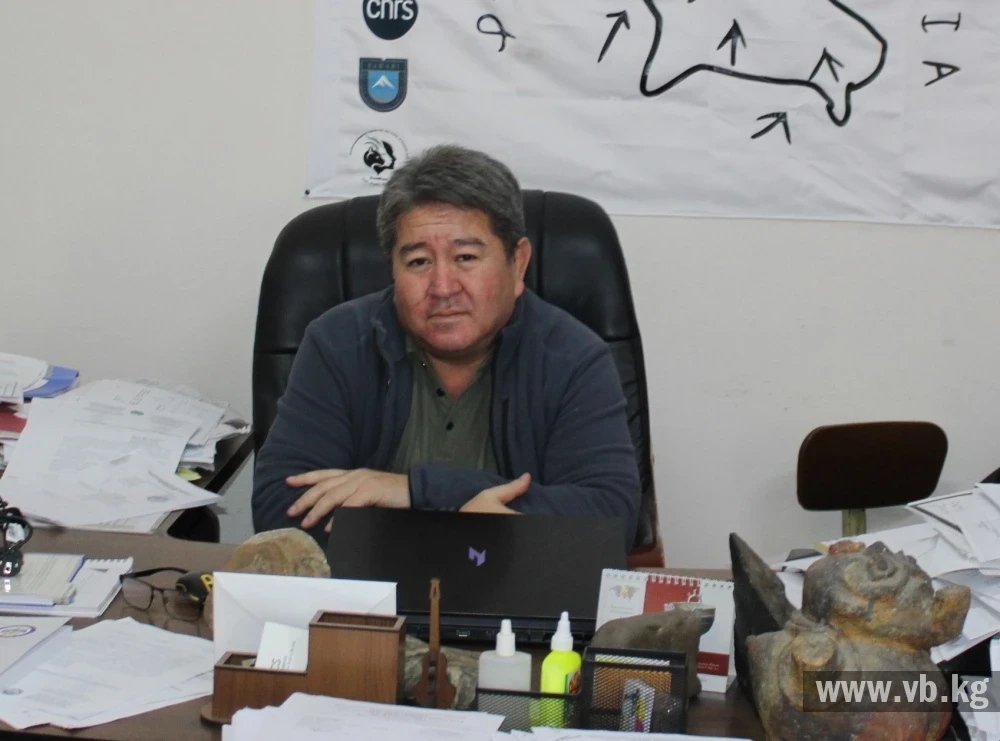
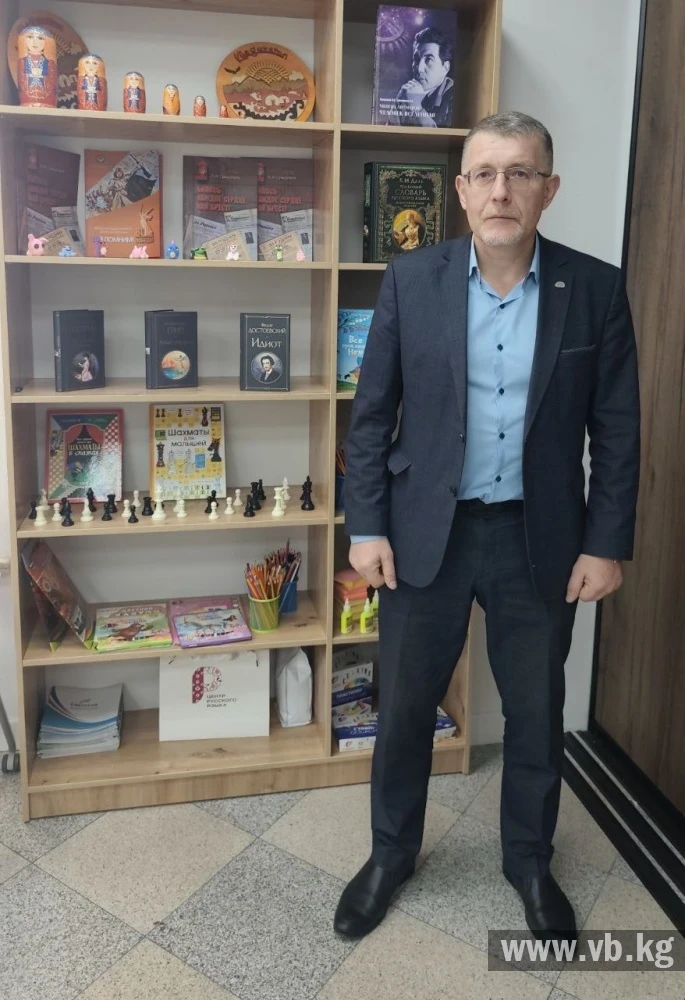
Ashirbaev noted that his enterprise receives government contracts based on direct agreements. The sewing department produces medical products such as sheets and gowns, while the furniture department creates almost all necessary furniture, except for soft furnishings.
Currently, the company employs 31 workers, 25 of whom have hearing or vision disabilities. "We train specialists using the traditional 'master-apprentice' system, as there is a lack of educators. We tried to attract volunteers, but permanent workers do not come due to low wages. They work in their own workshops and sign contracts with us. After attracting specialists, the quality of work has significantly increased. We aimed to train employees in computer literacy, but there are no specialists in educational institutions who are proficient in sign language," he shared.
According to Ashirbaev, there are no special educational institutions for children with disabilities in rural areas.
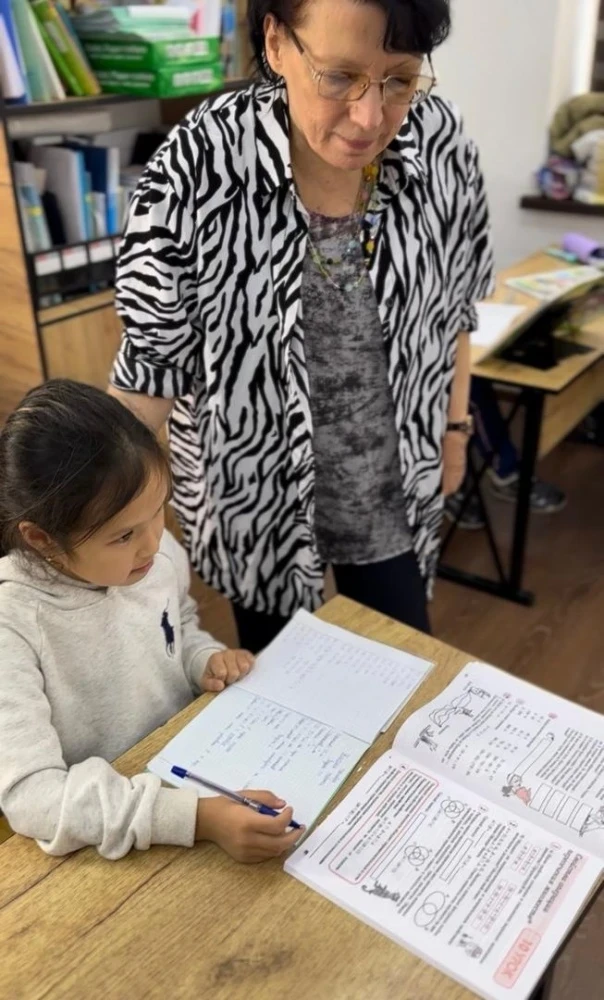
"This is especially true for children who cannot hear or speak. In the primary schools they attend, there is a shortage of teachers. When looking for a translator, it turns out that in Osh and the surrounding areas, only a few educators are capable of adequately explaining the material. In the Kara-Suu district, there is a specialized school, but it only provides education up to the 9th grade, after which children must integrate into regular society. Other schools in the city only have primary classes," he added.
The absence of specialized educational institutions also creates difficulties. It is necessary to train professionals in universities and colleges. As a result of the lack of special schools in the villages, there are children who do not receive any education at all. Among those who studied in specialized institutions and those who did not, communication difficulties arise. If the situation is not corrected, the problem will grow — the number of such individuals increases every year. We wanted to expand job opportunities, but there were issues with land: our plot of 14 acres was unexpectedly transferred to the Kyrgyz-Uzbek University. This issue is currently being resolved," Ashirbaev reported.
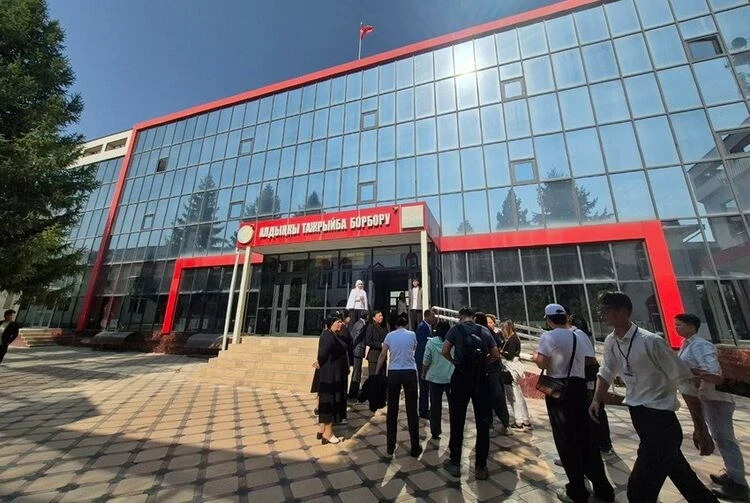
In the dormitory of the Society for the Blind and Deaf, there had been no heating system for over 30 years, but it was installed this year. "Currently, about 20 of our employees need housing. The dormitory has only 13 rooms. The volume of orders this year reached 12 million soms. If orders increase, we can raise their volume to 40 million. Salaries vary depending on the amount of work done — from 2,500 to 100,000 soms," he noted.
According to available data, the enterprise was founded in 1955. Until 1995, it was under state control, after which it transitioned to self-sufficiency. Currently, there are 11 enterprises for people with hearing and vision impairments operating in Kyrgyzstan.