Modern medical research has shown that many women with disabilities successfully carry and give birth to children. However, the task of society is to create conditions that promote safe motherhood and social support. What is the situation regarding the reproductive rights of women with disabilities in Kyrgyzstan?
The legislation of Kyrgyzstan establishes the right of all citizens, including women with disabilities, to protection of sexual and reproductive health. Nevertheless, as indicated by the authors of the study "Gender and Inclusive Development in Kyrgyzstan: Challenges and Recommendations," in practice, these rights often remain unclaimed.
The Story of Gulmayram: Motherhood Against All Odds
Among women with disabilities, there are many successful examples of motherhood. One such example is Gulmayram Alymbek kyzy, who lives with a rare condition – osteogenesis imperfecta, or increased bone fragility. Her husband also has a second-degree disability due to chronic osteomyelitis. Gulmayram shared her story with Kaktus.media, recounting the difficulties she faced.When Gulmayram learned of her pregnancy, she felt fear and doubt. "Doctors simply refused to help me, saying, 'Why do you need this? You are like this yourself,'" she recalls. In 2018, when she became pregnant for the first time, doctors strongly recommended that she terminate the pregnancy.
At first, Gulmayram decided to consult a private doctor. "She looked at me and immediately said, 'You are already four weeks pregnant. You need to have an abortion urgently,'" Gulmayram remembers. Her husband was happy to learn about the pregnancy, but the doctor only spoke about termination.
After that, Gulmayram decided to look for another doctor. She returned to the clinic, where she was again told that she would not be able to give birth and was advised to have an abortion. "I was silent, and the doctor called my husband and told him that I would not be able to give birth," she continued.
The couple decided to attend a consultation with several doctors present. "Everyone said that they would not recommend me getting pregnant," Gulmayram says. In the end, she did not sign the consent for the abortion and left, crying with her husband.
A professor who later examined Gulmayram informed her that they had no experience working with patients like her. However, the woman insisted on her decision, and the doctor began to monitor her pregnancy.
Over time, she managed to undergo the necessary examinations, and at each stage, she prayed for everything to go well. "The ultrasound confirmed the heartbeat, and I felt relief," she says.
Eventually, Gulmayram gave birth to a healthy girl via cesarean section, despite all the obstacles and fears.
Ukey Muratalieva, an activist and head of the public fund "Nazik Kyz," supports women with disabilities who face similar difficulties. She noted that women often turn to her organization in search of doctors willing to provide support, as many of them encounter bias and reluctance from doctors to help.
"Some women, seeking a more friendly attitude, choose private clinics not because of financial capabilities, but out of a desire for humane treatment," emphasizes Muratalieva. The study also indicates that some women with disabilities may experience difficulties when consulting doctors due to lack of access to medical facilities and rude treatment from medical staff.
According to Muratalieva, it is important for doctors to see women with disabilities not just as patients, but as women with rights and desires.
"The stereotypes that women with disabilities encounter can become a serious barrier, and they need to be overcome," the activist emphasizes.
Ministry of Health: Position
Raissa Asylbasheva, the chief specialist of the Ministry of Health, noted in an interview with Kaktus.media that there are no legal restrictions for women with disabilities in the field of reproductive health. They may only face limitations in cases of serious medical indications."All maternity hospitals are ready to accept such patients and provide the necessary services. We do not categorize people. It is important for doctors to make decisions based on the health status of women, not their disabilities," Asylbasheva added.
General Problem
Stereotypes about women with disabilities are not only a medical issue but a societal one. "A woman with a disability who decides to become a mother faces enormous responsibility and biased attitudes," notes Muratalieva.Many women with disabilities may abandon the idea of becoming mothers due to societal pressure and fear of judgment.
"Despite equal rights to reproductive health, society often discriminates against women with disabilities," the study conducted as part of the assessment of the needs of women with disabilities emphasizes.
It showed that the rights and dignity of women with disabilities are often ignored at the family and community levels.
According to the study:
- 26% of surveyed women cannot make decisions about leaving the house independently;
- more than a third do not consider themselves entitled to make decisions about their romantic and sexual relationships;
- 23% cannot decide about marriage, 22% about divorce, and 21% about fertility.
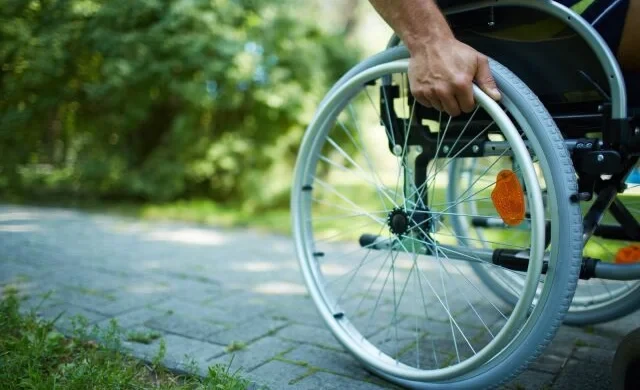
Photo on the main page is illustrative: stock.adobe.com, pngwing.com.