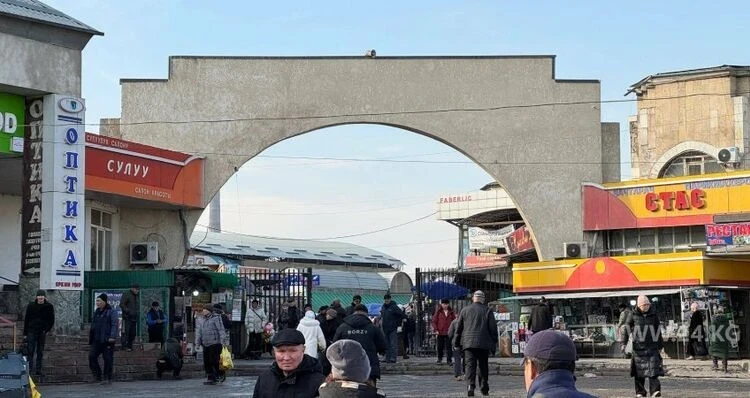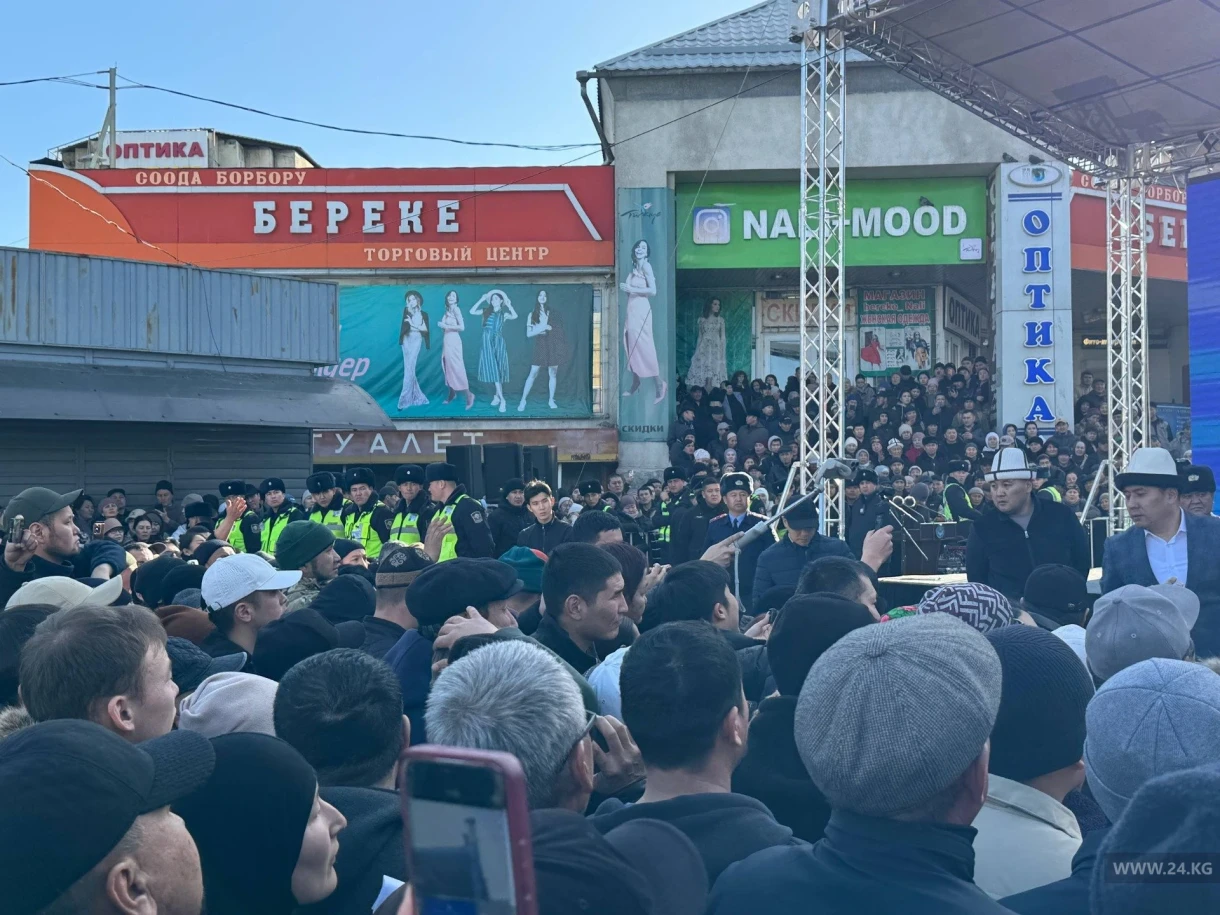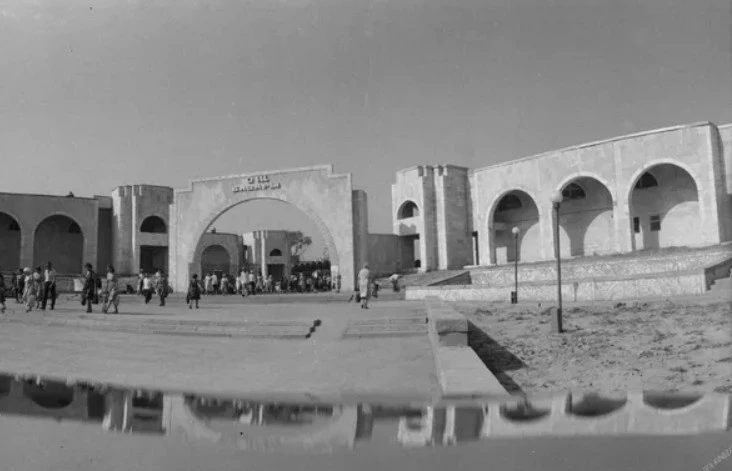
Against the backdrop of discussions about the possible relocation of the Osh Bazaar during the summer and the creation of a park zone in its place, residents of Bishkek are expressing alternative proposals for the development of this area. According to the citizens, instead of demolishing the shopping complex, it would be more sensible to preserve its architectural foundation and utilize the existing potential to create a landmark urban location.
It is noted that the Osh market has a particularly valuable historical part that needs not destruction, but comprehensive restoration. Residents propose to implement strict trading regulations and focus on the development of food services — cafes, restaurants, and street gastronomy. Among the ideas are also proposals to set up traditional street tandyrs, create thoughtful night lighting, and install aesthetic roofing capable of protecting visitors from summer heat and winter precipitation.
Moreover, the citizens consider it important to anticipate spaces for street musicians and artists in advance, while the remaining part of the area should be improved, transforming it into green park zones for relaxation and walks. Supporters of this concept believe that such a format could make the Osh Bazaar one of the key attractions for residents of the capital and tourists. As an additional element of development, the placement of small boutique hotels with a few rooms, seamlessly integrated into the existing architectural environment, is being considered.
As residents note, this approach would create a space where people could not only shop but also spend time enjoying the atmosphere, architecture, and quality urban environment. In their opinion, such a concept would be more effective and in demand than creating another standard park, the implementation of which in Bishkek often raises questions among the citizens. It is emphasized that it is much easier to destroy a site with historical and architectural value than to transform it into a thoughtful, functional, and economically viable space.
It should be noted that similar solutions are widely applied in global urban development practices. In China, for example, historical architectural objects, including market districts, are generally not demolished but go through a restoration phase and subsequently become important tourist attractions. A similar approach has been implemented in Turkey, where ancient markets are not only preserved but also serve as a hallmark of cities and a significant source of income for local budgets.
According to many residents of Bishkek, the formation of an authentic district with strict landscaping rules and preservation of the historical appearance would bring significantly more benefits to the capital than the creation of yet another standard park.