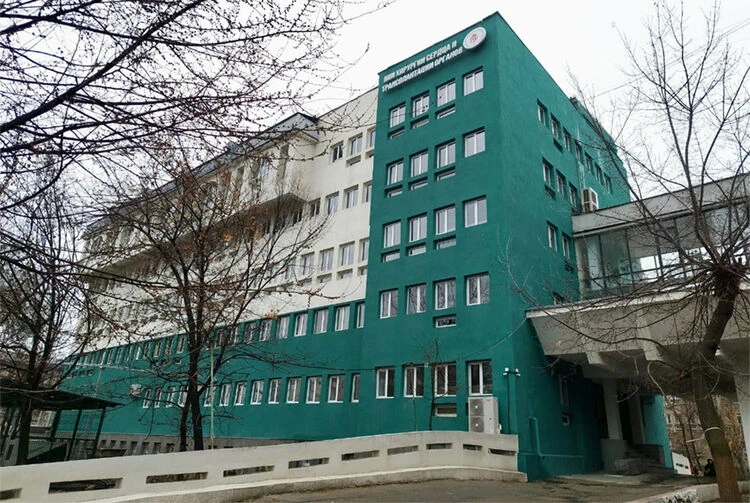
Since February 2025, the Scientific Research Institute of Heart Surgery and Organ Transplantation (NIIHSiTO) has been operating under challenging conditions. Following a fire, its departments temporarily relocated to the Republican Diagnostic Center (RDC) and the National Hospital. Currently, renovation work is nearing completion, and doctors are preparing to return to their home premises.
Renovation: Almost Completed
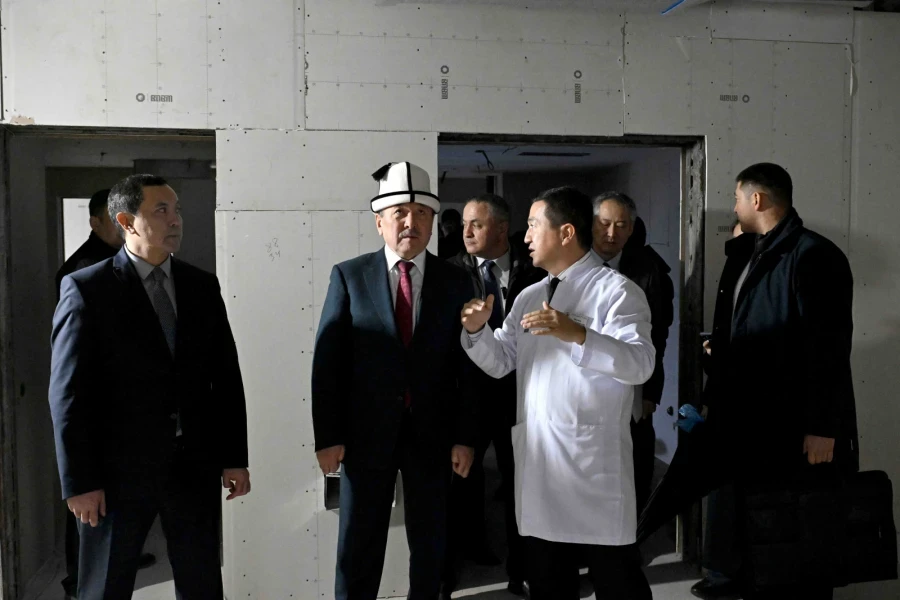
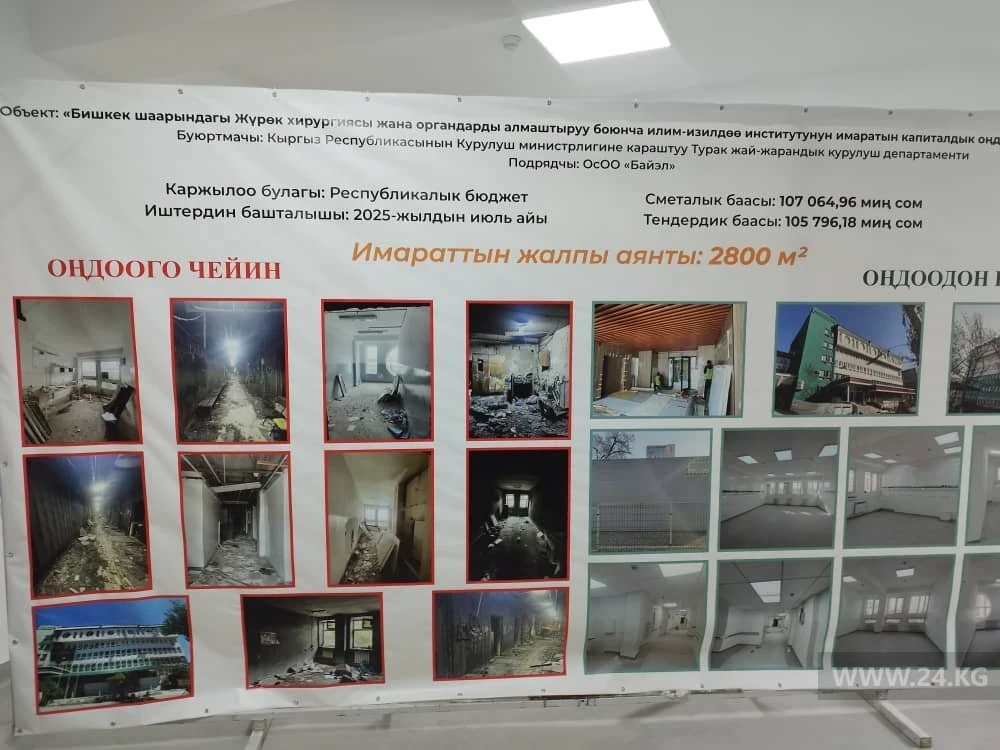
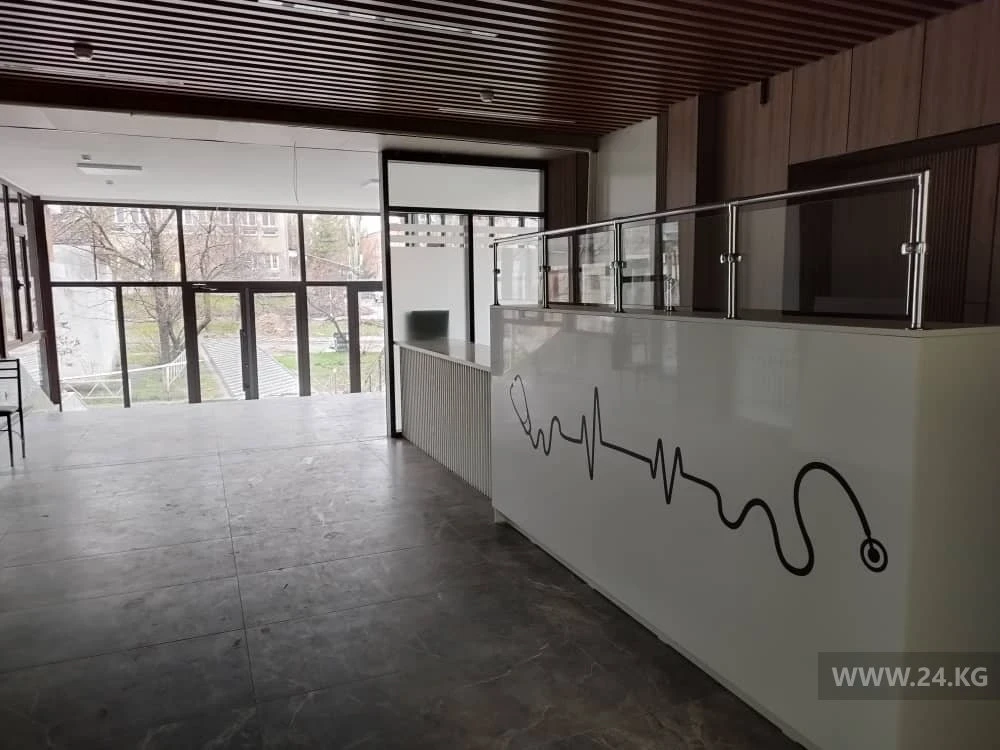
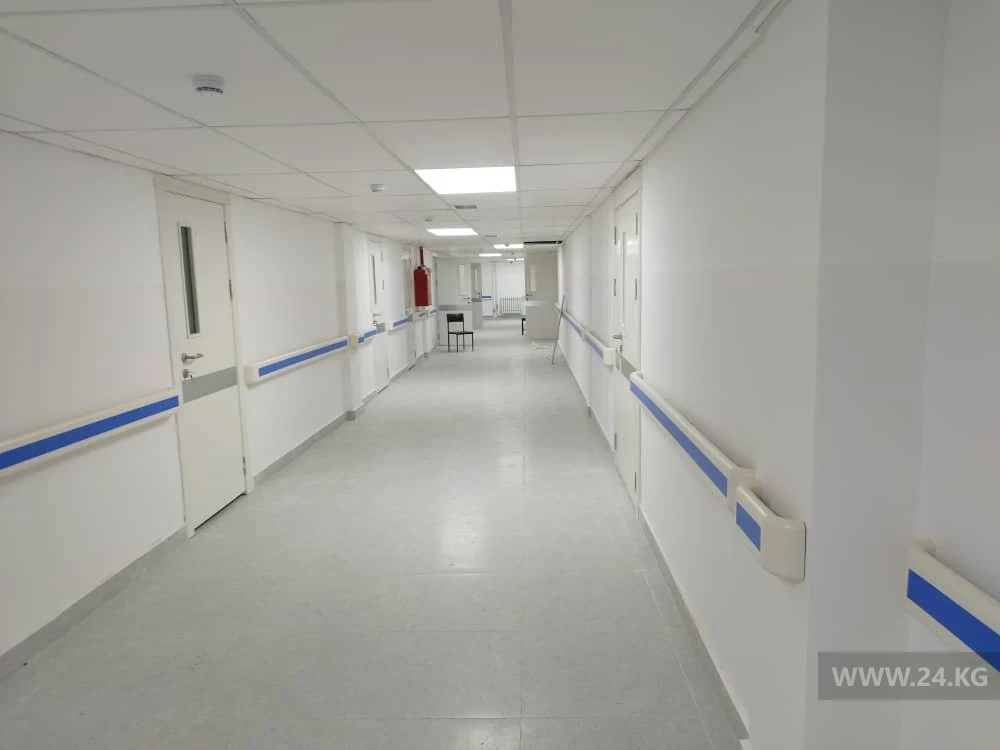
The tender announced in June 2025 for the renovation of NIIHSiTO allocated over 107 million soms, with the work commencing in July.During the renovation, heating and communication systems were updated, new electrical cables were installed, and sanitary facilities were repaired. The laboratories received new tiles, and new windows, doors, and fire alarms were installed.
The renovation work affected all floors of the building except the second, which suffered the least damage from the fire. Against the backdrop of the renovated corridors, the old marble in the stairwells will be polished and preserved.
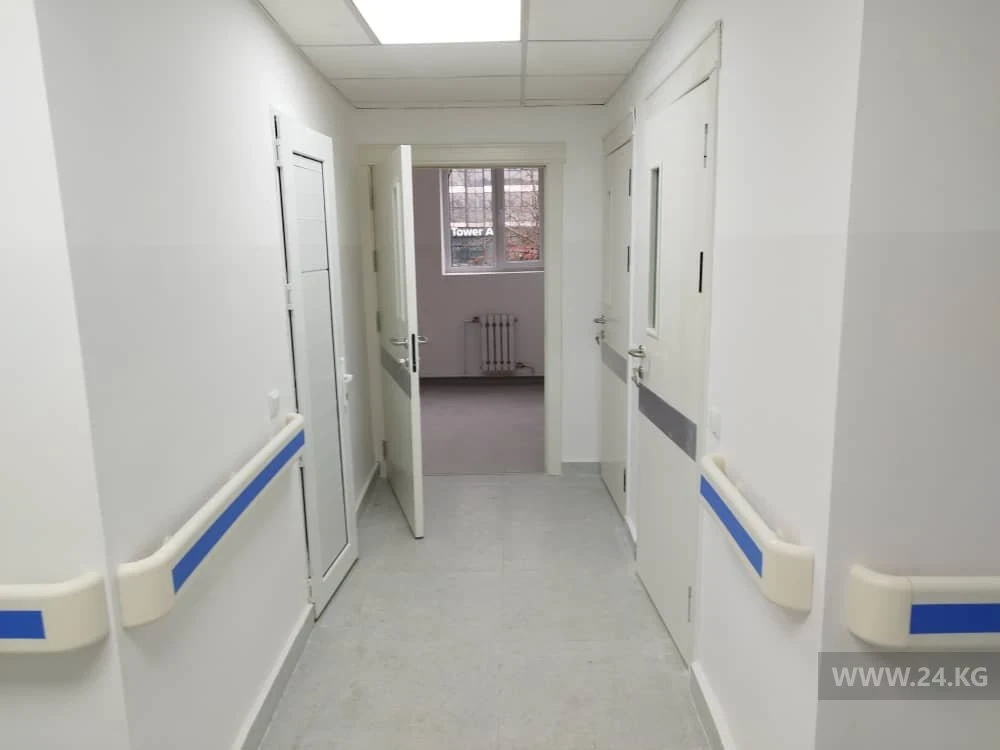
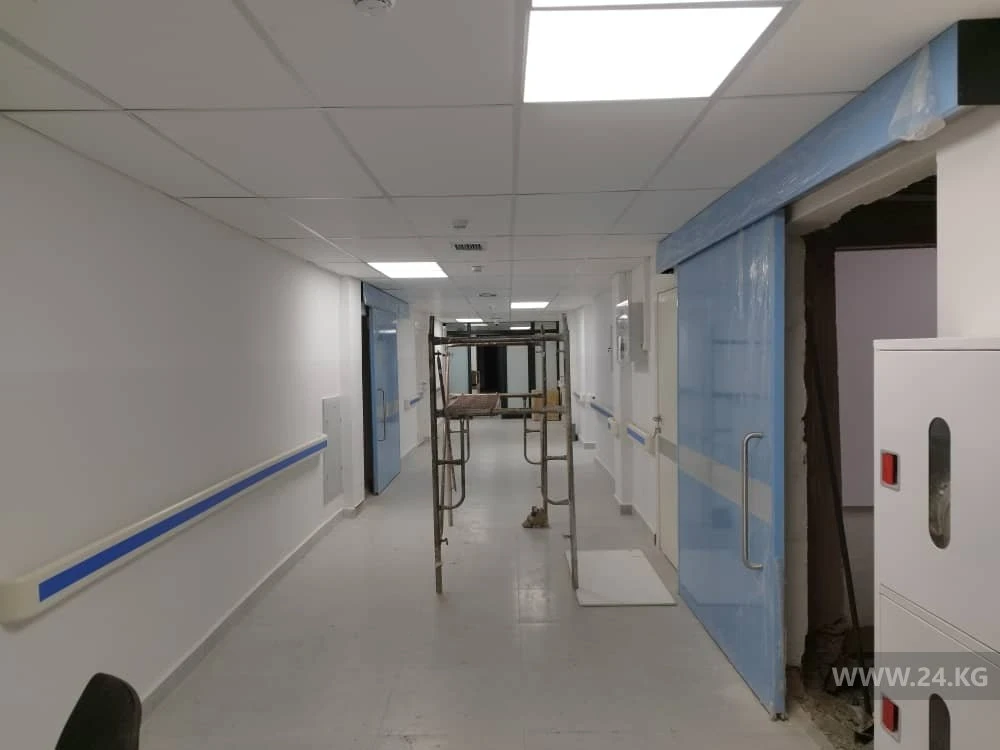
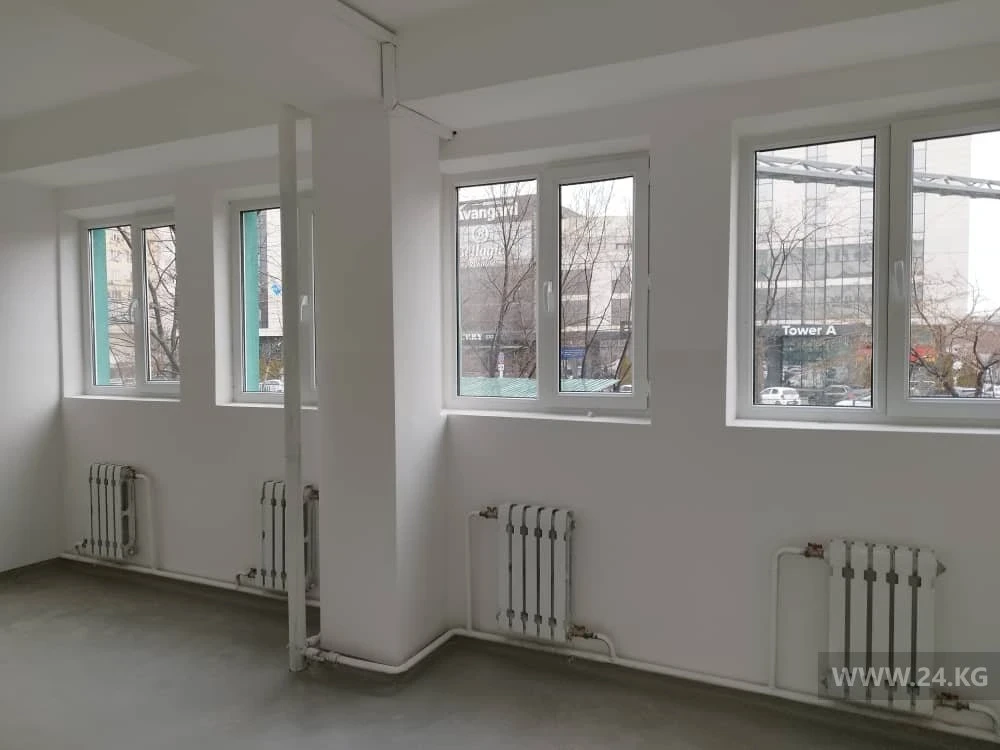
A computed tomography scanner will be installed in the basement, two angiographs will be placed on the first floor, and the third floor will house the adult cardiac surgery department. The fourth floor will be occupied by intensive care units and an express laboratory, while the operating block will be located on the fifth floor.
After processing all surfaces and quartz disinfection of the wards, specialists will conduct sterility control. The relocation to the new building is expected to take place around the end of next week, although deadlines have already shifted several times.
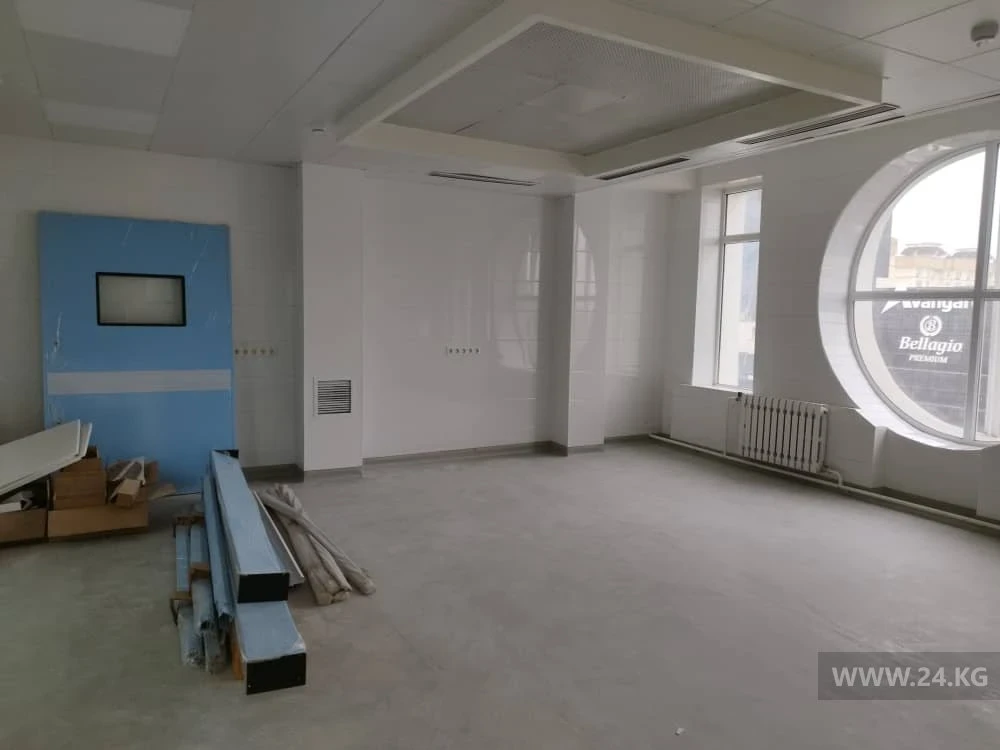
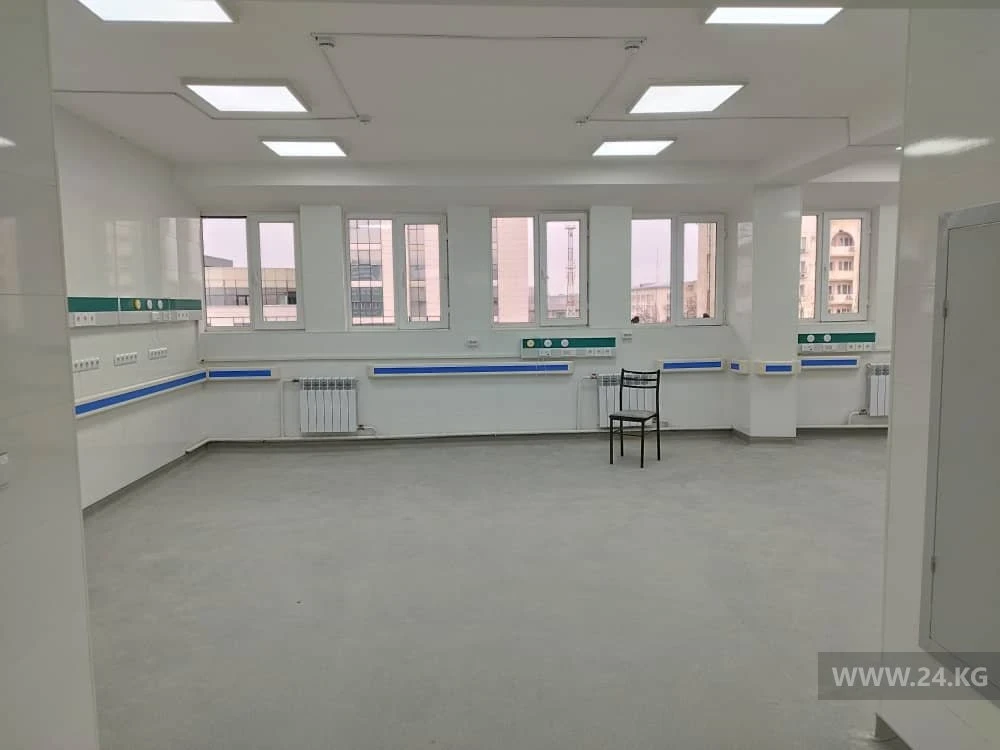
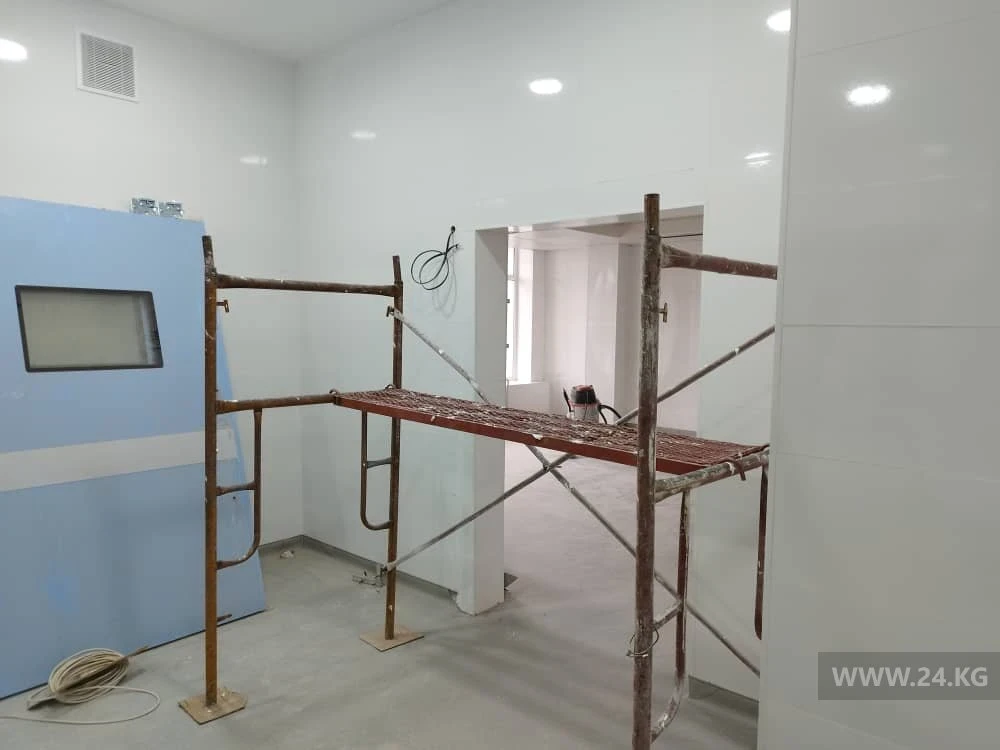
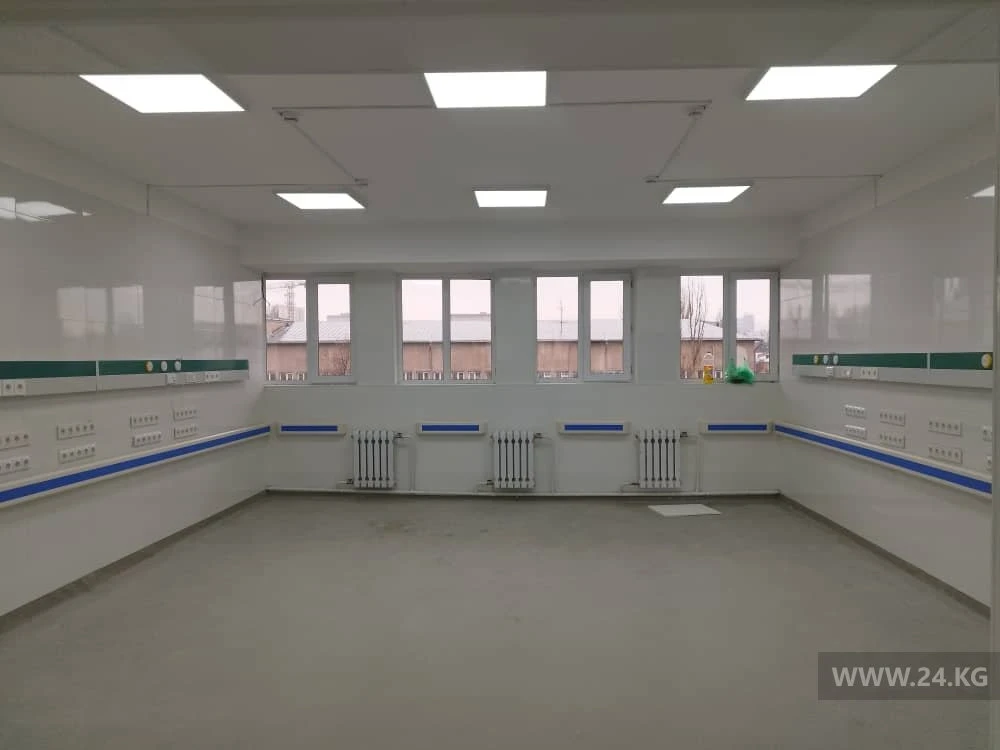
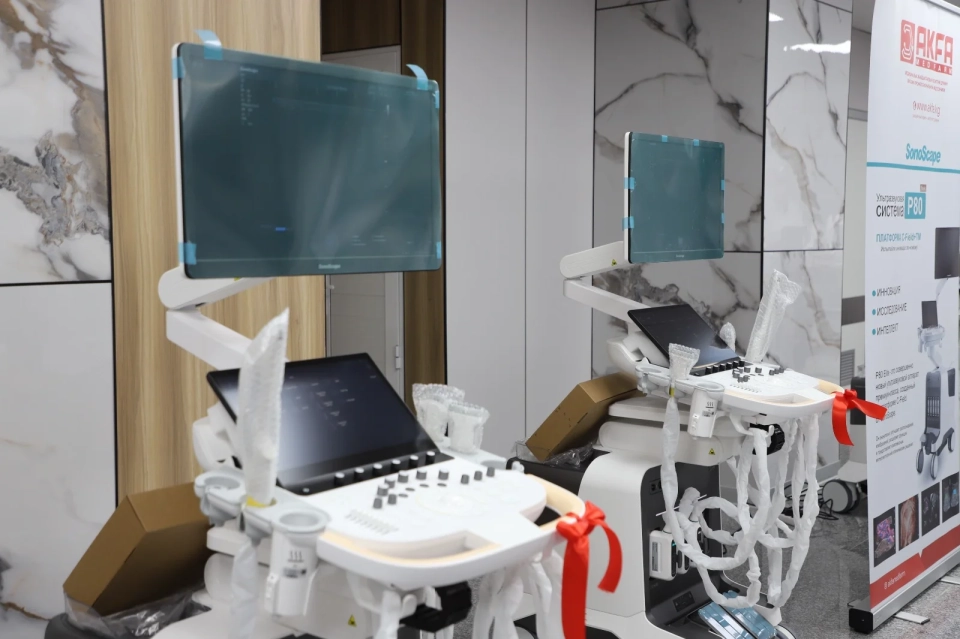
As part of the new equipment, the cabinet allocated almost 256 million soms to NIIHSiTO. The new director of the institute, Jalil Sheishenov, reported that over 70 percent of the new equipment is already ready for delivery. As soon as permission is obtained from the sanitary and epidemiological station, its delivery will begin.
Improvement of Ventilation and Equipment
As reported by 24.kg, previously ventilation was only available in the operating block, but now it has been installed on all floors and in the wards.This system prevents airborne infections and ensures the supply of fresh air.
Climate control in the operating room will maintain sterile conditions through a laminar flow of sterile air. This minimizes the risk of infections, which is especially important for surgery.
Previously, the institute had only one angiograph, which was the cause of the fire last year. Now, plans are in place to install two new machines, one of which will be delivered in 2026 through a grant from Japan, which is also funding the purchase of a new CT scanner.
Growing Demand for Cardiac Surgery
In Kyrgyzstan, over 2,000 newborns each year have congenital heart defects, and about half of them do not survive to their first birthday due to a lack of necessary medical interventions.The causes of such defects can vary: from the health of the parents to environmental factors and the quality of nutrition.
Cardiovascular diseases lead to more than 16,000 deaths annually in the country, which is twice the global average.
NIIHSiTO remains the only institution in the republic where heart surgeries for various congenital defects are performed. In 2025, despite the challenges of relocation, 400 open surgeries were conducted.
In 2026, this number is expected to increase to 800-1,000 surgeries.
For example, in February, more than 50 open-heart surgeries were performed. Doctors from the institute also conducted about 20 consultations in maternity hospitals and perinatal centers. Attention is paid to modern treatment methods, including surgeries for patients with severe pathologies, including newborns.
Jalil Sheishenov notes that the state of pediatric cardiac surgery in Kyrgyzstan requires improvement. Given the high demand, it is necessary to develop this field not only in the institute but also in the regions.
According to him, "pediatric cardiac surgery requires a team approach." However, there is a shortage of cardiologists both locally and in Bishkek. The solution to this problem may be found through cooperation with foreign colleagues and state support programs.
On the topic Why do children die on the operating table? Serious problems in cardiac surgery
NIIHSiTO is actively engaged in the professional development of specialists. Surgeons and anesthesiologists have undergone training in clinics in Seoul, and recently two employees returned from Tashkent after upgrading their qualifications in a Korean clinic.
A memorandum is also planned to be signed with institutions from countries where pediatric cardiac surgery is successfully developed, including Belarus.
“It is better to invite specialists for master classes than to send our doctors abroad. This will allow them to see our conditions and capabilities,” said Jalil Sheishenov.
Thanks to the financial autonomy that will be granted to NIIHSiTO as one of 20 state organizations, it will be possible to increase the budget for training specialists.
Increase in the Cost of Cardiac Surgery Services
The introduction of autonomy in operating hospitals will lead to an increase in prices for paid services, including surgeries.As Jalil Sheishenov explained, surgeries at NIIHSiTO are divided into six categories of complexity.
“In neighboring countries, each surgery has its own tariff, and we have received instructions from the Ministry of Health on how to formulate them. In any case, our prices will be significantly lower than in private clinics, which will allow us to increase the institute's budget and improve the quality of services provided,” he added.
On the topic Heart diseases. Will high-tech cardiac surgery become more accessible in the KR
Nevertheless, the mortality rate will remain high, as many patients arrive in critical condition. In 2025, the mortality rate at NIIHSiTO was 10-12 percent.
“It is important to understand that the results of a cardiac surgery clinic should be assessed considering the condition of patients upon admission. For example, how first aid was provided to the child in the maternity hospital and whether conditions were met during transportation to the operating site. All of this affects the success of the surgery in 70% of cases,” he added.
Prospects for Organ Transplantation
The name NIIHSiTO implies the possibility of organ transplantation, and in the past, kidney transplant surgeries were performed here.“When the institute was established, this was one of the strategic tasks, and given the level of specialists, we can develop this area. With the support of the Ministry of Health, we plan not only kidney transplants but also heart transplants in the future,” noted Jalil Sheishenov.
The heart transplant program is actively developing in neighboring countries, and Sheishenov himself has experience in this field in Kazakhstan.
“Every day we observe patients in need of a donor heart. We plan to launch an LVAD program (installation of a mechanical heart until a donor is found) and have discussed its implementation with our colleagues. The issue of organ donation needs to be resolved at the legislative level, considering our cultural and religious specifics. I am confident that posthumous donation will significantly aid the development of transplantation,” he concluded.