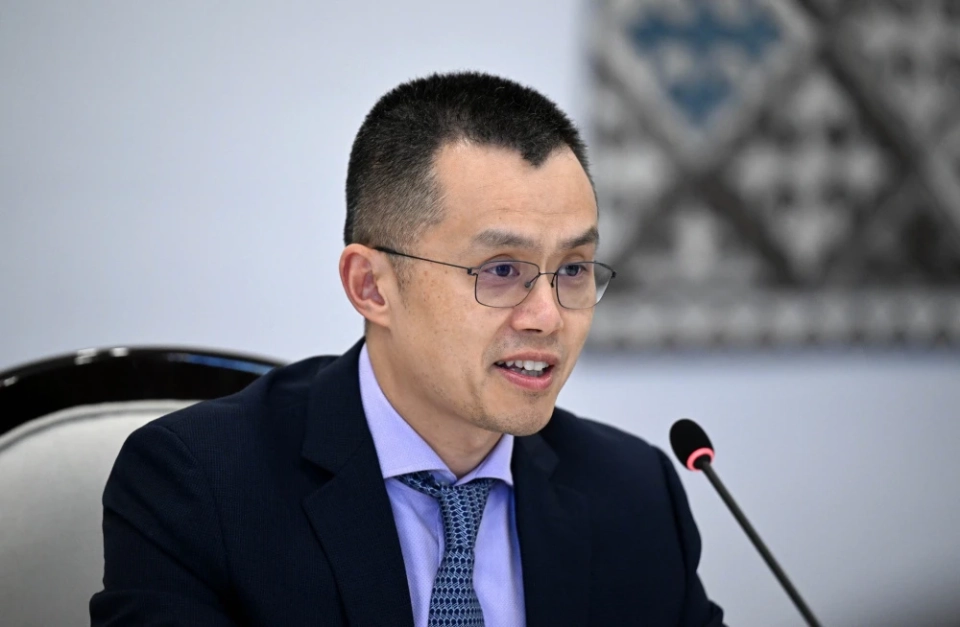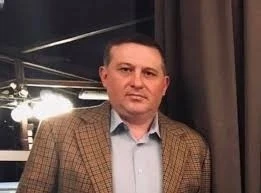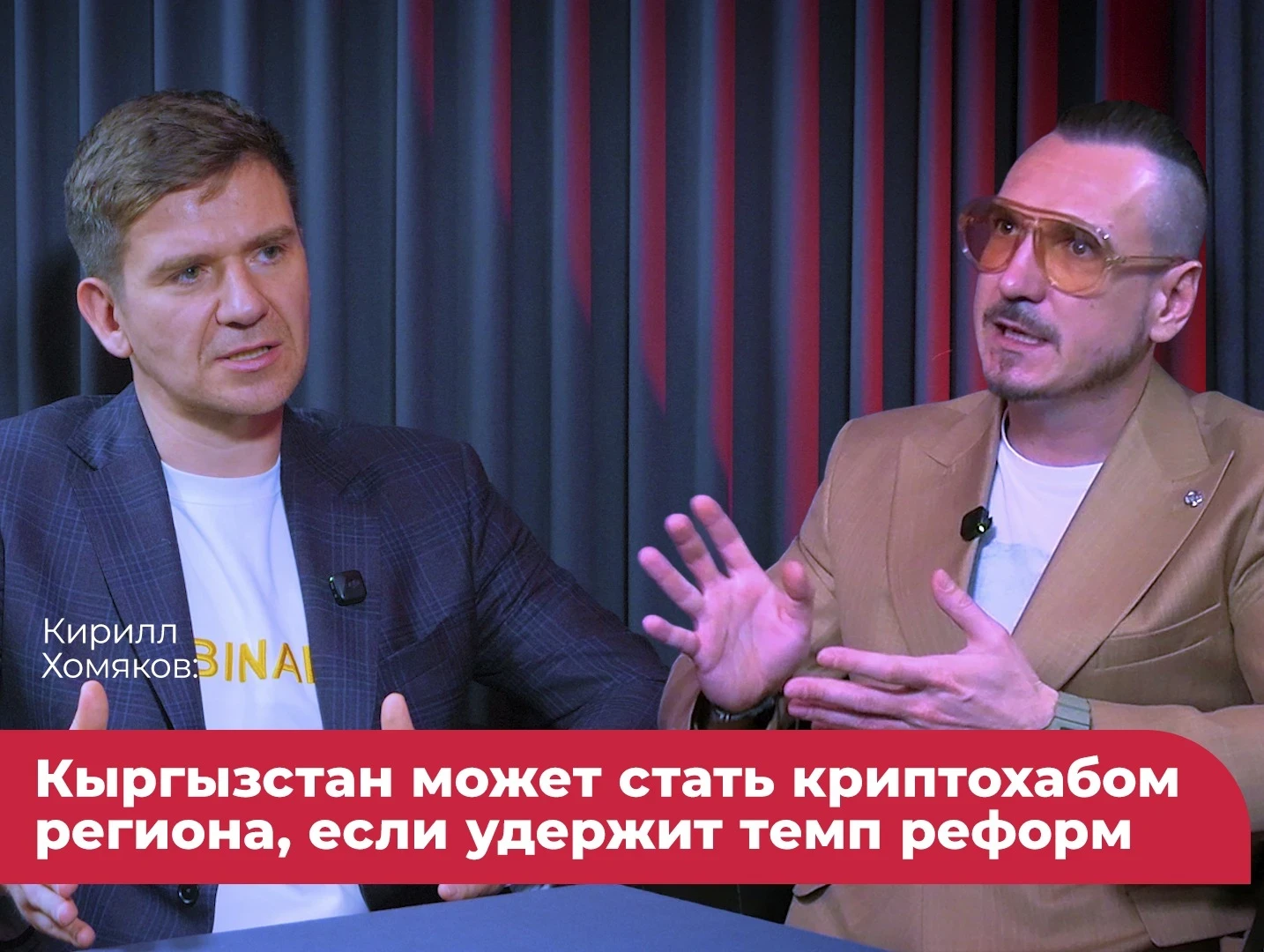
Kirill Khomyakov, the regional director of Binance for Central and Eastern Europe, as well as Central Asia and Africa, discussed in an exclusive interview with 24.kg why Kyrgyzstan has become a priority for the company, what cryptocurrencies are in simple terms, how beginners can avoid fraud, and why the country needs a digital som.
Photo 24.kg
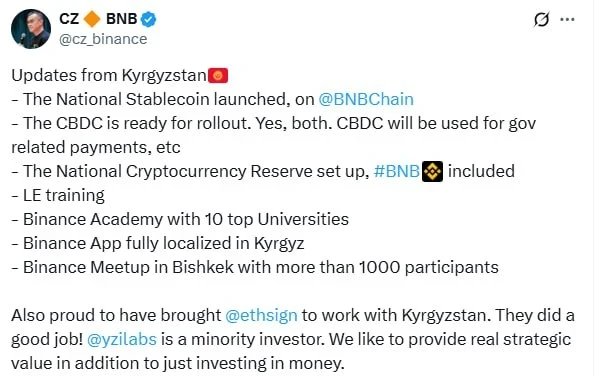
Information from 24.kg
Binance is the world's largest ecosystem for working with cryptocurrencies and an international trading platform founded by Changpeng Zhao (CZ) in 2017. It provides services for buying, selling, and storing digital assets, as well as developing technologies for digital payments, blockchain, and Web3 infrastructure. The platform covers over 100 countries and serves tens of millions of customers.
— What is cryptocurrency, explain in simple terms.
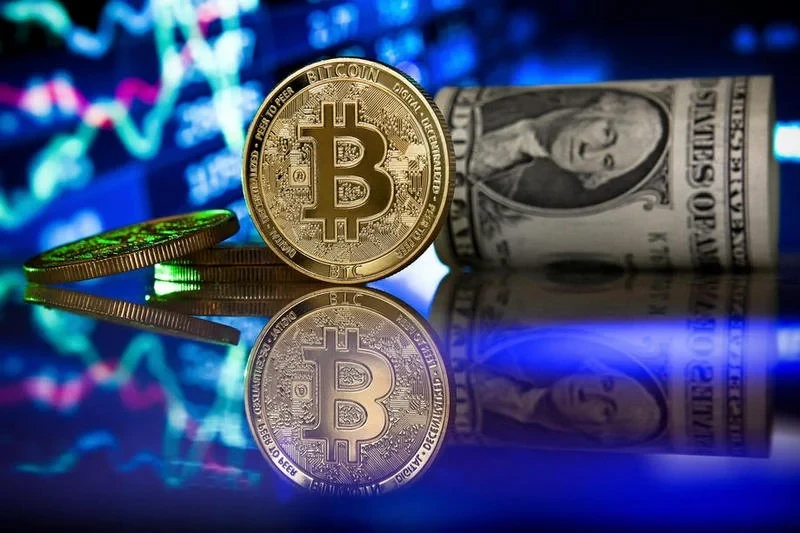
— Cryptocurrency is a virtual asset that operates on blockchain technology. In general, they can be divided into three main categories.
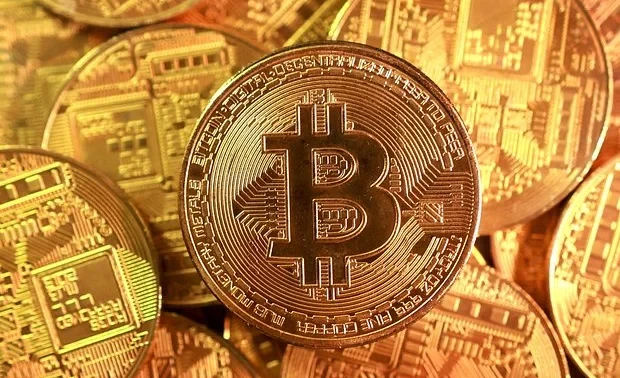
The first category is Bitcoin. It represents a unique class: a completely decentralized asset that belongs to no one and is the largest in the world.
The second category is altcoins, which include all other tokens. They can be created by both individuals and companies and can be either centralized or decentralized. Some of them have practical applications, while others are created for entertainment. Hundreds of new tokens appear every day, but only a few remain in the market.
The third category is stablecoins, which are pegged to national currencies such as the dollar or euro. Their value does not fluctuate as much as Bitcoin's because they are backed by a specific currency. One could say that this is a digital version of money that is held in a bank.
— Why do you consider Kyrgyzstan important for Binance?
— Kyrgyzstan may seem small in terms of population and economy, but its importance to us is defined not only by the size of the market.
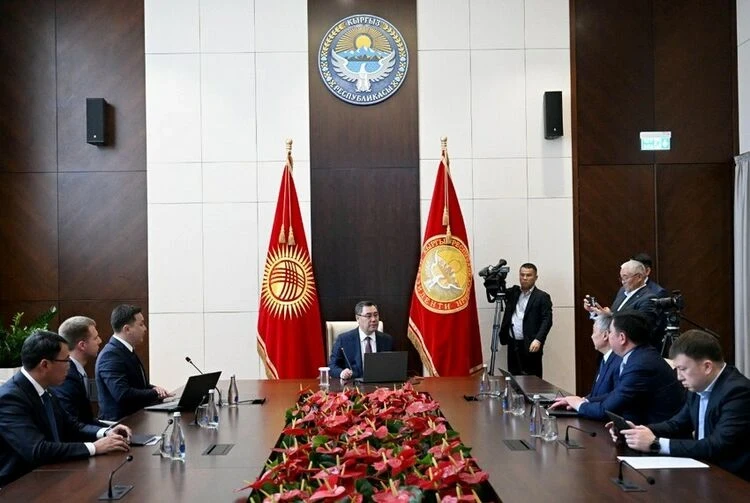
The country is one of the most active and progressive examples in terms of adopting and supporting blockchain technologies at the state level.
There are countries that completely block cryptocurrencies, others regulate them, and some are just preparing for changes. Kyrgyzstan has already come a long way: regulatory measures are being implemented, new rules are being developed, and infrastructure is improving.
We note the support from the government leadership, the work of the National Council under the President, the presence of a regulatory framework, and clear conditions for market participants: users, businesses, banks, and payment companies. When government structures recognize and regulate new technology, it bears fruit.
— How can an ordinary person in Kyrgyzstan earn money from cryptocurrency?
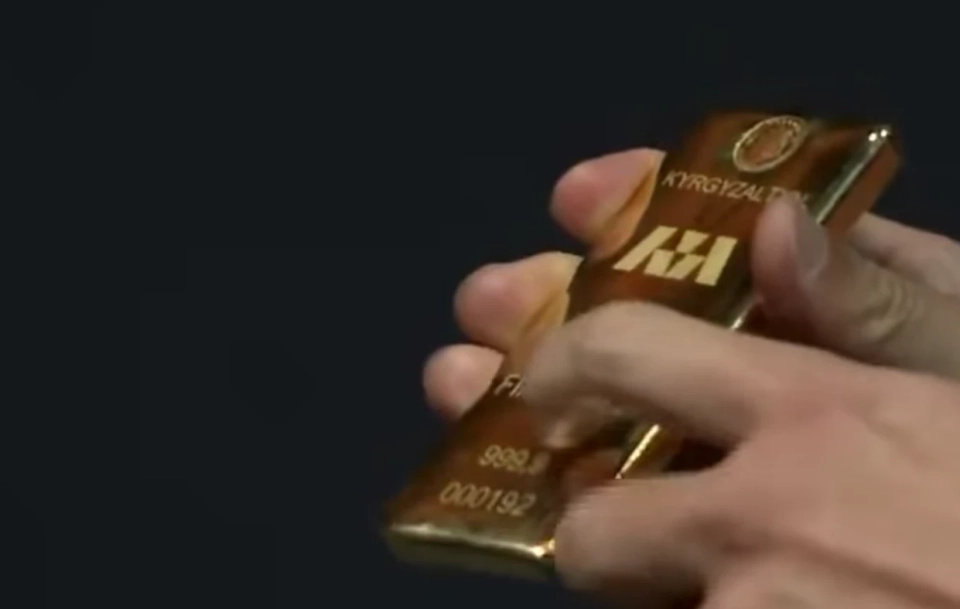
— This is a matter of education. Crypto assets are just as much a tool for capital management as gold, currencies, stocks, or bonds, but with certain specifics.
Since the industry is still young and the market volume is lower than that of traditional assets, there is high volatility: today +5%, tomorrow -10%, the day after tomorrow +20%. This creates opportunities for high returns, but also high risks.
I recommend beginners to start with small amounts, gradually increasing their knowledge and trying different strategies. We have a free Binance Academy — a vast library of educational materials. For Kyrgyzstan, we have translated over 100 basic materials into Kyrgyz. You can learn completely for free, and you do not have to be a user of the platform.
— Who should try their hand at cryptocurrency, and who should not?
— We do not have strict restrictions on users. But there are basic conditions: a person must be of legal age and go through standard identification, just like in a bank.
Most users in Kyrgyzstan are aged 18 to 35. However, crypto assets can be used not only for trading but also for storage, payments, and cross-border transfers. It all depends on the goals.
— How do you assess the competitiveness of crypto assets compared to gold and stocks as an investment?
— If we look at the long-term horizon, starting from the moment Bitcoin appeared, it has proven to be one of the most successful assets in history. Many people feel that they are late to the game, and we call this FOMO — fear of missing out. However, the industry is still in its early stages of development.
Yes, sometimes gold can grow faster over short periods, but in the long term, the levels of returns differ significantly.
If a person does not plan to become a daily trader, a reasonable strategy is to buy a quality asset and hold it for the long term, accepting volatility as part of the process.
— Which coins do you consider the most reliable for beginners?
— I will not name specific projects, as this is always subjective. However, there is a universal rule: DYOR — do your own research.
Spend 20–30 minutes to understand what you are about to buy:
- familiarize yourself with the project's website;
- study the team (if there is no team — that’s a red flag);
- understand the business model: how the project generates income and where its application lies;
- evaluate the community, activity, investors, and openness of the project.
These simple steps will help significantly reduce the risk of falling into fraudulent schemes.
— What is the difference in responsibility between the platform and the user?
— Most often, attacks are directed not at the exchange, but at the users. We invest a lot of resources in security and protection, but fraudsters often use social engineering to trick people into opening access themselves.
Therefore, it is important to follow basic rules that will help minimize risks:
enable two-factor authentication;
do not click on unfamiliar links and do not open suspicious files;
use complex passwords and do not apply the same password for different accounts.
We also apply risk scoring and behavioral analysis: we take into account the device, geolocation, access time, and typical transaction amounts. If there are suspicions, we may request additional confirmation or temporarily block the transaction until it is verified.
— What is the purpose of the digital som for Kyrgyzstan?
— It is important for the state to maintain a strong national currency and manage the financial system. Digital currency combines the advantages of blockchain with the security provided by the national currency held in the bank.
Kyrgyzstan already has the necessary foundation: regulation, licensed platforms, and support for innovations create the opportunity to become a regional center.
The practical benefit lies in the speed and low cost of transfers. For example, sending $10,000 from Kyrgyzstan to Brazil through traditional channels can be complicated and expensive, while the digital format can reduce this time to minutes and lower fees.
However, the launch is just the first step. It is important to create an ecosystem that includes integration with banks, convenient purchasing methods, and the development of payment scenarios.
— What are you afraid of in the development of the crypto industry?
— The emotional state of people often depends on Bitcoin prices. When it rises, there is euphoria; when it falls by 10–30%, discussions about “fraud” and “pyramids” begin. These fluctuations occur regularly.
The key response to this is education. We are translating educational materials, have adapted the app into Kyrgyz, and are launching a university tour with plans to cover 36 universities. We will also have a local educational program manager in Kyrgyzstan.
— What algorithm of actions would you recommend to those who want to try their hand at cryptocurrency?
— First: take basic courses. We have an educational series that explains what blockchain is, what Bitcoin is, and how to perform basic operations.
Second: start with small amounts that you can afford to lose. Third: determine your strategy — long-term holding or trading. Margin trading is only suitable for professionals.
It is important to continuously enhance your knowledge and keep up with news and updates in the industry.
— What myth about cryptocurrencies would you like to debunk?
— There is an opinion that cryptocurrencies are only for criminals and that they cannot be traced. In fact, blockchain is transparent: the history of transactions can be verified and is accessible to anyone interested. The level of transparency here is much higher than in the traditional financial system and certainly higher than with cash.