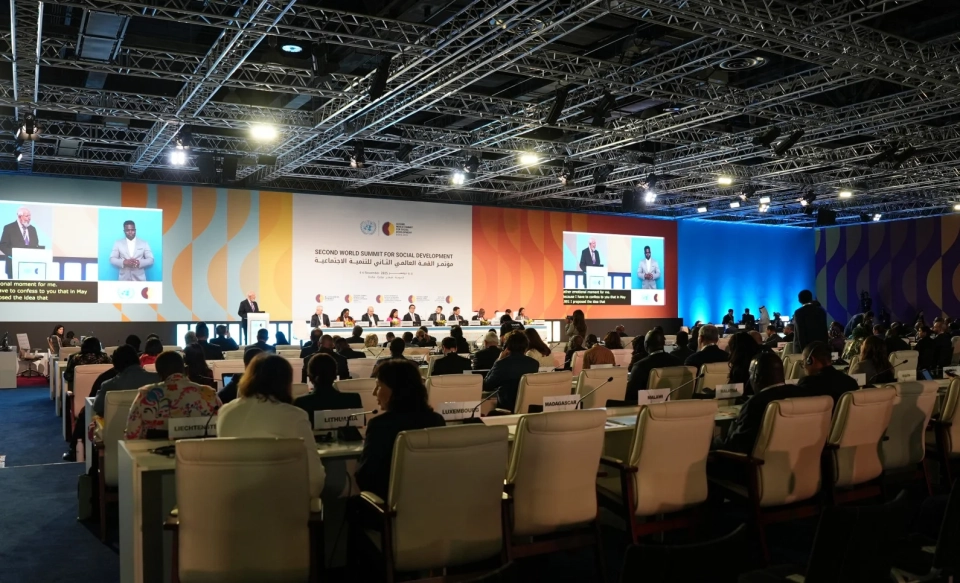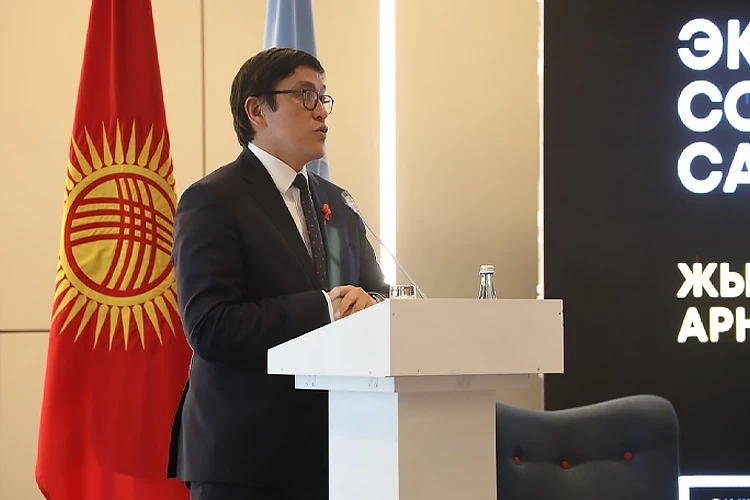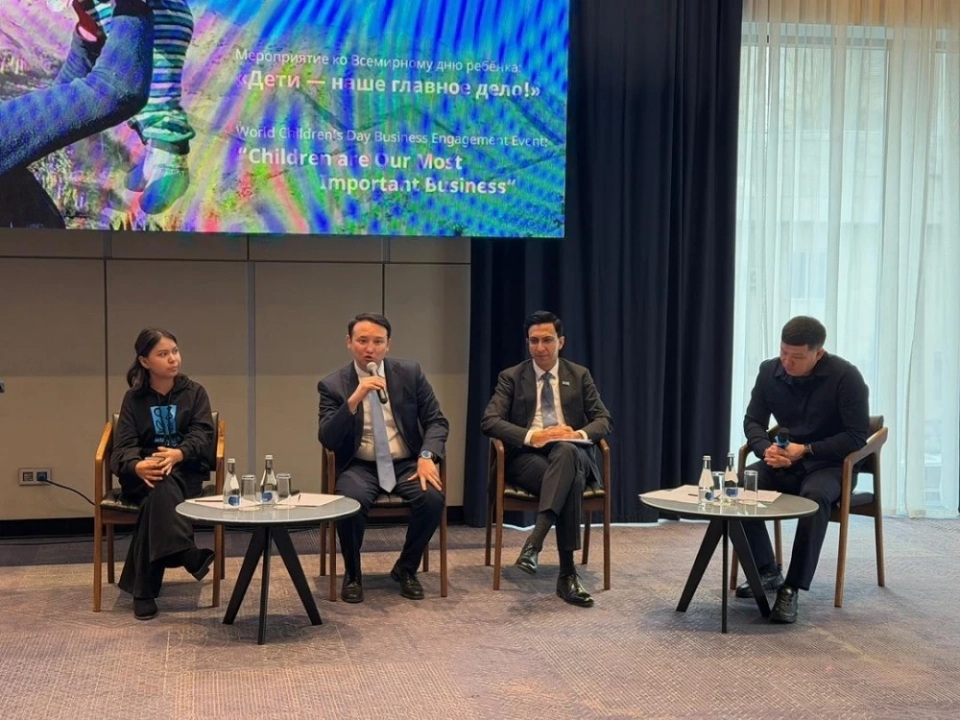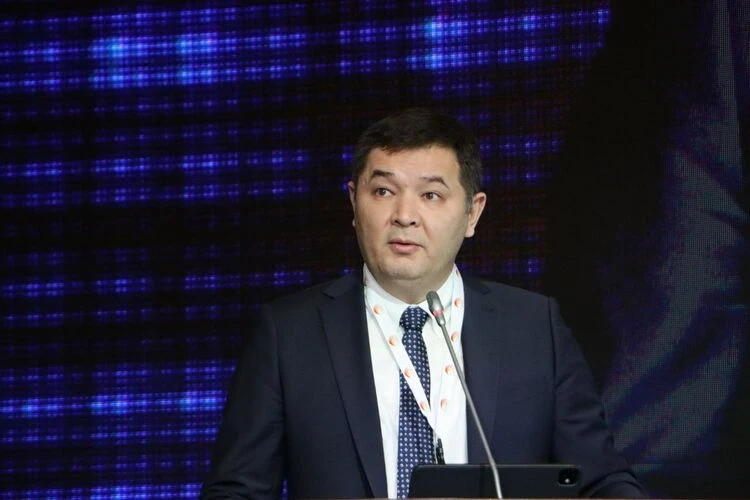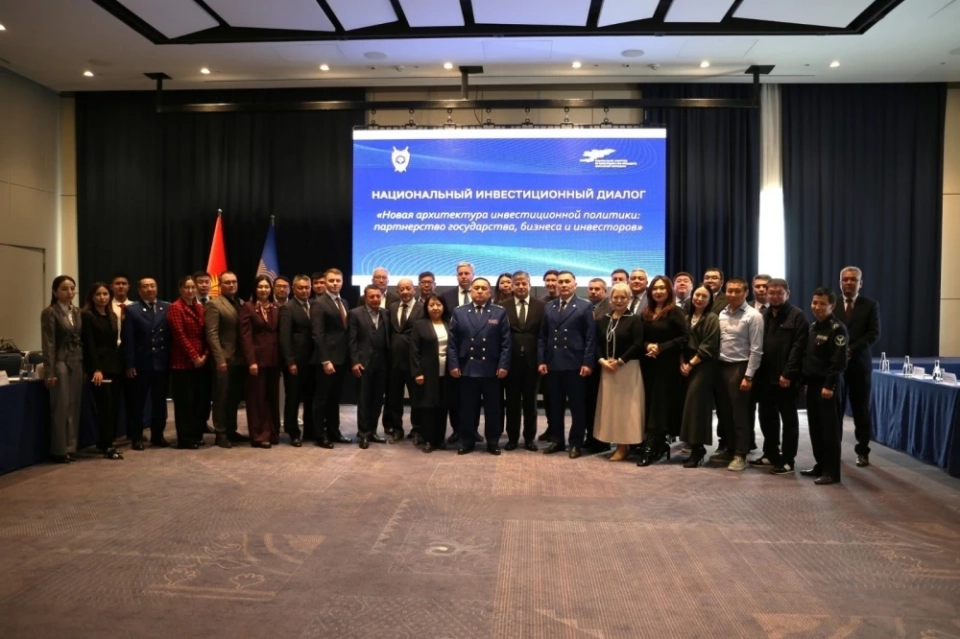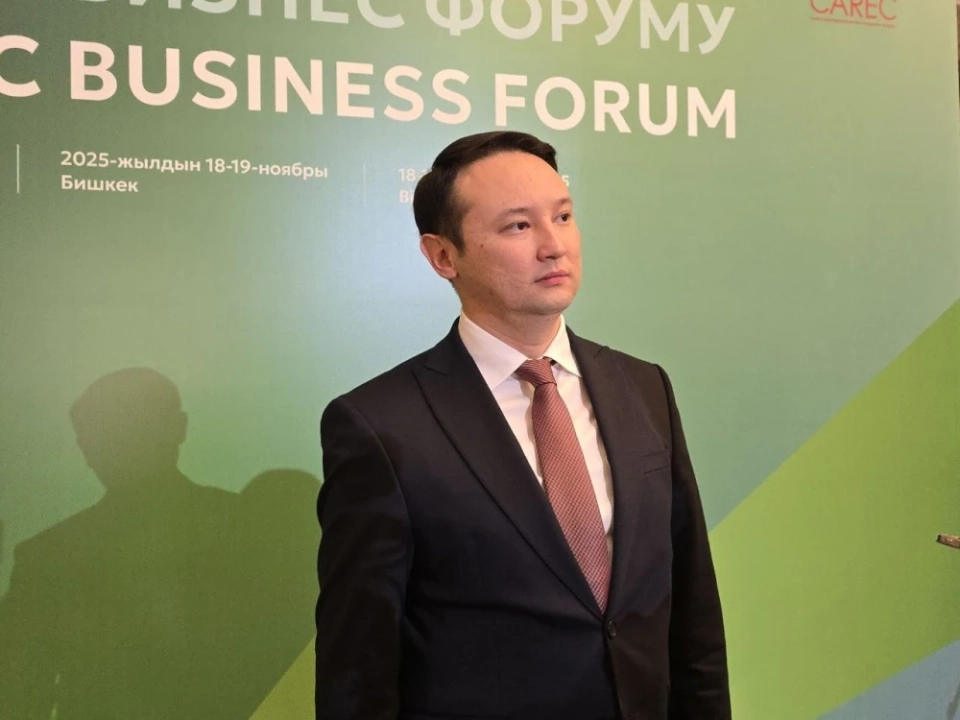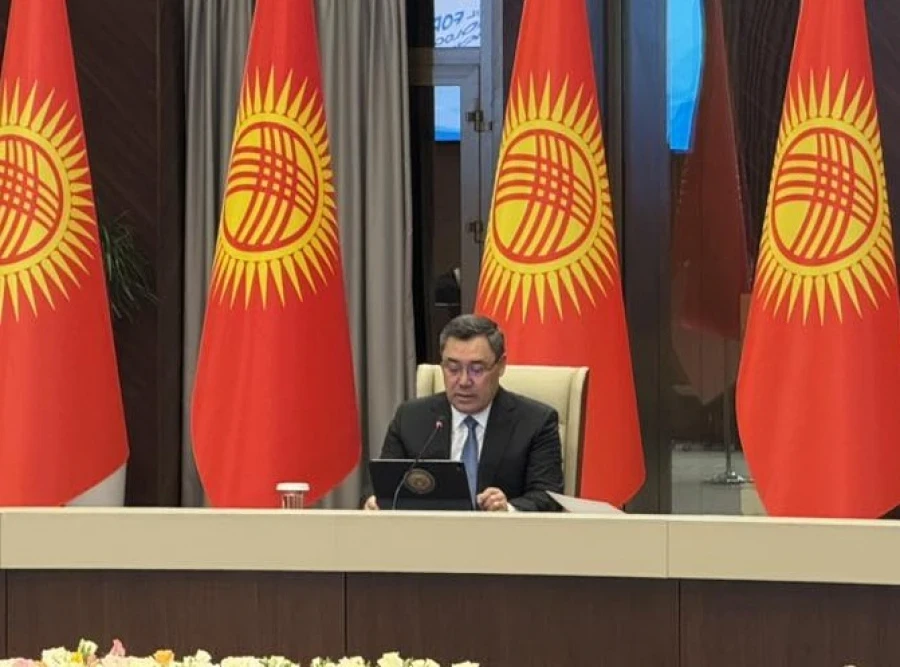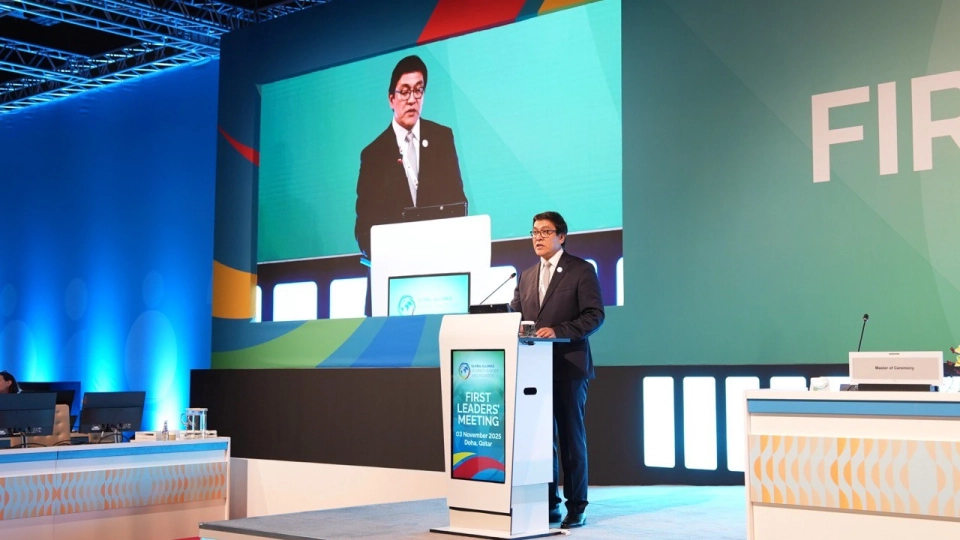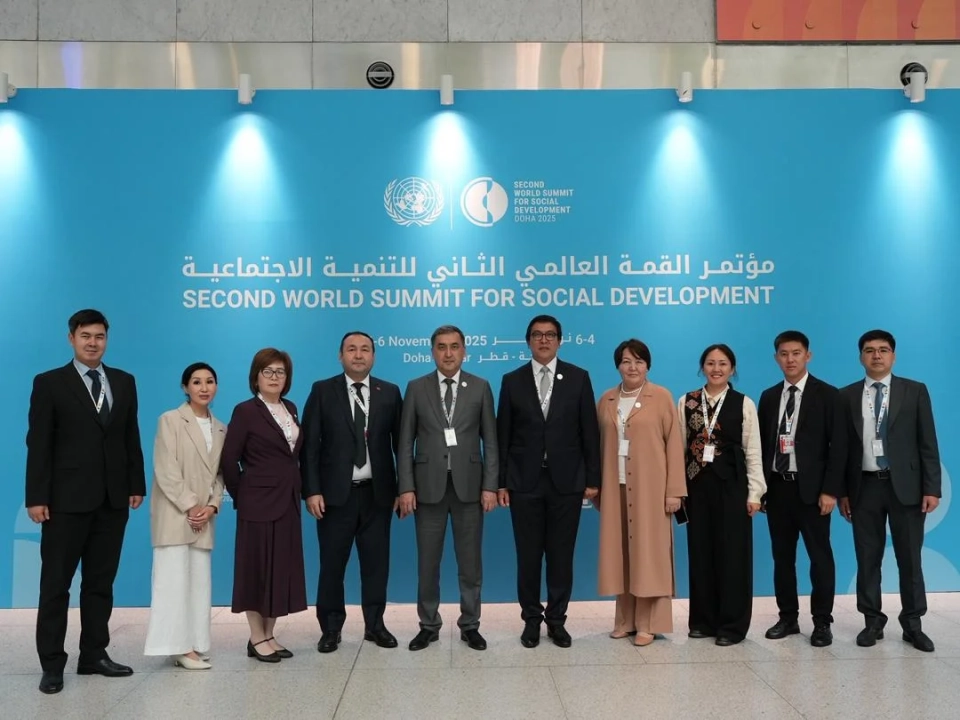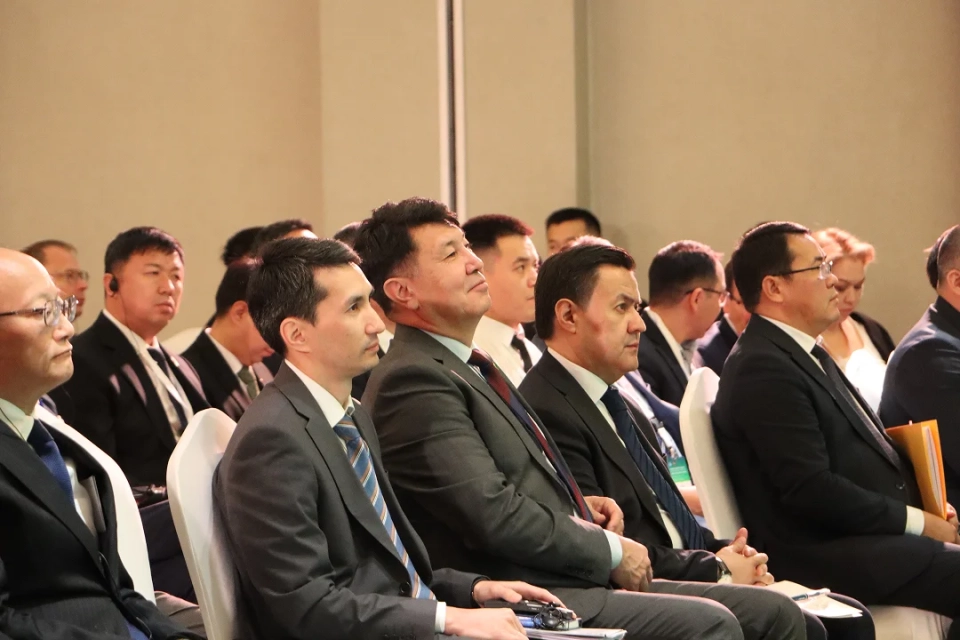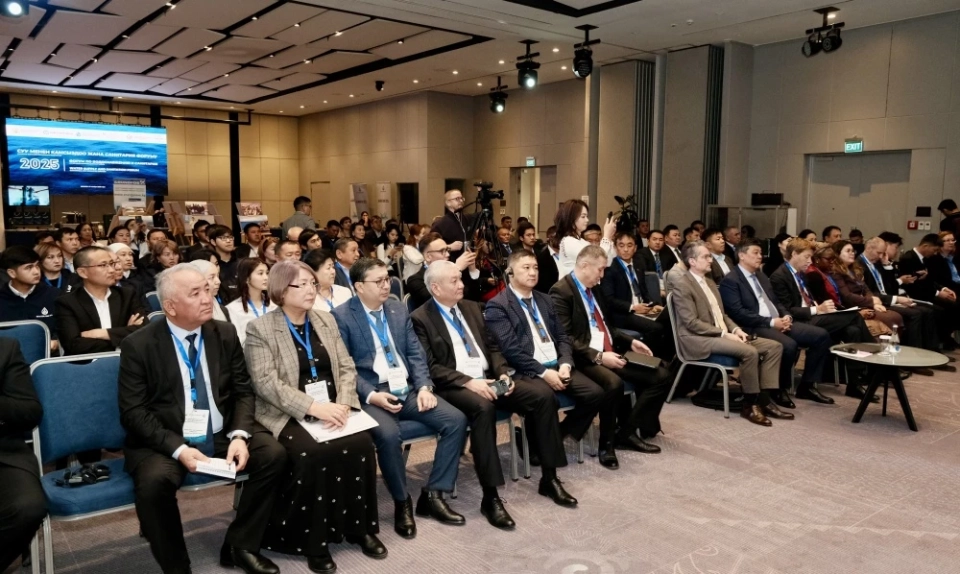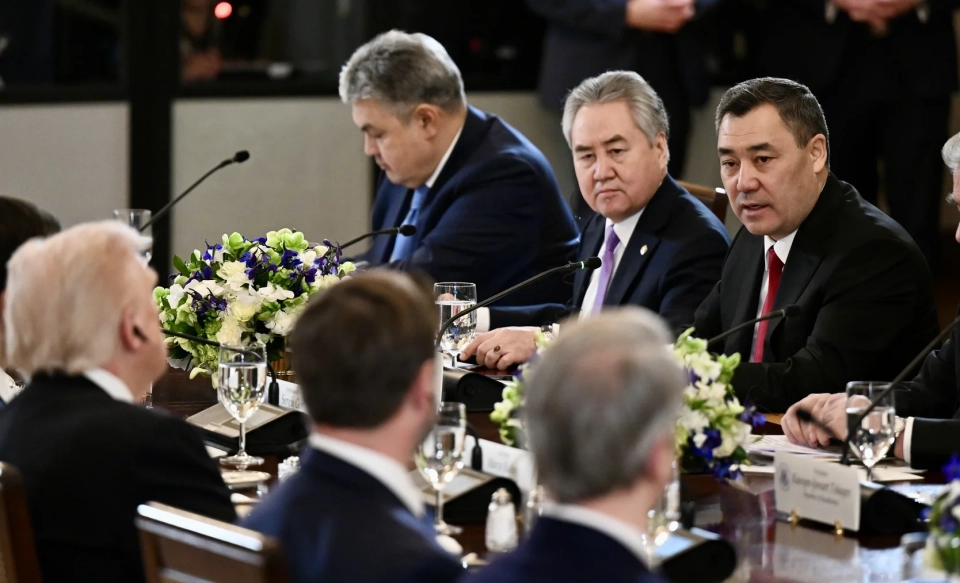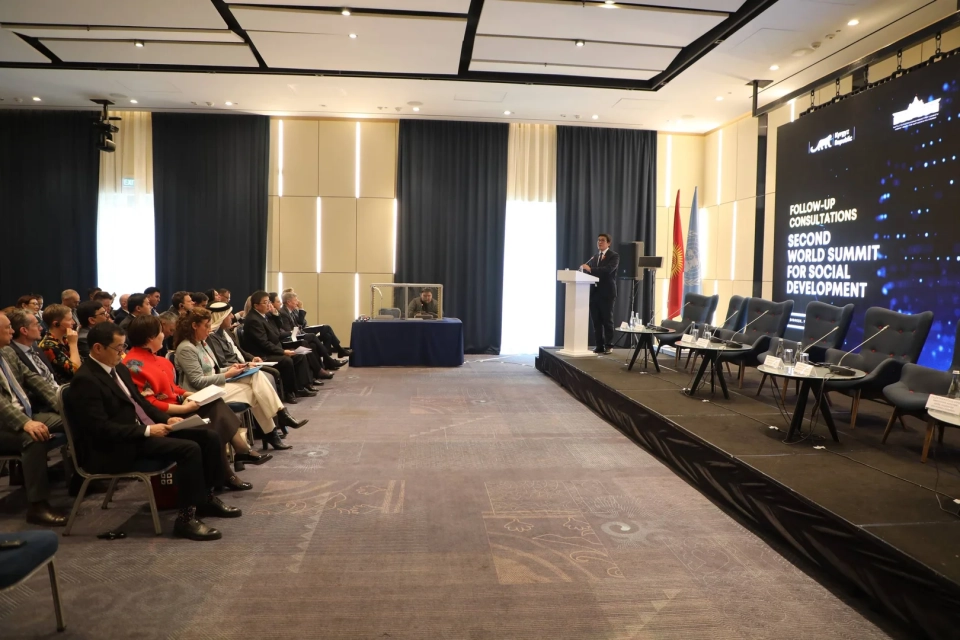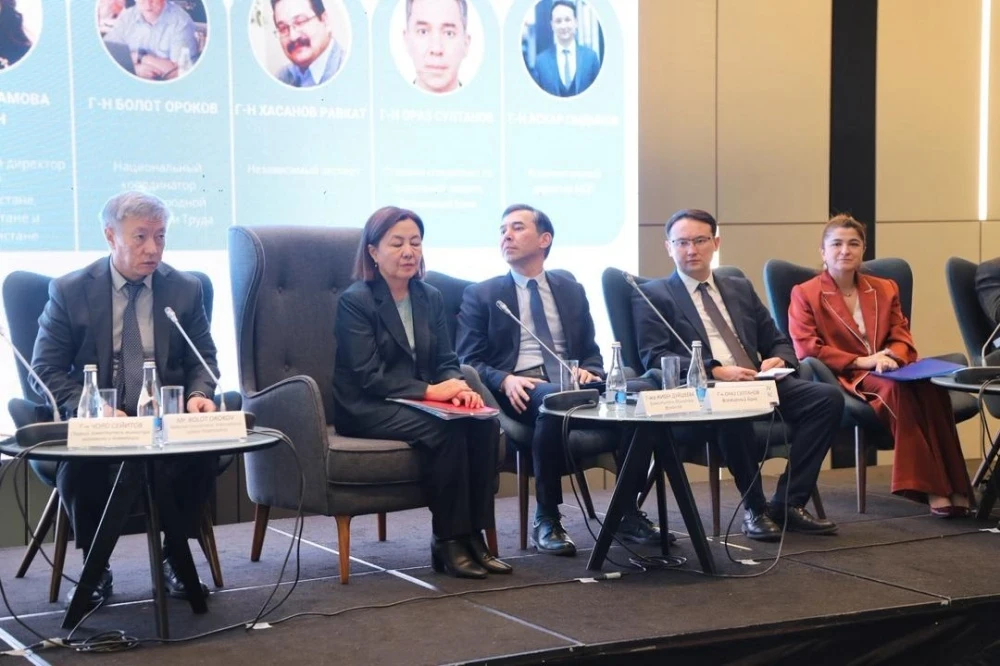
Participants included representatives from international organizations, the government of Kyrgyzstan, state structures, as well as the business community and experts. The session "Investing in People: Developing Human Capital in Kyrgyzstan" discussed key policy measures in the areas of education, healthcare, employment, and social protection that should become national priorities.
How can the effectiveness of public spending on human capital be improved? What policy changes are necessary to attract private investments aimed at developing human potential? These questions became central during the session "Sustainability, Partnership, and Financing for Human Capital Development".
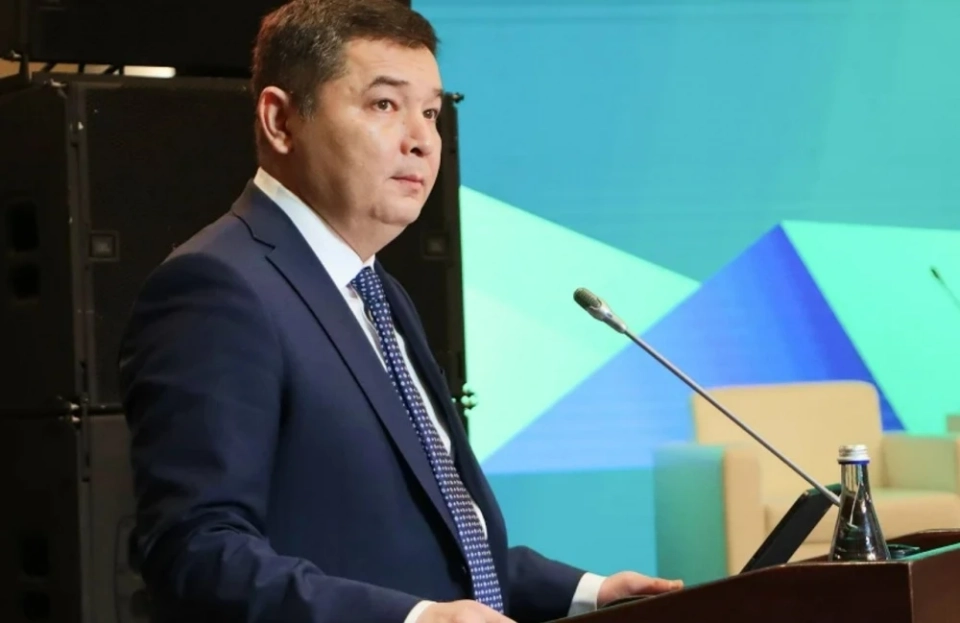
Askar Sydykov, Executive Director of the International Business Council (IBC), noted that for business to become a true co-investor in human capital, it is necessary to create the right environment that encourages individuals and companies to invest in skill development and productivity.
Predictability and Transparency of Institutions
The challenges faced by the private sector show that investments in people occur only when companies are confident in the stability of rules and the protection of their investments.
"This directly affects human capital: a person is motivated to invest in themselves and their skills when they feel freedom, security, and the opportunity for self-realization," explained Sydykov.
International indices also highlight the situation: the Human Freedom Index ranks Kyrgyzstan 81st out of 165, indicating restrictions on personal and economic freedom. Freedom House assigns 26 points out of 100, indicating insufficient protection of civil rights, while in the Legatum Prosperity Index, Kyrgyzstan holds one of the weakest positions in the region regarding conditions for entrepreneurship.
"Why do these ratings matter for human capital? Because a person will develop and build a career only where their efforts are valued, and businesses invest in talent only in countries where institutions are trusted," he added.
If mechanisms of meritocracy, predictable rules, and rights protection function in a country, it creates motivation for learning and creation. However, in the presence of opaque decisions and weakened meritocracy, where career advancement depends on informal factors, motivation for development decreases. Currently, there is a growing role of the state in the economy, which creates risks for the private sector.
"Increased state influence on the economy leads to a reduction in space for competition and entrepreneurship. People lose confidence that success depends on their qualifications, resulting in less learning, which in turn leads to a decrease in innovation and productivity in the country," concluded Askar Sydykov.
Positive Changes
Kyrgyzstan continues to be one of the most economically free countries in its region, and the digitalization of public services reduces barriers for business. The IT, fintech, and creative industries sectors are showing growth, and the public demand for justice and transparency has become more pronounced. These trends can be leveraged to create real competitive advantages.
For business to become a co-investor in human capital, tax and regulatory incentives are needed for companies that train their employees, invest in corporate development programs, and create internships and competency centers. Dual education centers, industry academies, and upskilling programs can work in partnership with the Ministry of Education, the Ministry of Labor, the ILO, and other development partners.
Engaging Business in Government Programs
Business is ready to invest in people if it is confident that government programs are developed in collaboration with the private sector, and that reforms are conducted systematically and consistently; mechanisms for measuring results and accountability are also important.
Human capital grows in conditions where people feel comfortable living, learning, working, and developing their businesses. This is achieved in environments where freedom, justice, and predictability are valued, as well as labor, competencies, and initiative.
Kyrgyzstan has significant potential for this: a young population, an entrepreneurial culture, an open society, growing digital skills, and ambitious goals within the National Development Program 2030.
"Our task is to turn this potential into real growth of human capital. The private sector is ready to invest if we create conditions under which these investments will yield results," emphasized the head of the IBC.
For the private sector to become a co-investor in human capital, not only a predictable environment is necessary, but also confidence in the bright future of the country. It is important for business to understand that its efforts are a contribution to a society worth investing in, and that its employees, children, and loved ones will be able to live in a safe and developed country.
"When business sees such a future, it begins to invest not out of obligation, but out of conviction. It becomes a partner of the state in the important mission of creating modern human capital," summarized Askar Sydykov.