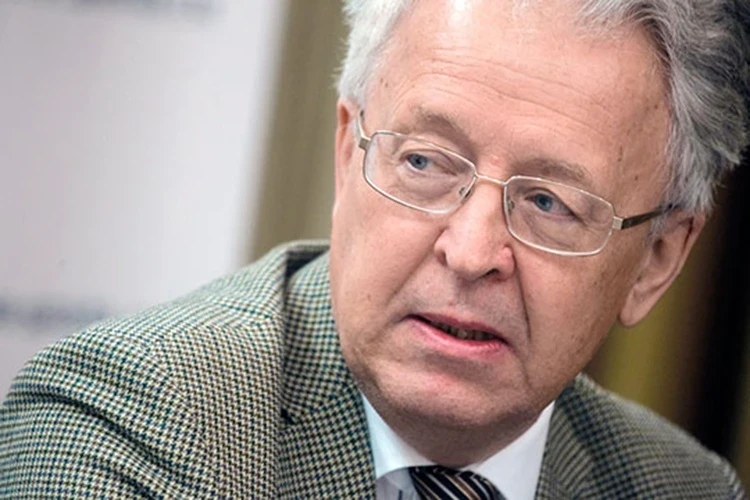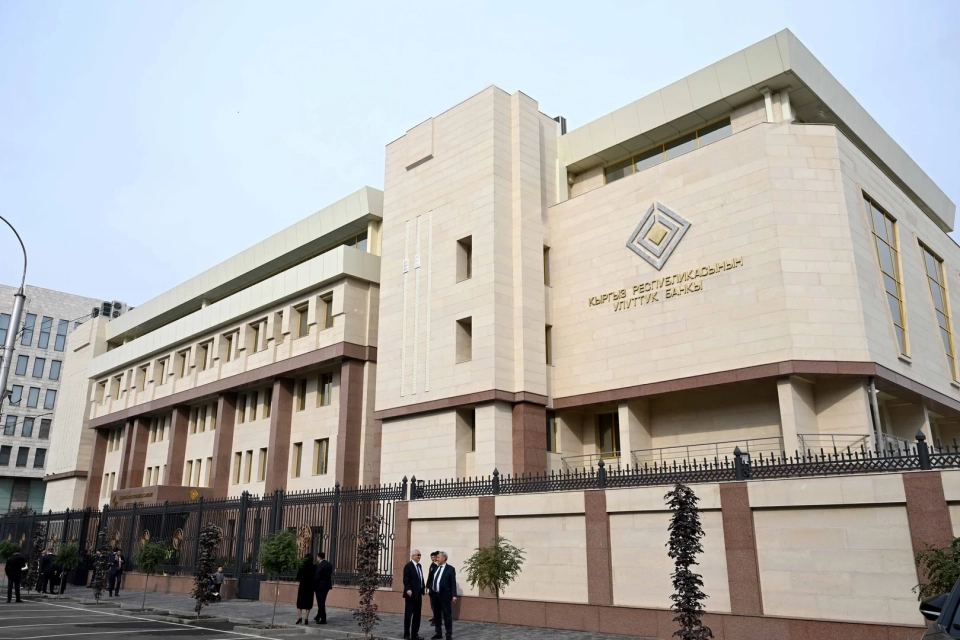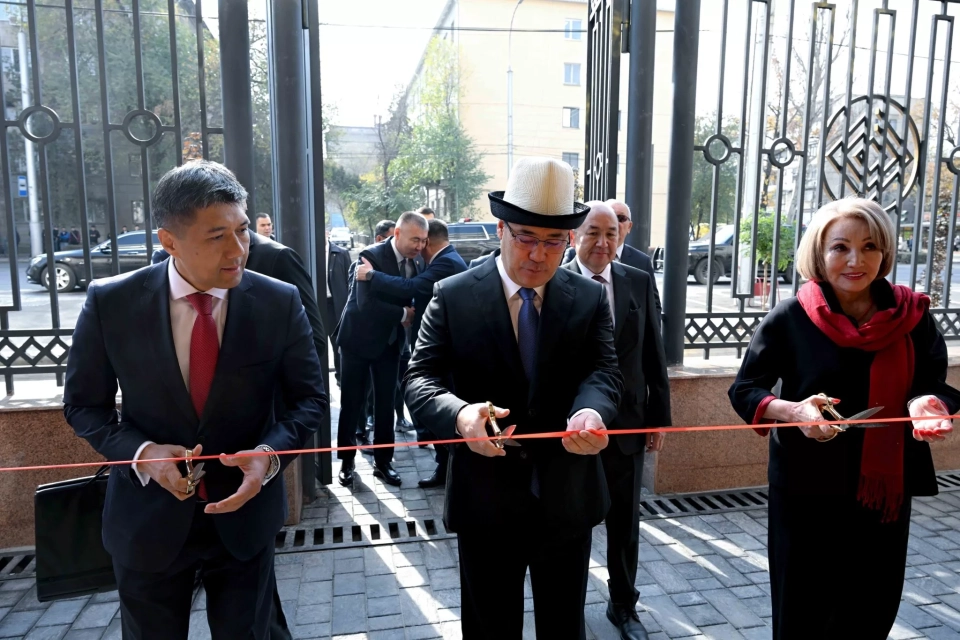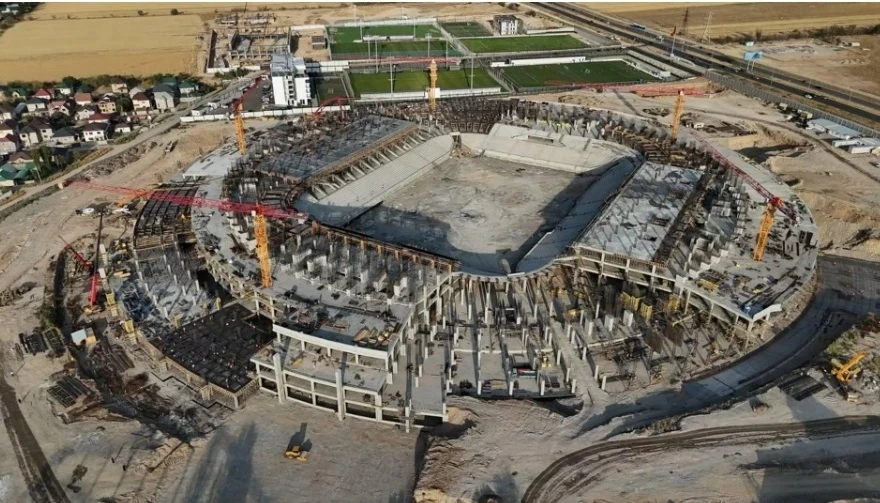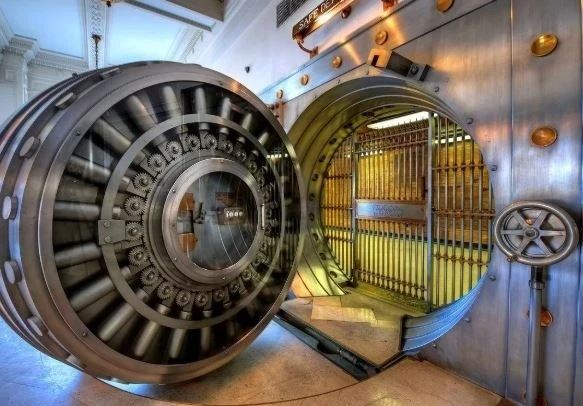
On the YouTube channel of Russian economist Valentin Katasonov, an analysis of the new gold storage facility opened by the National Bank of Kyrgyzstan was published. This facility, designed for 1,000 tons of gold, has become not only the largest in the country's history but also one of the largest in Central Asia. The launch of this facility has sparked discussions about Kyrgyzstan's future role in the region's financial processes.
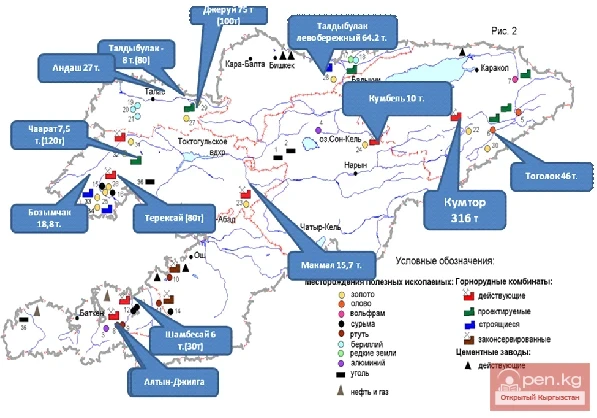
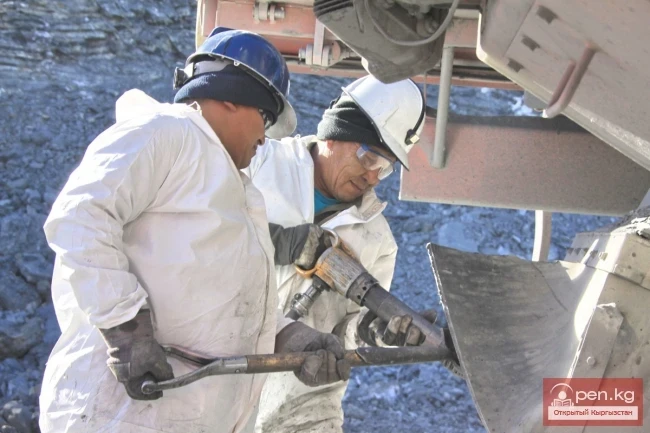
According to official data, gold reserves in Kyrgyzstan amount to about 38 tons, while annual production ranges from 25 to 28 tons. Even if all reserves stored abroad are returned, the country will only be able to fill less than 4% of the capacity of the new storage.
This discrepancy between the scale of the storage and the actual available reserves raises many questions among experts.
According to Katasonov, the creation of such a large storage for Kyrgyzstan's own needs is unlikely. The economist suggests that the opening of such a facility may signal preliminary agreements with international partners, including states and large financial organizations.
Katasonov outlines several possible scenarios for the use of this storage.
Regional center for gold storage
In the context of global gold repatriation, where countries are reclaiming their reserves from Western depositories, Kyrgyzstan could occupy a niche as an alternative gold storage site in the region.
Neighboring countries also have significant reserves that were previously stored abroad, creating potential demand for such services.
Platform for Russian operations
The economist allows that the storage may be used by Russia for operations that are complicated due to international sanctions. Kyrgyzstan, not being on the sanctions lists, could become a convenient jurisdiction.
Financial calculations between Russia and China
The expert also considers the possibility that Kyrgyzstan will become a platform for financial interactions between Moscow and Beijing. Against the backdrop of increasing trade and both countries' desire to move away from the dollar, Kyrgyzstan could become a third territory for mutual settlements.
Katasonov presents a discussed hypothesis about the creation of a "second Hong Kong" — a platform for logistics, gold transit, and alternative financial flows. He emphasizes that this is merely a conceptual version, not a confirmed project.
Stablecoins and the role of gold in crypto architecture
The economist pays special attention to the intentions of the Kyrgyz government to create:
- a state stablecoin,
- cryptocurrency reserves backed by assets.
Katasonov points to information that the new stablecoin may be backed by gold, with its value pegged to the US dollar.
The economist notes that such a scheme appears contradictory: backing with gold implies one logic, while pegging to the dollar implies another. Nevertheless, the fact that such financial instruments are being discussed indicates that Bishkek views gold as an important element of the future financial system.
He reminds us that there is a growing use of stablecoins in international settlements, and "gold-backed stablecoins" are seen as a tool to circumvent the dollar system.
In this context, the emergence of a large storage facility in Kyrgyzstan could have not only physical but also digital significance.
Context: gold as a factor of influence in the global economy
Katasonov notes that the opening of the new storage coincides with a number of global trends:
- central banks are increasing gold purchases,
- the Federal Reserve and the European Central Bank are preparing for new stages of quantitative easing,
- China and Russia are expanding settlements outside the dollar,
- gold is once again becoming an important tool for large international payments.
In the expert's opinion, in such a geo-economic situation, Kyrgyzstan could take a more noticeable role in the region.
Official plans remain outside public discussion
The National Bank of Kyrgyzstan stated that the new storage will be used for storing both its own reserves and potential placements of gold from partner countries. However, there are currently no public agreements regarding the transfer of reserves from other states.
The economist emphasizes that the long-term prospects of the storage depend on intergovernmental agreements, both open and those that may not be disclosed.