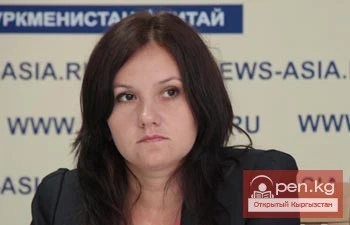
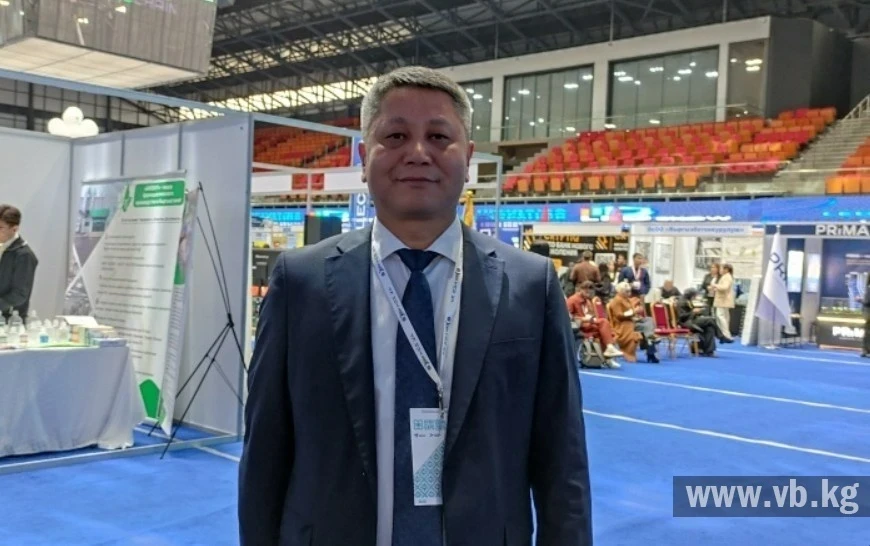
Kaktus.media spoke with the author of this report, Farid Talyshly, who shared the main trends and vulnerabilities, as well as explained what steps need to be taken for the labor market to become more adaptive for employers and employees.
Job Search for All
In Kyrgyzstan, the young population includes about 32% of children and adolescents under 15 years old. This makes the share of youth in the working-age population one of the highest in the region, and it is expected to increase. Since 2000, the country's population has grown by almost 2% per year, and a growth of 1.4% is expected in the medium term.Informal employment predominates in sectors such as small business, domestic work, and subsistence agriculture, where workers often remain without official labor contracts and social protection.
Only about 600,000 people are employed in the formal sector, including workers in state-owned enterprises (SOEs). The public sector accounts for about 60% of formal employment. This underscores the high dependence of the economy on state structures.
“Low labor productivity can be attributed to various factors, including the concentration of the workforce in traditionally less productive sectors such as agriculture, transport, and construction. Additionally, a large share of the informal economy limits access to training and organizational efficiency. For example, capital-intensive sectors like gold mining account for 6.5% of GDP but employ only 0.2% of the workforce. Therefore, labor productivity in sectors that create more jobs is even lower. Agriculture, which employs 24% of the workforce, generates less than 9% of GDP,” noted Farid Talyshly.
In recent years, wages in Kyrgyzstan have been rising. However, low labor productivity and its slow growth negatively affect the competitiveness of labor costs compared to similar countries in the region. The IMF supports the "National Development Program of Kyrgyzstan until 2030," in which increasing labor productivity is one of the key priorities.
Limited Opportunities for Women
IMF studies have shown that gender inequality in the labor sphere in Kyrgyzstan is significantly increasing and is among the highest in the region. Approximately 70% of working-age men are employed, while among women, this figure is only 45%.“Such inequality is partly related to parental responsibilities, forcing women to leave their jobs to care for children. The lack of affordable childcare services also limits women's employment opportunities, leading to a higher unemployment rate among them compared to men. Furthermore, remote work, which became popular after the COVID-19 pandemic, is still underdeveloped in Kyrgyzstan, making it difficult for women to find jobs. Historically, gender inequality has been high compared to other countries, and since 2014, this inequality has only increased due to a decline in the agricultural sector, which has traditionally been the main employer for women. While men find jobs in other fields, many women are left without alternatives,” the report states.
The International Monetary Fund believes that the activation of digitalization planned in the "National Development Program of Kyrgyzstan until 2030" and the development of the "National Strategy for Achieving Gender Equality by 2030" will help address this issue.
Although the gender gap in the formal sector is small, it is still significant in the informal economy. In both sectors, men are more likely to work in areas such as services, manufacturing, and construction. In the public sector, the percentage of women among employees is higher, which is explained by their significant presence in education and healthcare, where they play an important role in the country's workforce.
Strict Regulation of the Labor Market
Why do so many people choose informal employment? The IMF analysis showed that labor market regulation in Kyrgyzstan is stricter than the average in the Caucasus and Central Asia. For example, in Kazakhstan, procedures for hiring qualified foreign workers have been simplified.“The procedures for dismissal and hiring are labor-intensive and complex, requiring employers to comply with strict documentation norms and justification for dismissals. This increases compliance costs. Unlike Kazakhstan and Uzbekistan, where employers have more freedom,” added Farid Talyshly.
Existing rigid conditions increase compliance costs, which is particularly burdensome for small and medium-sized enterprises, contributing to the growth of the informal economy.“The labor market needs more flexible hiring and retention rules, where the focus is on protecting workers rather than jobs. Such an approach can enhance the flexibility of the labor market, reduce the scale of informal employment, and promote economic growth by allowing companies to manage their workforce more effectively and fostering formal employment. Additionally, simplifying the hiring of foreign specialists will facilitate knowledge transfer and improve the efficiency of the private sector,” emphasized the IMF resident representative.
However, the problem is not limited to this. In the Caucasus and Central Asia region, including Kyrgyzstan, "social protection" programs in the labor market play a limited role. Verifying eligibility for unemployment benefits becomes a challenging task due to the high share of informal employment. Monitoring informal workers and the size of their salaries is complicated, increasing the risk of abuse in obtaining unemployment benefits. As noted, digitalization in Kyrgyzstan will significantly help reduce these risks.
The IMF report also indicates that additional complexities arise from a lack of technical and administrative capabilities to assist in job searching and vocational training, which are important elements of an effective unemployment benefits system. Unlike developed countries, where benefits automatically increase during economic crises to stabilize income and consumption, in Kyrgyzstan, they remain static.
“Creating an unemployment insurance system and expanding vocational training and employment assistance programs will better meet labor market demands and increase employment levels. The unemployment insurance system should expand during economic downturns and contract when the economy stabilizes. Employment services, career counseling, and upskilling opportunities will also provide important support to job seekers,” concluded Farid Talyshly.