As reported by the Ministry of Natural Resources, Ecology, and Technical Supervision, the poverty rate in Kyrgyzstan has decreased from 62.6% in 2000 to less than 26% by 2024. However, economic growth and job creation do not align with established national goals. The government aims to raise the population's income to the average level by 2030 and ensure sustainable GDP growth; however, climate change could significantly hinder these plans.
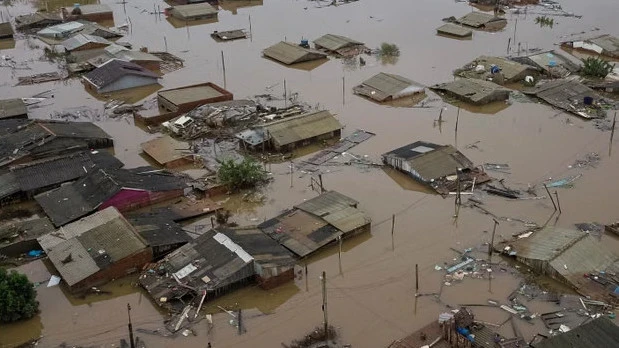
Forecasts indicate that frequent extreme weather events, such as heavy rains, hurricanes, and droughts, will negatively impact the country's economy.
Climate conditions could lead to a GDP reduction of 2–4% by mid-century, with the most significant effects on agriculture and infrastructure, which in turn will affect food security and transportation links.
It is projected that by 2040, around 170,000 people, primarily in rural areas, may fall below the poverty line.
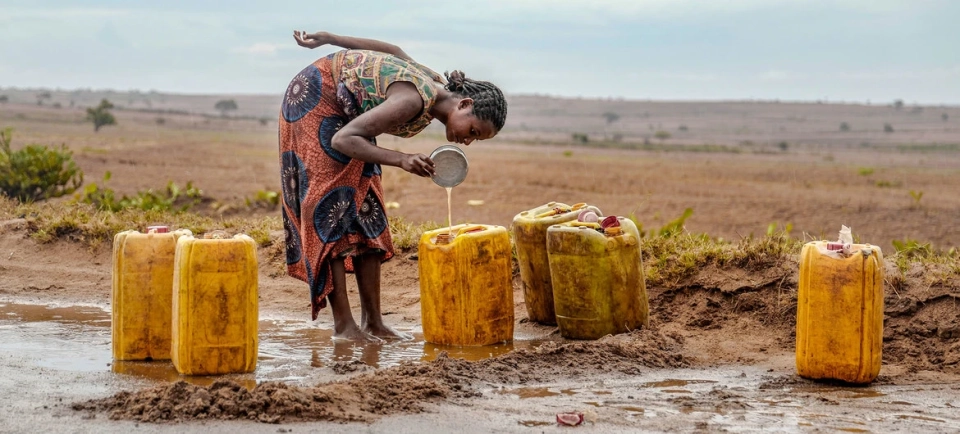
Agriculture faces a deficit of irrigation water of up to 24%, and income losses could amount to 5–10% annually. Infrastructure, including roads and bridges, will require significantly more funding—repair costs could exceed $100 million per year.
The increase in landslides will create additional flood risks, potentially increasing infrastructure damage by up to 72%.
At the same time, some sectors of the economy may benefit from climate changes. Hydropower production is expected to grow by 11% by 2050 due to increased river flow, although sedimentation in reservoirs may reduce their efficiency. Achieving carbon neutrality by 2050 could not only improve air quality and strengthen energy security but also yield savings of up to $3.5 billion from electricity exports and $3 billion from imported petroleum products. However, realizing these opportunities will require around $10 billion in investments in the energy sector, construction, and transport,” the report states.
Adaptation and Employment
Infrastructure adaptation could create about 20,000 jobs in construction. Decarbonization aimed at improving energy security and developing renewable energy sources could provide an additional 20–25,000 jobs in agriculture, construction, and high technology. These new jobs will require a skilled workforce, and the least advantaged households will need additional support.
Without proper adaptation, productivity and employment growth may slow, especially among vulnerable populations.
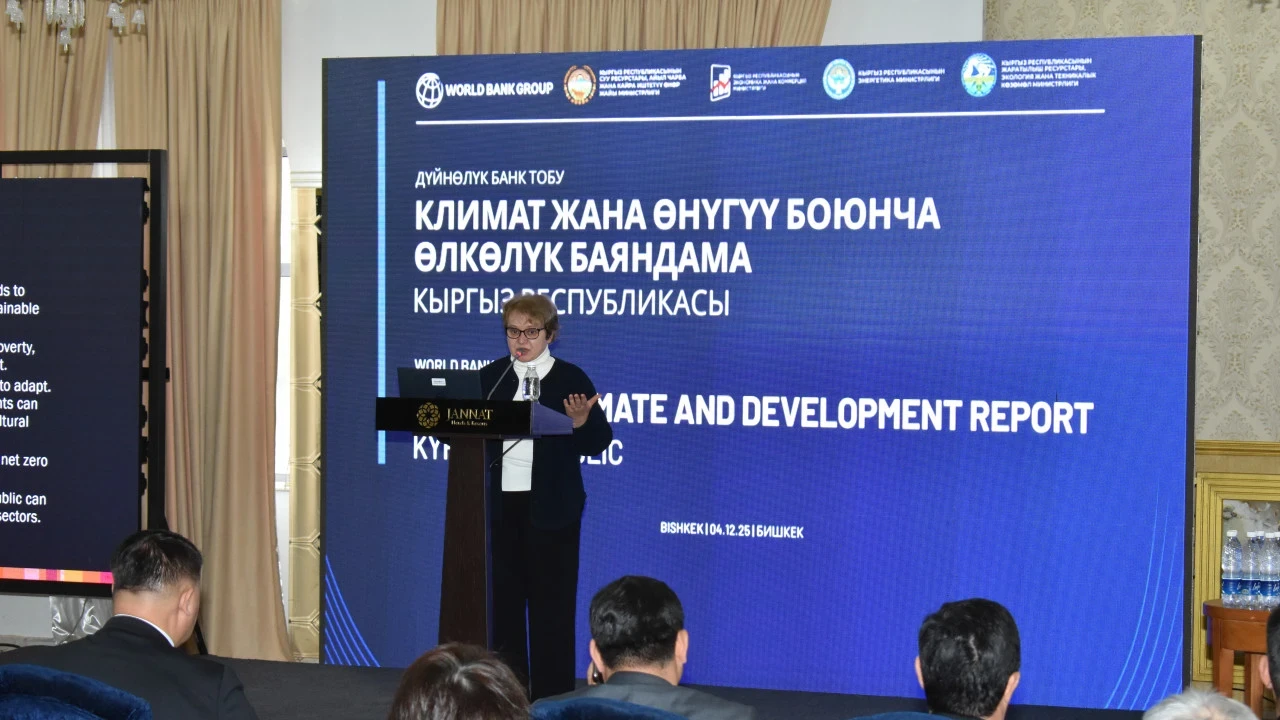
According to the CCDR, “climate protection” for critical sectors will require less than 0.2% of GDP annually, amounting to approximately $1 billion by mid-century. Key measures include addressing water shortages, supporting resilient crops, strengthening infrastructure, and preparing for emergencies.
Nature-based solutions, such as ecosystem restoration, could reduce landslide damage by up to $26 million.
Financing
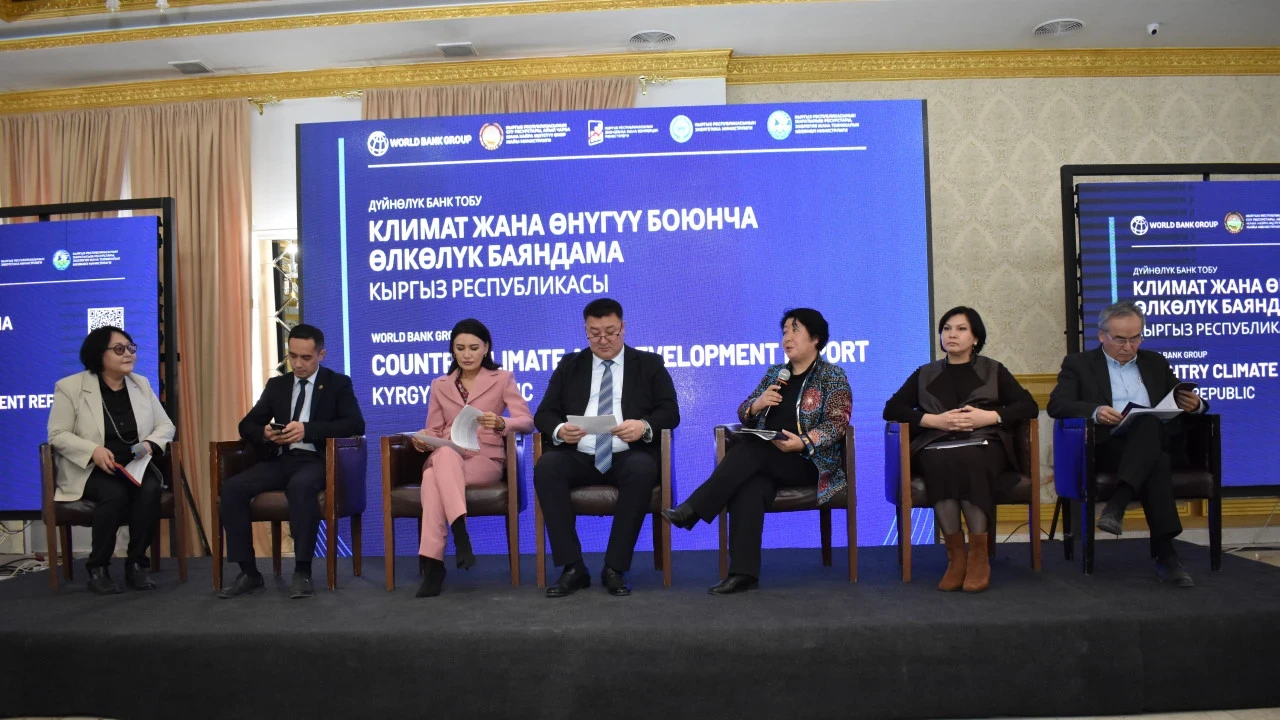
The report emphasizes that Kyrgyzstan will be able to effectively manage climate risks only through collaboration between the state and the private sector. It is expected that adaptation costs will be financed from public resources, which will not affect macroeconomic stability due to the resilience of public finances.
The dynamic development of the private sector could accelerate economic growth and reduce climate losses, while decarbonization costs will not lead to a deterioration in debt sustainability by 2050. Key instruments will include carbon pricing, “green” incentives to attract private investments, regional cooperation in hydropower, and international climate financing.
The report also presents key recommendations.
- Comprehensive planning and adaptation measures in irrigation and agriculture to reduce water resource shortages and implement resilient crops.
- Strengthening infrastructure and landscape management to enhance resilience to extreme weather conditions.
- Improving emergency preparedness systems and risk management.
- Accelerating energy efficiency improvements and strengthening energy security, as well as implementing reforms to stimulate private investments.
- Creating conditions to attract significant domestic and foreign private investments, as well as climate financing.