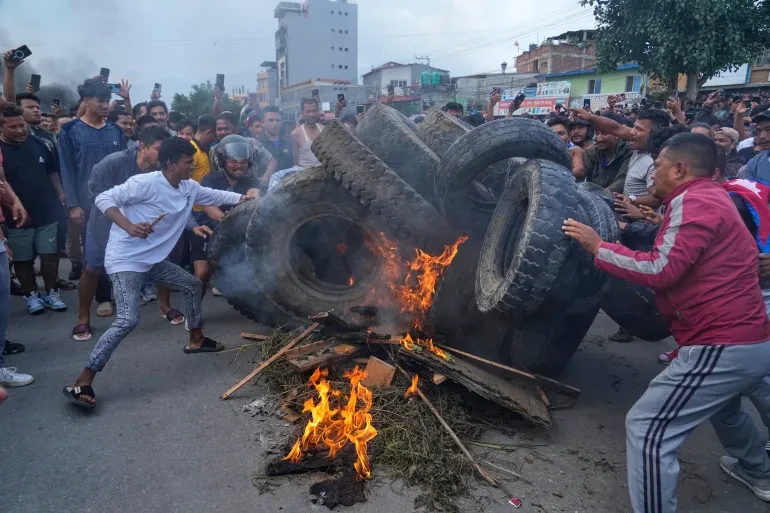
Protests initiated by youth last year affected many countries, and their outcomes were significant — some regimes were overthrown. The protesting Generation Z demanded political changes. In some cases, they used the skull and crossbones symbol, which became known through Japanese anime, where outcasts fight against corrupt regimes.
While more developed regions of the world discuss the implications of an aging population for the economy and social systems, other countries, especially in Africa, are experiencing pressure from a growing number of young and ambitious people dissatisfied with the lack of economic and political opportunities.
Generation Z, born between 1997 and 2012, is celebrating birthdays this year at ages ranging from 14 to 29, making them active participants in political life.
According to statistics from the British research organization Our World in Data, in about 80 countries with a population of 2.5 billion people, the average age is 29 years or younger, making these countries dominant in terms of Generation Z population.
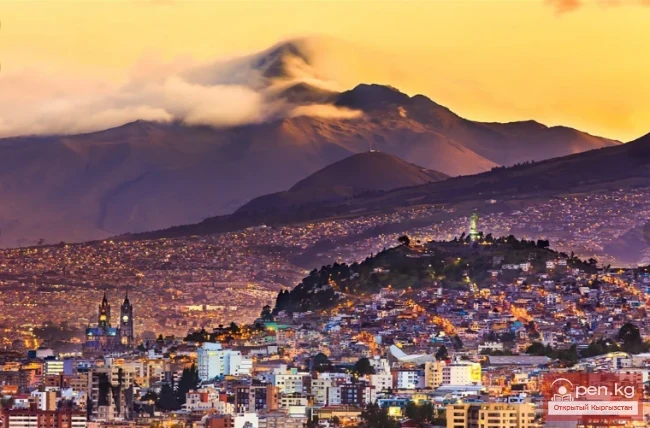
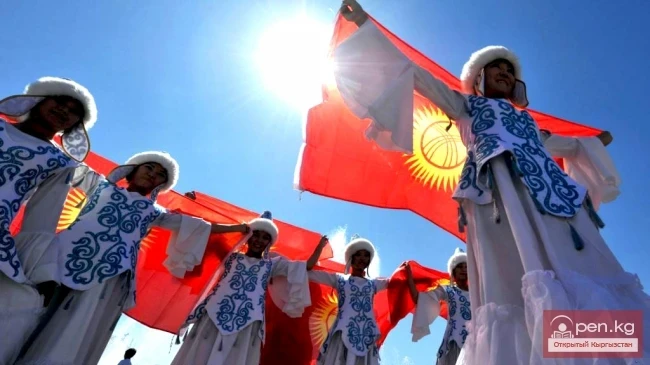
Such countries include Uzbekistan (average age 29), Ecuador (28), and the Philippines (26), as well as most of the 54 countries in Africa, including Uganda with an average age of 16 and Niger at 15. Only in four African countries — Mauritius, Seychelles, Tunisia, and Morocco — does the average age exceed 29 years.
Generation Z is the first generation to grow up in the digital age, having unprecedented access to information about the shortcomings of their governments and comparing their lives to those in more successful economies and among their own elite.
In both the US and France, as well as in less affluent regions like the Sahel, members of Generation Z are increasingly turning to issues that were previously considered political periphery.