Nepal: Generation Z Revolution and Prime Minister's Resignation
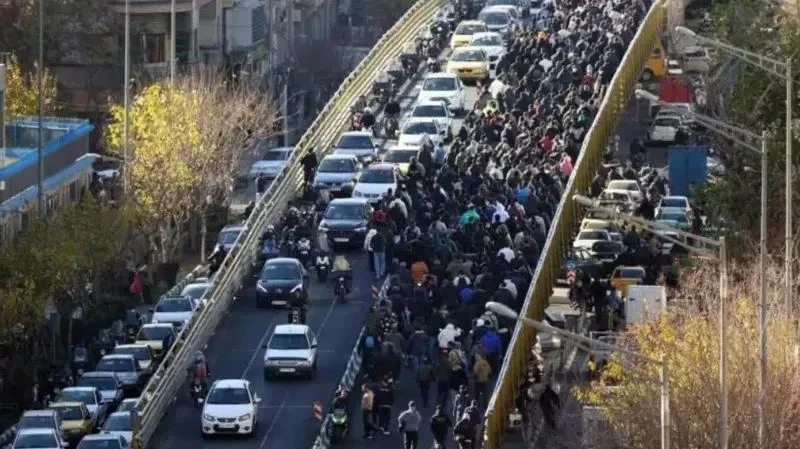
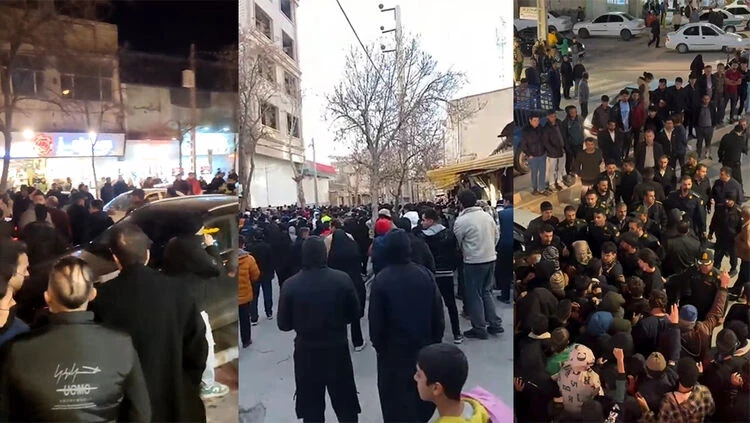
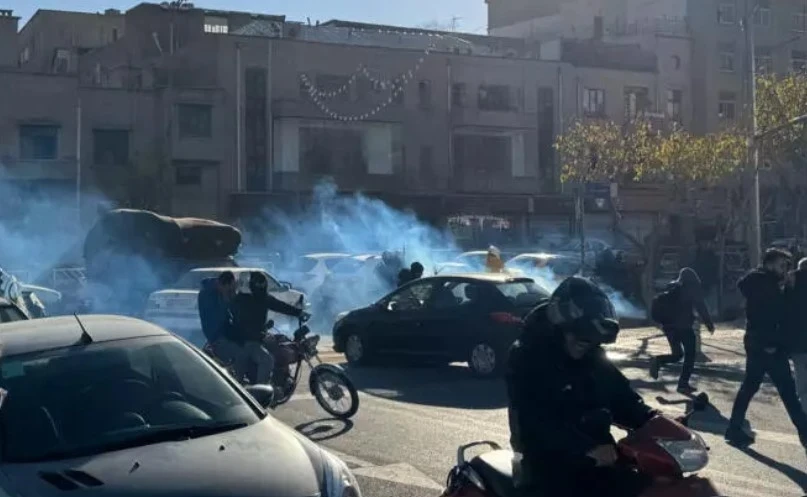
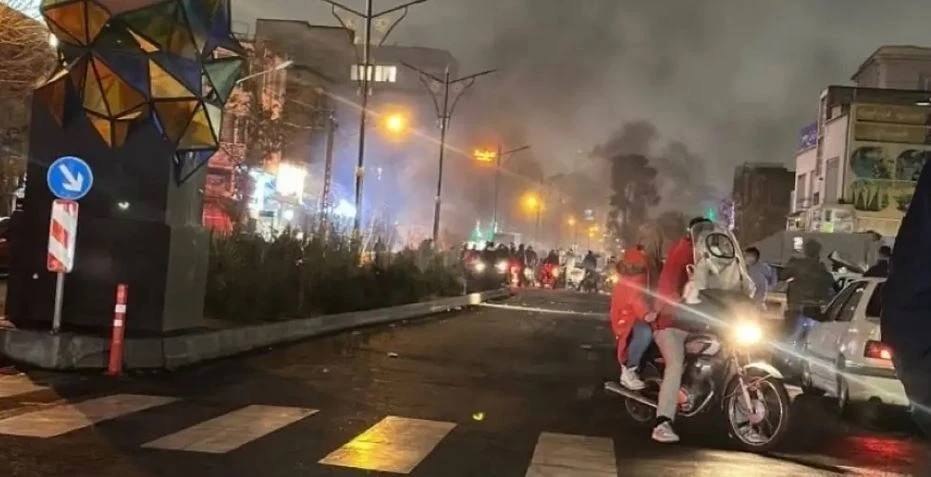
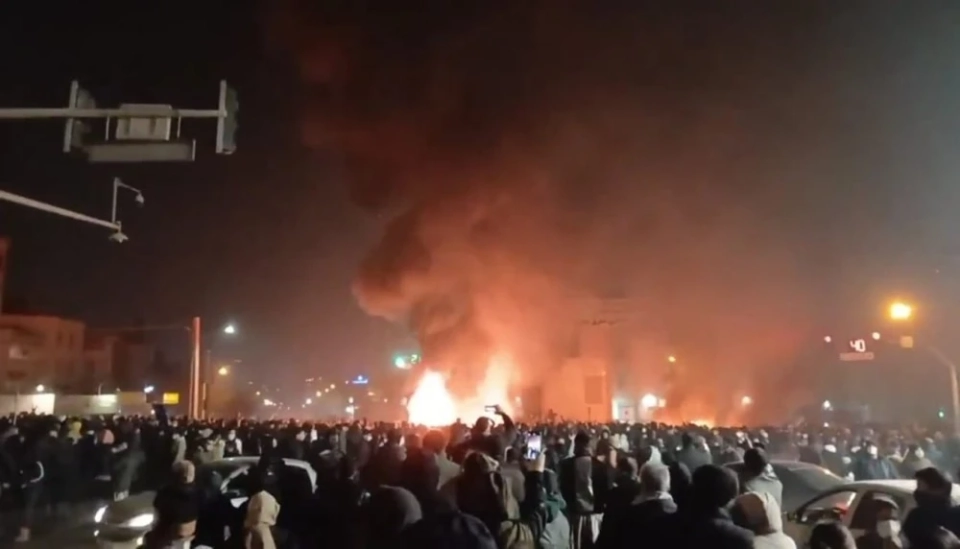
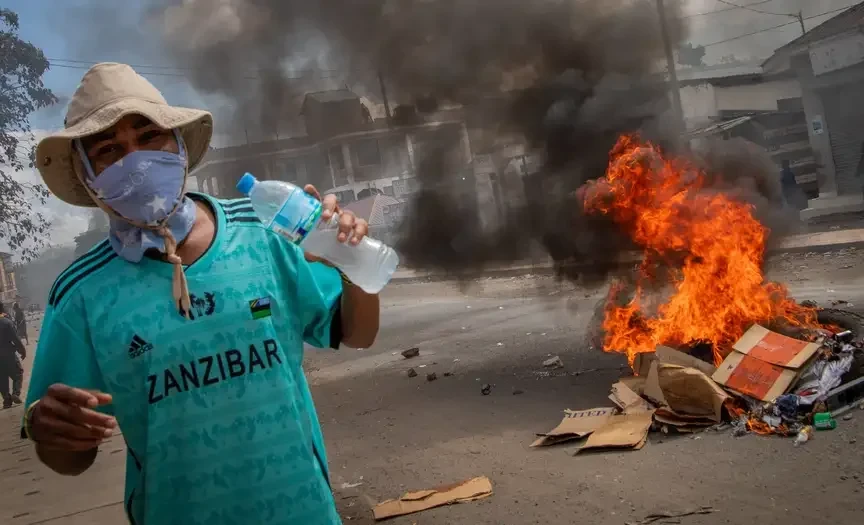
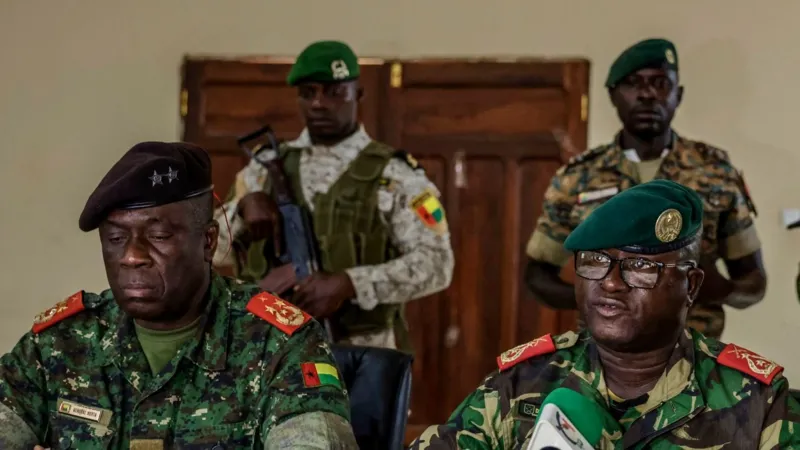
Youth protests in Nepal, which began in September, culminated in what is known as the Generation Z revolution. On September 9 in Kathmandu, demonstrators set fire to the parliament in protest against corrupt authorities and nepotism. The unrest was sparked by the government's blocking of major social networks under the pretext of unauthorized registration, which enraged the youth who actively criticized the lavish lifestyle of the ruling elite. Protests quickly spread across the country and escalated into clashes with the police. In response, security forces used tear gas and rubber bullets; according to various reports, at least 19 people died, and the total number of casualties exceeded 76, with over 2,000 injured.By the end of November, Major General Orta N'Tam was appointed as the transitional president, heading the Supreme Committee for Restoring Order for a year. The ousted Embalo left the country for Senegal and Congo. The new authorities promised to prepare the country for a return to constitutional order, but there is skepticism in the region regarding the stability of Guinea-Bissau, known for its political instability. Despite this, the coup of 2025 can be considered successful, as it led to the removal of the previous leader and the establishment of military control.
Turkey: Mass Demonstrations Against Repression
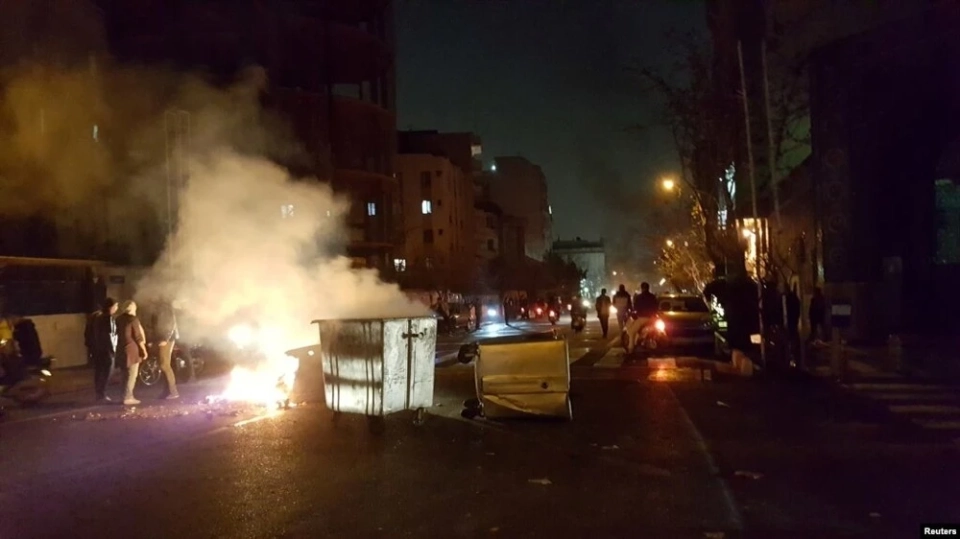
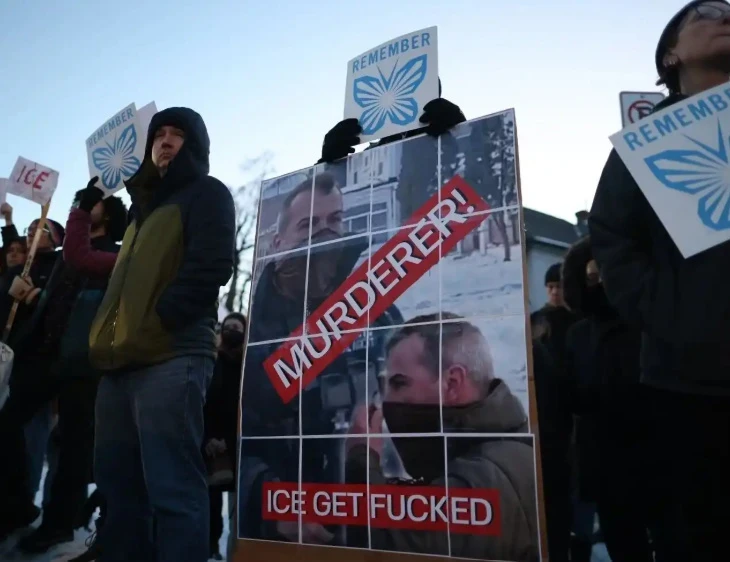
In the spring of 2025, Turkey witnessed the largest protests in the past decade. They were triggered by the arrest of popular Istanbul Mayor Ekrem İmamoğlu, who is the main opponent of President Recep Tayyip Erdoğan in the 2028 elections. In March, thousands of citizens took to the streets to express support for İmamoğlu and condemn political repression. These protests were the most massive since the events in Gezi Park in 2013. In response, the authorities carried out arrests, detaining around 500 opposition figures, including 17 mayors.The regime responded with harsh measures: military units were deployed to disperse the demonstrations. According to Amnesty International, security forces used firearms, beat detainees, and tortured them. At least 14 people, including minors, died, around 100 were injured, and more than 300 were arrested. Activists faced brutal beatings, and courts handed down harsh sentences—dozens of young people received prison terms of up to 15 years for participating in peaceful protests. By the end of summer, the protests were suppressed, and the Gnassingbé regime continued to hold power, partially meeting some of the economic demands of the protesters.
Kenya: Protests Against Rising Prices
In Kenya, 2025 was marked by a wave of youth riots against President William Ruto. Protests, which began back in 2023, flared up again in 2025 after the death of a well-known blogger in police custody, leading to mass demonstrations in Nairobi and other cities. Thousands of young people took to the streets demanding Ruto's resignation, protesting against high inflation and unemployment. The government responded harshly, with the Minister of the Interior characterizing the actions as an attempted coup.The police used batons and water cannons, resulting in the deaths of 31 participants on July 7, the anniversary of pro-democracy protests. Many people died during the months of protests, with hundreds injured or arrested. The president, holding a parliamentary majority, refused to meet the protesters' demands. By the end of the year, protest activity had decreased, but public discontent remained.
Morocco: Arrests Suppress Reform Protests
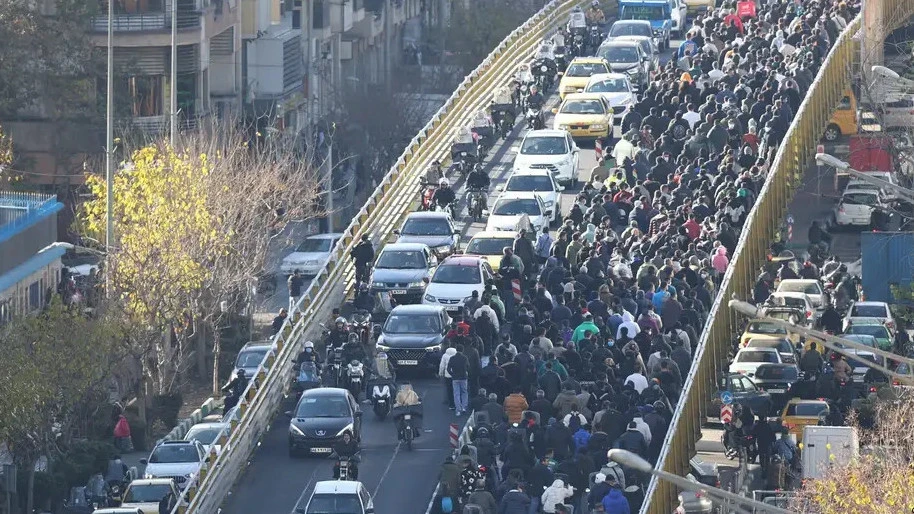
In Morocco, a powerful youth movement emerged in the fall of 2025, becoming the largest since 2011. Protests began after several tragic incidents in a local hospital, exposing serious issues in the healthcare system. Thousands of young Moroccans took to the streets demanding improvements in medical care and solutions to unemployment issues. The protests became the largest since the "Arab Spring."In response, the authorities implemented harsh measures, including the use of weapons against protesters, leading to casualties and mass arrests. Human rights defenders reported thousands of detainees. Although the government promised to increase spending on healthcare and education, many viewed these promises with skepticism, fearing a repeat of repression.
Serbia: Student Protests and Political Changes
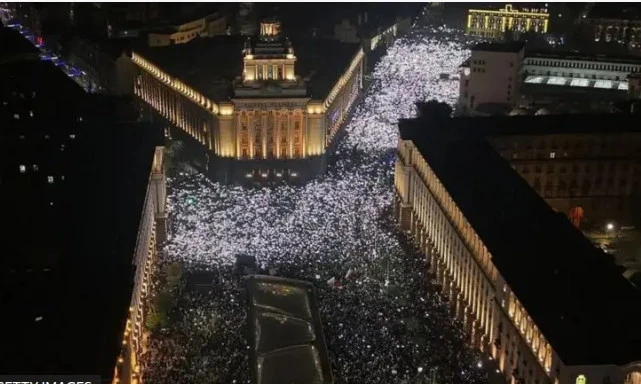
In Serbia, anti-government protests that began in late 2024 continued in 2025. They were triggered by a tragedy at the train station in Novi Sad, which resulted in the deaths of 16 people. Students began demanding accountability from the authorities for corruption and impunity, leading to large-scale protests.By autumn, it became clear that the movement could not be suppressed, and President Vučić promised to hold early elections before the end of the current parliamentary term. This became an important demand of the protesters, although the authorities maintained control and confidence in their victory in the elections.
Philippines: Protests Gain Momentum Amid Corruption Scandal
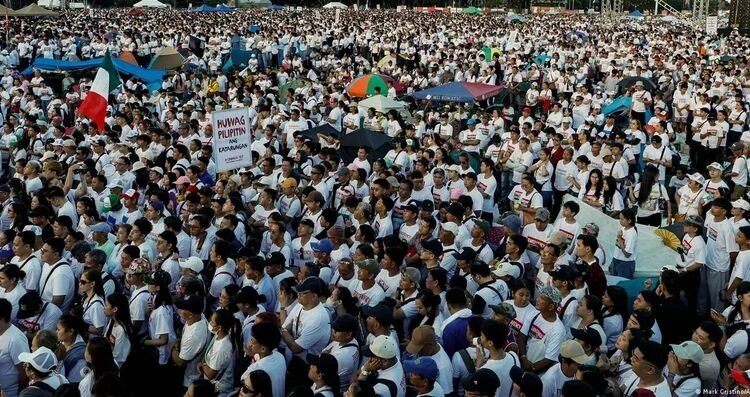
In the Philippines, mass rallies against corruption began in September 2025, triggered by a scandal involving the embezzlement of billions of pesos by high-ranking officials. Protests peaked on November 30, when around 20,000 people took to the streets demanding the president's resignation. The government was forced to take partial measures, dismissing some ministers, but public discontent remains high.Indonesia: Protests Against Rising Prices and Lack of Social Reforms
In the summer of 2025, Indonesia faced the largest wave of protests since the student riots of 1998. Protests against rising living costs and inequality led to violent clashes and arrests. The government attempted to quell the discontent, but partial concessions did not satisfy the protesters' demands, and society remains in a state of tension.