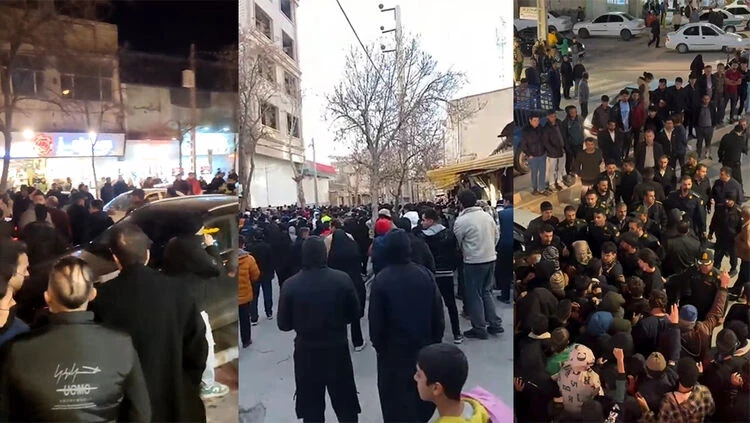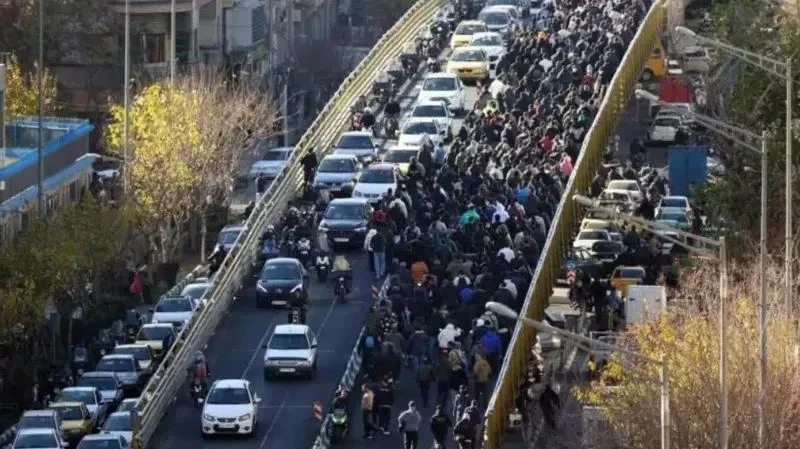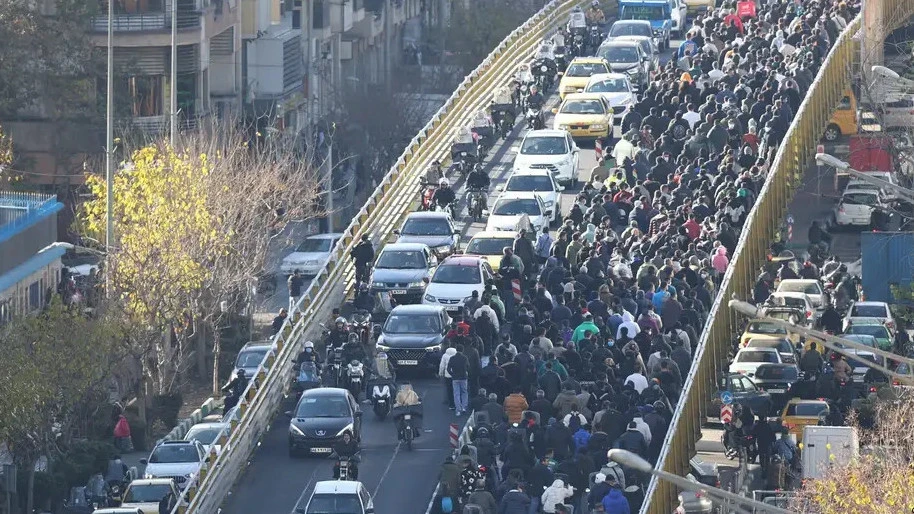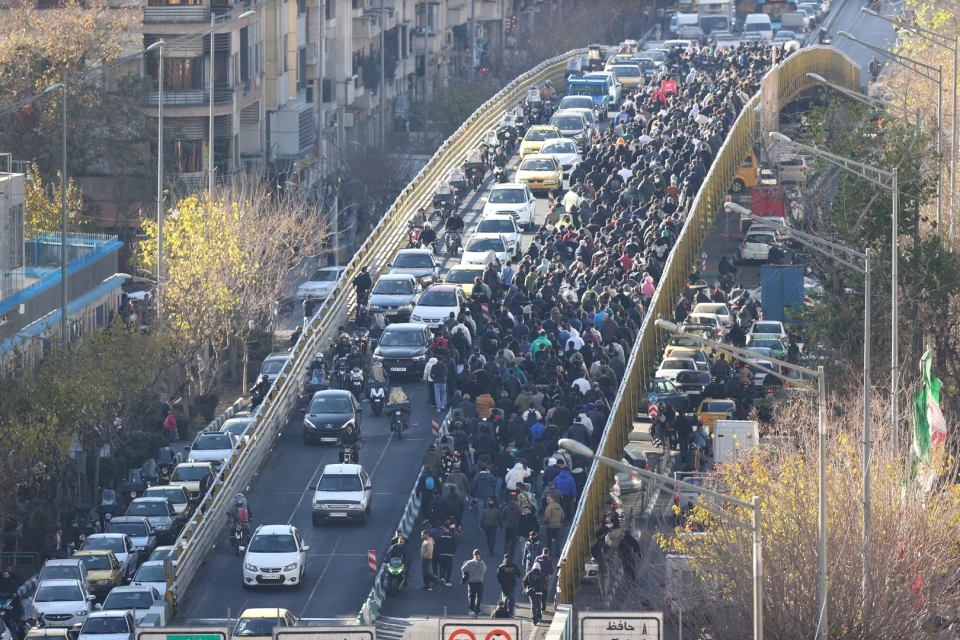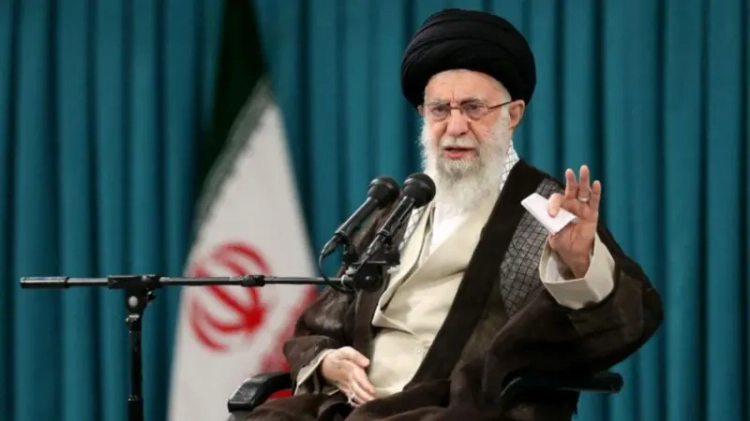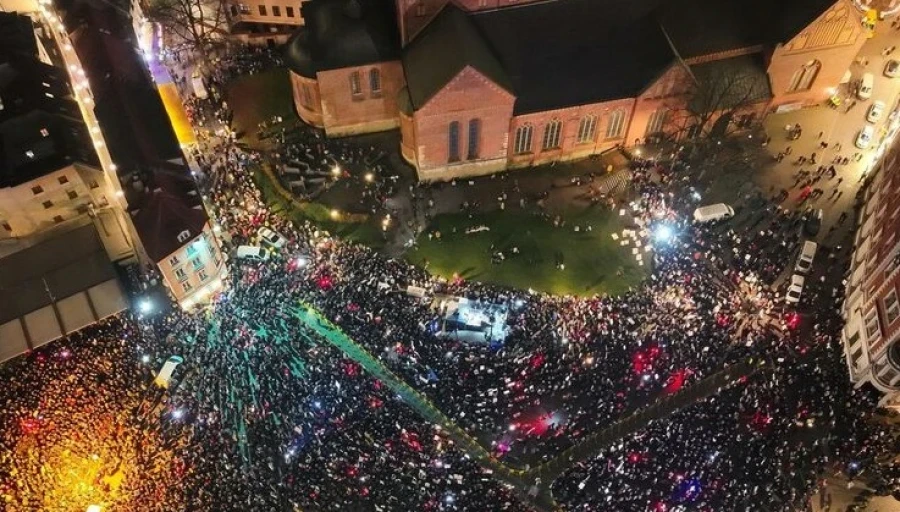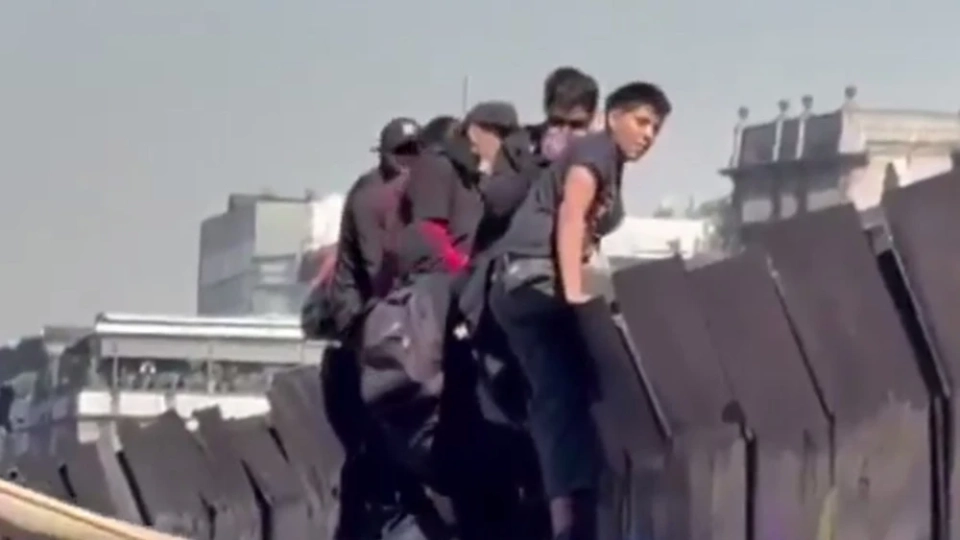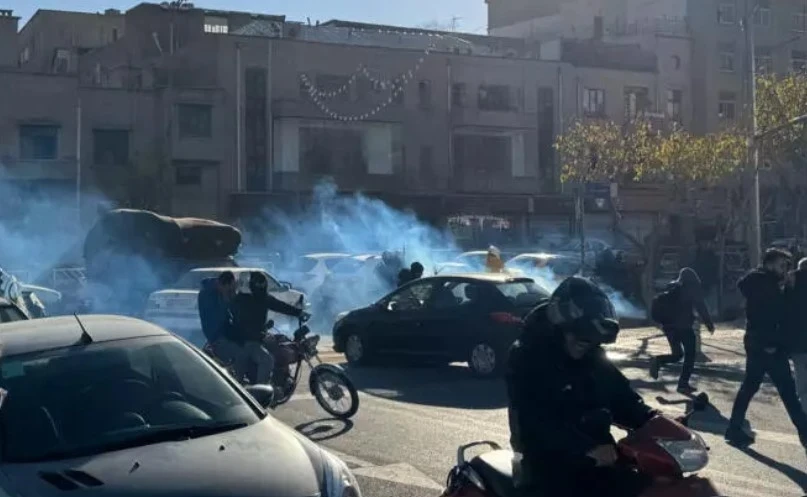
In Iran, protesters continue to rally against rising prices and deteriorating living standards. Protests have spread across major cities and have been ongoing for several days, with demands to oust the country's supreme leader. Media reports indicate at least six casualties among the protesters. US President Donald Trump, who has been actively criticizing the Iranian leadership, stated that there could be possible intervention if authorities continue to suppress demonstrators.
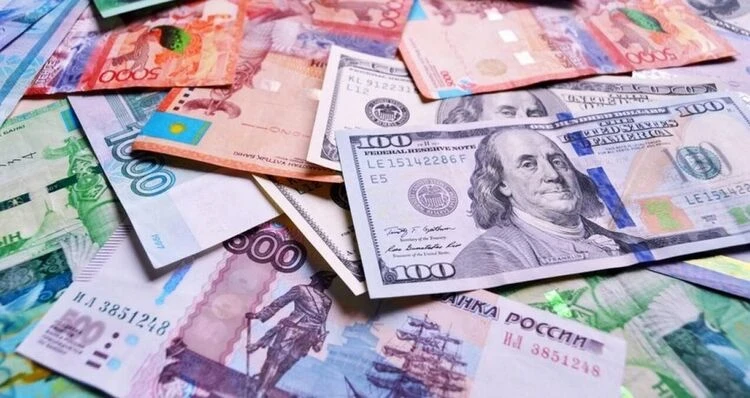
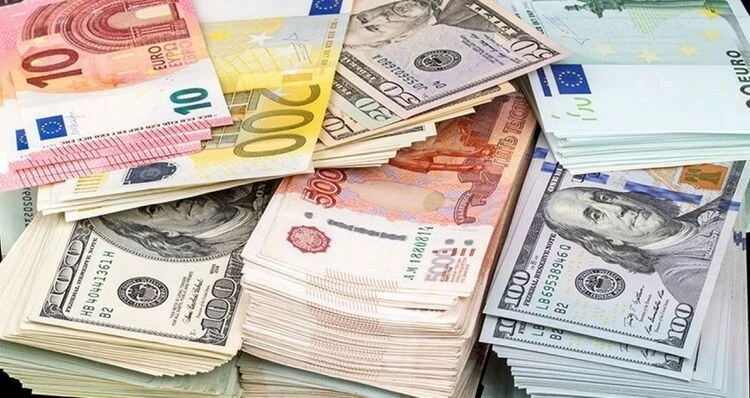
The protests were triggered by a sharp decline in the value of the local rial against the dollar at the end of last year and the accompanying hyperinflation. The real exchange rate reached 1.4 million Iranian rials per dollar, while the official rate set by the Central Bank is significantly undervalued. Amid the economic crisis, the head of the Central Bank resigned, leading to mass protests by merchants, later joined by residents of other cities.
Official statistics show that inflation in December was 42% compared to the same period last year. Prices for medications and medical supplies rose by 50%, while food prices increased by 70%.
The Fars news agency reported six deaths resulting from clashes with police, while state media reported casualties among security forces and injuries among members of the Islamic Revolutionary Guard Corps.
Protesters are raising both economic and political demands. One of the most popular slogans is "Neither Gaza nor Lebanon, my life is for Iran," reflecting citizens' dissatisfaction with the high costs of the state's foreign policy. According to data from the US State Department for 2020, Iran allocates hundreds of millions of dollars to support the terrorist organization Hamas. Additionally, The Wall Street Journal reports that Tehran provided assistance in training militants who carried out mass killings on October 7, 2023.
The current events have become the largest protests in the country in the last three years. In 2022, unrest began after the death of Mahsa Amini, who died after being detained for violating hijab rules.
Donald Trump promised intervention if violence against protesters continues.
The US President noted that Washington is ready to intervene if Tehran continues to use force against participants in peaceful demonstrations. Trump assured that the United States is "ready to help" Iranian protesters through his social network Truth Social.
Trump is known as one of the harshest critics of the Iranian regime. In June 2025, the US struck Iranian facilities linked to its nuclear program.
In response to Trump's threats, Iranian authorities accused the US of inciting protests. Ali Larijani, Secretary of the Supreme National Security Council, condemned Trump's statement and warned that US intervention in Iran's internal affairs would lead to chaos in the region and contradict US interests. An advisor to Iran's supreme leader Ali Khamenei added that intervention would lead to "retaliatory measures."
Source: International Radio France