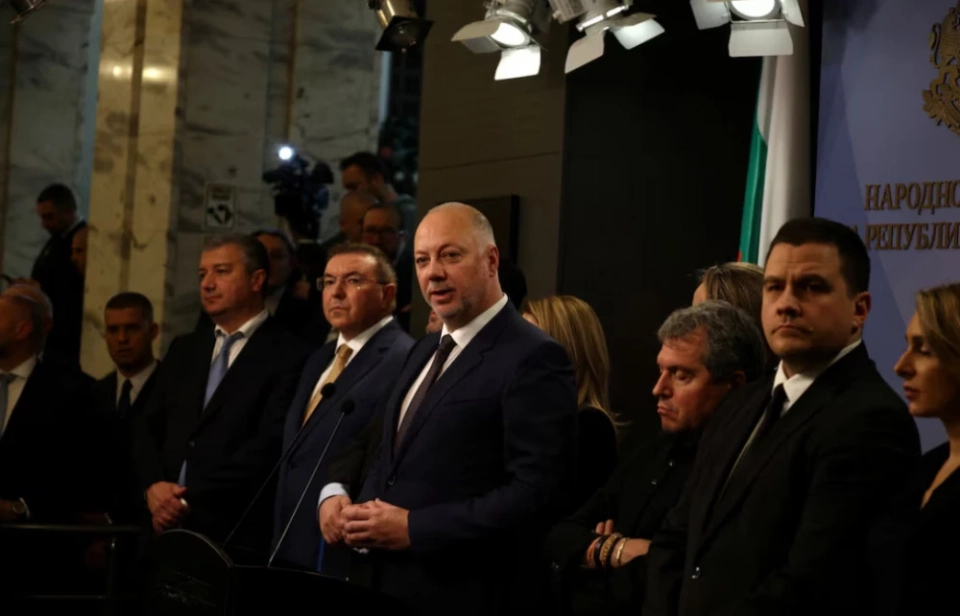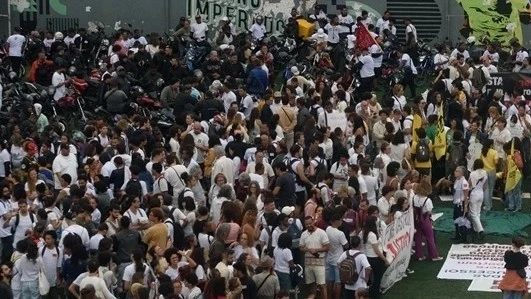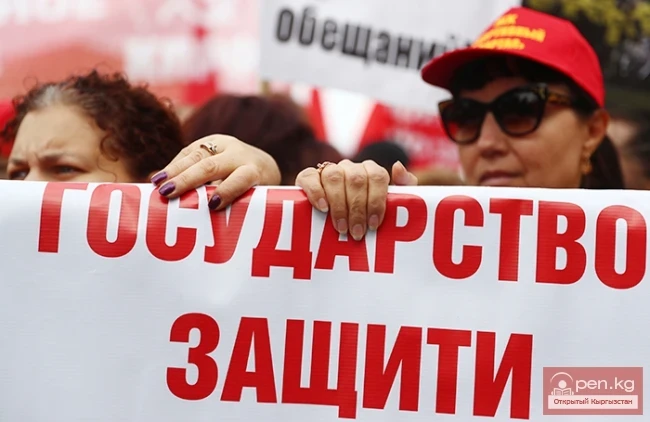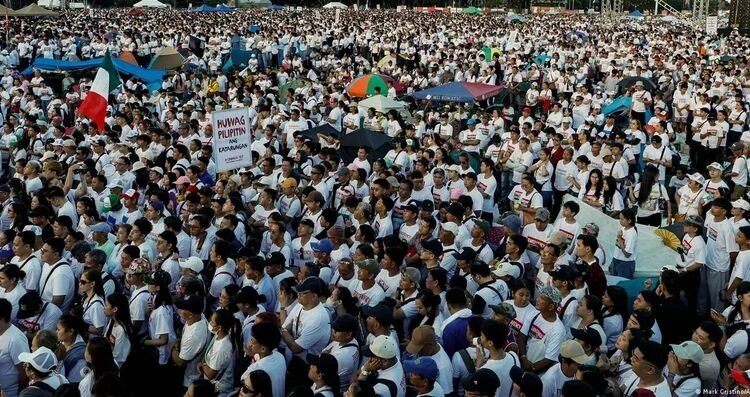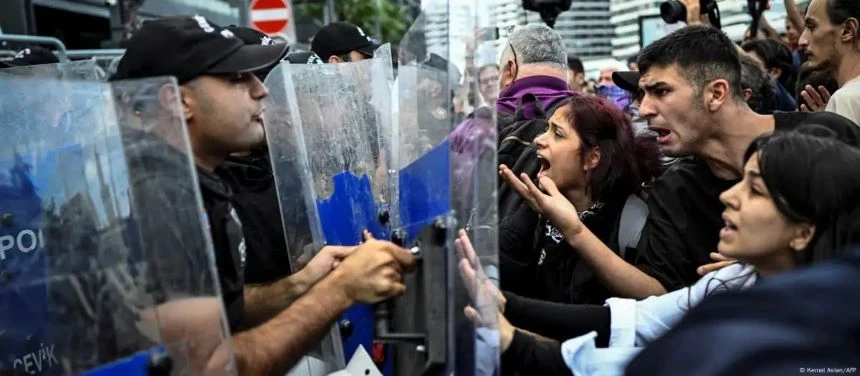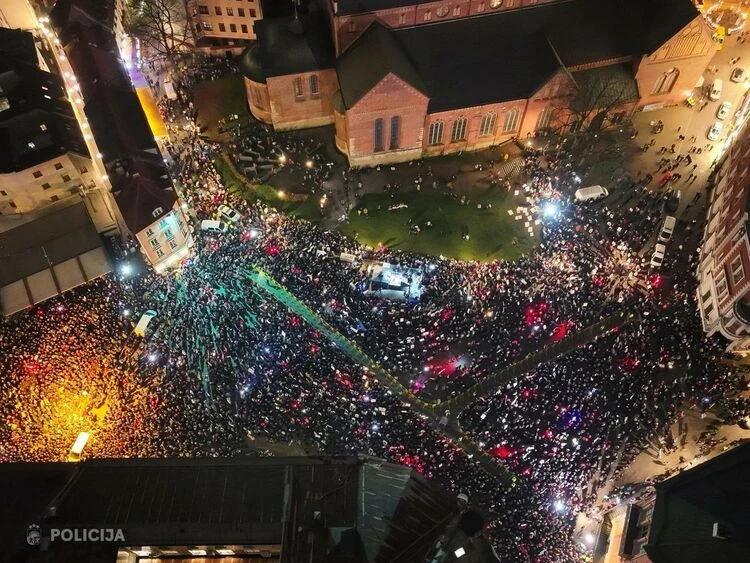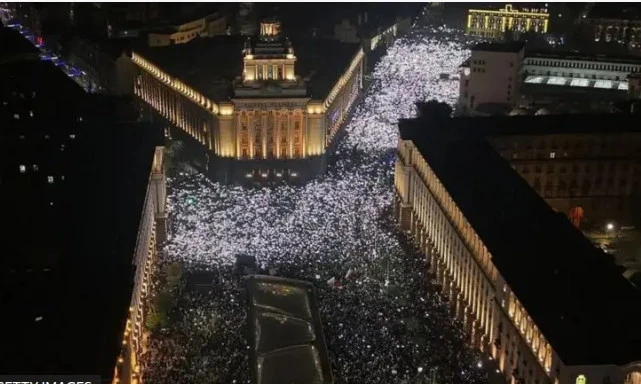
The protesters gathered at Independence Square, known as the "Triangle of Power," numbered between 50,000 and 100,000 people. They demanded the resignation of the government, projecting slogans such as "Resignation" and "Mafia Out" onto the parliament building.
Support for the protesters came from President Rumen Radev, who also called for the government's resignation.
Zhelyazkov made the decision to step down before the vote of no confidence in parliament and just 20 days before Bulgaria's expected entry into the eurozone.
The demonstrators accused the government, which has been in power since January, of corruption. In response to the protests last week, the government withdrew a controversial budget proposal for the next year.
In a televised address, Zhelyazkov noted: "We hear the voice of citizens who are against the government." He emphasized that both the youth and elderly citizens are demanding resignation and added that this civic activism needs to be supported.
According to information from the government website, ministers will continue to fulfill their duties until a new cabinet is appointed.
Zhelyazkov's government has already survived five votes of no confidence, and another vote was scheduled for Thursday.
The protests were also directed against oligarch Delyan Peevski and former Prime Minister Boyko Borisov. The rally on Wednesday took place under the slogan "Resignation! Peevski and Borisov — Out of Power," according to information from the Bulgarian agency BTA.
Peevski, who previously supported the government, is under sanctions from the U.S. and the U.K. for corruption allegations.
Borisov, a member of the GERB party, which is leading in the elections scheduled for October 2024, stated that the coalition parties intend to remain in power until Bulgaria's entry into the eurozone on January 1.
Borisov previously led a government that was overthrown in 2020 as a result of anti-corruption protests. Since then, the country has held seven elections.
Despite the political instability in Sofia, experts believe that Bulgaria's entry into the eurozone is not in jeopardy.
In his resignation statement, the Prime Minister emphasized that the country is facing serious challenges and that citizens should propose "sincere ideas" about what the next government should look like.
According to the Transparency International ranking, Bulgaria ranks among the last in Europe in terms of corruption levels in the public sector, surpassed only by Hungary and Romania.