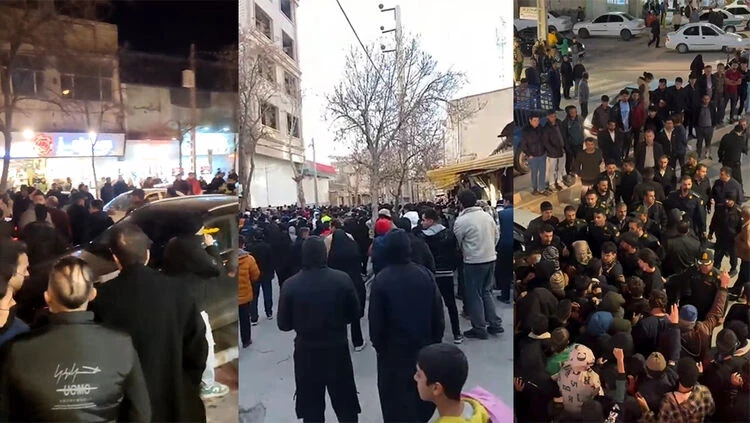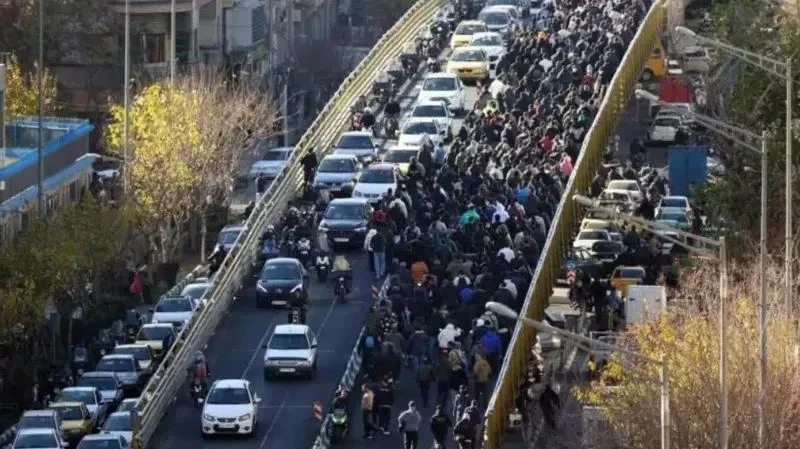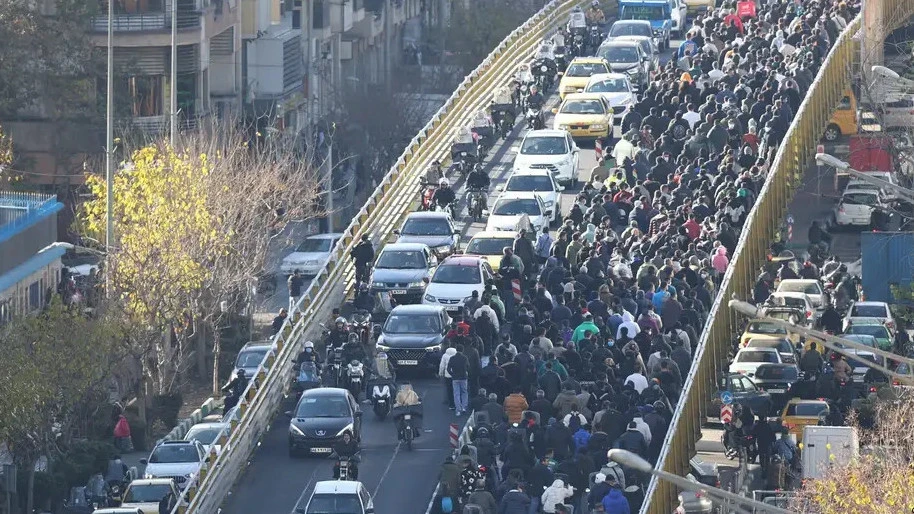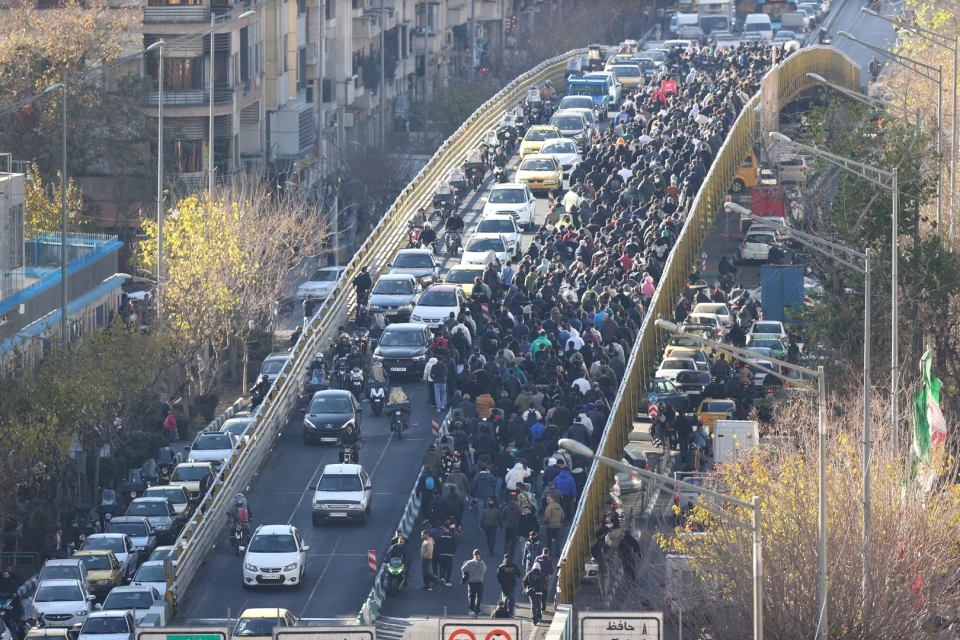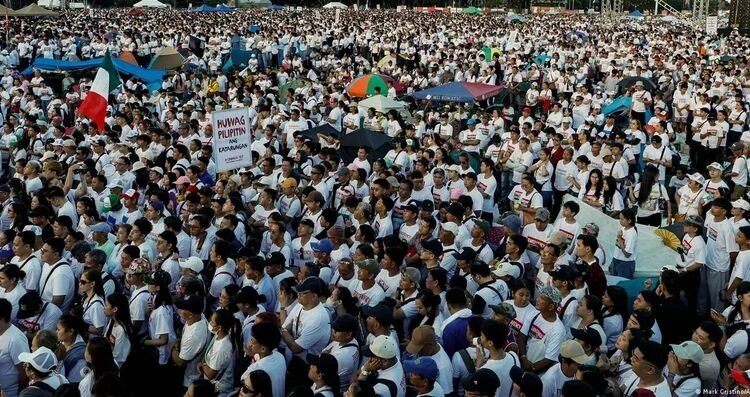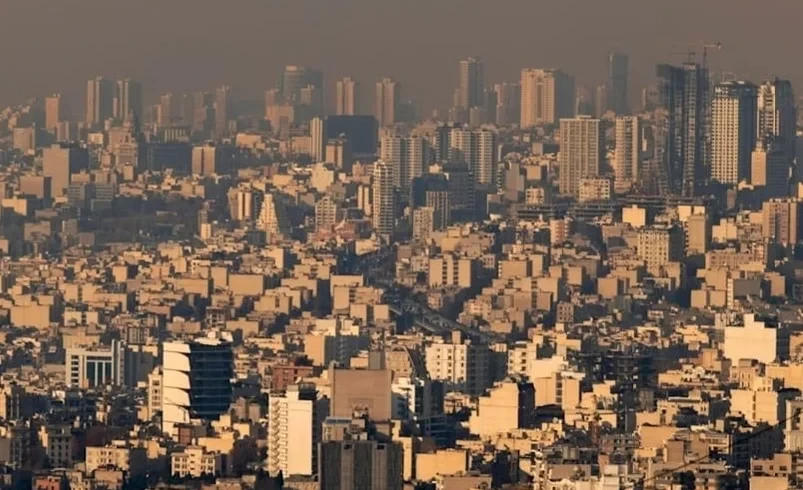
According to the Deutsche Presse-Agentur (dpa), citing the human rights organization Human Rights Activists in Iran and its media network HRANA, protests in the country have been ongoing since late December and have spread to at least 88 cities, covering 27 out of 31 provinces in Iran.
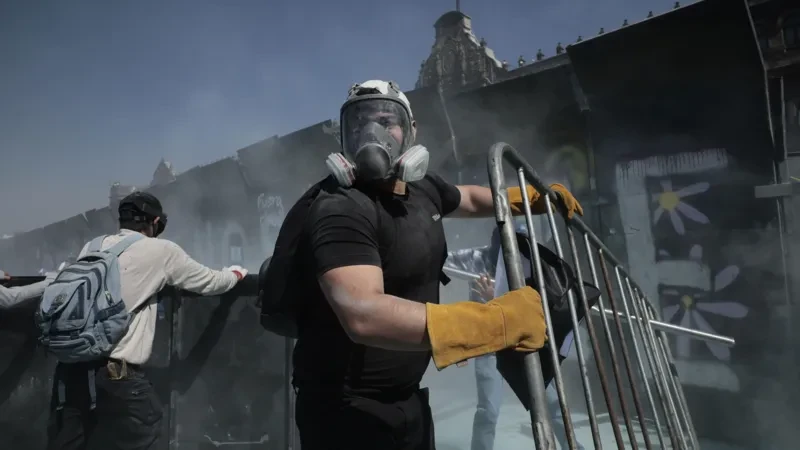
Security forces have used force against demonstrators, especially in smaller towns, which has sparked new protests in major cities such as Tehran and Mashhad. Students from at least 17 universities have also joined the protests. In response, according to reports from student media, security forces have begun raids on campuses.
The Iranian leadership threatens harsh measures against protesters
Of the 35 fatalities, according to human rights activists, 29 were protesters, including four children, as well as two security personnel. Earlier reports indicated the death of a 21-year-old member of the paramilitary Basij during a protest in the city of Kuhdasht, where security forces used weapons to disperse the demonstration, to which protesters responded with stones.
On January 5, Iranian judicial authorities stated that there would be no mercy for the arrested. In 2025, around two thousand people were executed in Iran, which is double the number from the previous year.
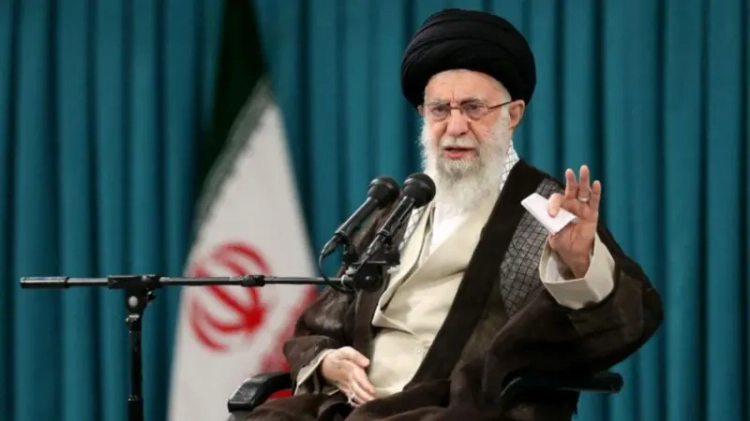
The Times: Khamenei may leave the country in case of protest escalation
According to the British newspaper The Times, 86-year-old Ayatollah Ali Khamenei may leave Tehran if security forces begin to ignore his orders and support the protesters. This "Plan B" concerns Khamenei and his closest associates, including his son Mojtaba.
Former Israeli intelligence officer Benny Sabti, who left Iran after the Islamic Revolution, believes that Khamenei may seek refuge in Moscow, as it would not be safe for him elsewhere. He cites the example of Bashar Assad's flight to Moscow before the rebels captured Damascus.
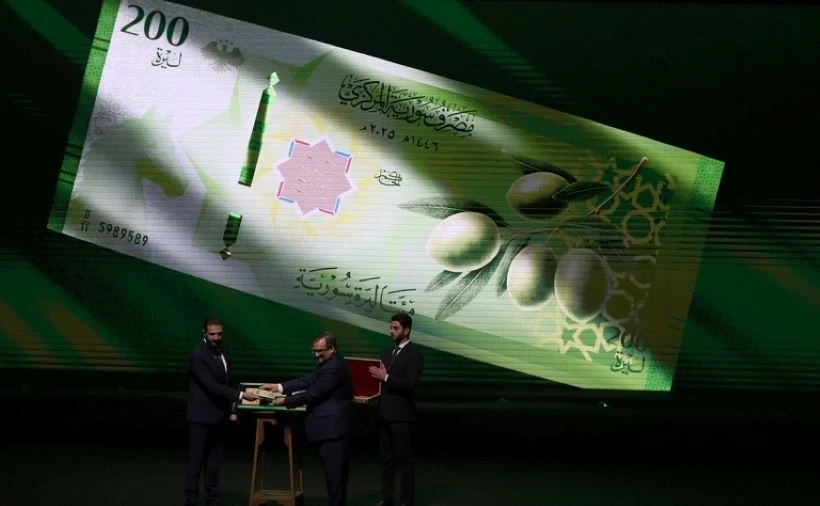
Protests in Iran began on December 28 at the main bazaar in Tehran, where shop owners closed their stores in protest against sharp inflation and price fluctuations. On December 29, the exchange rate of the Iranian rial fell to a record low, approximately 0.00002 euros for one rial. According to the World Bank, food inflation in Iran reached 64.2% in October, making the country one of the hardest hit in this regard.
Source: dw.com