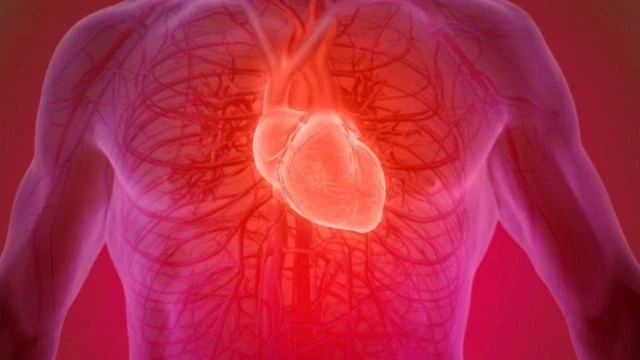
Researchers from Australia have presented compelling evidence that heart muscle cells are capable of regeneration after a heart attack. It was previously believed that as a result of such events, cells die, and tissues lose their integrity.
The death of heart muscle cells has long been considered a key factor leading to reduced functionality of this organ, which becomes less effective at pumping blood after a heart attack. However, new research has demonstrated that while a heart attack does indeed cause scarring of the heart, it does not prevent the growth of new muscle cells, as reported on the University of Sydney's website.
The authors of the study noted: "This is the first instance where mitosis of cells in human heart muscle has been demonstrated." These findings were obtained based on models of living heart tissue.
In the course of further experiments, various proteins involved in the regeneration of heart tissue were identified. This discovery is significant for future clinical applications. Ultimately, scientists aim to develop methods for creating new heart cells to prevent the development of heart failure after a heart attack or to reverse existing complications.
Previously, other researchers discovered a key gene that plays a role in heart recovery after a heart attack. Combining the results of these two studies could significantly enhance the effectiveness of a new approach to regeneration.