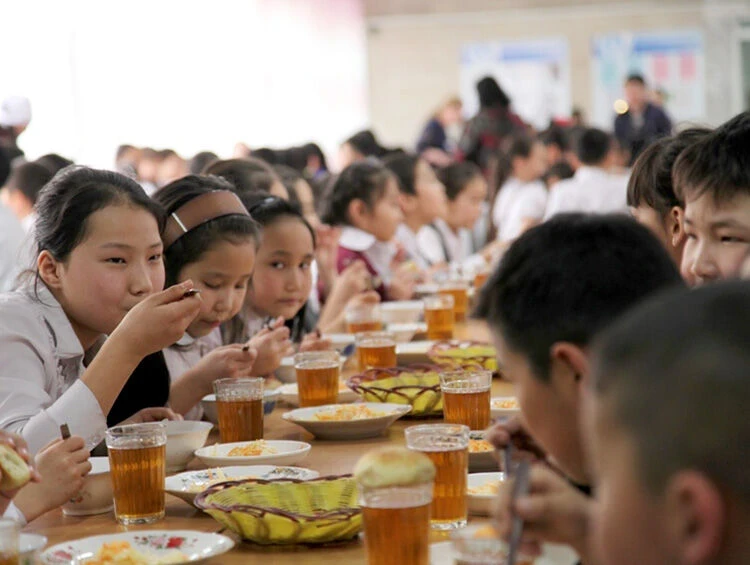
The World Health Organization (WHO) has presented its first global recommendations regarding balanced and healthy nutrition in educational institutions. This information was announced by the UN News Service.
According to the new recommendations, WHO emphasizes that proper nutrition in schools plays an important role in forming healthy eating habits in children throughout their lives.
The problem of overweight and obesity among children is becoming increasingly relevant worldwide, alongside serious cases of malnutrition.
By 2025, the rate of childhood obesity will exceed the number of cases of underweight for the first time.
As of last year, about 10% of children and adolescents suffered from obesity, and 391 million children were overweight. Moreover, a recent WHO report showed that over 800 million people worldwide, including one in six pregnant women, suffer from diabetes.
As of October 2025, 104 WHO countries will implement healthy eating policies in schools, but only 48 of them have introduced restrictions on the marketing of products containing high levels of sugar, salt, or harmful fats, as noted by the organization's experts.
The school food environment shapes the eating habits of millions of children who spend most of their day in educational institutions.
WHO
WHO Director-General Tedros Adhanom Ghebreyesus stated: "The quality of nutrition that children receive at school and the environment that shapes their eating behavior can have a significant impact on their educational achievements and have long-term consequences for their health and well-being."
He added that proper nutrition in the school system is a key aspect of disease prevention in the future and contributes to the formation of a healthier adult population.
WHO suggests increasing children's access to healthy foods and beverages while reducing the number of unhealthy products. This includes reducing the content of sugar, trans fats, and salt, as well as increasing the share of whole grains, fruits, nuts, and legumes in the diet.
To implement these recommendations, the World Health Organization plans to provide technical assistance to states, share knowledge, and develop various forms of cooperation.
- It was previously reported that in Kyrgyzstan, 14 soms are allocated per day for the nutrition of one primary school student. In Bishkek, this amount is 22 soms, while in Osh it is 15 soms from local budgets.