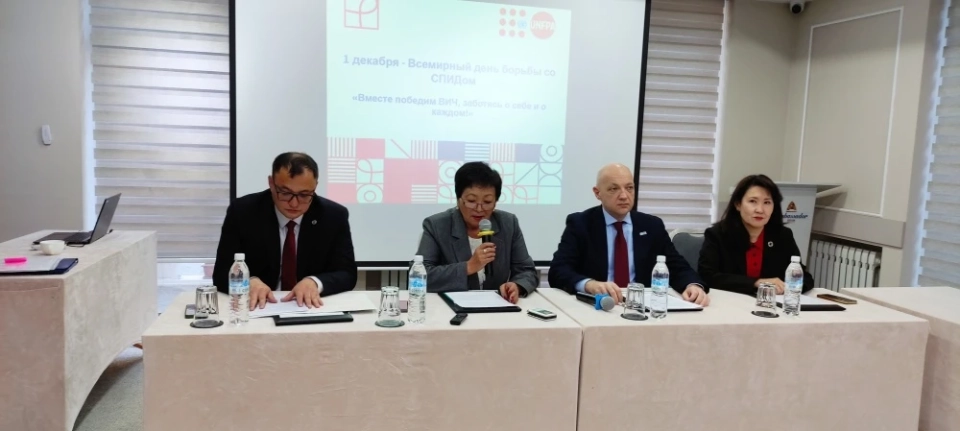
The most important task set by the UN and WHO is to reduce the spread of HIV by 2030. In Kyrgyzstan, the main task of UNFPA is to collaborate with the Ministry of Health to protect reproductive health, especially among mothers, girls, and adolescents, including HIV prevention through education and improved access to services.
Reproductive health plays a key role in the overall well-being of the nation. It encompasses aspects such as family planning, maternal health protection, and the prevention of sexually transmitted infections, including HIV/AIDS. However, in Kyrgyzstan, there are significant barriers to implementing this concept, including a lack of information about contraception, limited access to quality medical care, and the stigmatization of people living with HIV. All these factors hinder the improvement of the reproductive health situation.
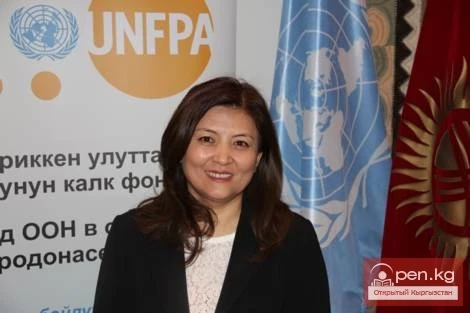
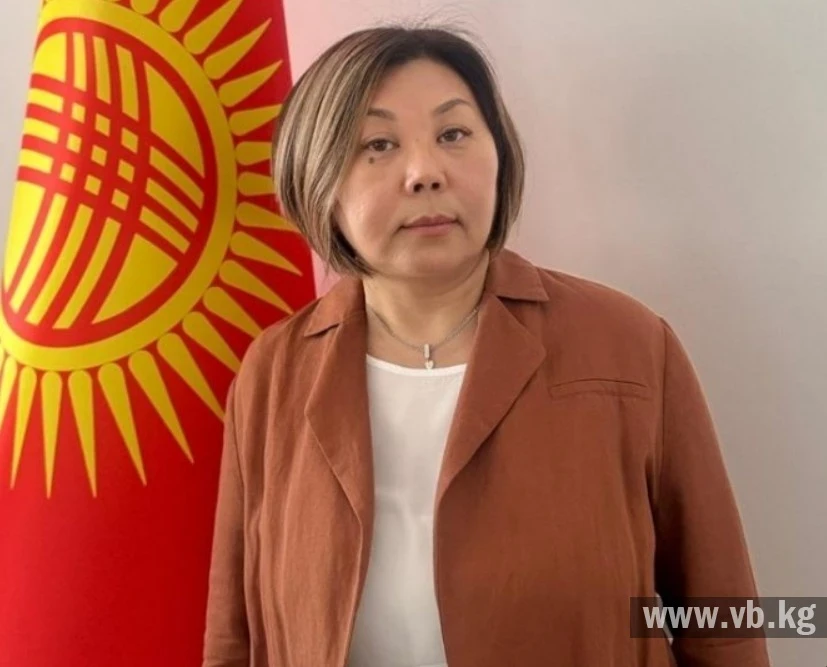
What do you think are the main factors contributing to the spread of HIV in the country? We posed this question to Damira Abakirova.
- In Kyrgyzstan, the HIV epidemic is at a concentrated stage, with a prevalence of 0.2 percent in the general population. However, among vulnerable groups, such as people who inject drugs, this figure is significantly higher — 12.5 percent. Since 2011, there has been a sharp reduction in HIV transmission through injection by 90 percent, while sexual transmission has increased by 64 percent. In 2023, about 40 percent of new infections were among women, sharply contrasting with the figure of ten percent in 1996. This underscores the need to strengthen preventive programs aimed at women and their partners, especially among vulnerable groups.
Research has shown that 61 percent of respondents are aware of HIV transmission routes, but only 36 percent of them are informed about prevention methods. As a result, only 25 percent of respondents have a complete understanding of HIV, indicating significant gaps in education.
Sexually transmitted infections remain a serious public health issue in Kyrgyzstan. The most common STIs, such as syphilis and gonorrhea, show sharp fluctuations in incidence across different regions, increasing the risk of HIV transmission and requiring active measures, including expanded access to testing and treatment.
Particularly vulnerable groups include adolescents, women from rural areas, migrant workers, people who inject drugs, individuals with disabilities, prisoners, and women providing intimate services. These categories face numerous barriers that limit their access to necessary medical services. To address these issues, it is crucial to intensify cooperation between government agencies, NGOs, and the private sector, which will enhance the quality and accessibility of medical services and improve reproductive health.
In recent years, there has been a significant change in the gender distribution of HIV cases. While men predominated at the beginning of the epidemic, the number of cases among women is now increasing. Over 17 years, registered HIV cases among men have decreased by 29 percent, while among women, this figure has increased by the same 29 percent. Since 2012, this change may be linked to various socio-economic factors and changes in societal behavior, making women more vulnerable to HIV due to insufficient protection during sexual contacts and limited access to preventive services.
The increase in sexual transmission of HIV also highlights the need to raise public awareness about preventive measures. Sexual transmission remains the primary route for both men and women. The proportion of men infected through sexual contact has risen from 79% in 2021 to 88% in 2023, while among women, this figure increased from 87% to 93% over the same period.
Between 2021 and 2023, the distribution of new HIV cases by age groups changed. In the 0-4 age group, incidence decreased from 21 cases in 2021 to 7 in 2023, which may indicate improved prevention among newborns. In the age groups 15-19 and 20-24, the number of new cases remains stable at around 71-72 per year, while there is a slight increase in the 25-29 age group.
In the 30-34 age category, the number of HIV cases increased from 137 to 149. Among adults aged 35-39, incidence rose from 127 cases in 2021 to 169 in 2022, then decreased to 148 cases in 2023. In the 40-49 age group, there is a sharp increase from 165 cases in 2021 to 255 in 2023, indicating a rise in new cases among middle-aged individuals. There is also a steady increase among those over 50 years old: from 118 cases in 2021 to 191 in 2023.
The high number of new HIV cases among older adults is linked to several factors. Many live with the infection in adulthood without realizing it, as testing occurs less frequently. This leads to late diagnosis and an increase in registered cases among individuals over 35-40 years old. In new or extramarital relationships, older adults also use protection less frequently, especially after divorce or the loss of a partner, which increases the risk of infection.
A lack of awareness about prevention methods among the older generation may be linked to the widespread belief that HIV is a youth problem, which reduces testing coverage. Changes in personal life can lead to new relationships without adequate protection. In mature age, attention to sexual health often decreases, as many believe that infections do not concern them, which reduces their willingness to test and seek prevention. This highlights the need to strengthen preventive measures in middle-aged and older groups, where the increase in new cases is most noticeable.
Discrimination against people living with HIV remains a pressing issue. For example, the percentage of women who would refuse to buy vegetables from an HIV-positive seller has only decreased by 7.6% (from 59.6% in 2018 to 52% in 2023). The percentage of those who believe that children with HIV should not attend educational institutions has remained virtually unchanged (45.3% in 2018 and 46% in 2023). This indicates the deep-rooted nature of stereotypes in society and the possible ineffectiveness of existing measures to combat HIV.
There is a significant difference in the knowledge of migrant workers about HIV. For instance, awareness that sexual contact with one uninfected partner reduces risk varies from 77% in Osh to 93% in Jalal-Abad and Sokuluk. Understanding the importance of using condoms also differs: in Sokuluk, this figure reaches 92%, while in Nookat, only 67% of migrants are aware of this.
There are also differences in understanding the role of antiretroviral therapy. In Jalal-Abad and Osh, 72% of respondents understand that ART reduces the risk of HIV transmission, while in Sokuluk, only 49% do. Awareness that an HIV-positive pregnant woman can reduce the risk of transmitting the virus to her child with regular ART remains low, especially in Nookat (52%) and Sokuluk (44%). Understanding that a person who looks healthy can be HIV-positive is best developed in Sokuluk (94%), while in Nookat, only 54% of respondents are aware of this. However, only a small proportion of migrant workers answered all questions about HIV correctly.
Damira, do you think there is a paradoxical situation with migrant workers? Medical professionals cannot legally compel them to undergo testing, which is seen as a violation of human rights. Thus, the state, while protecting the rights of migrants, violates the right to health of their spouses. It turns out that the state is unable to solve this problem, which is one of the main reasons for the spread of HIV? What is your opinion?
- Yes, this problem exists, and it needs to be addressed. A mechanism for providing preventive services to migrants from the "at-risk" group is being developed in the new state program. This will require joint efforts from the Ministry of Health, border and customs services, as well as the individuals themselves, who must take responsibility for their health and the health of their families.
The state should reconsider its priorities. The economy and tourism are important, but without a healthy society, they cannot develop. It is also necessary to enhance the authority of medical professionals, which will affect trust in them. This leads to another problem — self-medication, which concerns not only HIV but also other diseases that can have serious consequences.
How are reproductive health issues related to the availability of contraception, including HIV prevention? Previously, contraceptives were provided free of charge to migrants in clinics and universities...
- Currently, the availability of contraceptives in the country has decreased. Until 2015, UNFPA, as one of the UN agencies, supplied contraceptives as humanitarian aid, which were then distributed to the Ministry of Health. Since 2015, Kyrgyzstan has transitioned to the category of middle-income countries and no longer receives humanitarian aid, including condoms.
As a result, access to contraceptives has sharply declined. They are no longer distributed in medical institutions as they are unavailable. Condoms can be purchased in stores and pharmacies, but judging by the rise in cases not only of HIV but also of syphilis and gonorrhea, not everyone is using protection. Perhaps not everyone can afford to buy them, and the quality is also questionable.
Nevertheless, there is positive news. In 2022, the President signed a decree allowing the procurement of medical supplies through UN agencies. We are currently signing a memorandum with the Ministry of Health and the Cabinet of Ministers regarding the procurement of medicines and medical devices from UNFPA catalogs. These catalogs include medications for maternal health and contraceptives, including condoms. According to the memorandum, the country can purchase high-quality medications at factory prices. Condoms are included in the list of essential supplies, and their distribution among those in need is possible even at the primary healthcare level. This will be an important step forward.
A seven-year plan for the procurement of contraceptives for women from the medical-social risk group for 2024-2030 has also been developed. According to this plan, Kyrgyzstan will annually increase the volume of purchases by one million soms from the manufacturer. This will ensure that Kyrgyz citizens have access to quality and affordable medications and contraceptives.
Can we say that the high level of gender discrimination and the low social status of women increase their risk of HIV infection? What measures is UNFPA taking to reduce this risk? Please provide examples.
- One such group is the wives of migrants. If they are infected by their husbands upon their return, it will be difficult for them to prove it. Moreover, due to their dependent status, they may not even want to do so, especially if they live in rural areas. Unfortunately, the stereotype that the woman is to blame still exists, and, based on our observations, this trend continues to grow.
The state provides support to children who contracted HIV in hospitals. They belong to the medical-social group and receive medical and social assistance for free. However, many are unaware of their rights and the available support programs.
This year, the world is facing the most serious financial crisis in the fight against HIV in decades. How might this affect Kyrgyzstan?
- Yes, the sharp reduction in international assistance exacerbates financial problems in the fight against HIV. However, this does not mean the closure of all programs. We will continue our work, and the state is making efforts for preventive measures within the framework of the new State Program. Organizations such as the Global Fund to Fight AIDS, Tuberculosis, UNICEF, and UNFPA are operating in Kyrgyzstan, and together we can achieve significant results.