The country offers wellness tourism at natural thermal springs
Modern tourist trends lead travelers to choose not only new places but also meaningful experiences more often. Wellness tourism is gradually being redefined, including trips that promote personal transformation through ancient healing traditions, natural rituals, and recovery programs. In 2025, Turkey was recognized as the best destination for wellness tourism according to the Matador Network Travel Awards, highlighting the diversity of restorative practices offered in the country.
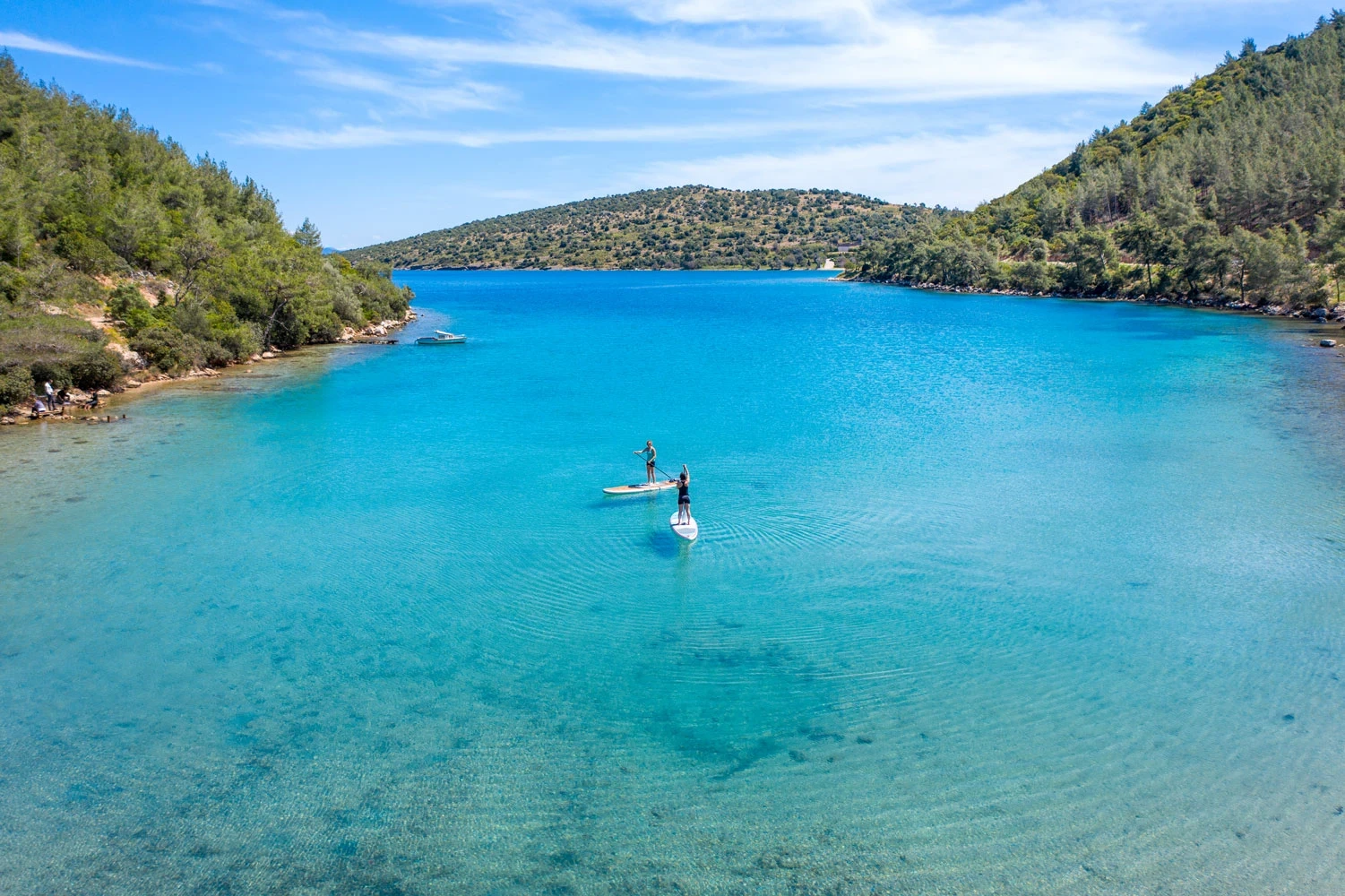
Turkey offers the highest level of wellness vacation this winter, whether you are traveling alone, with family, or with multiple generations. Let's explore the main opportunities that make winter a time for recovery and health.
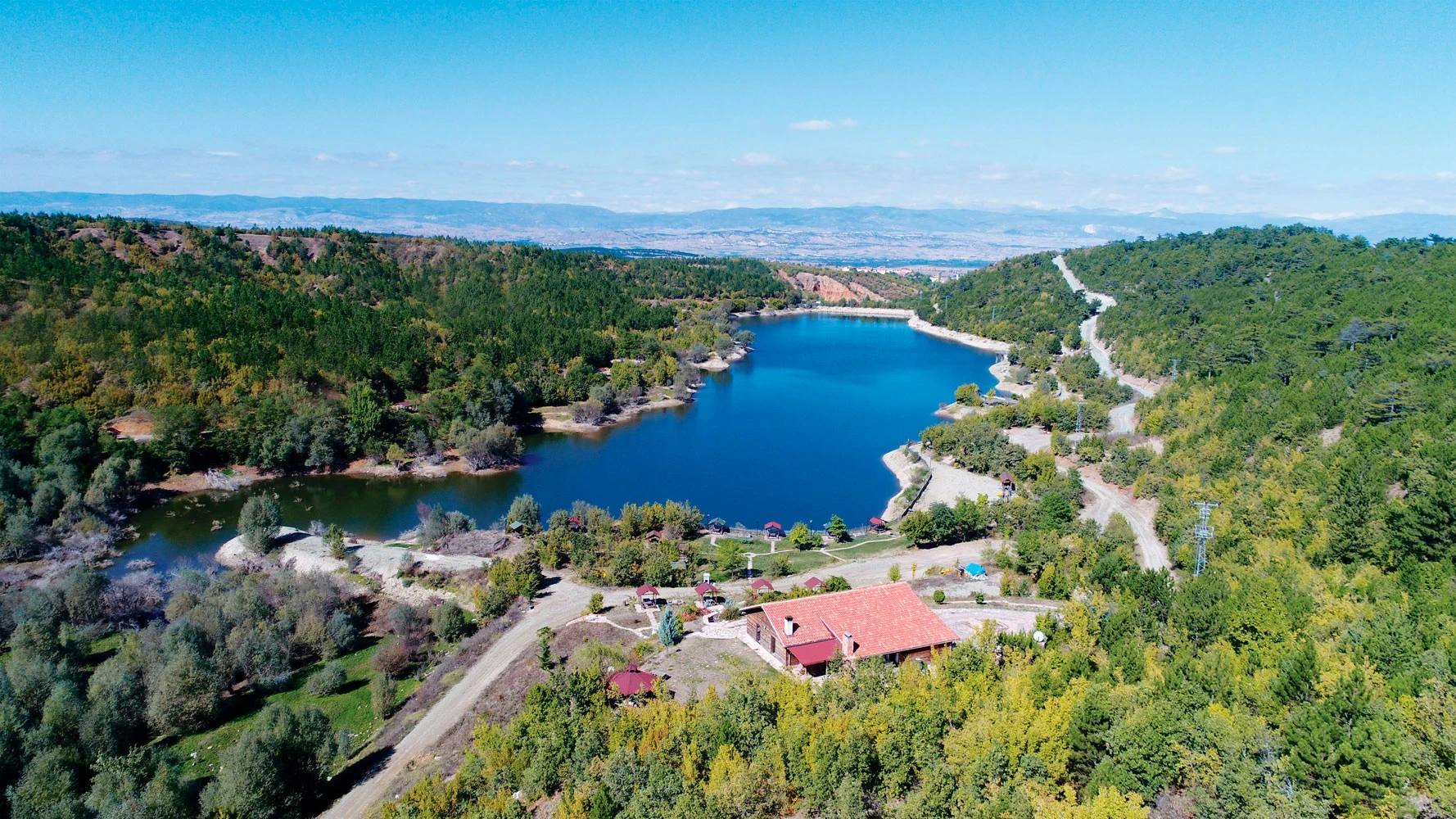
Wellness tourism at thermal springs: a classic of winter in Türkiye
With roots going back to ancient times, Turkey is one of the leading destinations for wellness tourism. Anatolia, home to famous centers such as Hierapolis and Pergamon, has been enriched by healing thermal waters for centuries. Currently, Türkiye ranks seventh in the world and first in Europe in the number of thermal springs, which exceeds 1,500. Regions such as Afyonkarahisar, Bursa, and Pamukkale in Denizli province form the European route of historical thermal cities, highlighting the richness of the country's thermal heritage.
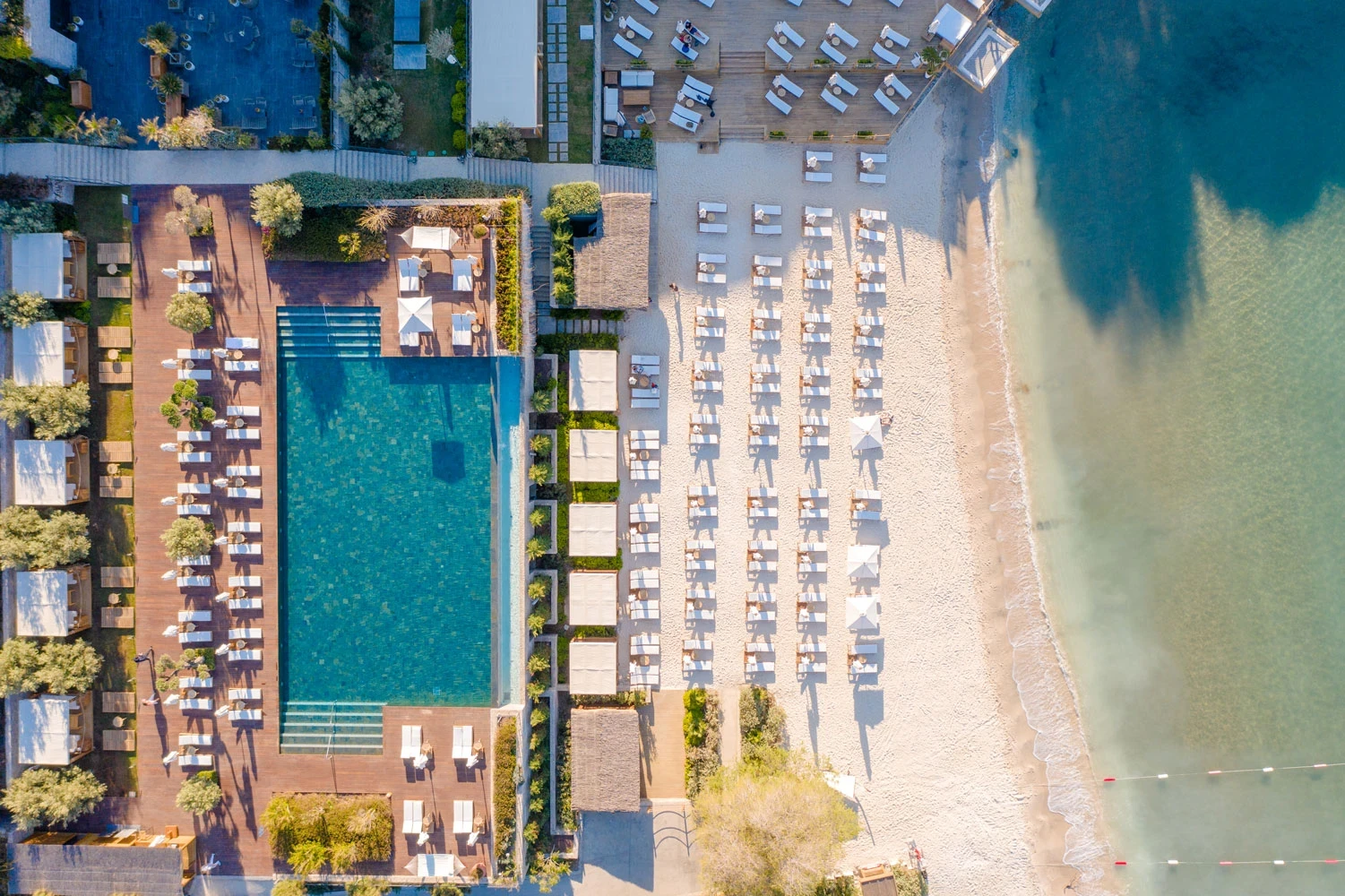
Afyonkarahisar is famous for its mineral waters and therapeutic mud baths, valued for their rejuvenating and health-giving properties. In Bursa, thermal culture has firmly entered everyday life and modern medicine, including physiotherapy. Pamukkale, a UNESCO World Heritage site, and the ancient Hierapolis attract tourists with their mineral terraces and healing pools, among which is the famous ancient pool where, according to legend, Cleopatra bathed. Additionally, Türkiye offers numerous thermal cities—from Balıkesir to Yalova and from Aydın to Bolu—with year-round stable water temperatures.
SPAs and hammams: recovery within wellness tourism
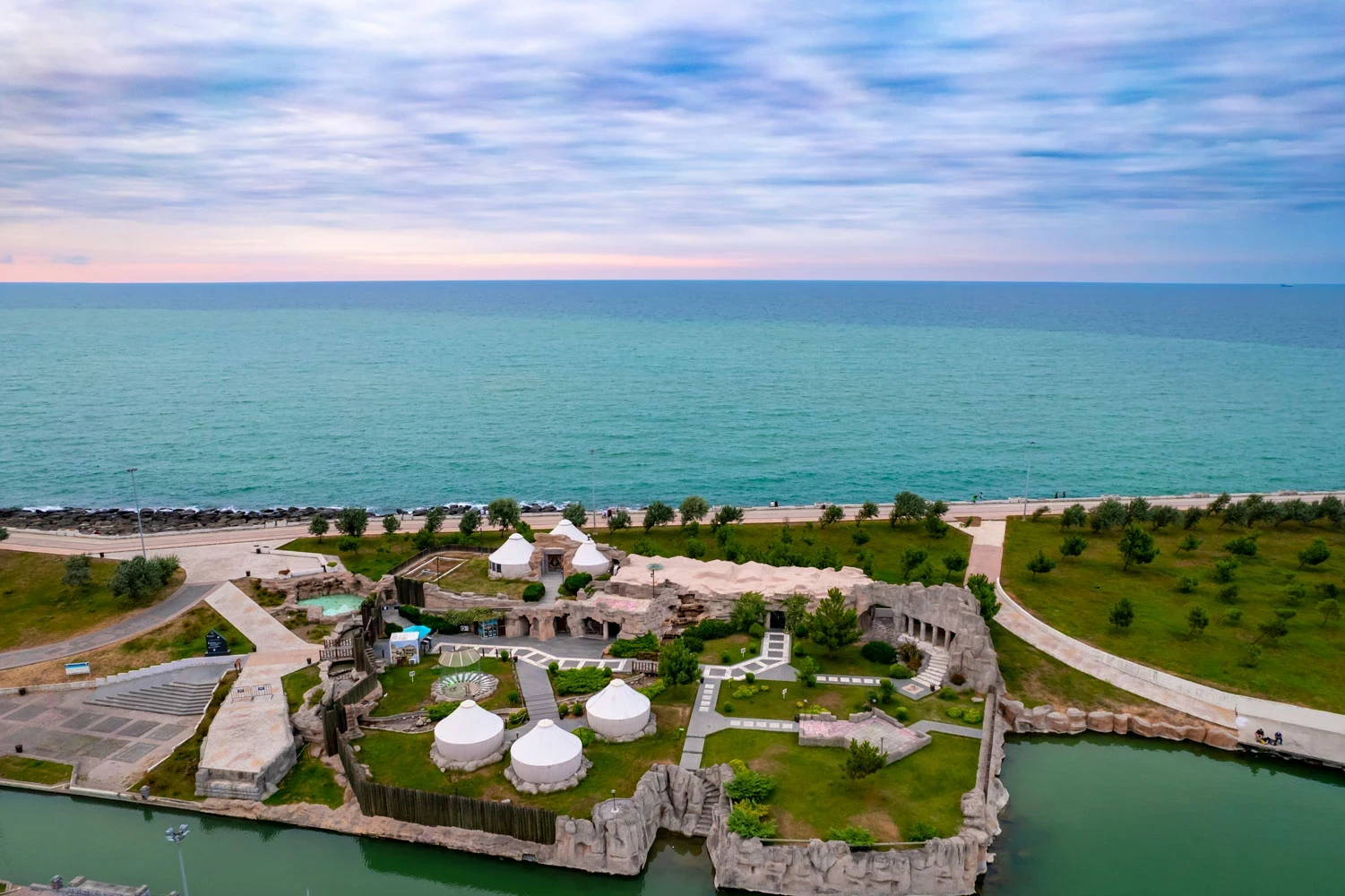
The culture of hammams, with its centuries-old history, is an important part of wellness tourism in Turkey. Guests are invited to rejuvenate in historic Turkish baths, enjoying steam treatments, cleansing scrubs, and relaxing soap massages.
The Turkish hammam is not just a relic of the past, but a living tradition that remains relevant today. This authenticity and historical depth have secured Istanbul's Zeyrek Çinili Hamam a place on the Time – World’s Greatest Places 2024 list, as well as in the National Geographic “Best of the World Wellness Experiences 2026” ranking in the wellness tourism category.
Modern SPA centers and wellness facilities in major cities and resort areas offer a combination of traditional hammams with modern amenities such as saunas and jacuzzis. A variety of services are available here, including massages, thalassotherapy, and personalized training programs.
Wellness tourism in harmony with nature
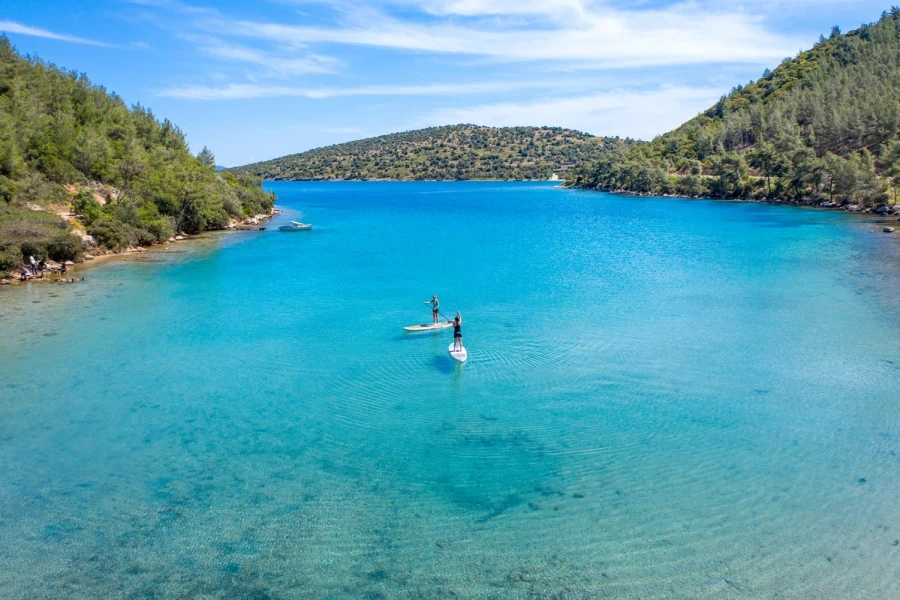
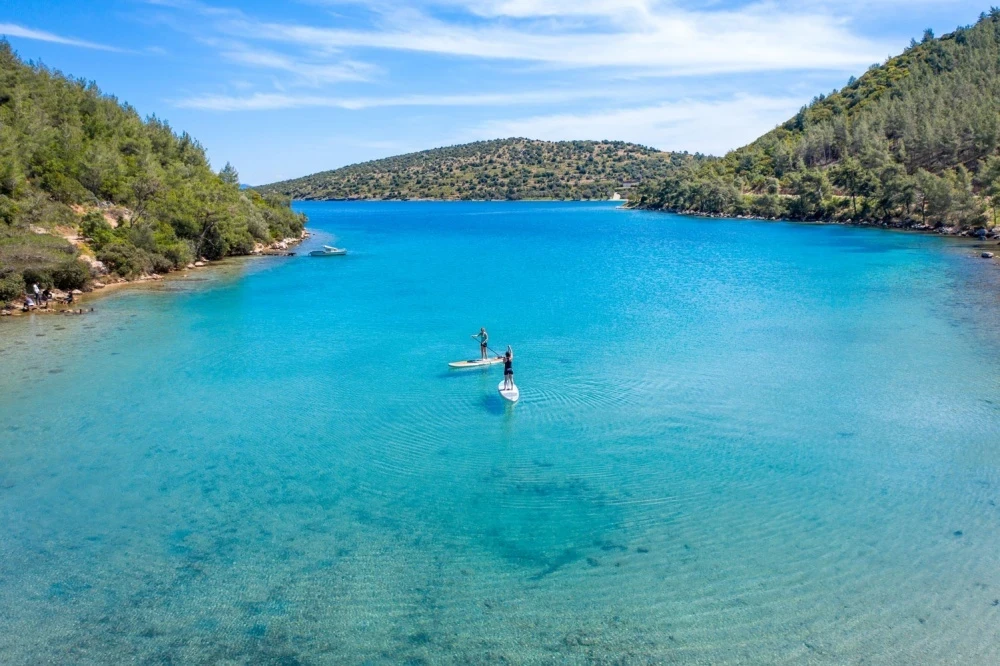
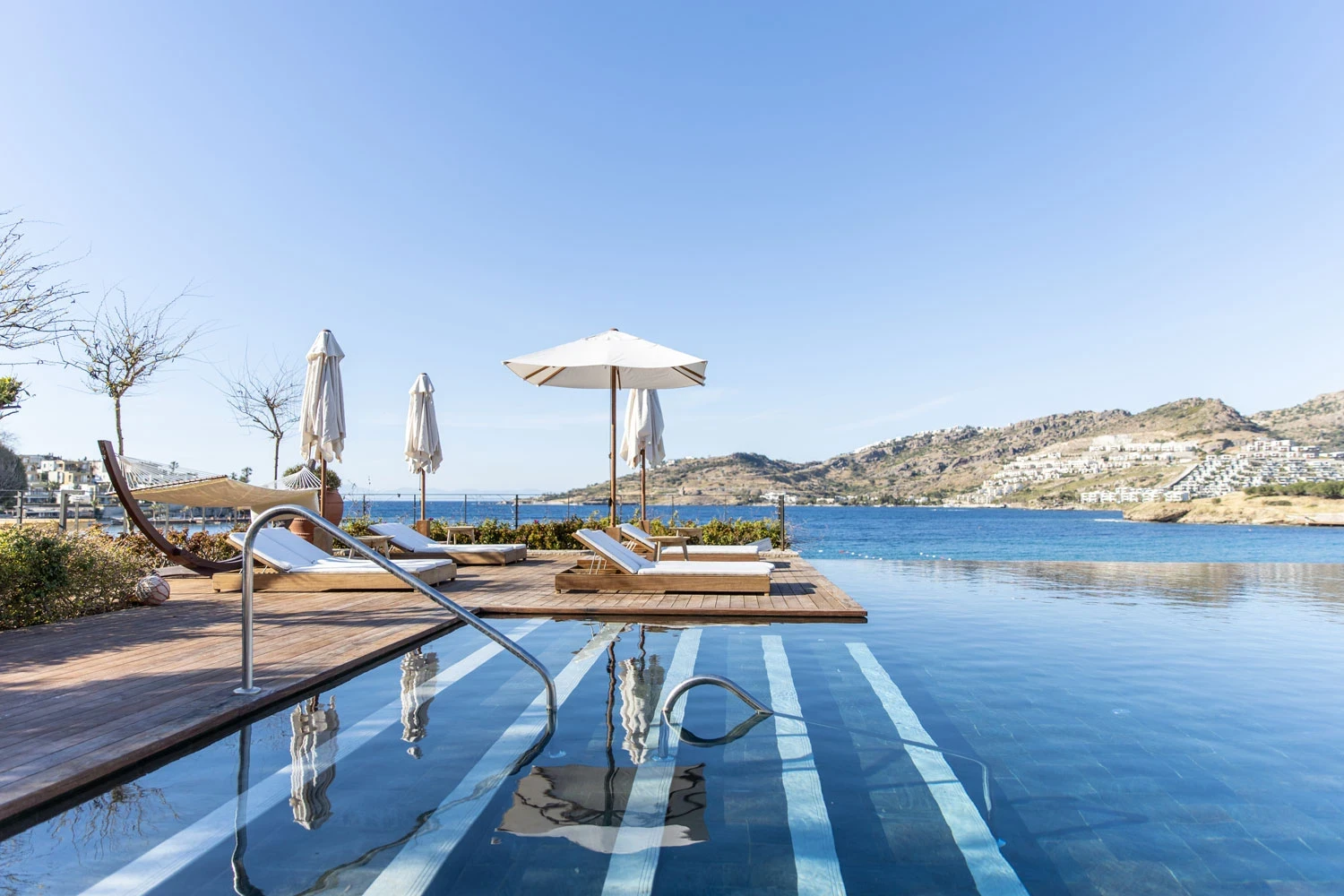
Within wellness tourism, more travelers are seeking opportunities to disconnect from the daily hustle and reconnect with nature. In coastal areas such as Bodrum, Fethiye, and Antalya, Turkey offers yoga retreats, organic farms, and detox centers, creating ideal conditions for recovery by the sea. Programs typically include yoga, pilates, breathing practices, and balanced nutrition.
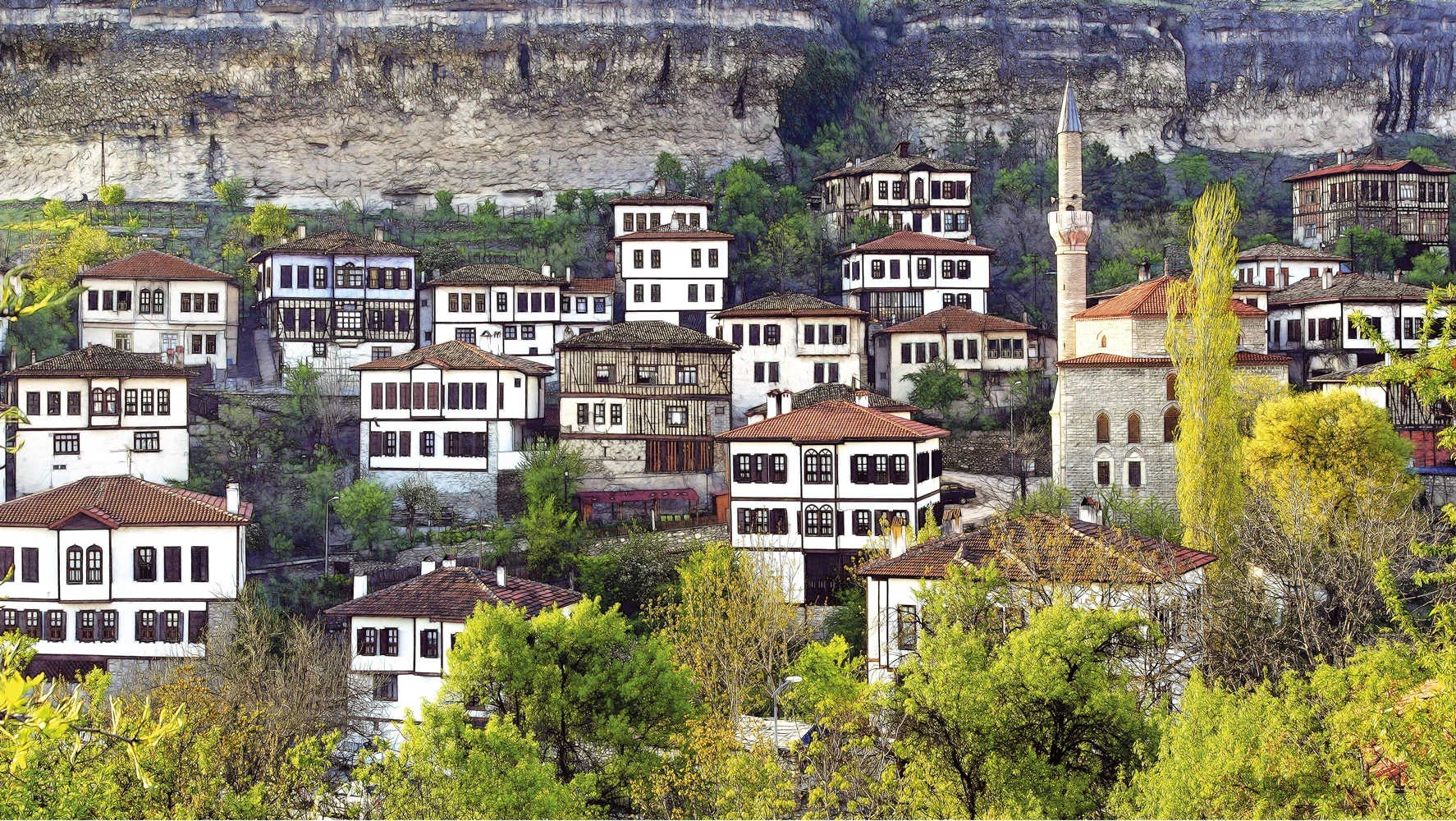
In addition to organized retreats, the cities of the Cittaslow network and villages recognized as Best Tourism Villages offer tranquil alternatives for wellness tourism based on the natural environment and local way of life. The Black Sea region, which National Geographic named one of the best travel destinations in 2026, impresses with its mountain plateaus and wooden houses, while hiking and biking trails beautifully complement wellness programs.