The story of grandeur, crises, and attempts to revive the legendary Frunze industrial giant
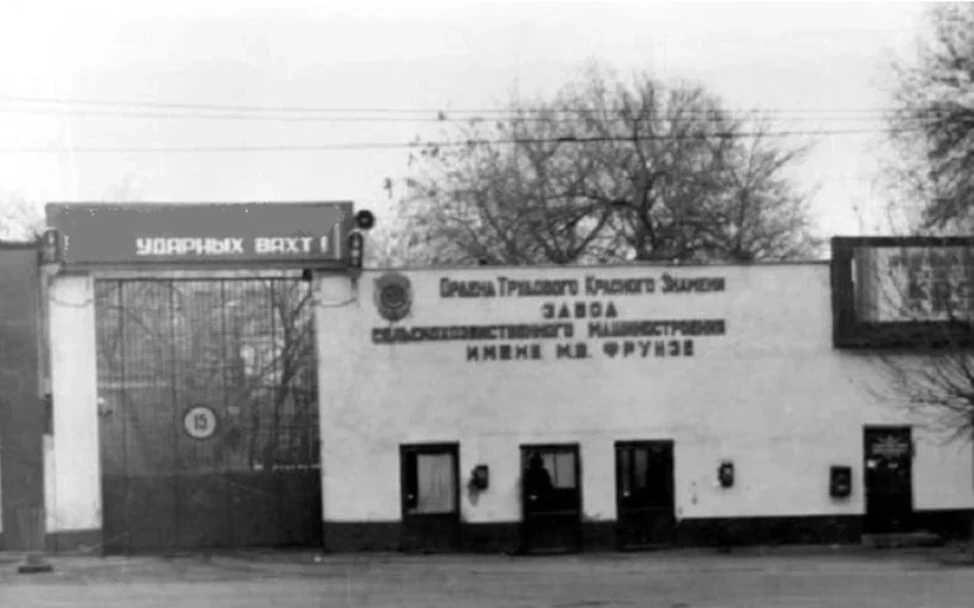
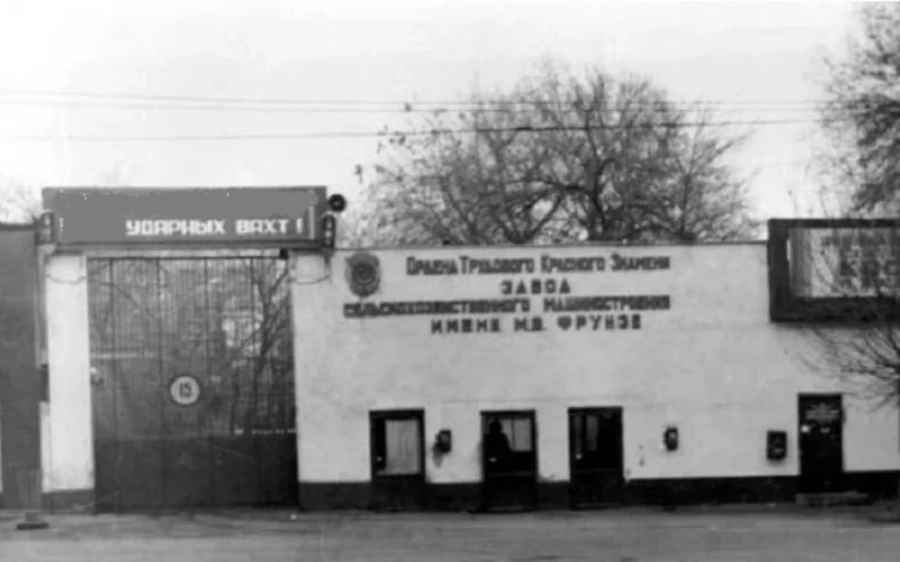
The agricultural engineering plant named after M.V. Frunze, known as «Selmash», was one of the most significant industrial facilities in the USSR, playing a key role in providing the country's agriculture with machinery and components. Its products were used from Central Asia to Siberia, and the plant itself became the foundation for the creation of urban neighborhoods with residential buildings, social facilities, and cultural centers.
In practice, «Selmash» became a lifeline for many families, and for Frunze, it was an important element of the industrial structure of the Union. In this article, we will tell the story of this unique plant, which became a symbol of an entire era when fraternal republics united to create a powerful economy and industrial base.
The Beginning and Formation (1920s-1930s)
The history of «Selmash» begins long before its official opening. In the 1920s, mechanical workshops of the cooperative «Intergelpo» appeared in Pishpek, created by Czechoslovak specialists who came to assist the young Soviet republic. The name «Intergelpo» translates from Esperanto as «mutual assistance» and reflected the philosophy of this project.
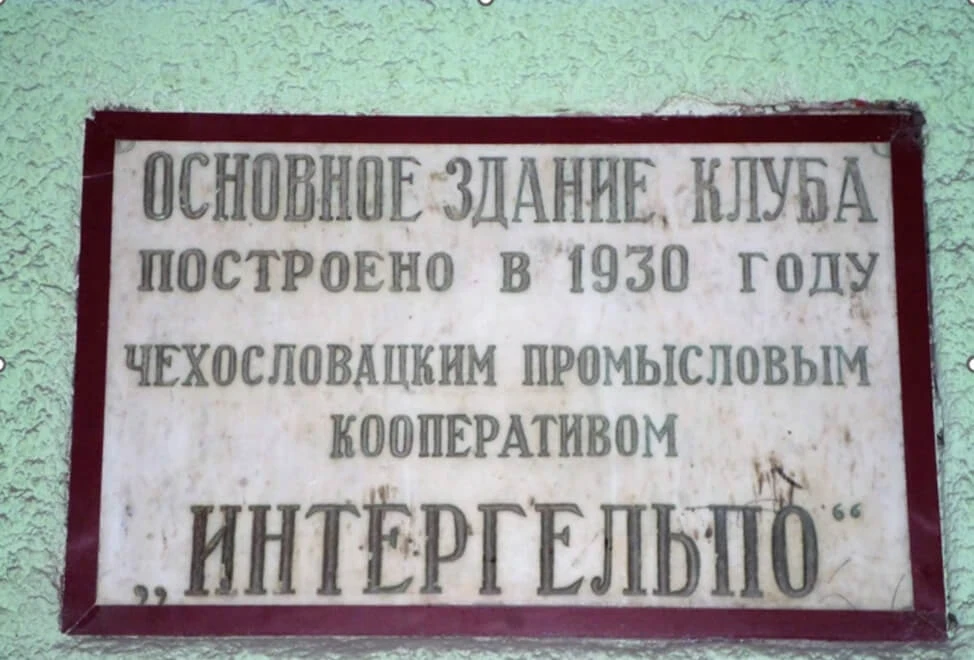
Over several years, a team of more than a thousand specialists managed to create a full-fledged industrial and residential area. Workshops, schools, clubs, and parks emerged around the plant, becoming one of the first examples of a comprehensive approach to creating industrial infrastructure.
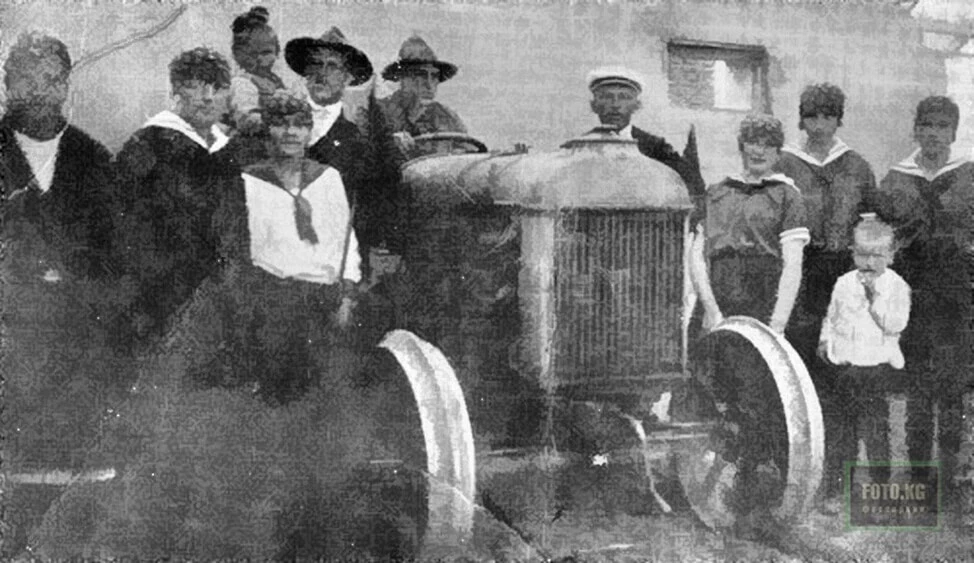
Workers of «Intergelpo» and the first agricultural machines. An era when the industry was created by the workers themselves
Among those connected with «Intergelpo» was Julius Fucik, a well-known Czech journalist and anti-fascist, who highly praised the cooperative's work in 1930. In his honor, a park in Frunze was named after him, which became a place of recreation for many generations of workers.
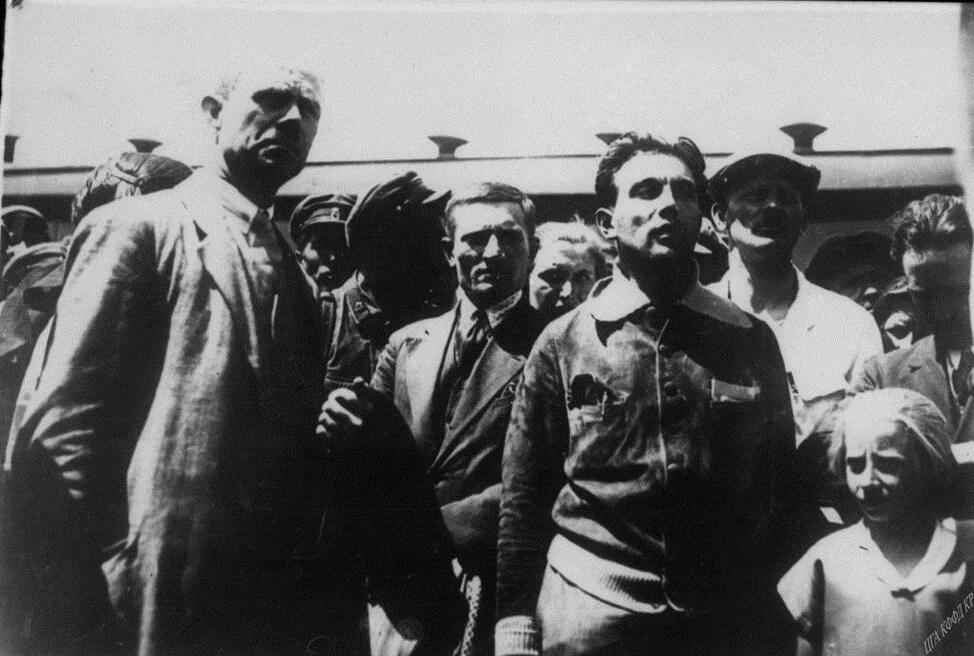
Julius Fucik in Frunze, 1930. He planned to write a novel about the «Intergelpo» cooperative
It was on the basis of the mechanical plant «Intergelpo» that the workshops of «Selmash» were later created, which began to supply not only Frunze but the entire Soviet Union with the necessary machinery.
The Creation of a Giant (1940s-1950s)
The Great Patriotic War was a turning point in the history of «Selmash», transforming small workshops into a full-fledged machine-building plant of union significance.
In 1941, against the backdrop of the enemy's advance in southern Ukraine, the Soviet government began evacuating key enterprises. The equipment of the Pervomaisky agricultural machinery plant, located in Osipenko, was transported to Kyrgyzstan along with teams of engineers and workers.
Based on the existing mechanical workshops of «Intergelpo», active development of new production capacities began, which became the date of the establishment of the plant named after M.V. Frunze.
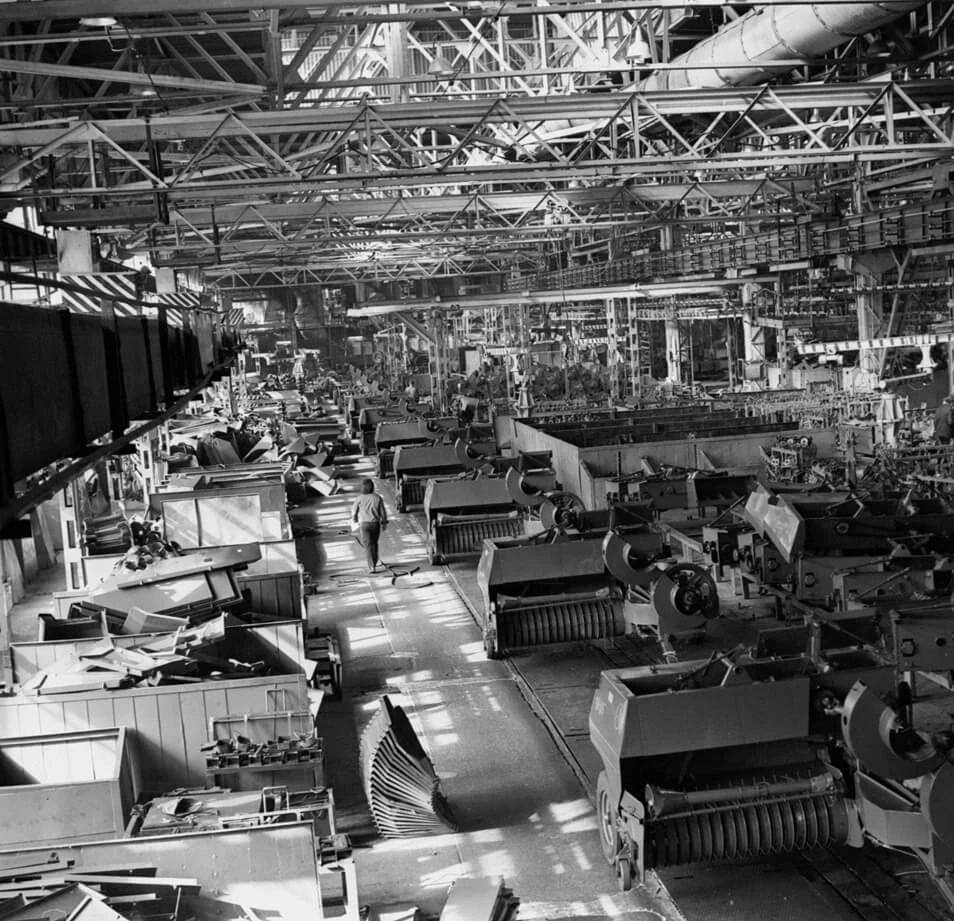
The main workshop of the Frunze plant
The difficult conditions of wartime required maximum mobilization of resources and personnel. The plant quickly engaged in fulfilling state defense orders, including the production of not only agricultural machinery but also military products.
The deputy director of the plant, Semyon Yakovlevich Polyakov, recalls:
“Few people know that during the war we produced not only agricultural machinery. The plant manufactured mines, parts for tanks and artillery. We worked on military orders, often not even knowing the final purpose of the products.”
The wartime period became a time for creating effective discipline and an engineering school, which later allowed the plant to develop after the war.
From the 1960s, «Selmash» became a leading manufacturer of agricultural machines in the USSR, especially balers, marking its “golden age.”
The plant's production capacities were focused on the most in-demand positions for the agricultural sector, contributing to the restoration of the country's agriculture.
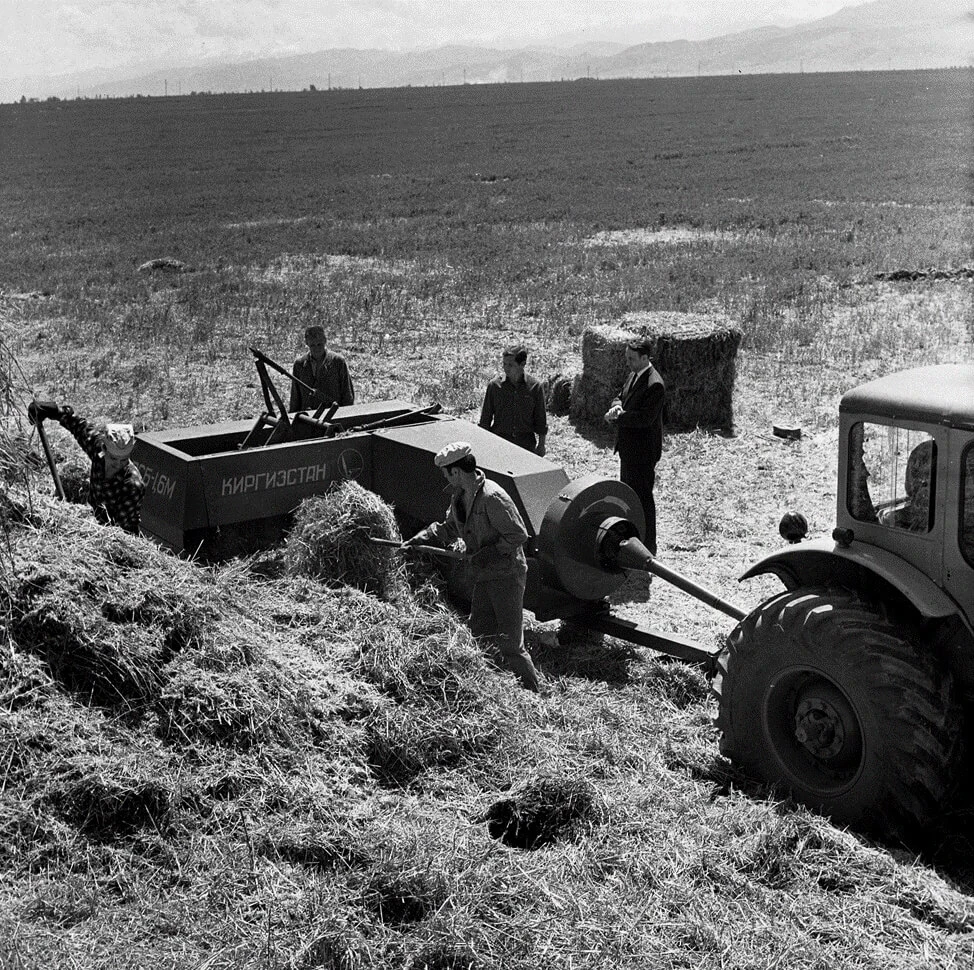
By 1944, the plant not only stabilized its operations but also increased production output, demonstrating high production activity.
After the war, «Selmash» continued to develop rapidly, expanding its product range and increasing production volumes, which led to the plant being recognized as one of the key industrial centers of the republic.
Decline and Privatization after 1991
Since the early 1990s, the history of the plant changed dramatically. With the collapse of the USSR, state orders and cooperative ties disappeared, leading to a sharp decline in production volumes.
By 1995, the government decided to liquidate the Frunze plant as a state enterprise under the PESAC program. The plant was declared unprofitable, and the sale of its assets began.
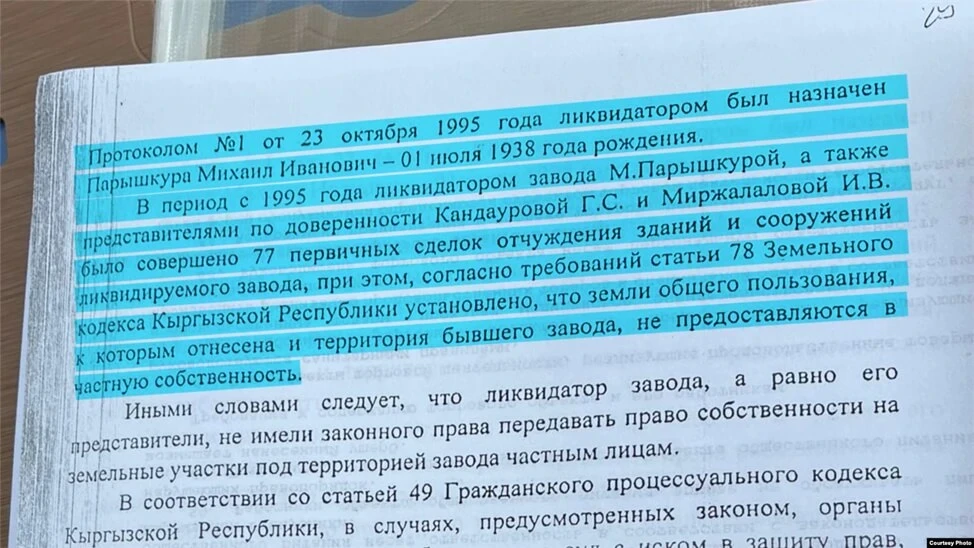
Since then, the plant has become a symbol of lost industry in Kyrgyzstan, and its territory has turned into a place for small businesses and private workshops.
However, after 2015, a new chapter began for this territory. As a result of the self-organization of entrepreneurs and the creation of associations such as «Intergelpo-Frunze», a new production environment was established.
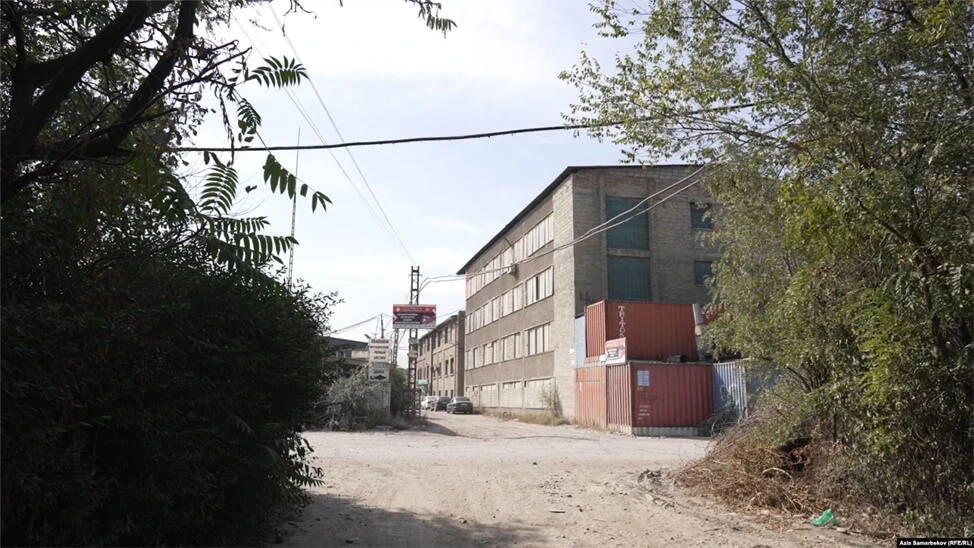
New manufacturing companies began to actively develop on the territory of the former plant, leading to job creation and the recovery of the region's economy.
Thus, the history of «Selmash» demonstrates how industry can be revived, and that even after a crisis, there is always a chance for recovery and development if there is a desire and support from society and the state.