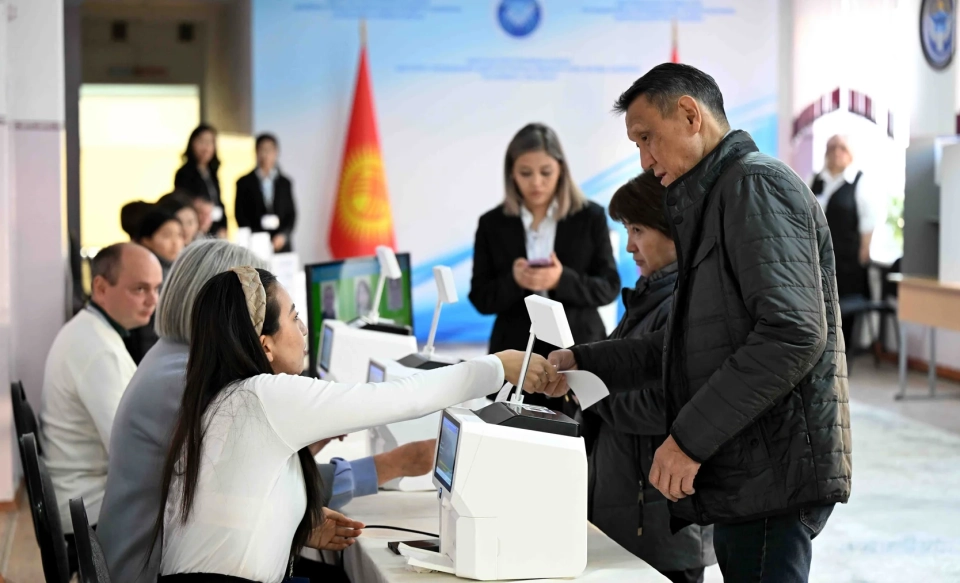
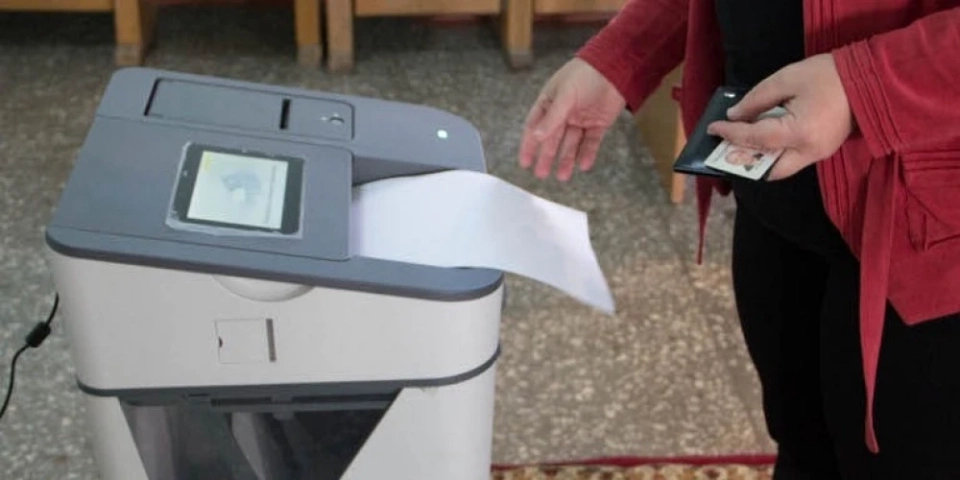
The Election Process for the Parliament of Kyrgyzstan
The parliament consists of 90 deputies. Previously, one representative was elected from 36 districts, while the remaining 54 seats were distributed through party lists. However, after changes to the Law "On the Elections of the President of the Kyrgyz Republic and Deputies of the Jogorku Kenesh of the Kyrgyz Republic," signed by President Sadyr Japarov in June of this year, 30 multi-mandate districts were created, in each of which three deputies will be elected, including at least one woman. This change could lead to women occupying a third of the seats in parliament, which would be a record for independent Kyrgyzstan.The Women's Quota as an Important Element
Sheradil Baktygulov, director of the Institute of World Politics in Bishkek, emphasizes that the women's quota will have a positive impact on the composition of parliament. He notes that in previous convocations, women actively proposed initiatives and criticized premature government proposals. He recalls a time when there were no women deputies in the bicameral parliament, and only one female candidate managed to secure a mandate, becoming the sole woman in the assembly.Zulfiya Kochorbaeva, coordinator of the Alliance of Women's Legislative Initiatives, believes that experience has shown the necessity for changes in the electoral system, as without special measures, no woman would have been able to enter parliament. Gender quotas were introduced in 2007, and since 2019, a mechanism has been in place to reserve 30 percent of mandates in local councils. This has contributed to an increase in the number of women deputies from 9.5 to 38 percent.
"The more women there are in parliament, the more diverse interests will be considered in the development of laws," says Kochorbaeva, adding that studies have shown that women are more likely to initiate important legislation related to education and social protection, as well as issues of security and law enforcement.
Gulyaim Aiylchy, director of "Bishkek Feminist Initiatives," agrees on the importance of quotas in the Kyrgyz context. "Quotas provide a cumulative effect, leading to an increase in women's leadership," she asserts, emphasizing that women are already successfully managing a significant portion of small and medium-sized businesses in the country.
She also points out the existing barriers faced by women and criticizes male politicians who claim that women "are taking their places." "Parliament should be representative, and women, who make up half the population, should be adequately represented," adds Aiylchy.
Consequences of Abolishing Party Lists
Sheradil Baktygulov notes that despite the expansion of representation in parliament, there may not be prominent politicians among the newly elected deputies. He believes that parliament may lose its role as an opponent to the government and become more technocratic."We hope that the new parliament will become a truly effective tool for legislative work that will contribute to the country's development," says Baktygulov. He adds that the absence of a party quota may increase the accountability of deputies, but whether these expectations will be justified remains in question.
According to the expert, political parties in Kyrgyzstan have lost their reputation, representing only their own interests. "Parties have become merely 'election machines,' leading to political corruption, where leaders independently decided who would enter the candidate lists," explains Baktygulov.
Attempts to Create Political Parties
Zainidin Kurmanov, Doctor of Historical Sciences and former speaker of parliament, believes that Kyrgyzstan is at the initial stage of a second attempt to create political parties. He notes that party building in the country has gradually faded over time and lacked an ideological foundation. "Existing parties resemble philosophical clubs more than real political organizations," he adds.Kurmanov emphasizes that party building developed initially, but after the coup in 2010, personalist parties emerged that focused on their leaders. Although it was expected that parties would move to a new level, reality showed the opposite, and deputies come to parliament to protect their interests.
He is confident that future deputies will unite for ideological reasons only after the elections.