“The prohibition in the Constitution of the Kyrgyz Republic does not mean that the people are deprived of the right to discuss its amendment”
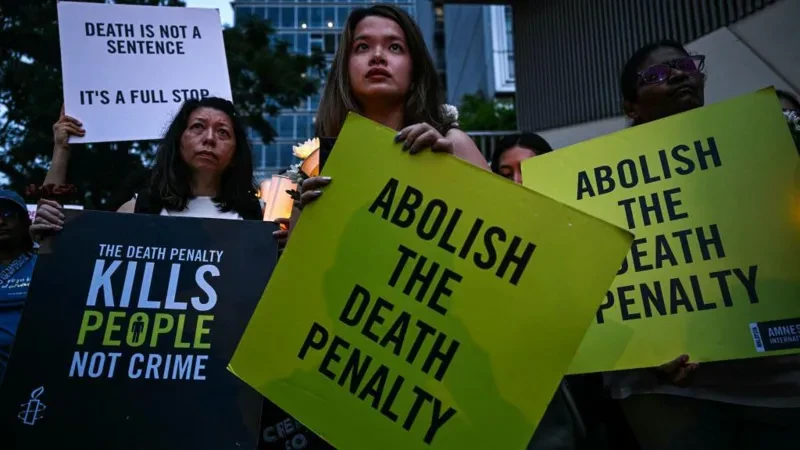
On December 10, the Constitutional Court of the Kyrgyz Republic ruled that the restoration of the death penalty as a form of punishment does not comply with either the laws of the country or international obligations.
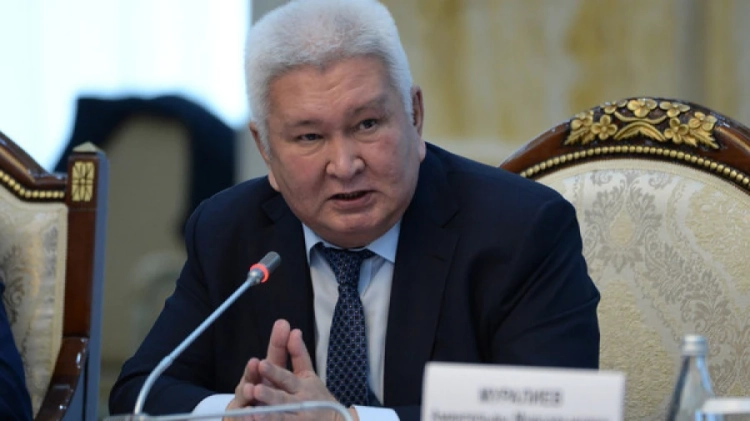
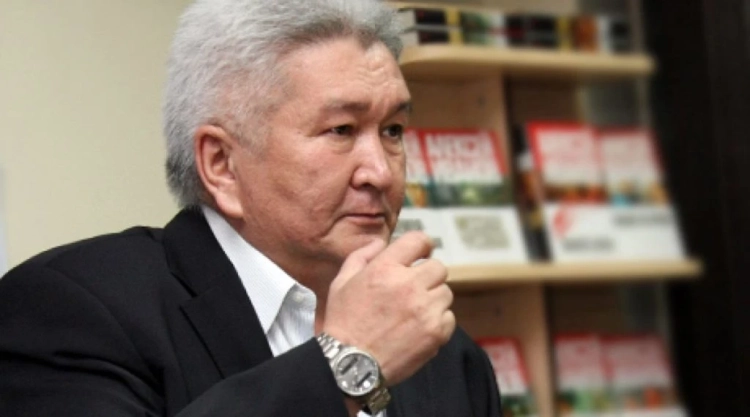
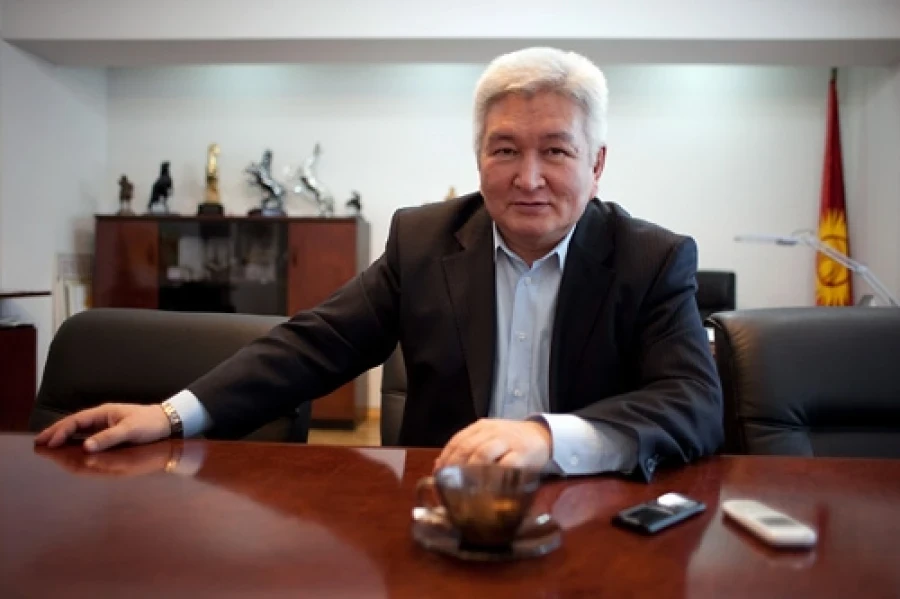
However, according to Felix Kulov, a former prime minister, this decision implies the need to amend the legislation of the Kyrgyz Republic through a referendum. He expressed his position on his Facebook page.
The Constitutional Court considered a submission from the President regarding the draft law “On Amending the Constitution of the Kyrgyz Republic.” This draft proposes the possibility of applying the death penalty in cases of child rape and murder related to rape. The Court established that restoring the death penalty through an amendment to the Constitution is inadmissible and legally impossible. Therefore, the draft cannot be put forward for public discussion.
The court's decision, which prohibits even the discussion of the amendment regarding the death penalty, raises serious questions. The problem lies not only in the attitude towards the death penalty as such but also in the fact that the Constitutional Court restricts the possibility of public discourse and the realization of the people's will, which contradicts the foundations of the Constitution,” Kulov noted.
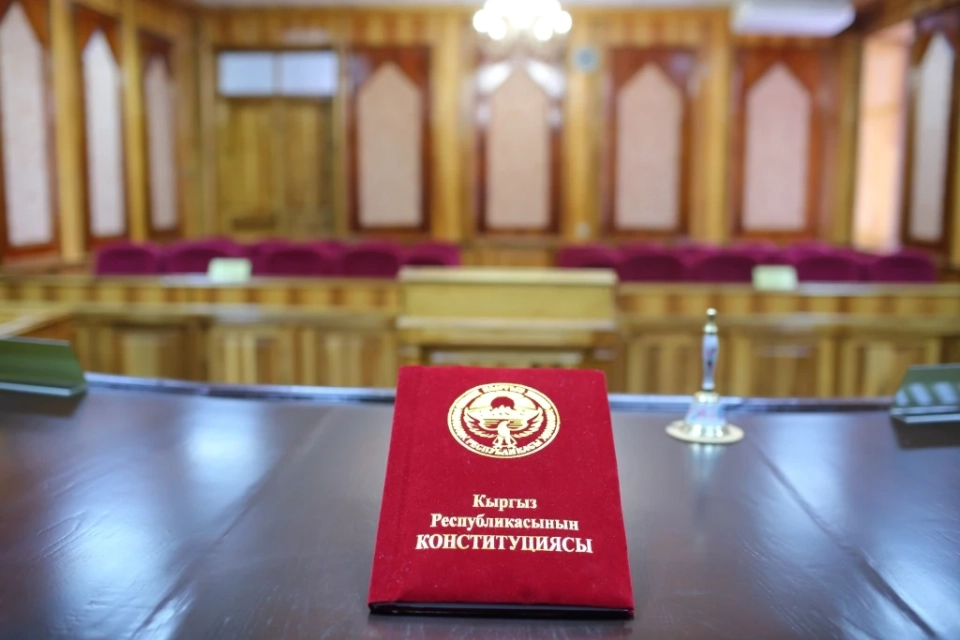
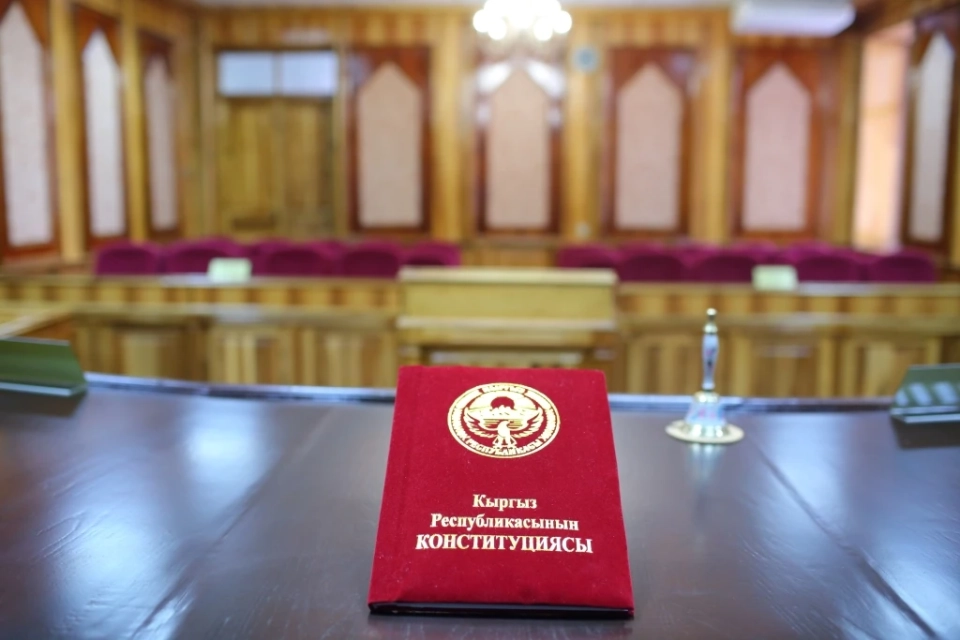
He agrees that Article 25 of the Constitution of the Kyrgyz Republic clearly prohibits the death penalty. However, the existence of this prohibition does not deprive the people of the right to discuss the possibility of changing this norm. “The Constitution is a ‘living’ document, and its fifth section provides for a mechanism for making amendments,” he added.
Kulov also raised the question: if the Basic Law allows for changes to its provisions, then why is the norm regarding the death penalty considered inviolable, even though the Constitution itself does not grant it special status?
Thus, the Constitutional Court significantly restricts the action of Article 1 of the Constitution, which states that the people are the only source of power, and Article 2, which guarantees citizens the right to participate in the governance of the state, including through a referendum. This opinion was expressed by the former prime minister.
He emphasized that the court should not replace the mechanisms for amending the Constitution, which belong to the people.
“The public demand for the return of the death penalty did not arise from ‘above,’ but as a response from society to particularly heinous crimes against children. In criminology, there is a concept of public sentiment for just retribution, which should not be confused with primitive revenge, but should be viewed as a legitimate reaction of society to crimes that cause moral shock and undermine the sense of security,” he noted.
When society sees that a brutal child murderer behaves cynically during the trial and shows no remorse, there arises a feeling that such a person has lost the moral right to life in society. This is what generates the people's demand: “Death for death,” emphasized Felix Kulov.
He believes that a democratic state cannot ignore such processes, as it is based on the will of the people.
“That is why society insisted on putting the issue to a nationwide referendum, which was done by the head of state. This was not a call to violate the Constitution, but rather an appeal to utilize its mechanisms for making changes,” Kulov added.
However, it is puzzling that the Constitutional Court has effectively stated: discussion is not allowed, proposing an amendment is not allowed, putting it to a referendum is not allowed.
“But the Constitution does not contain a prohibition on discussing amendments to Article 25. It only requires adherence to the established procedure,” he is convinced.
In his opinion, the decision of the Constitutional Court deprives society of the right to form its position on one of the key issues of criminal policy.
“Such a decision goes beyond the judicial function and may lead to turning a specific norm of the Constitution into something sacred and untouchable, which contradicts the spirit of the Constitution and the principles of popular sovereignty. Society has the right to discuss its Constitution, to form an understanding of justice, and to demand a referendum,” concluded the former prime minister.
Photo www