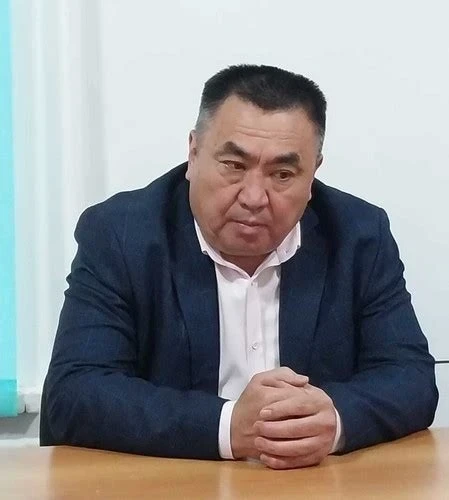
Farm labor includes not only skills in growing crops but also constant difficulties related to their sale. Currently, the price of potatoes in the regions is about 20-30 soms. There is demand for the products, but the connection between production and sales remains quite fragile. Former head of the rural administration Akylbek Dononbaev believes that the state should take a more active position rather than remain on the sidelines. He thinks that the main task of a farmer is not sales but working in the field.
“A farmer should focus on growing potatoes and strive to sell them at a decent price, earning more than they invested. The state should create conditions for selling products both within the country and abroad. Farmers do not always want to engage in market sales,” says Akylbek Shimeevich.
In his opinion, the solution to the problem lies in organizing a system of state or targeted purchases. The idea is simple: to buy vegetables directly from farmers and sell them with a minimal markup of 10-15% through social stores. As a positive example, he mentions the "Eurasia" stores that are already operating in Bishkek.
“Our clients are very diverse: some are looking for inexpensive goods to make ends meet, while others are willing to pay 100 dollars for a bunch of exotic parsley. Therefore, selling products through such state networks or 'Eurasia' stores can significantly help those who count every penny. According to my information, 'Eurasia' stores will continue to open,” adds the expert.
However, sales alone are not enough – it is also necessary to ensure the storage of the harvest. The existing Soviet vegetable storage facilities have fallen into disrepair, and modern warehouses are only accessible to large agribusiness companies. Dononbaev supports the idea of economist Mikhail Petrov to create a network of gas storage facilities in Kyrgyzstan.
“So far, I do not see that small farmers have the opportunity to organize affordable storage. Large companies can afford warehouses, but what about summer residents or rural inhabitants? Some manage to store their harvest until spring using traditional methods, while others do not. Quality requirements remain, and the country needs comprehensive work and various types of modern storage facilities,” emphasizes Dononbaev.
Moreover, Akylbek Shimeevich highlights the importance of restoring municipal markets in the regions with free access for producers. This will create opportunities for ordinary, not overly wealthy farmers to bring their products to cities without fear and avoid unnecessary costs.