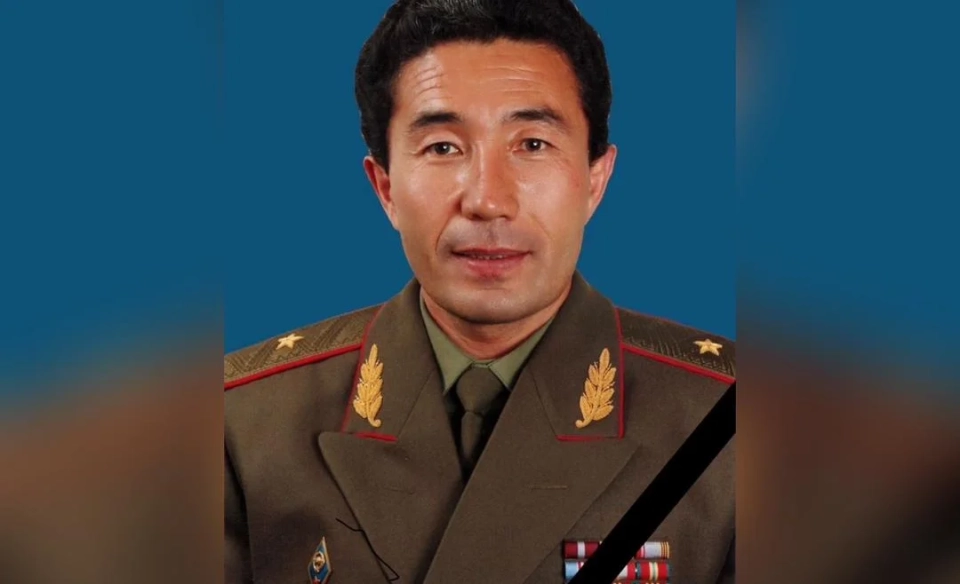
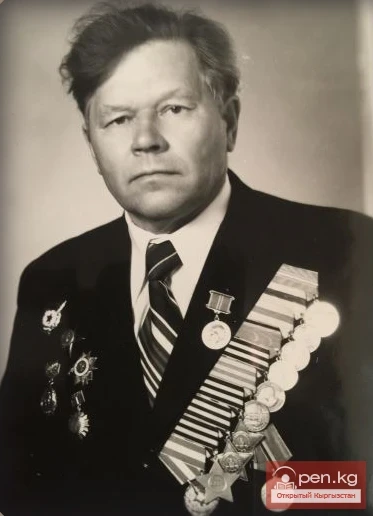
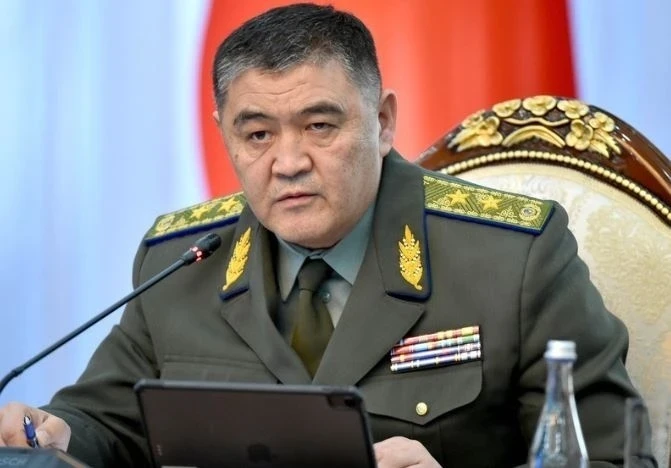
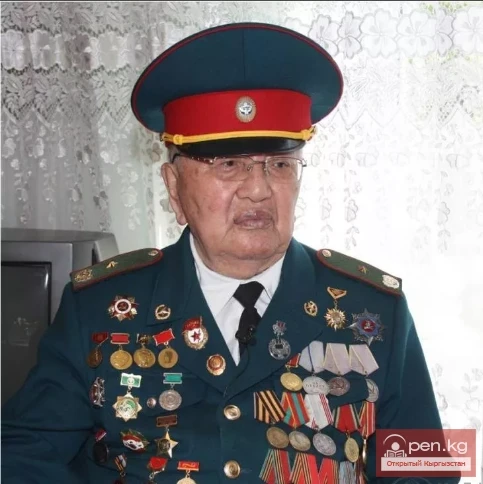
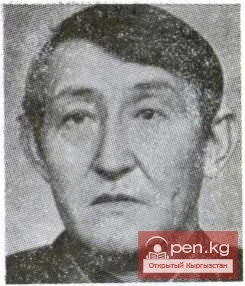
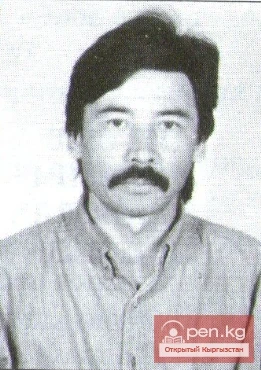
Abdygul Chotbaev is an outstanding Colonel General, a holder of numerous orders, including the "Red Star" and "Manas" of the III degree. He is also an honorary citizen of Bishkek and the Batken region. Throughout his life, he has experienced two military conflicts and dedicated decades to serving his country.
On the eve of the 46th anniversary of the beginning of the Afghan war, General Chotbaev shared his memories of his first battles, officer's honor, friendship with Ruslan Aushev, and his efforts to combat false veterans, as well as the importance of restoring the prestige of the army among the youth with 24.kg.
Reference 24.kg
The Afghan war (1979–1989) was a conflict in which Soviet troops supported the government of the Democratic Republic of Afghanistan against the mujahideen. Despite initially controlling most of the country, the Soviet army was unable to cope with the armed opposition, which received support from the West and some Islamic states.
The introduction of Soviet troops began on December 25, 1979, and the last soldier left Afghanistan on February 15, 1989. The losses of the Soviet army amounted to about 13,833 killed and 53,753 wounded.
The First Day at War and Childhood Memories
As a child, I always dreamed of becoming a famous commander. One of my friends portrayed Chapayev, while I preferred to be Marshal Zhukov. This image endeared me to our neighbor, a war veteran, who called me Zhora.
We grew up inspired by the examples of our fathers and grandfathers, who were veterans of the Great Patriotic War. Serving in the army seemed natural to us.
Abdygul Chotbaev
In 1979, I graduated from the Almaty Military School and became the commander of a motorized rifle platoon. On December 25 of that year, our regiment entered Afghanistan. We were the first to take this road. Before our departure, we spent two weeks in tactical training, perceiving it all as exercises. One day, I was assigned to transport ammunition, and I was not warned about the need to return. At that time, there was complete chaos. After the first trip, I lay down to rest when suddenly the regiment commander appeared with a pistol to my temple, threatening me.
Ordinary soldiers and junior officers did not know that we were at war. We were alerted and left without even realizing the seriousness of the situation. Upon arriving in Afghanistan, I still thought about how soon I would return home and bought local threads for my mother.
The Capture of the Airfield and an Unforgettable Lesson from the Marshal
I can tell stories from Afghanistan endlessly — enough for a whole book. Here are just a few moments.
On December 27, commander Valery Kuksa set the task of capturing the palace of Prime Minister Hafizullah Amin. Soviet specialists were already working there, and we were to guard the captured facilities.
My platoon soon received a new task — to capture the airfield in Gardez and ensure the landing of special forces. We accomplished it in a day, although we were given three days to complete it. Two fighters from my platoon spoke Persian and managed to lead us through detours. As a reward, we gave a local resident 10 cans of stew and bread.

In January 1980, student riots began in Kabul, and our unit was sent to reinforce the security of the embassy. In the cold night conditions, the soldiers violated the equipment rules. I boldly replied to an elderly officer who reprimanded me, not knowing that it was Marshal of the Soviet Union Sokolov. After that, I received a reprimand for violating the dress code.
Dangerous Operations and Human Losses
In Bamiyan, known for its historical monuments, I was tasked with escorting a convoy with ammunition. Mujahideen were active on the approaches to the city, and we managed to slip through at night. On the way back, I was bringing up the rear of the convoy when the BMP gunner spotted a bus with mujahideen preparing to attack us.
In one of the operations, my BMP was mined, and I was thrown out of the vehicle, sustaining a concussion. One of the officers who came to help me was severely wounded but survived.
The difficult terrain of Afghanistan created many challenges. In one of the raids, we came under heavy fire when there was almost no cover. I was wounded but remained in the ranks.
In another situation, my battalion was alerted, but I stayed at the checkpoint. Seeing a convoy, I joined it to escape the shelling. As a result, one of my comrades died saving me.
Friendship with Ruslan Aushev and Combat Encounters
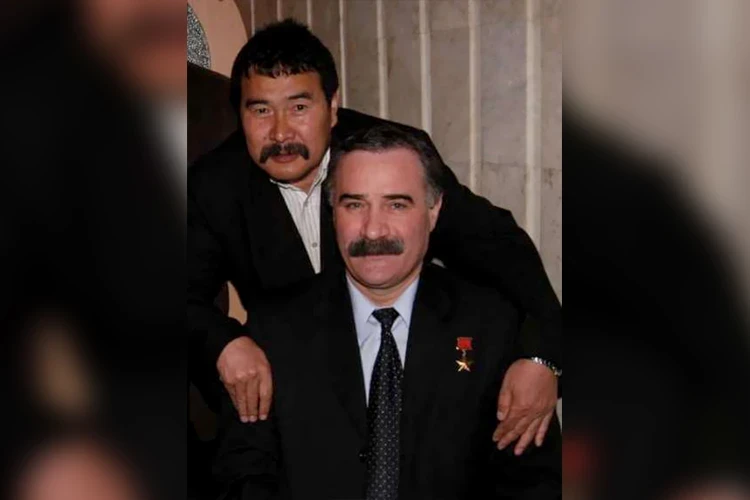
I fought alongside Ruslan Aushev, a well-known hero and former president of Ingushetia. He was a smart and brave officer who initially served in a medical battalion but transferred to a combat unit.
Once, when my platoon was guarding a bridge near the border with Pakistan, we were sent to a field bath. On the way, I encountered an officer who commented on our appearance. It was Ruslan, and he, noticing that I was out of uniform, said that I was the platoon commander.

In the settlement of Lagman, we were tasked with stealthily approaching a village and blocking the mujahideen. We took a guide, and although I was upset that Aushev was assigned to me, he quickly proved his worth. Ultimately, we encountered the enemy and, despite our numerical inferiority, managed to achieve victory.
After our forces came under fire, the commander called for artillery, and despite the risk, we did not suffer any losses.
Promises That Come True After Years
Our battalion was known for its frequent raids, and during operations, I wondered why the commander always entrusted me with the most difficult tasks. After 40 years, I decided to ask him, and he replied that he trusted me more than the others.
During short breaks between raids, we shared our dreams. I said that I would name my son Ruslan in honor of Aushev. He promised to attend his wedding if it ever happened.
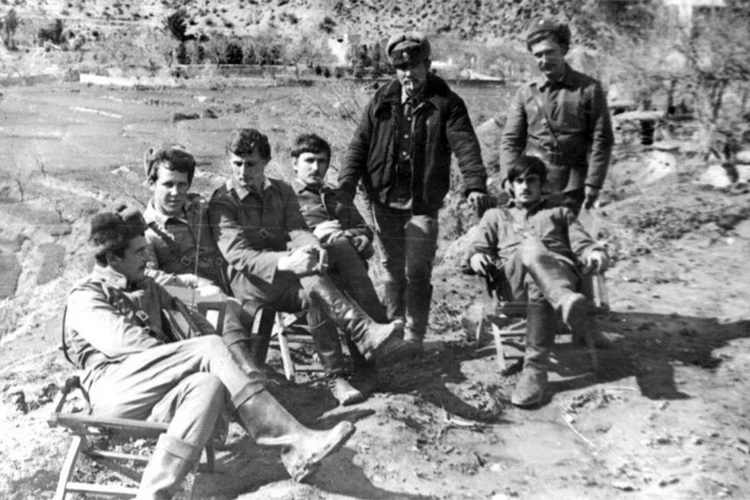
I have many Afghan friends with whom I keep in touch. In 2019, I informed Aushev about my son's upcoming wedding, and he immediately said he would come.
This shows how strong true officer friendship is. We have gone through many difficult moments together.
Establishment of the National Guard and Parliamentary Activity
I served in Afghanistan for a year, experiencing all the hardships, including illnesses and lack of resources. Later, I became the commander of a training regiment and participated in the establishment of the National Guard of Kyrgyzstan.
I say that I have five children: two daughters, two sons, and the National Guard, into which I invested all my knowledge and traditions. It is a pity that after me, the symbolism of the guard was changed.
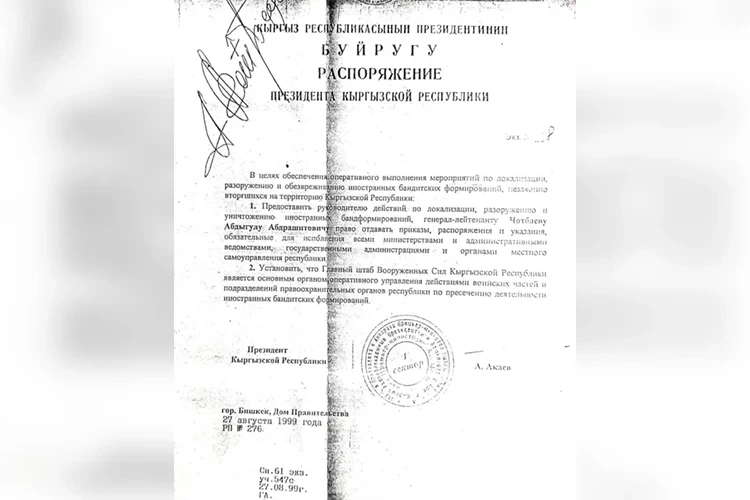
During the Batken events, I became the commander of the combined group when the situation was critical. I faced many problems, including a lack of communication.
We managed to obtain two satellite phones, which became essential for management in difficult conditions.
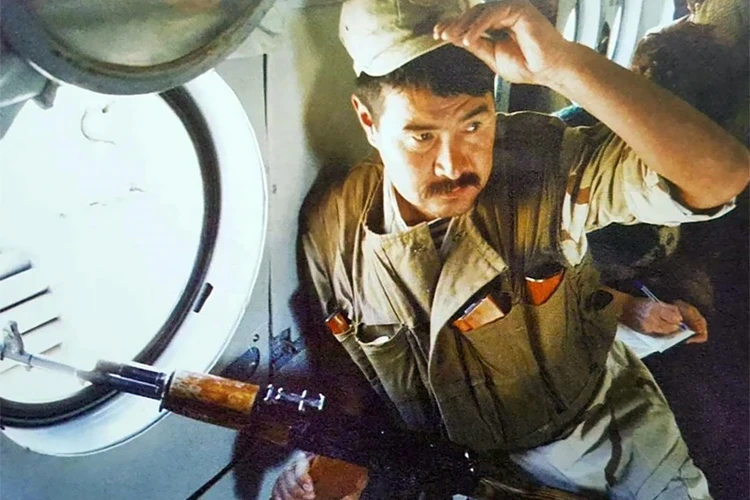
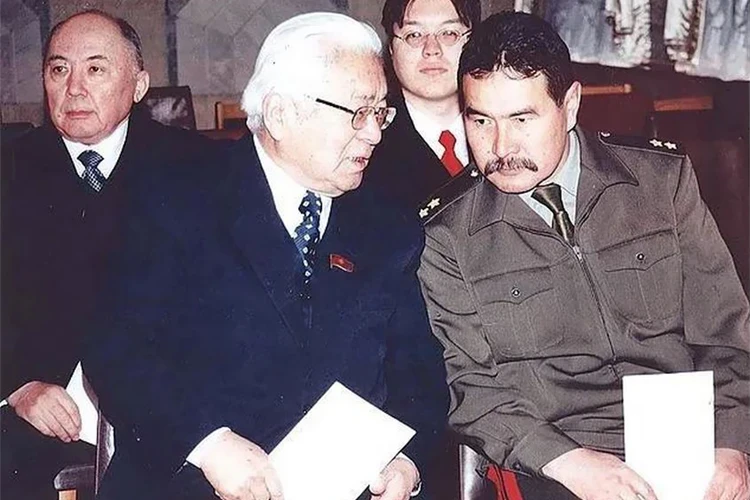
After the events in Batken, my name became known, which helped me effortlessly become a deputy of the Jogorku Kenesh. However, after spending only 30 days there, I realized that it was not for me and returned to service.
However, for 14 years, alongside my work in the National Guard, I was a deputy of the Bishkek City Council, and during that time, we solved many problems for the citizens.
Fighting False Veterans and Lessons of Courage
Since 2016, I have been a member of the commission for identifying false veterans. We work voluntarily, striving to support the state's anti-corruption policy. To date, 614 individuals without confirming documents have been identified.
Some of them hold quite high ranks, which poses serious problems. The state has been paying them benefits, which has caused significant damage to the budget.
Unfortunately, this concerns no one but us. Gaps in legislation hinder the deprivation of their benefits.
Abdygul Chotbaev
Some false veterans even file lawsuits, trying to prove their rights. It would be better if these funds were directed to assist the families of the deceased or to increase payments to real veterans.
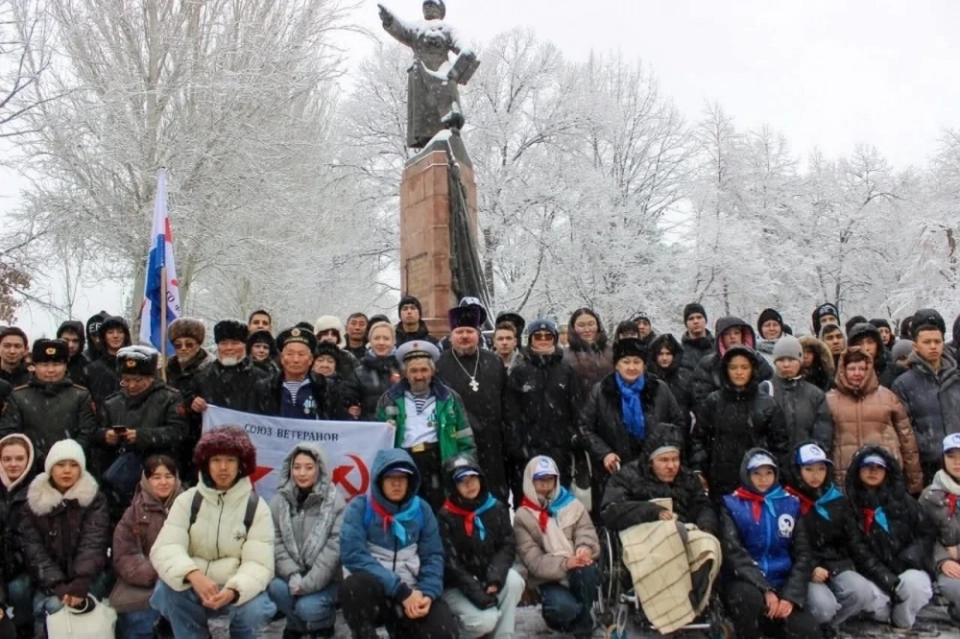
I lead the public association of veterans "Combat Brotherhood." We are invited to schools and universities for lessons of courage, where we promote the officer profession. In one of these lessons, I asked high school students who wants to become an officer, and I heard silence. When I asked who would protect the country, they replied that it would be me.
This is alarming — the youth do not want to serve. It recalls how military training was taught during the Soviet era, which has now practically disappeared.
Today, there is pre-conscription training, but it is often led by incompetent people. I suggested to the Ministry of Education to raise the status of this subject and involve former military personnel as teachers.
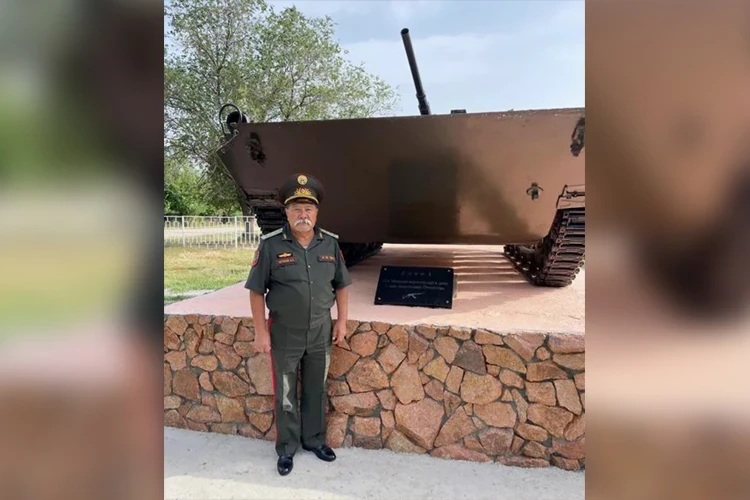
For four years, I dreamed of erecting a BMP monument in my native village of Boroldoy. Despite the difficulties, I managed to find a decommissioned vehicle and raise funds for the installation of the monument, which was opened in the summer of 2025.
I said that this monument is dedicated to all defenders of the Fatherland, from those who fought against the Basmachis to those who will just begin their service in the army.