Banks have the right to block accounts, and violations may lead to penalties.
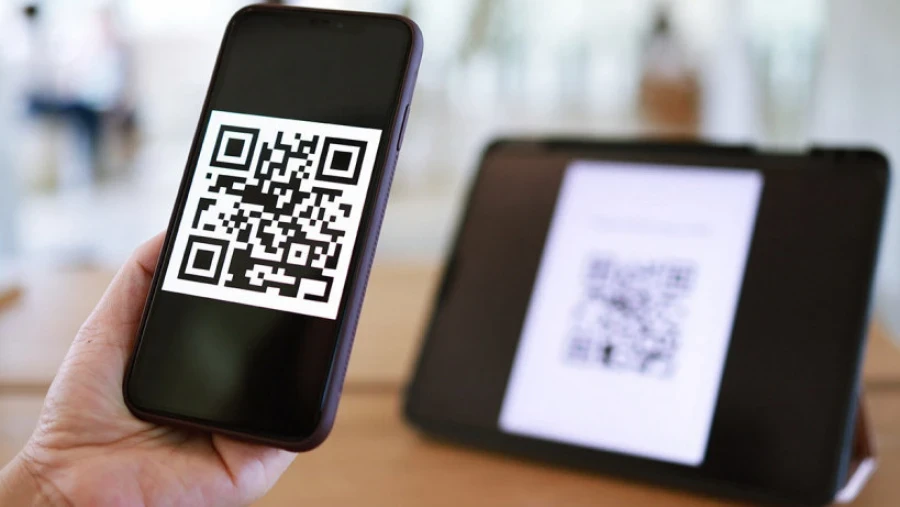
The State Tax Service of the Kyrgyz Republic once again emphasizes to entrepreneurs that conducting payments for goods and services through personal electronic wallets and QR codes of individuals is strictly prohibited. For commercial activities, only specialized business accounts and wallets should be used.
Representatives of the tax service explained that such personal wallets are intended solely for individual expenses. Accepting payments to a personal wallet or QR code constitutes a violation of the law, even if a receipt is issued and a cash register is available.
Control and its mechanisms
The tax service has suspended raids on small and medium businesses until the end of 2026; however, control over such financial operations is now the responsibility of banks.
Within the framework of the existing "know your customer" practice, commercial banks are able to track suspicious money transfers. If regular funds are received on a personal wallet from multiple people, the bank has the right to:
- limit financial operations;
- temporarily block the account;
- request explanations regarding the origin of the funds.
The National Bank supervises the operations of commercial banks and can intervene if the control is deemed insufficient.
Reasons for tightening the rules
According to information from the tax service, a number of companies used the personal wallets of their employees—waiters, administrators, and other workers—to conceal revenue. Such violations were most frequently recorded in the food service sector, such as cafes and restaurants.
In this regard, government agencies have intensified control over the use of physical QR codes in commercial activities.
Responsibility for violations
The following fines are imposed for using a personal electronic wallet in business:
- first violation — warning;
- repeated — 5,000 soms for individuals and 20,000 soms for legal entities;
- subsequent — 13,000 soms for individuals and 65,000 soms for legal entities.
It is important to know: the tax service does not have access to personal wallets
The tax service emphasizes that it does not have direct access to citizens' accounts, and such information can only be obtained through a judicial process. Violations are identified during inspections when the QR code is registered to an individual rather than to an entrepreneur.
What about charitable collections?
Rare or one-time transfers, such as collections from parent committees or assistance to acquaintances, are not considered violations. However, if funds are received regularly and from various individuals, this may be regarded as commercial activity, which will lead to scrutiny from the bank.
Quick opening of a business account
Banking institutions report the possibility of quickly opening a business account or business wallet, even online. Nevertheless, many entrepreneurs continue to use personal wallets due to the absence of fees and faster receipt of funds.
The tax service has stated its intention to continue educational work in collaboration with banks to minimize fears and misunderstandings among entrepreneurs.
Photo www