According to Resolution No. 663 "On the Regulation of Trade Activities in the Territory of the Kyrgyz Republic," adopted on October 14, the following rules have been established:
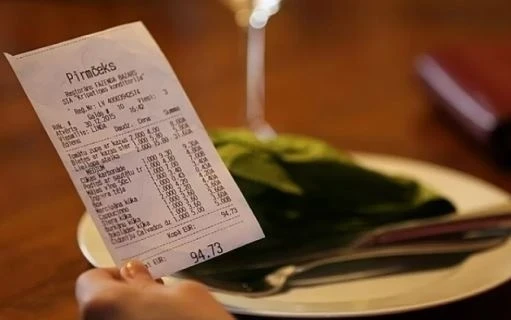
- Separate charging for service, dish delivery, and other actions by the staff is not allowed;
- The price of all public catering services must be included in the cost indicated in the menu or other available document before placing an order;
- The final payment amount should not differ from the prices presented in the price list, except for voluntary tips;
- Establishments may set additional conditions for visitors, provided they do not contradict the law, except for service charges.
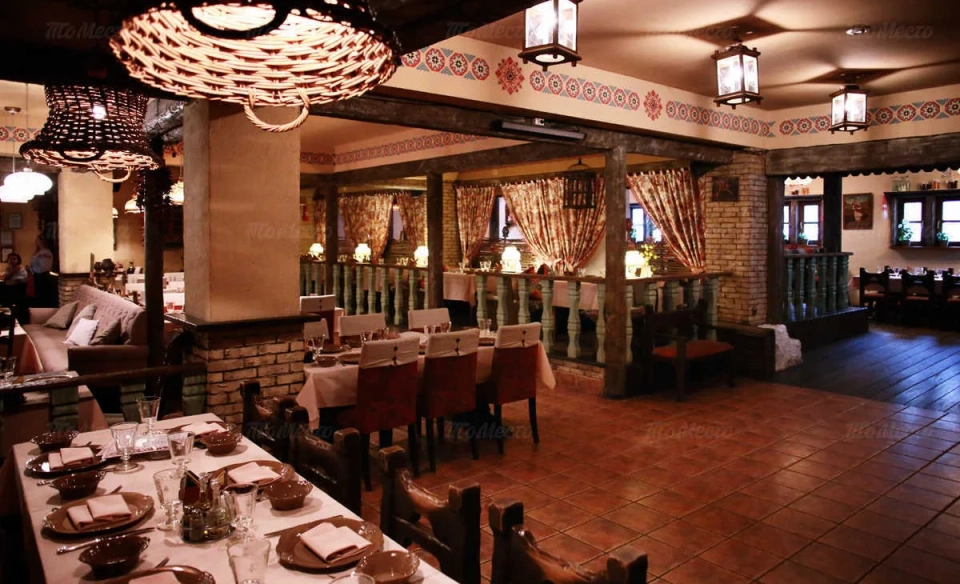
The separately designated service charge, calculated based on the cost of ordered dishes, is a common practice in the public catering sector of Kyrgyzstan and differs from tips.
Restaurateurs and cafe owners have unequivocally stated that nothing will actually change, and the service charge will be included in the cost of the dishes.
Gulzat Raimbekova, chairwoman of the "Horeca Club" Association, emphasized in a comment to Kaktus.media that this category of payment includes not only the services of waiters but also everything that creates an atmosphere in the hall: from quality furniture to staff salaries, including hostesses, administrators, and bartenders.
"This includes the decoration of the halls to ensure a comfortable stay for guests. All of this accounted for 15%. Don't forget about clean restrooms with quality sanitary supplies," she added.
Changes in the Public Catering Sector
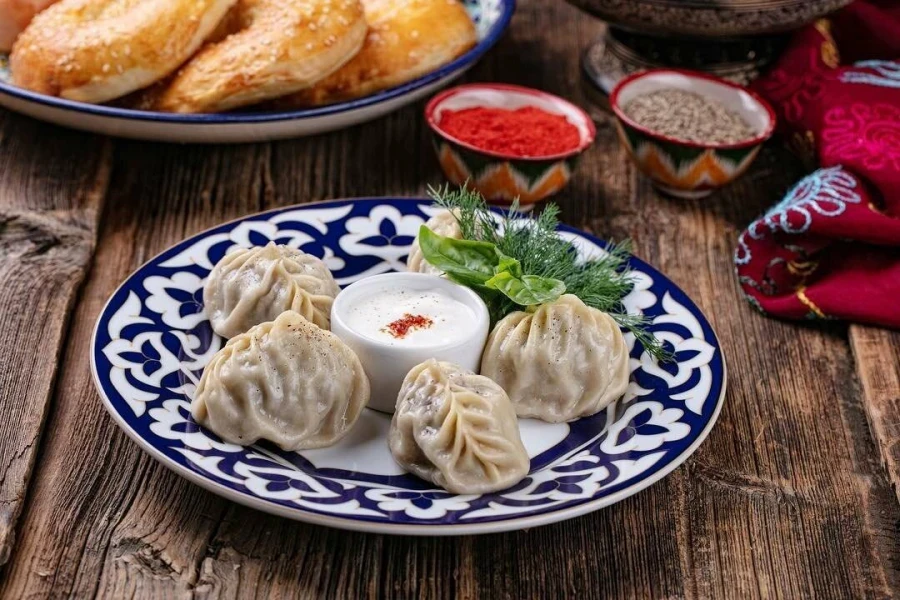
With the entry into force of the regulation, prices in cafes and restaurants have started to rise. For example, manti, which previously cost 300-400 soms, now cost at least 500."Why has there been such a sharp increase in prices? This is because the cancellation of service charges coincided with a general increase in costs in the industry, as well as rising prices for food, rent, logistics, and utilities, which required an increase in the wage fund," explained Gulzat Raimbekova, head of the "Horeca Club."
Inflation Trends
In 2025, prices in Kyrgyzstan began to rise from the first days of the year. Initially, the rates were low — about 1-1.5% per month. But soon, goods and products that were previously accessible to everyone became unavailable. And we are not talking about delicacies, but about common regional products such as flour, carrots, meat, and seasonal fruits.The National Bank of the Kyrgyz Republic also reported an increase in inflation in its monetary policy report.
"Additional inflationary pressure is expected due to rising prices in neighboring countries, increased domestic demand, stimulating fiscal policy, and rising global prices for food and petroleum products," noted the NB KR.
Situation in the Restaurant Market
Food prices in cafes and restaurants continue to rise annually. However, this used to concern customers less."With the cancellation of the service charge, there has been a general increase in prices, making the rise in the final bill more noticeable for consumers. All of this happens within the business framework, and it is impossible to set fixed prices," emphasize cafe and restaurant owners.
The Ministry of Economy claimed that the changes were necessary to enhance the transparency of public catering establishments without charging service fees. Antimonopoly authorities noted that customers have the right to know the exact cost of a service before ordering it. However, according to the head of the Antimonopoly Regulation Service, Jenala Orozbaeva, the situation has changed.
Orozbaeva pointed out that citizens report that restaurants have included previously charged service fees in the cost of dishes.
"We have special oversight based on the Consumer Rights Protection Law, and we have developed a plan for inspections. All public catering enterprises are subject to scheduled inspections for compliance with established norms. In case of violations, penalties are applied," she reported.
Recently, the President of Kyrgyzstan, Sadyr Japarov, announced continued support for small and medium-sized businesses.
"We continue to create comfortable conditions for entrepreneurship and implement transparent systems to minimize administrative barriers," the president noted.
However, in practice, initiatives are often blocked by implementers.
Visitors themselves suggest ignoring cafes and restaurants until prices decrease, but this could negatively affect not only the establishments themselves but also their workers, suppliers, and food producers. It is unlikely that in a country where large celebrations for 300-500 people are popular, people will stop visiting cafes.