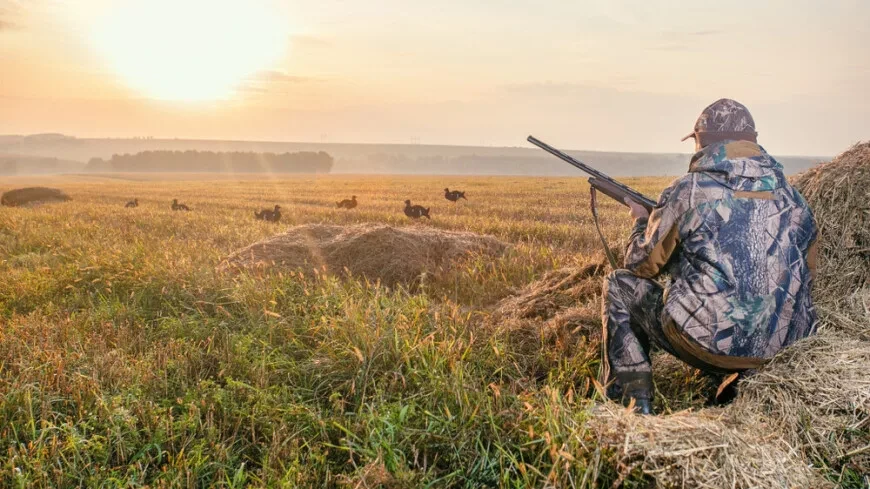
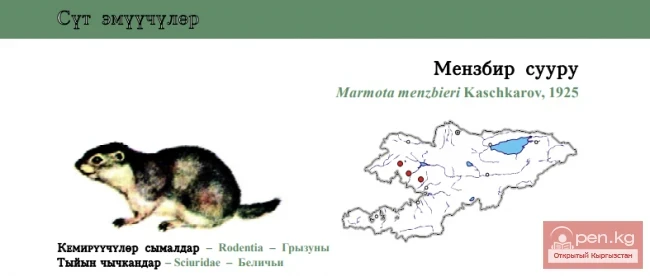
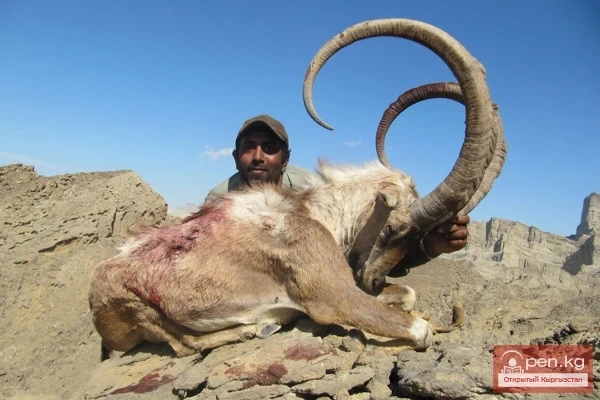
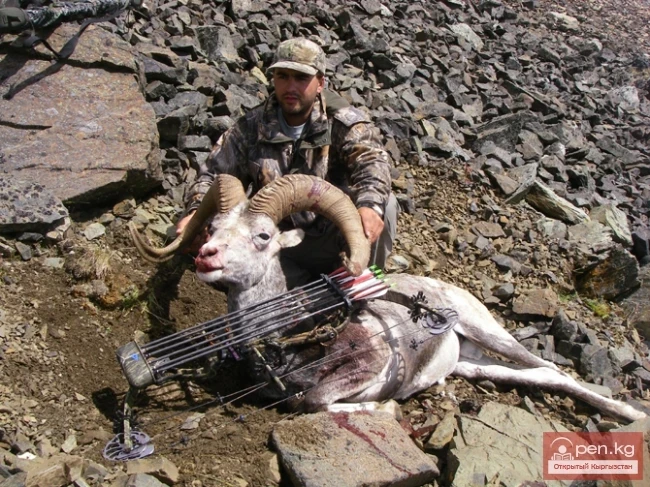
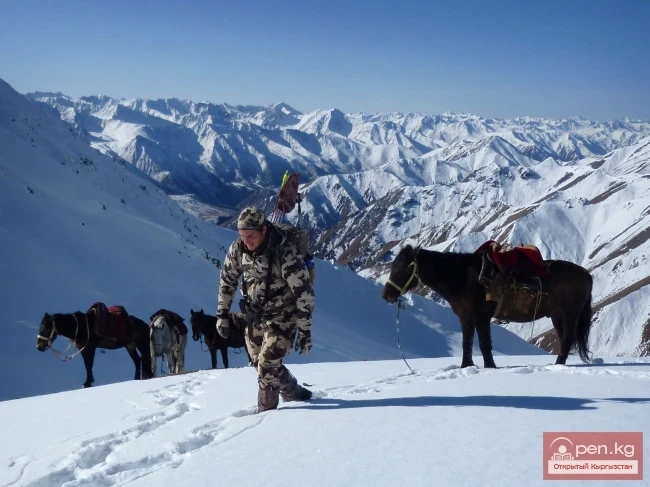
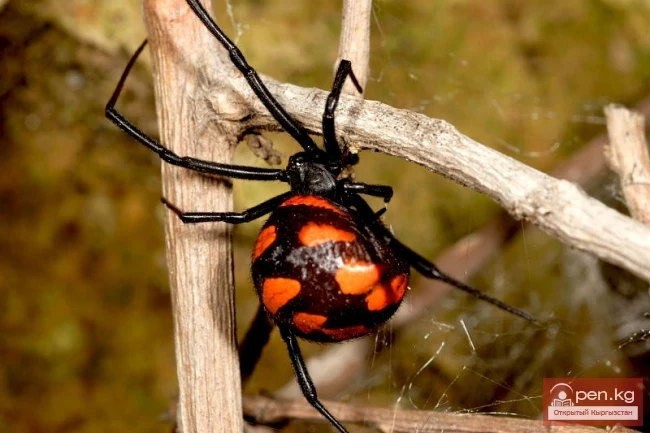
Hunting for marmots is only permitted for the red marmot and only during the legally established periods, which in 2021 are from July 3 to September 5. To participate in sport hunting, one must become a member of a hunting society and obtain a license for hunting marmots. This species is protected by law, and illegal capture is subject to a fine of 3000 soms for each caught individual.
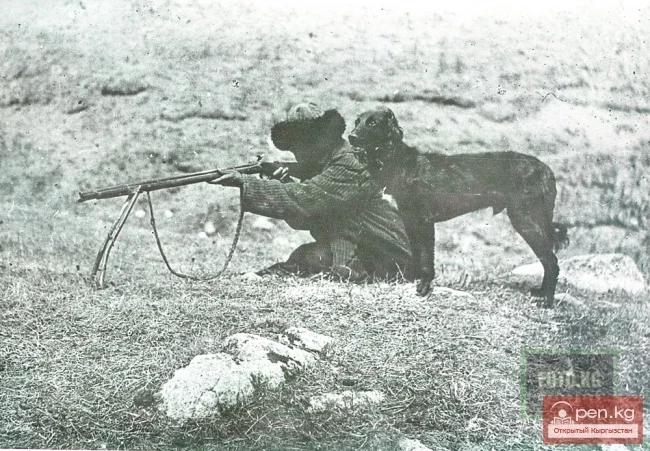
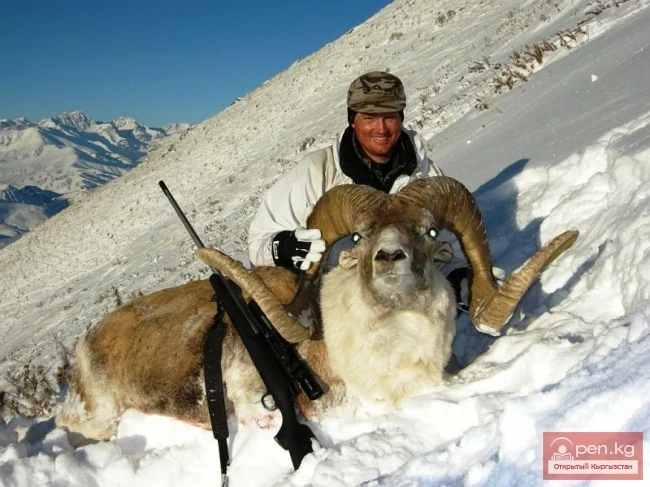
Sport hunting for marmots attracts not only with the hunt itself but also with the surrounding atmosphere and conditions that the hunter will face.
Hunter and athlete Ruslan Gaifulin shared insights about the nuances of hunting:
“Before heading out to hunt, it is important to scout the habitats of the marmots to understand what one will be dealing with. In mountainous areas, it is necessary to find out from which burrows and at what times the animals emerge. On the way to the hunting spot, one should carefully observe the nature of the surroundings. Upon arrival, it is advisable to take a position near the burrow.
Previously, I used smoothbore weapons, which limited my shooting range. Later, I switched to rifled weapons with optical sights. This allows for precise targeting at greater distances and a detailed view of the trophy. It is important not to rush to shoot when the animal is at the edge of the burrow or facing into it – if wounded, the marmot may retreat back inside. Hunting should be done on clear days when marmots are actively feeding; in bad weather, they do not leave their burrows. Before the onset of winter hibernation, they surface every other day.”
Ecologist Alexander Sosnovsky spoke about the biology of marmots:
“Marmots live in colonies in deep burrows or crevices. They feed on plant material and gain weight by autumn, after which they enter deep hibernation. Marmot meat is very tasty, and the fat has medicinal properties. When rendered, the fat does not harden in the cold and contains many beneficial substances. In autumn, it is pure white, while in spring, it is cream-yellow. The fat remaining after hibernation differs in composition and caloric content, including 30-40% water. Summer fat is rich in vitamins D and E, as well as carotene. It is used as an adjunct in the treatment of various diseases.”
Important! (Trapping marmots can be life-threatening)
Marmots are carriers of natural foci of plague, specifically fleas and ticks, which can transmit this dangerous disease.
The plague can quickly take the life of a healthy person, manifesting within hours or days after infection. Initial symptoms of the disease include severe chills, a sharp rise in temperature (up to 38-40 °C), headaches, and other neurological disorders. Without timely treatment, the disease can lead to death.
In August 2013, a 15-year-old teenager died from bubonic plague at Issyk-Kul.
The chronology of bubonic plague cases among local residents was provided by the Issyk-Kul regional emergency anti-epidemic and anti-epizootic commission, led by the first deputy representative Akylbek Janibekov.
15-year-old Temir Isakunov, who was temporarily residing in the Kashka-Suu area of the Enilchek rural district, felt unwell on August 17. The symptoms of the illness began with a sore throat and headache, while the temperature remained low. The patient took anti-flu medications, and his condition was assessed as satisfactory. On August 18, he was sent home to the village of Ichke-Jergez.
From August 17 to 22, Temir remained in the village without seeking medical help and continued taking medications. However, his condition worsened, with severe headaches and pain in the armpit area.
On August 22, he was hospitalized with a diagnosis of “hydroadenitis in the left armpit.” The patient's condition continued to deteriorate, and he was transferred to intensive care with suspected plague. Despite all efforts by the doctors, biological death ultimately occurred.
On the same day, August 22, the relevant services were notified of the situation, and a provisional hospital was set up in the infectious disease department of the hospital to isolate contacts.
During the investigation, samples were taken for analysis from two contacts, and the autopsy was conducted in the presence of forensic experts and epidemiologists. The handling of the body and disinfection of the autopsy room were carried out according to established protocols.
It should be reminded that in the 14th century, the bubonic plague claimed the lives of millions of people in Europe, Asia, and North Africa, spreading from natural foci. Over two decades, the Black Death took about 60 million lives.
Like in ancient times, the plague is now transmitted through fleas that inhabit rodents and can also spread through the air. The main symptoms include inflammation of the lymph nodes, high fever, and skin manifestations. Natural foci of plague are found on all continents except Australia.