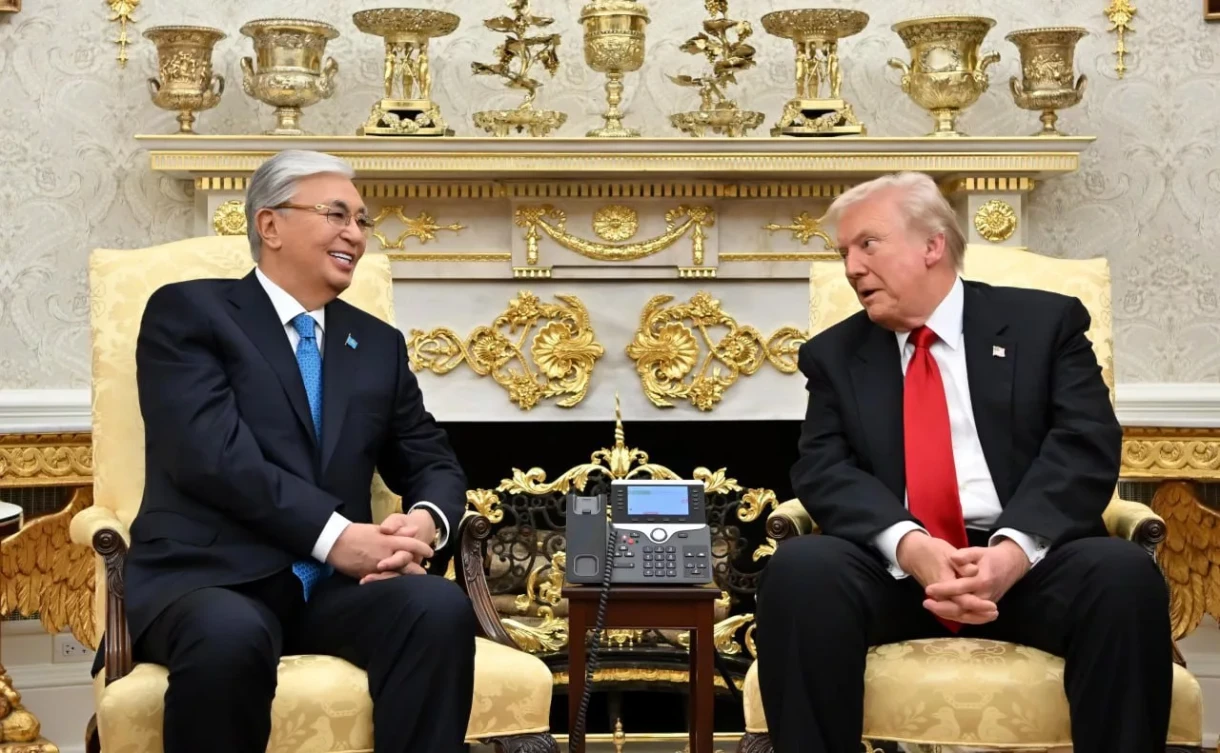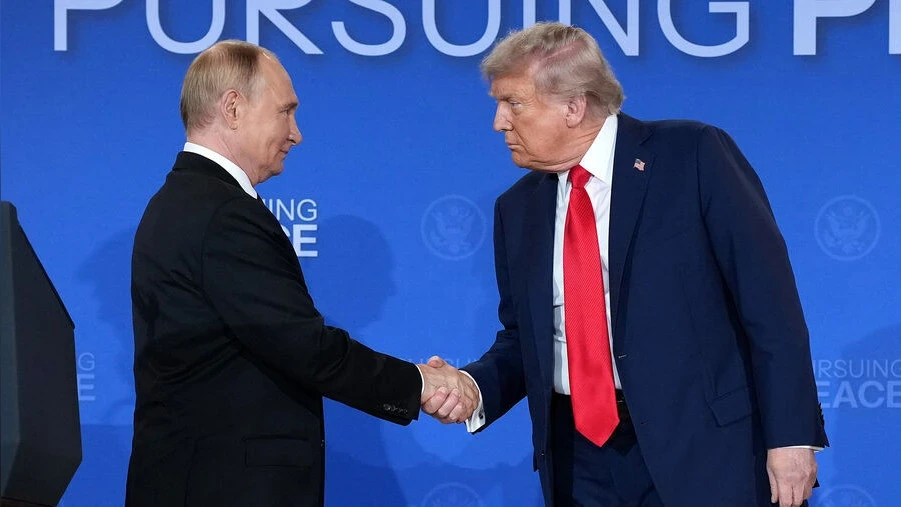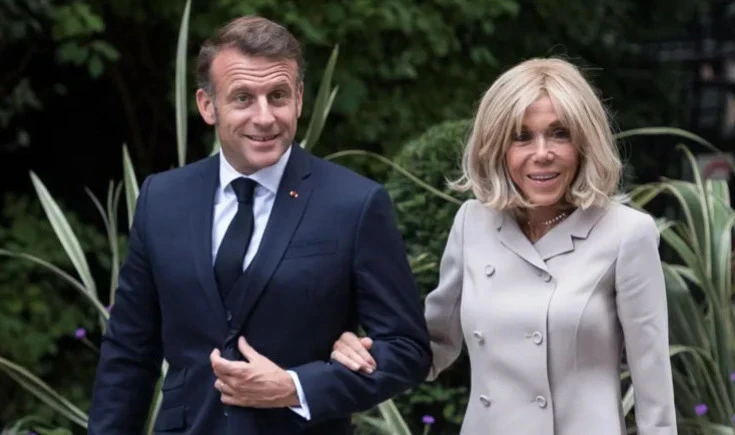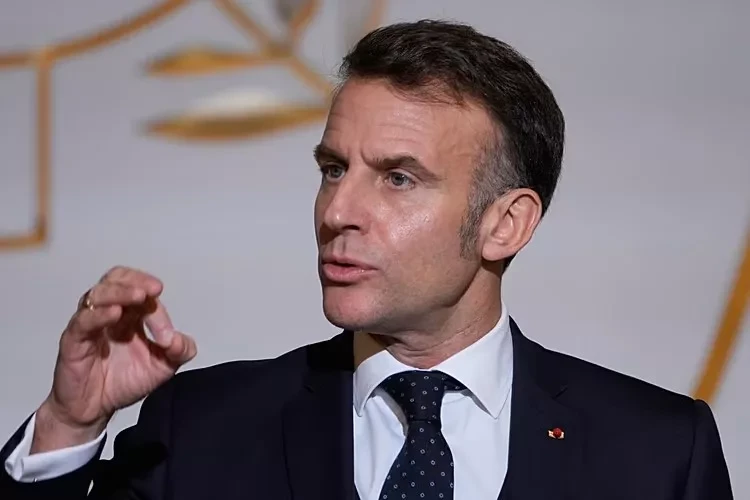
According to a source from Bloomberg close to French President Emmanuel Macron, he does not intend to accept the offer from U.S. President Donald Trump to join the new "Council of Peace."
Trump is proposing that countries wishing to hold a permanent seat on this council contribute at least $1 billion.
The chair of the "Council of Peace" will be Trump, who will have the authority to make decisions regarding its membership. Critics express concerns that this initiative could serve as an alternative to the United Nations, which Trump has repeatedly criticized.
According to the informant, Macron believes that the charter of the new organization goes beyond the current situation in Gaza and raises serious questions, particularly regarding adherence to the principles and architecture of the UN, which France considers fundamental.
The U.S. President has expanded the concept of his Council of Peace, proposing to create a global body that will handle conflict resolution instead of the UN. According to the distributed charter, the cost of a permanent seat is $1 billion.
The preamble of the charter states: "Too many approaches to peacebuilding perpetuate dependency and institutionalize crises, rather than lifting people out of them," calling for the creation of a coalition of states for practical cooperation.
This expansion of the mandate underscores Trump's desire to alter the international system established by the U.S. after World War II, which he has long criticized as ineffective, in favor of a new structure centered around his personality and circumventing existing multilateral institutions.
"It's hard not to see this as an attempt to set a precedent in Gaza that could be used in other regions to show that Trump will make global-scale decisions, and you either agree with this or remain outside the process," noted Julien Barnes-Dacey, director of the Middle East and North Africa program at the European Council on Foreign Relations.
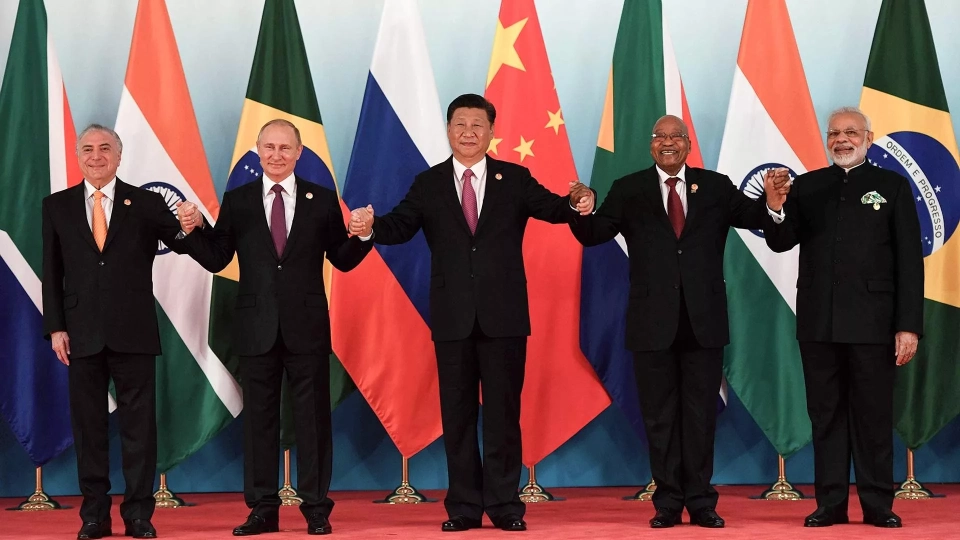
According to analysts, powers such as China, Russia, France, and the United Kingdom, which are permanent members of the UN Security Council and hold veto power, are unlikely to want to replace this body with Trump's council.
Many countries that view the UN as the primary forum for international influence may also regard the initiative with skepticism.
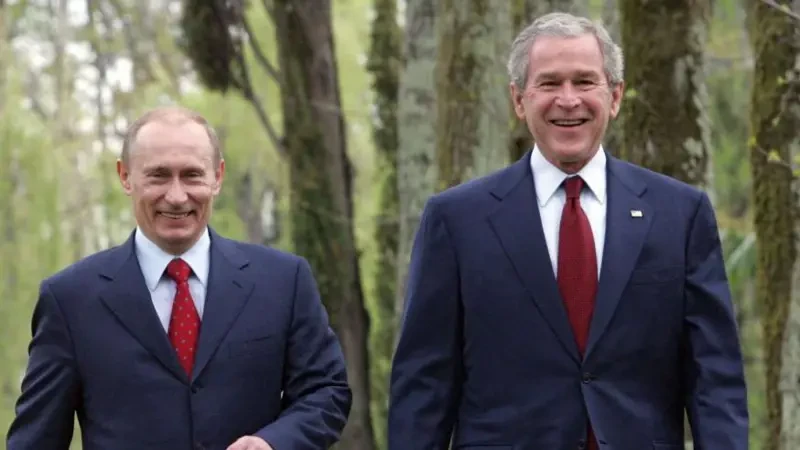
Kremlin spokesman Dmitry Peskov confirmed that Russian President Vladimir Putin received an invitation to join the Council of Peace. "We are currently studying the details of the proposal and plan to contact the American side to clarify the nuances," he added, without mentioning the $1 billion contribution.
The charter states that "the Council of Peace is an international organization aimed at promoting stability, restoring reliable governance, and establishing lasting peace in conflict regions or areas where there is a threat of conflict."
Some Arab countries oppose the Council's involvement in other conflicts, insisting that it should focus exclusively on implementing a peace plan for Gaza. Officials have expressed that creating an alternative global architecture for peace and security under Trump's control is a risky step.
As chair, Trump will have broad powers in the new organization, including the right to appoint and dismiss member states, as well as veto power over decisions made. The charter establishes that decisions of the council will be made by "a majority of the present and voting member states with the approval of the chair, who may also vote in the event of a tie."
Additionally, the chair has "exclusive powers" to create other structures to fulfill the Council's tasks.