In 2026, India will assume the chairmanship of BRICS at a time when the international system of multilateral diplomacy is facing one of its most serious crises since the end of the Cold War. Experts from IOL share their views on the significance of this event.
Tightening of U.S. Policy and the Crisis of Multilateralism
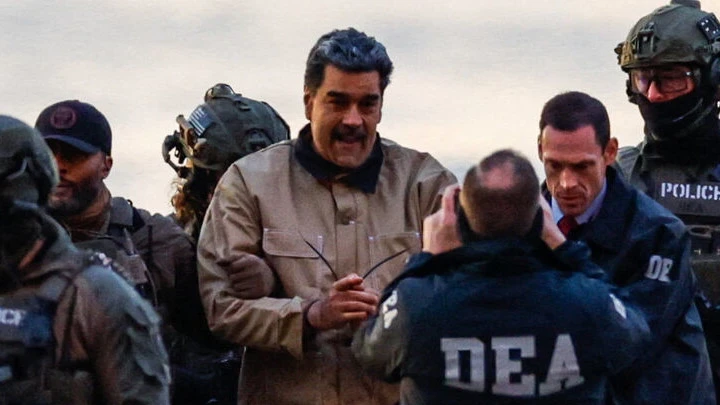
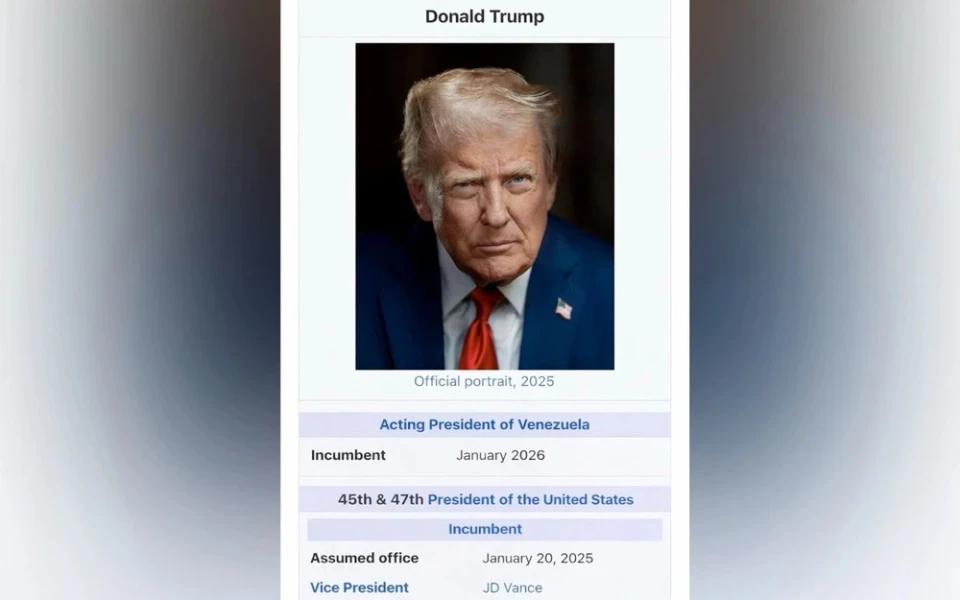
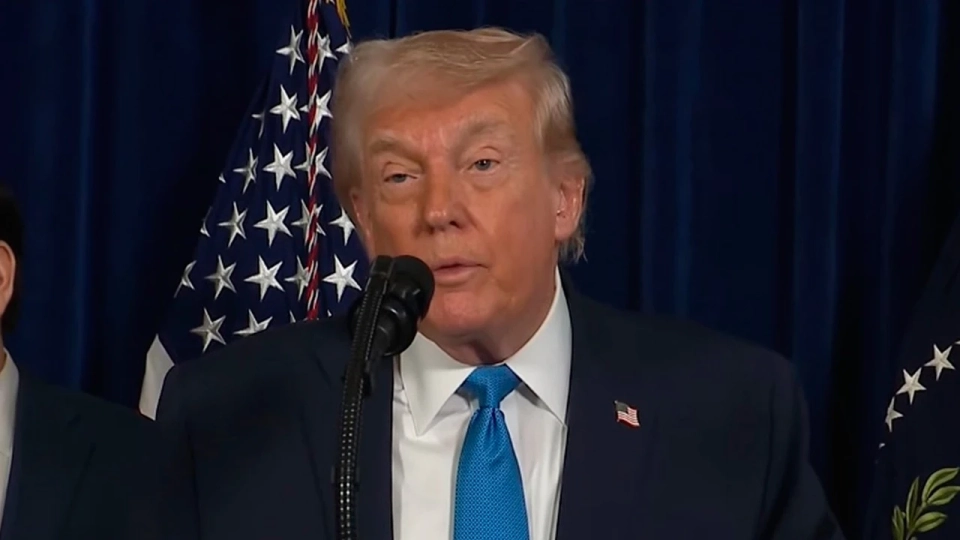
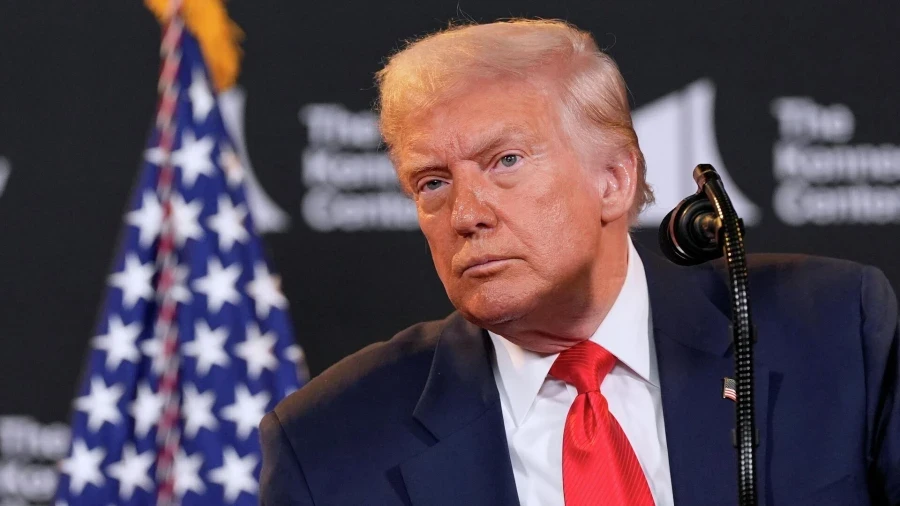
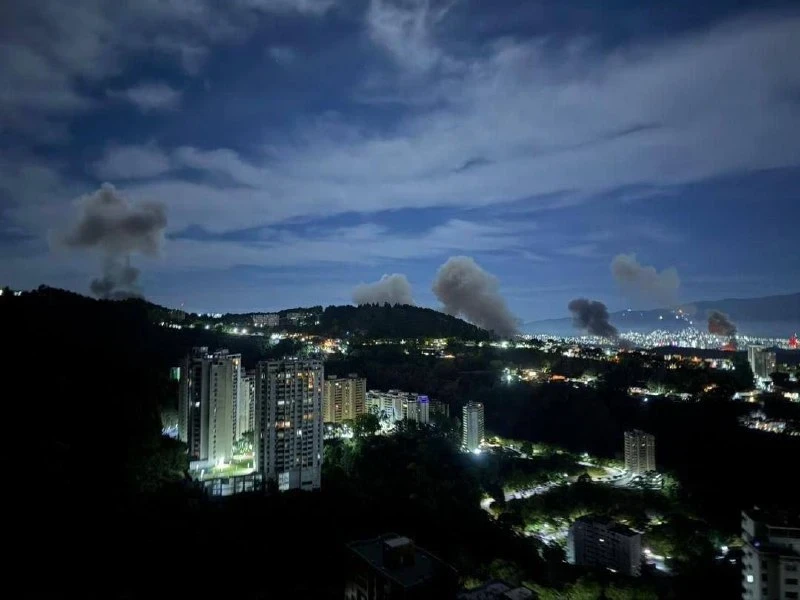
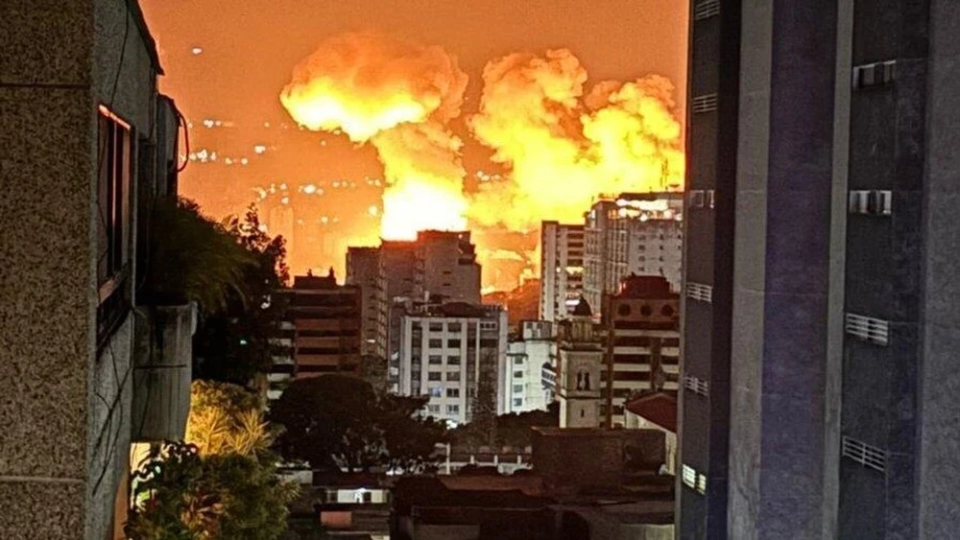
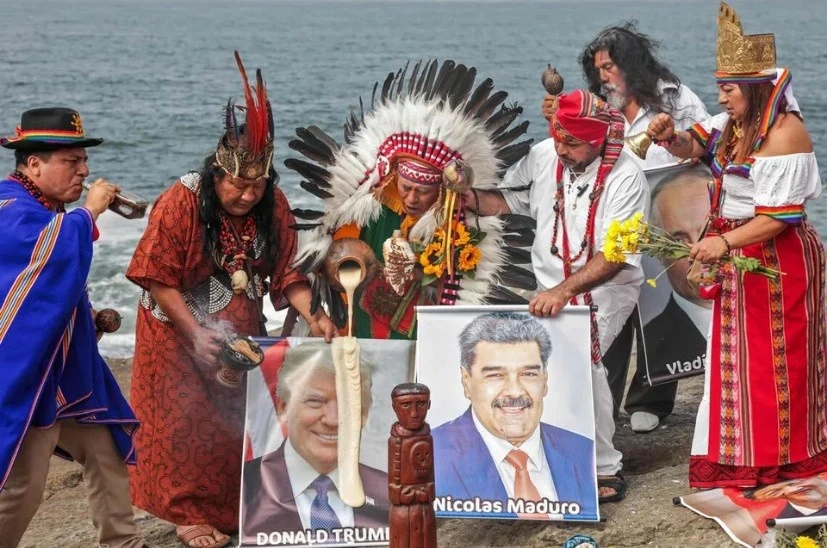
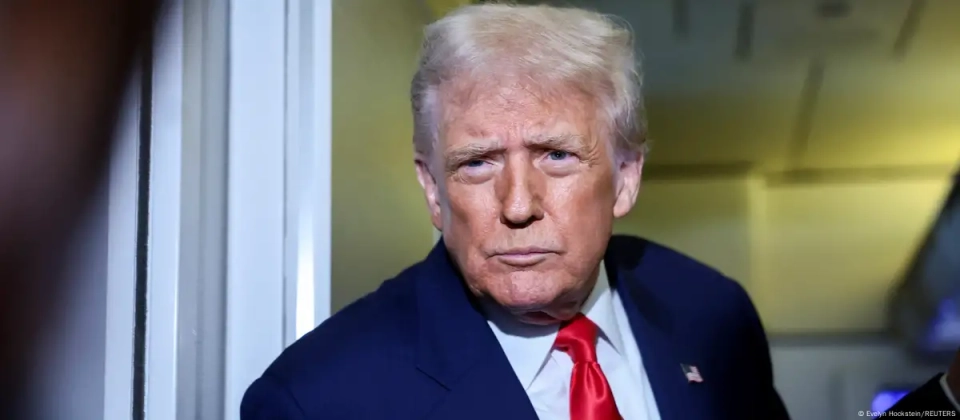
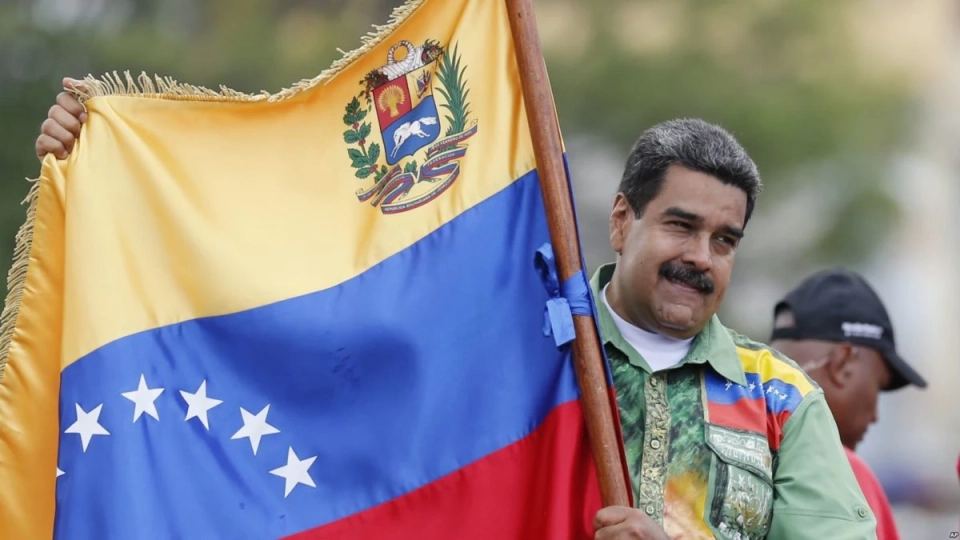
With the start of the new year, the world has faced a series of high-profile actions by President Donald Trump's administration that call into question the sustainability of international norms and principles of sovereignty.On January 3, 2026, U.S. intelligence agencies conducted an operation in Caracas, resulting in the arrest of Venezuelan President Nicolás Maduro and his wife Cilia Flores on charges of drug terrorism. Shortly thereafter, statements were made regarding the U.S. intention to control Venezuela's oil resources. The day before, on December 25, 2025, U.S. forces struck ISIS camps in Nigeria, justifying this as a necessity to protect the Christian population from terrorists.
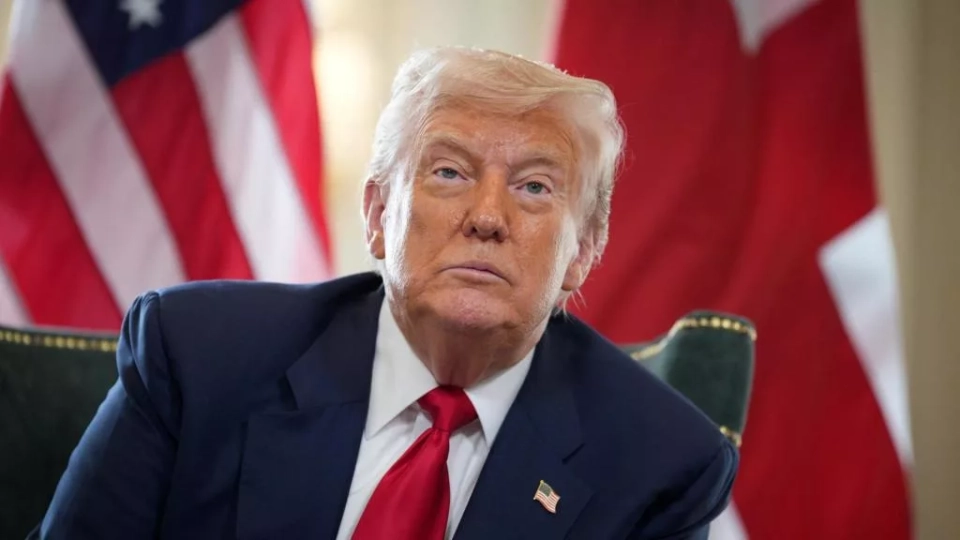
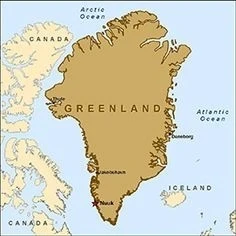
At the same time, the U.S. administration raised the issue of "acquiring" Greenland again, citing national security and access to rare earths, which led to increased tensions in relations with Denmark, a NATO ally. The American side did not rule out even military actions. In such conditions, many countries of the Global South are beginning to actively seek alternative platforms to protect international law and the principle of sovereign equality.
Trump's Imperialism: An Indian Analyst's Perspective
Indian columnist T.K. Arun offers an interesting analysis of the current changes. In his articles written at the end of 2025, he describes Trump's foreign policy as a return to the imperialist logic of the 19th century.Arun draws analogies with the era of President William McKinley, arguing that the U.S. course undermines the post-war international order based on treaties and multilateral institutions. In his view, this system is being replaced by a model based on transactional dominance, where the emphasis is on power and economic pressure rather than diplomacy.
Venezuela as an Example of New Logic
According to Arun, this new logic is most vividly manifested in the situation with Venezuela. The operation in Caracas, although positioned as a fight against drug crime, actually led to U.S. control over the country's oil exports. This vividly illustrates the new "imperial" approach, where legal justifications cover strategic interests.Arun also emphasizes the application of economic pressure: the threat of imposing tariffs of up to 500% on countries buying Russian oil turns foreign trade into a tool of political control.
Expanding Zones of Pressure: Africa and the Arctic
Strikes in Nigeria, although coordinated with local authorities, raised discussions about sovereignty and concerns regarding the increase of American military presence in Africa under the pretext of fighting terrorism. Such rhetoric surrounding Greenland, according to Arun, could undermine trust within NATO if the sovereignty of allies depends on U.S. strategic interests.Warnings Come True
The events of January 2026 confirm the concerns of the Indian analyst. Despite the "success" of the operation in Venezuela and the arrest of Maduro, initiatives began in the U.S. Senate to limit the president's military powers. The strikes in Nigeria led to the elimination of militants but also intensified discussions about the boundaries of foreign intervention. In Europe, the statement about Greenland sparked solidarity with Denmark and conversations about potential crises in NATO.A Paradox for Global South Countries
For Global South countries, the current situation presents a paradox. Trump's arguments about fighting corruption and terrorism may sound appealing to countries with weak institutions and instability. In such conditions, hard intervention is perceived as a "necessary reboot."However, as Arun emphasizes, such logic is dangerous: undermining the sovereignty of some countries destroys the system of international guarantees upon which all depend, especially small and medium-sized states.
India and BRICS: An Opportunity for Alternative Leadership
Arun emphasizes that India must become one of the defenders of a rules-based world order, regardless of the weakening of American influence. As the largest democracy with traditions of strategic autonomy, India has unique opportunities to fulfill this role.This requires strengthening BRICS as an international organization, expanding cooperation with Africa, Latin America, and other regions of the Global South, as well as working to overcome internal social and religious conflicts. This approach is supported by other Indian experts who advocate for diversifying external ties and reducing dependence on unstable U.S. policies.
Diplomacy at a Crossroads
The beginning of Trump's second term presents diplomacy with a choice: how to defend sovereignty and multilateral norms when the superpower increasingly acts unilaterally, justifying its actions with security and the fight against terrorism, while seeking strategic and resource gains.Actions in Venezuela, Nigeria, and pressure on Greenland demonstrate this new reality.BRICS+ countries, Global South states, and small powers find themselves facing a complex dilemma: to condemn the erosion of international law while also considering the real balance of power. In the Trump era, diplomacy risks becoming merely a trade where power suppresses multilateral institutions.
Choosing Principles
For Africa and other vulnerable regions, an important response will be internal reforms, fighting corruption, and strengthening social cohesion, which will help reduce the risks of external pressure under the guise of good intentions.In conditions of global instability, ethical and principled leadership becomes particularly significant. As T.K. Arun notes, survival in the new world requires not submission to power, but collective protection of norms that ensure human dignity, sovereignty, and equal rules for all.