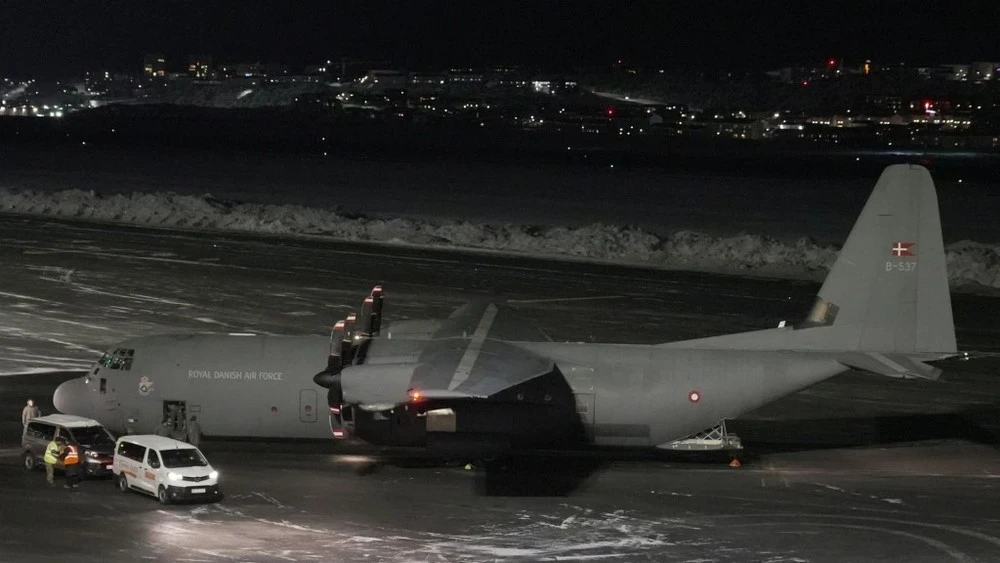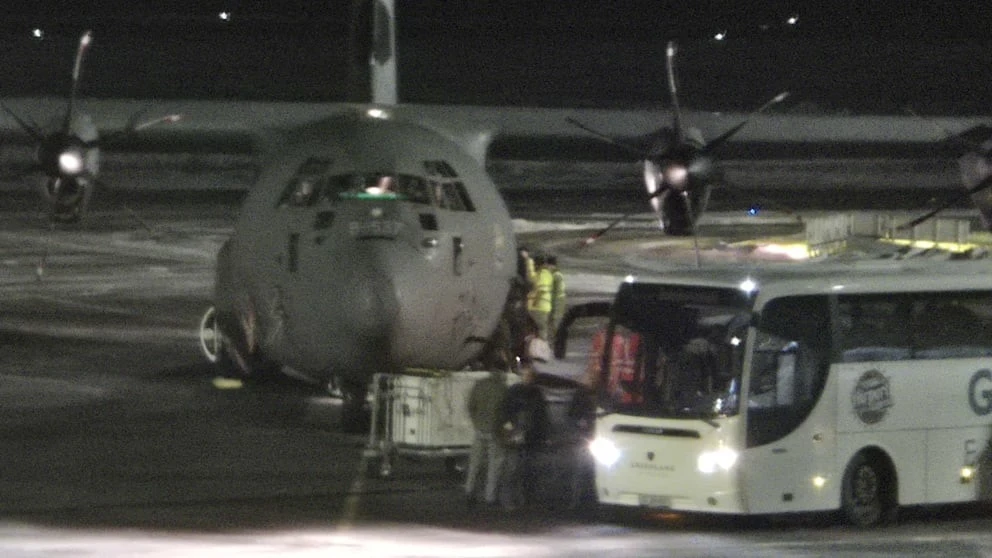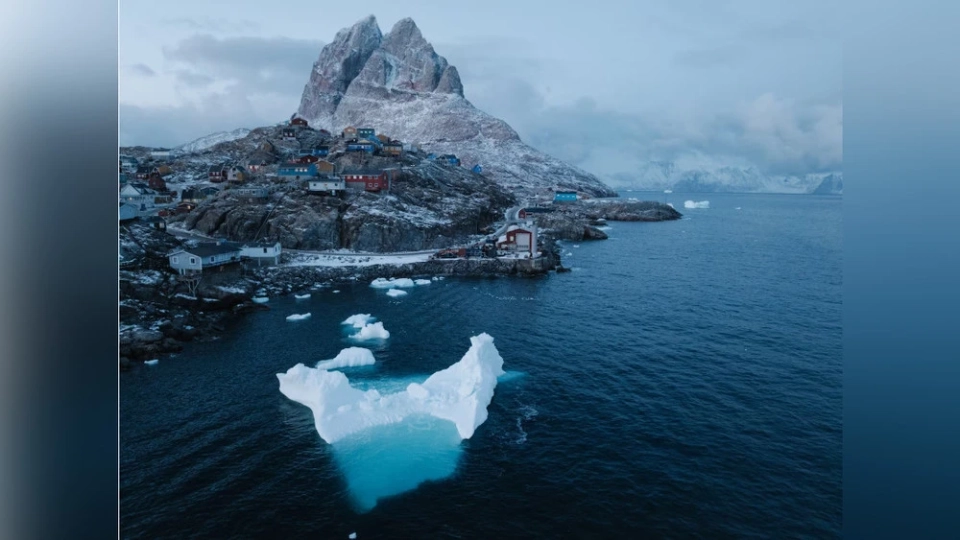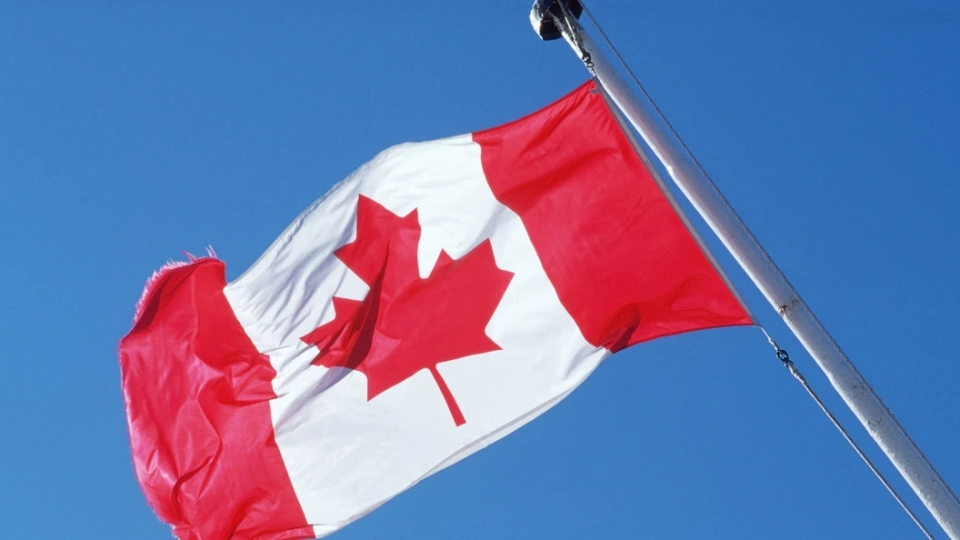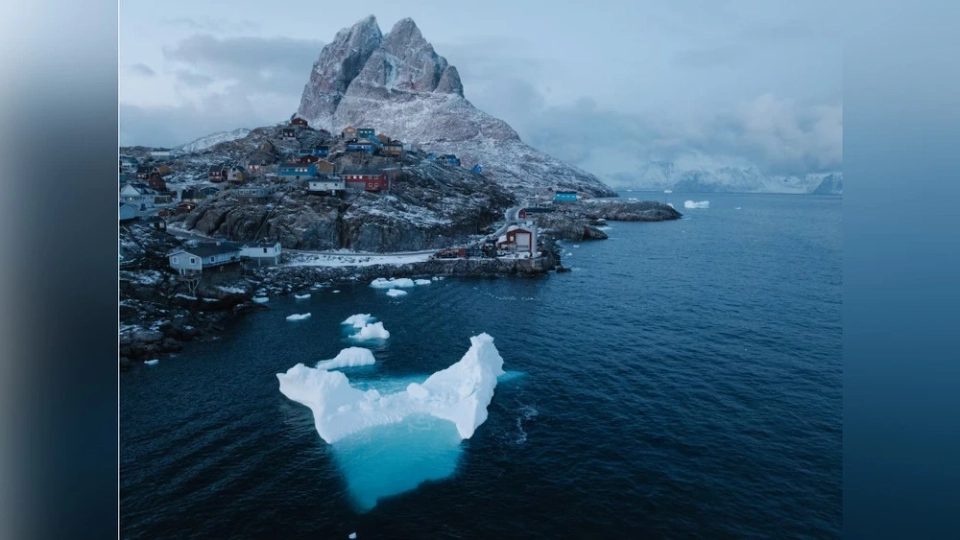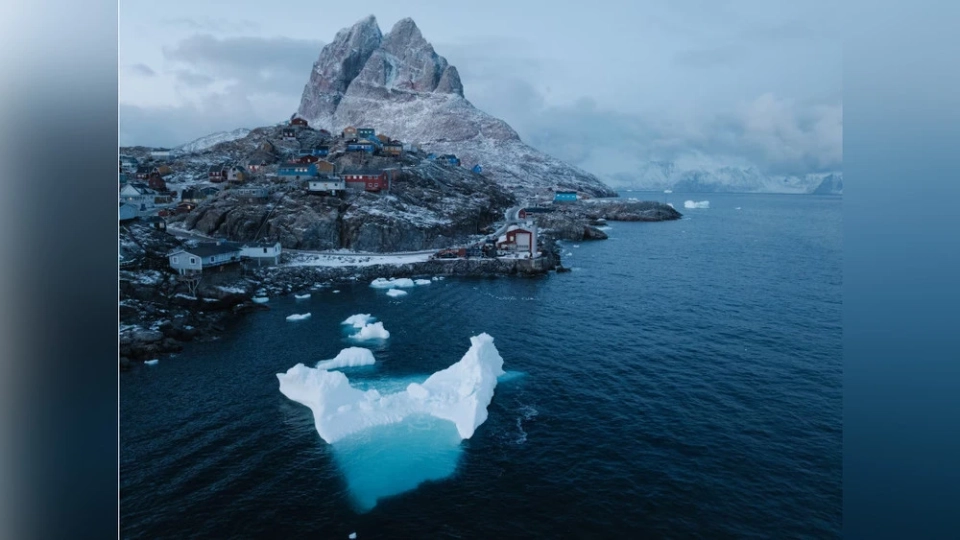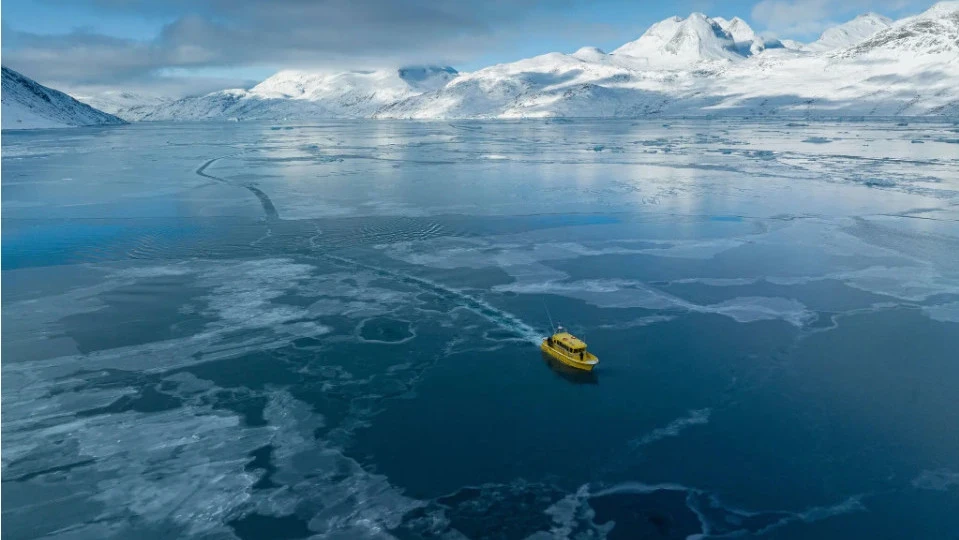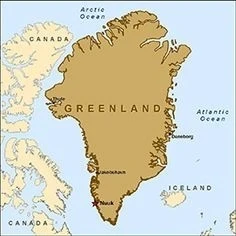
The security situation in Greenland has attracted the attention of European NATO allies, who have begun the rapid deployment of their military forces to the island. Countries such as Germany, France, Sweden, Norway, the Netherlands, and Canada are sending equipment and officers there at the invitation of Copenhagen. The operation, dubbed "Arctic Guardian," is officially aimed at protecting critical infrastructure and maritime surveillance; however, experts believe it is also an attempt by Europe to safeguard Denmark's territorial integrity.
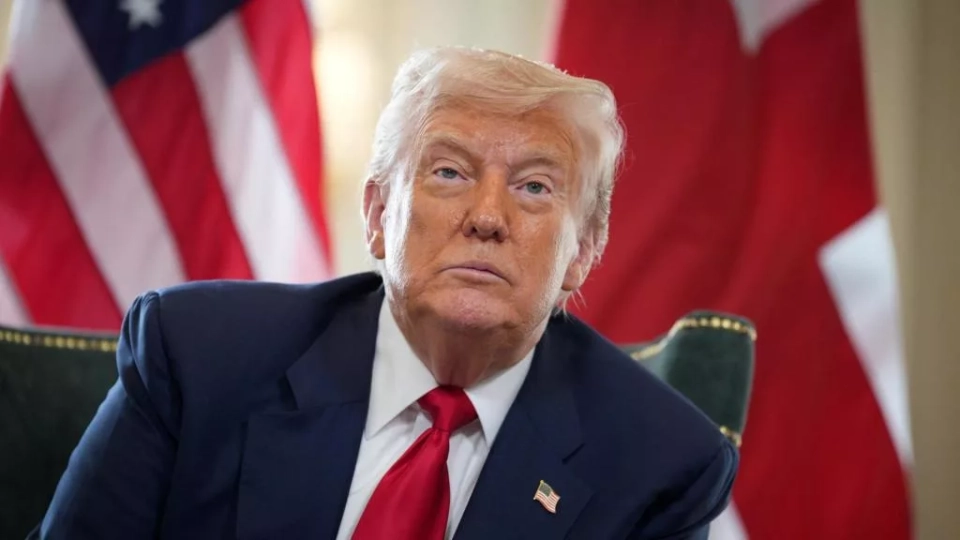
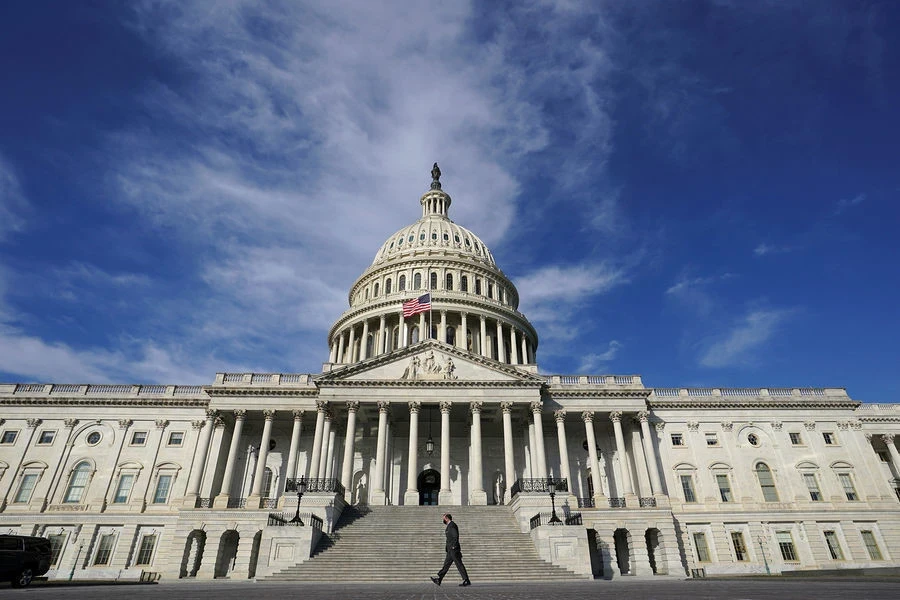
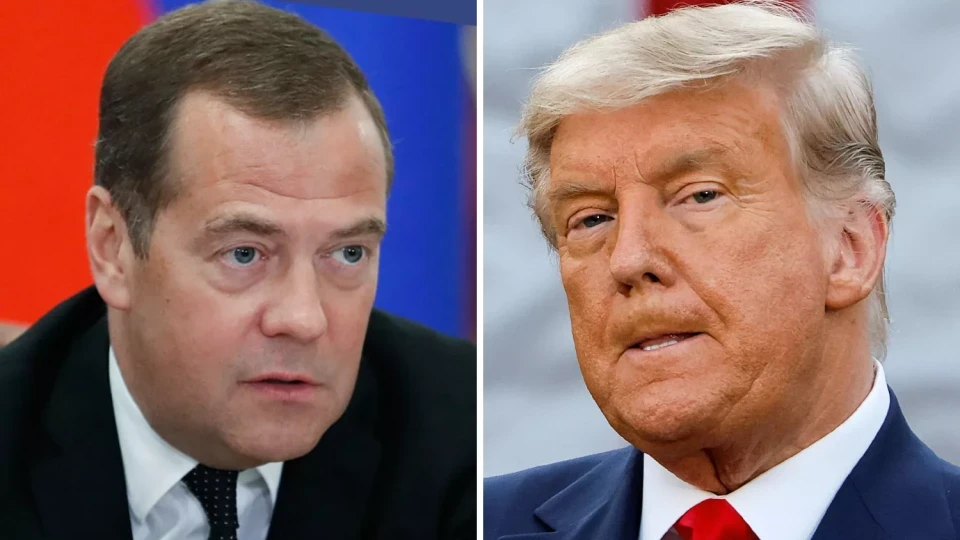
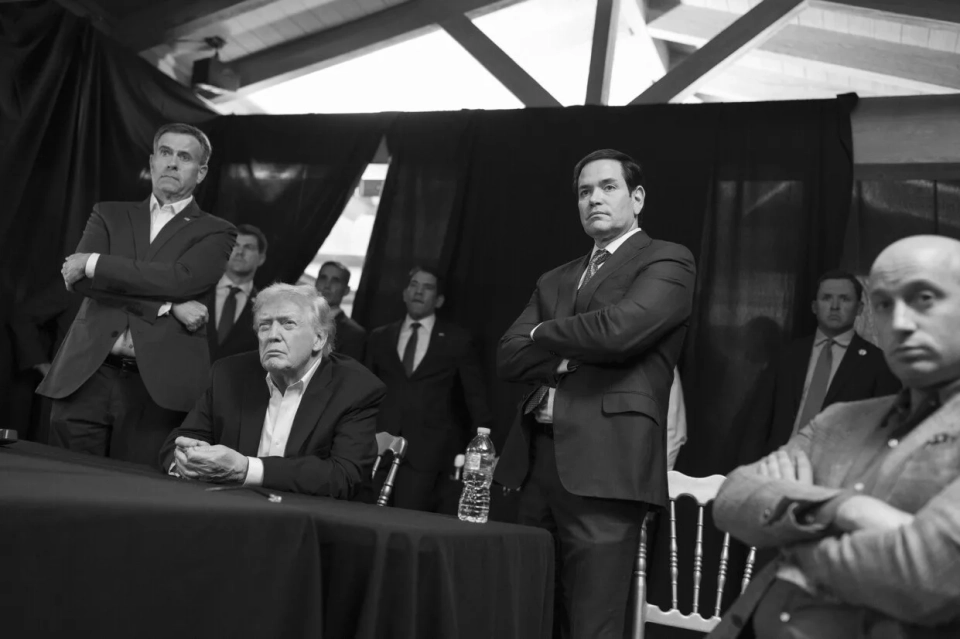
The impetus for these actions was the recent statements by Donald Trump, who raised the issue of the possibility of acquiring Greenland once again, even hinting at the potential use of force to achieve this goal. The American president believes that control over the island is important for the security of the United States. On January 12, a bill was introduced in the U.S. Congress that implies the annexation of Greenland and granting it the status of an American state. Washington justifies its intentions by the need to counter the growing influence of Russia and China in the Arctic region.
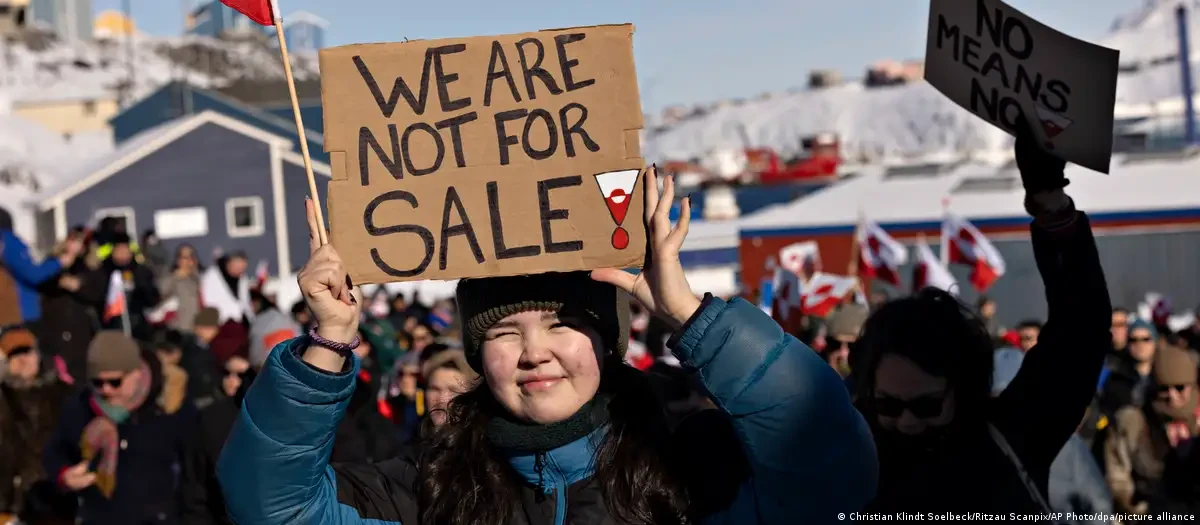
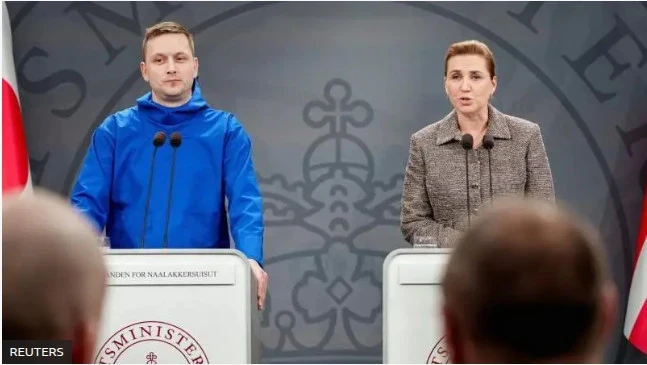
In response to the threats, the Bundeswehr has already sent specialists to Nuuk to assess the possibilities of military involvement, and Sweden and France have also activated their officer groups. Germany advocates for the establishment of a permanent NATO mission in the Arctic, similar to the "Baltic Guardian." The head of the Greenland government, Jens Frederik Nielsen, has made it clear that the island does not intend to become part of the United States and prefers to remain under the protection of Denmark. Despite Greenland's high degree of internal autonomy, defense matters remain under the jurisdiction of Copenhagen, which now must demonstrate to Washington its readiness to defend Arctic borders alongside its allies.