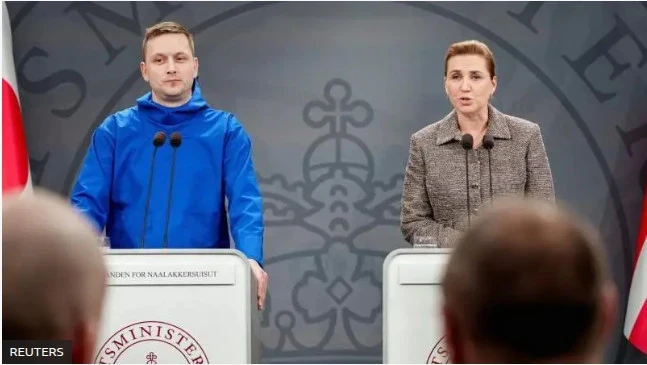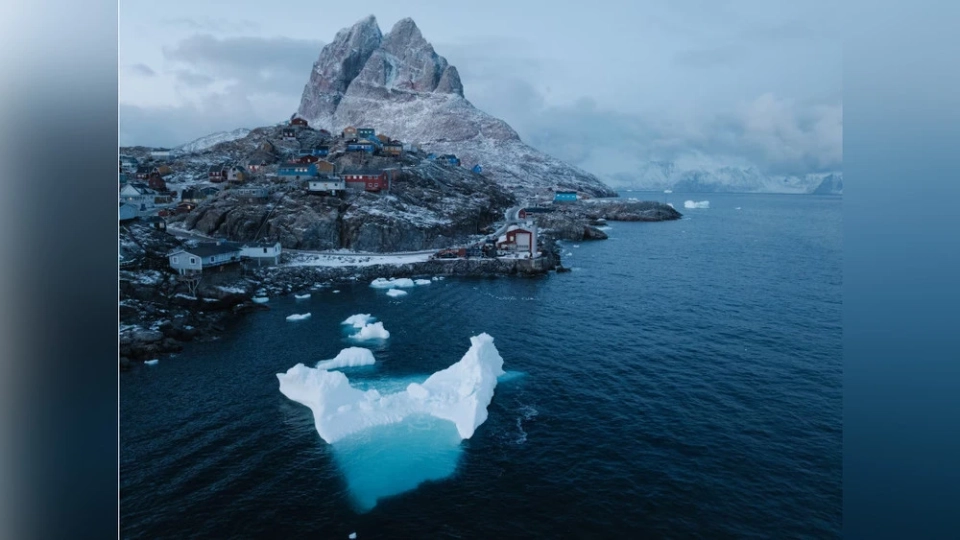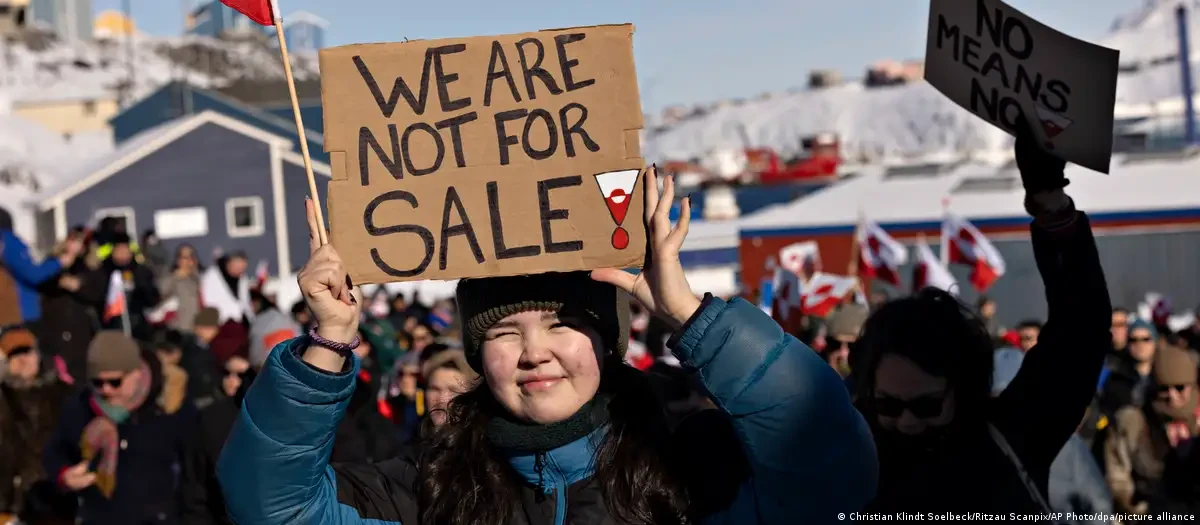
Denmark's Foreign Minister Lars Løkke Rasmussen, after discussions with U.S. Vice President J.D. Vance and Secretary of State Marco Rubio in Washington on January 14, noted that the positions of the parties on the issue of Greenland differ significantly. In this regard, a high-level working group will be formed to seek paths to compromise.
According to Rasmussen, cooperation should be based on mutual respect. The working group will be tasked with assessing U.S. national security interests while avoiding crossing Denmark's "red lines." The first meeting of this group is planned for the coming weeks.
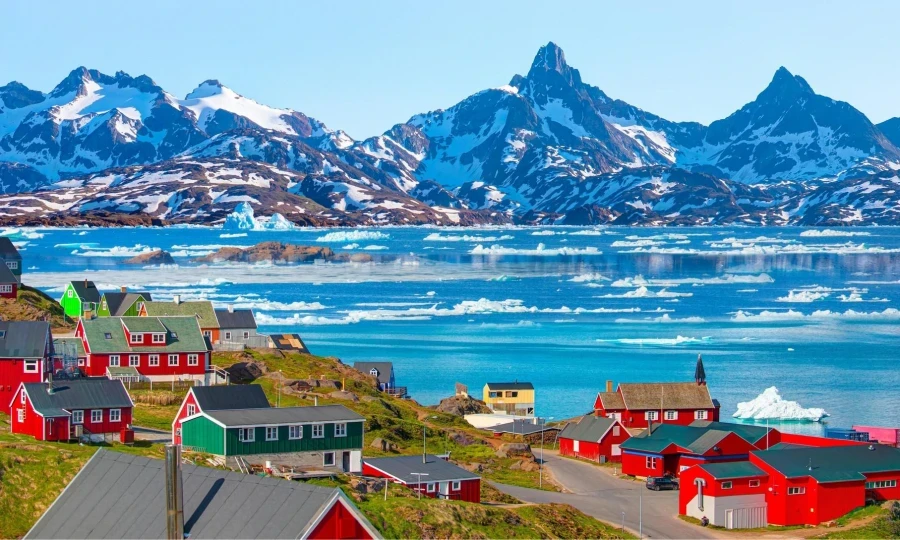
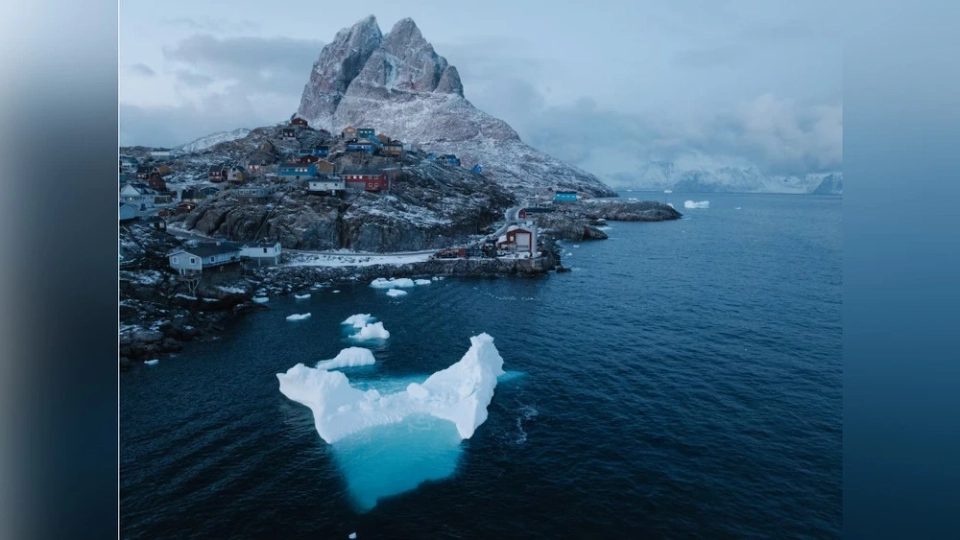
Greenland's Foreign Minister Vivian Motzfeldt, who also participated in the negotiations, expressed a desire for closer cooperation with Washington but noted that she does not want Greenland to become part of the United States.
The negotiations took place in a government building near the White House and lasted about an hour. According to dpa, before the meeting, U.S. President Donald Trump stated that he does not intend to back down from his demands.
Trump believes that Greenland plays an important role in U.S. national security, especially in the context of the "Iron Dome" missile defense system and Arctic security, where, according to him, Russia and China have become more active.
Previously, Trump claimed that the U.S. should gain control over Greenland, an autonomous territory of Denmark, "one way or another." The White House also reported that the use of the military to annex Greenland is being considered as one of the possible options.
This week, Germany may send its first soldiers to Greenland. Sources from BILD in Germany and Scandinavia report the establishment of a small advance unit of the Bundeswehr, but the German Ministry of Defense has neither confirmed nor denied this information. According to BILD, the deployment could take place as early as January 15.
Although the expansion of military presence in Greenland is designated as an initiative of European NATO countries, coordination is being carried out through Copenhagen rather than through alliance structures. This is done to conduct the mission without U.S. involvement, as the northern NATO countries fall under the command in Norfolk.
Denmark has already announced plans to increase its military presence in Greenland, which may be joined by other European allies. Germany is considering the participation of specialized mountain infantry units, naval forces, and the Luftwaffe.
Swedish Prime Minister Ulf Kristersson reported that Swedish officers are already in Greenland preparing for Danish exercises "Arctic Resilience."
German Defense Minister Boris Pistorius previously called on NATO countries in an article for Die Zeit to jointly defend Greenland and the Arctic from the influence of Russia and China, emphasizing that unilateral actions by the U.S. undermine the foundations of the alliance.