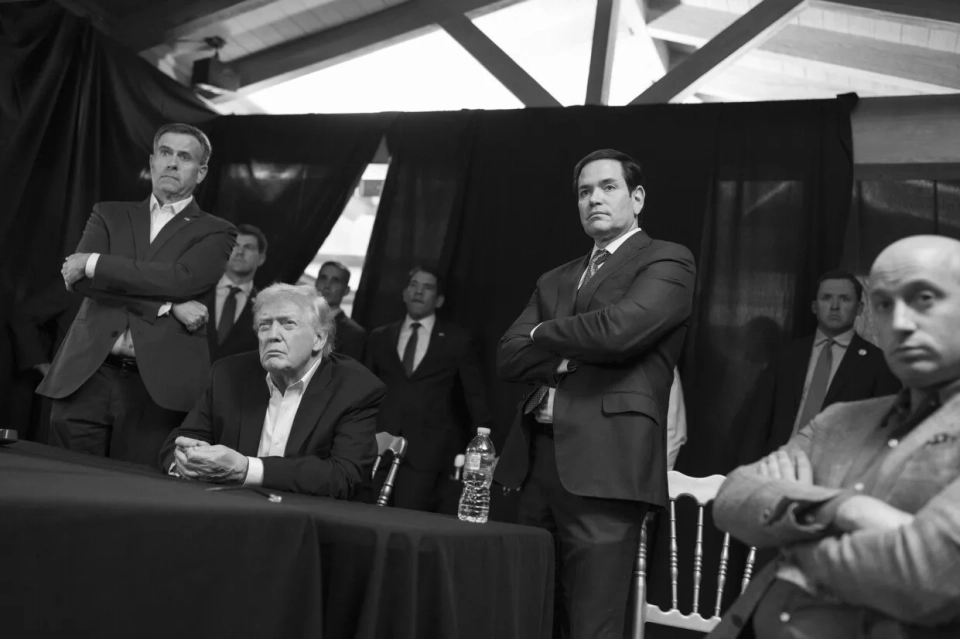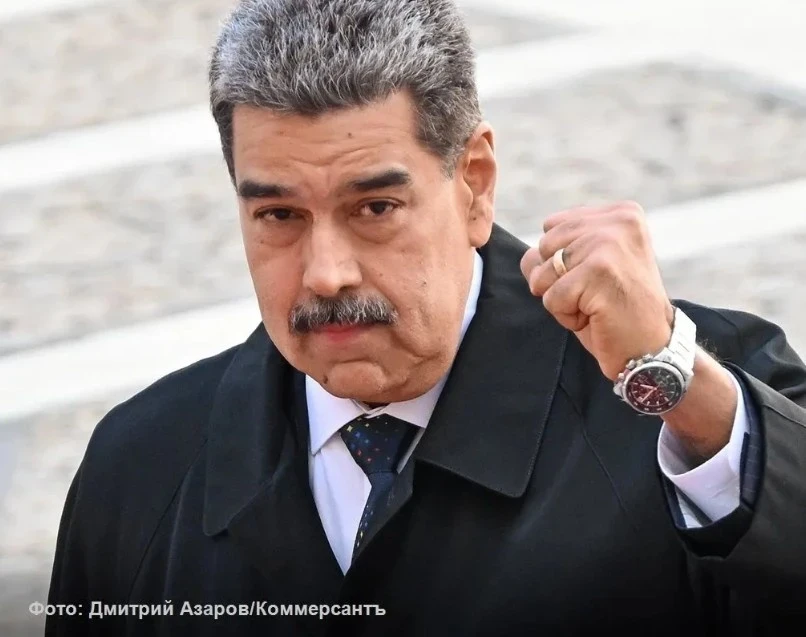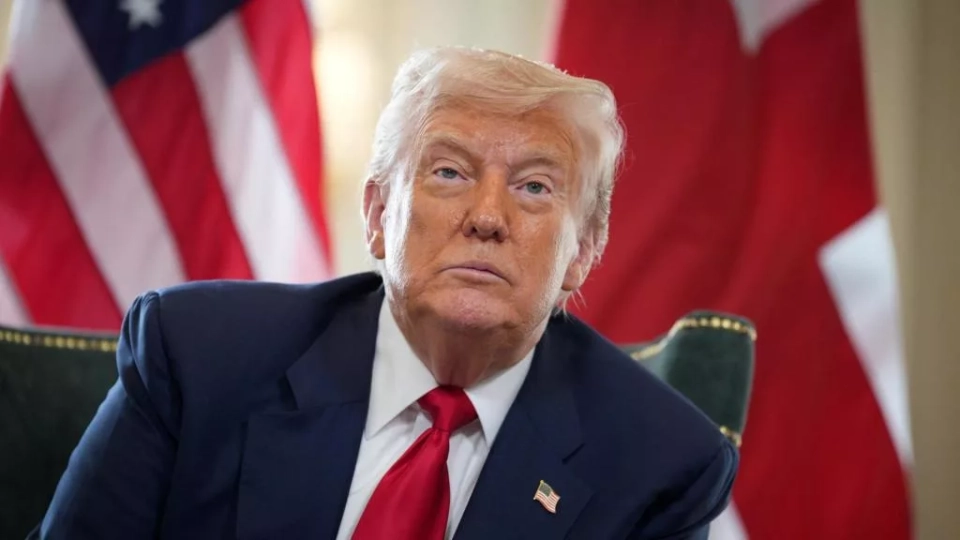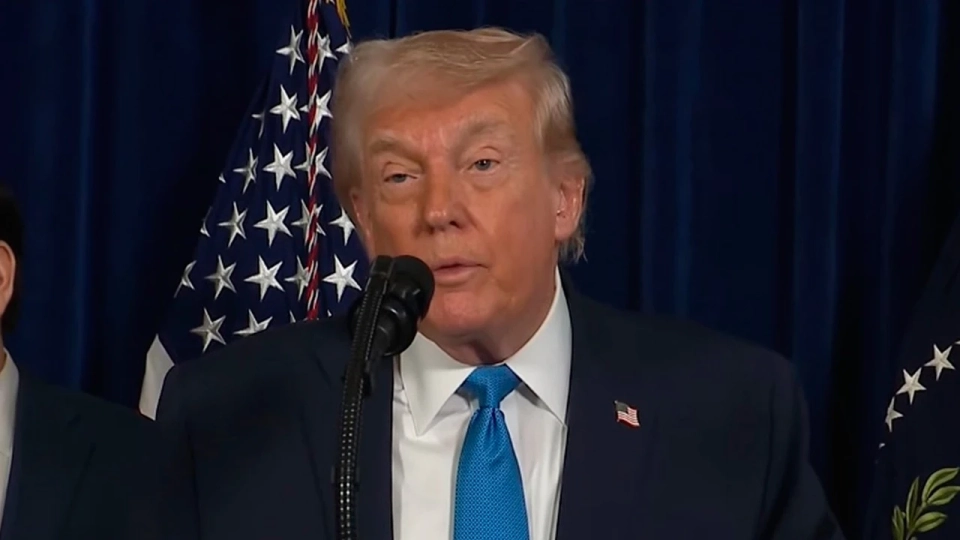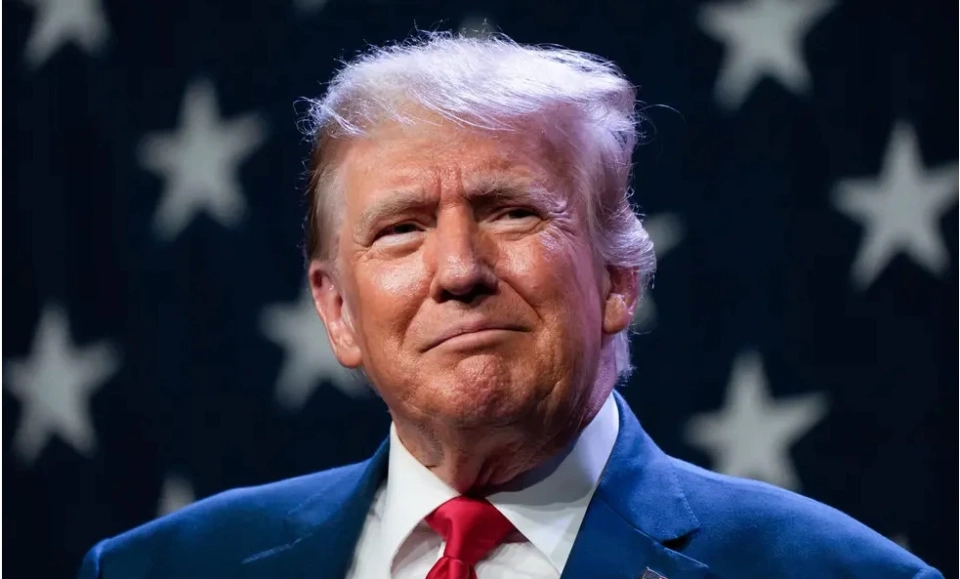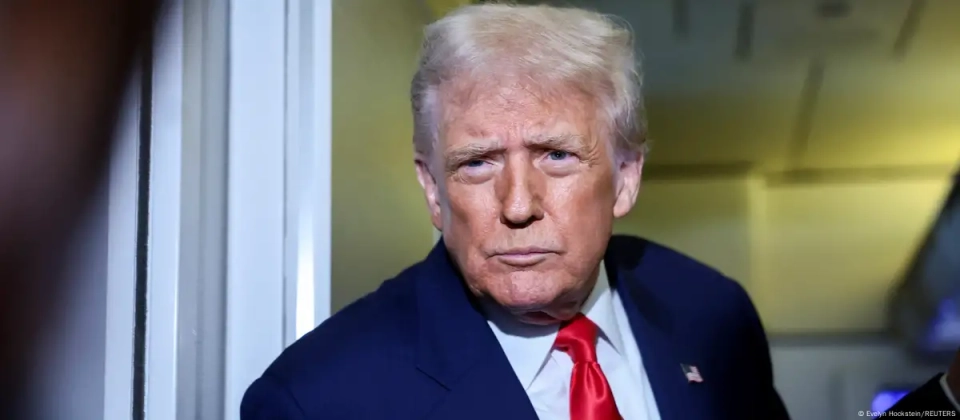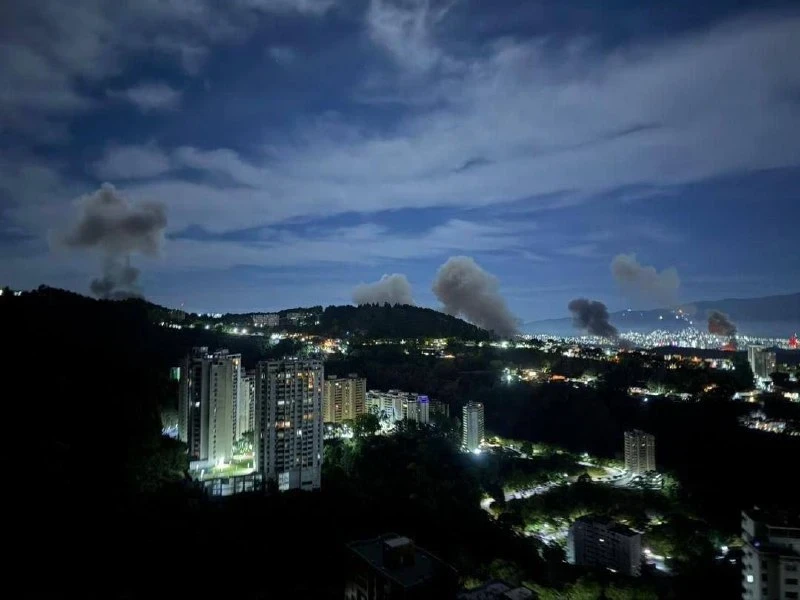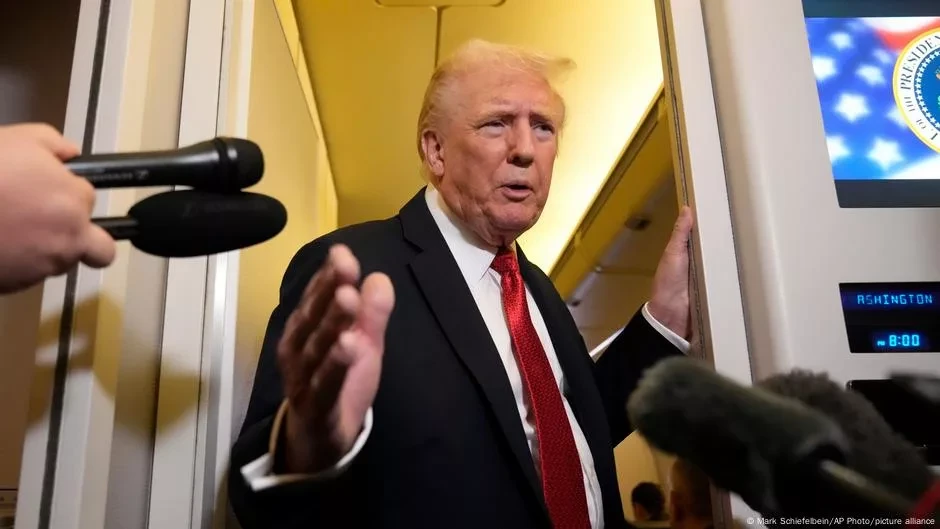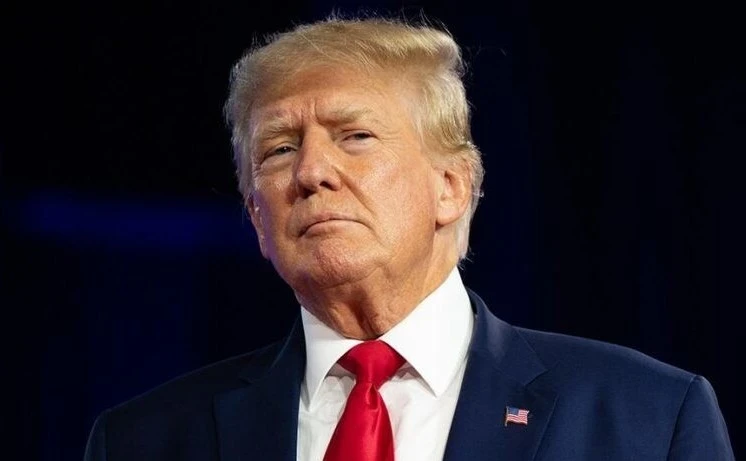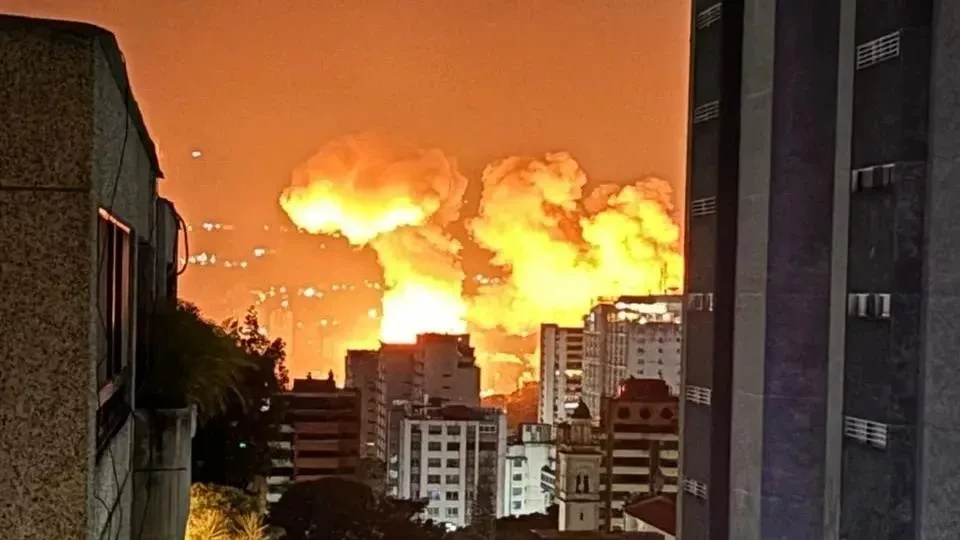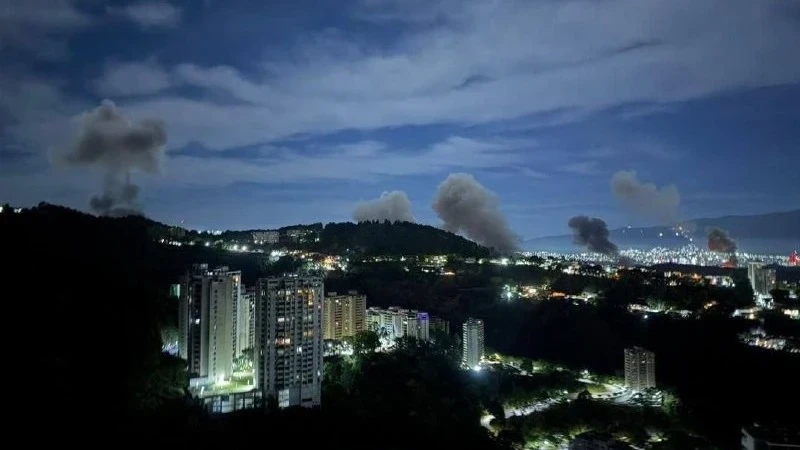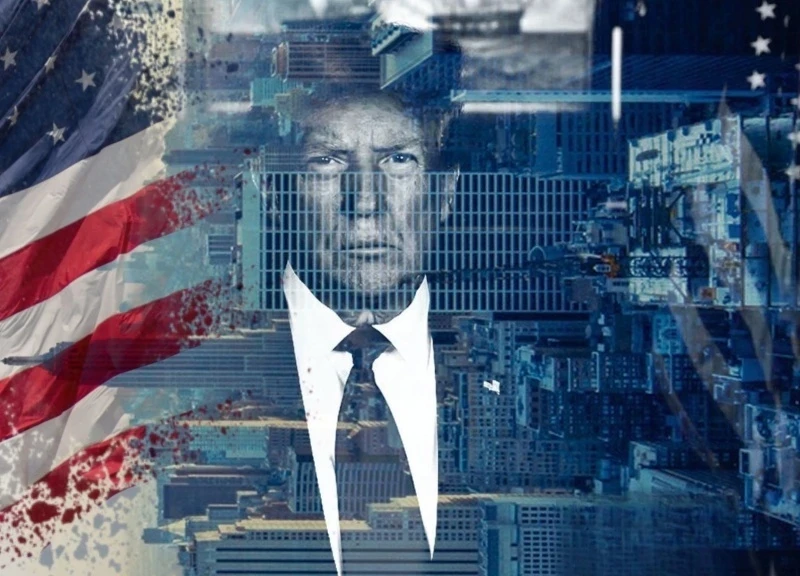
Trump noted that events in Venezuela could raise concerns among the governments of Iran and Denmark, as he is prepared to take radical measures against these countries.
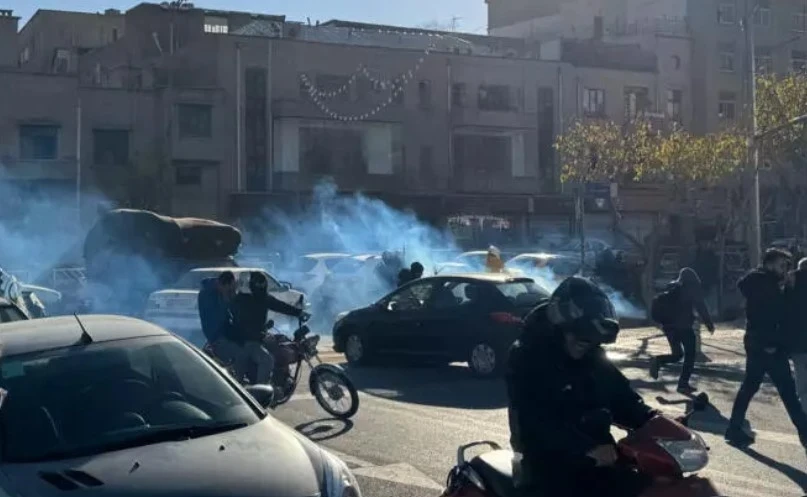
In recent days, the president has actively expressed support for anti-government protesters in Iran and made threats regarding control over Greenland, which his administration has mentioned multiple times. In December, the Danish military intelligence even characterized the U.S. as a security threat, which came as a surprise to its NATO ally.
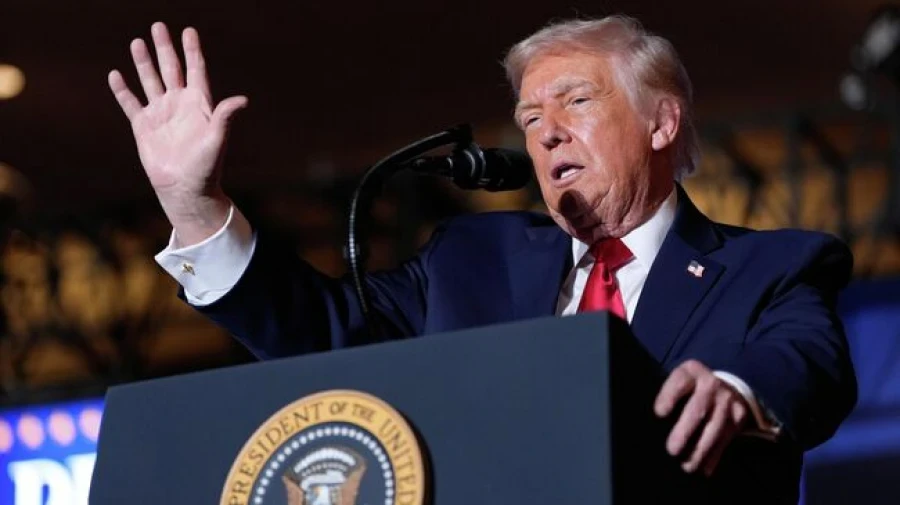
At a press conference on January 3, Trump also mentioned Cuba, adding it to the list of countries that interest him, and noted that it is "similar" to Venezuela in that America wants to help the Cuban people.
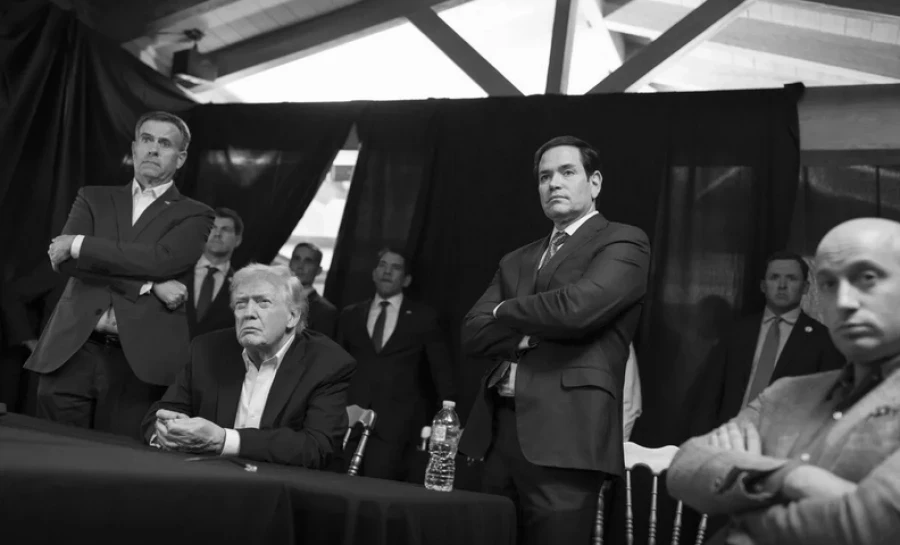
U.S. Secretary of State Marco Rubio expressed the opinion that Havana should be "worried" about the current events in Venezuela.
The article claims that such a situation could lead to a shift from a peaceful world order to conflicting spheres of influence, where military power and the willingness to use it will play a dominant role.
American commentator David Rothkopf characterized this strategy as the "Putinization of U.S. foreign policy."
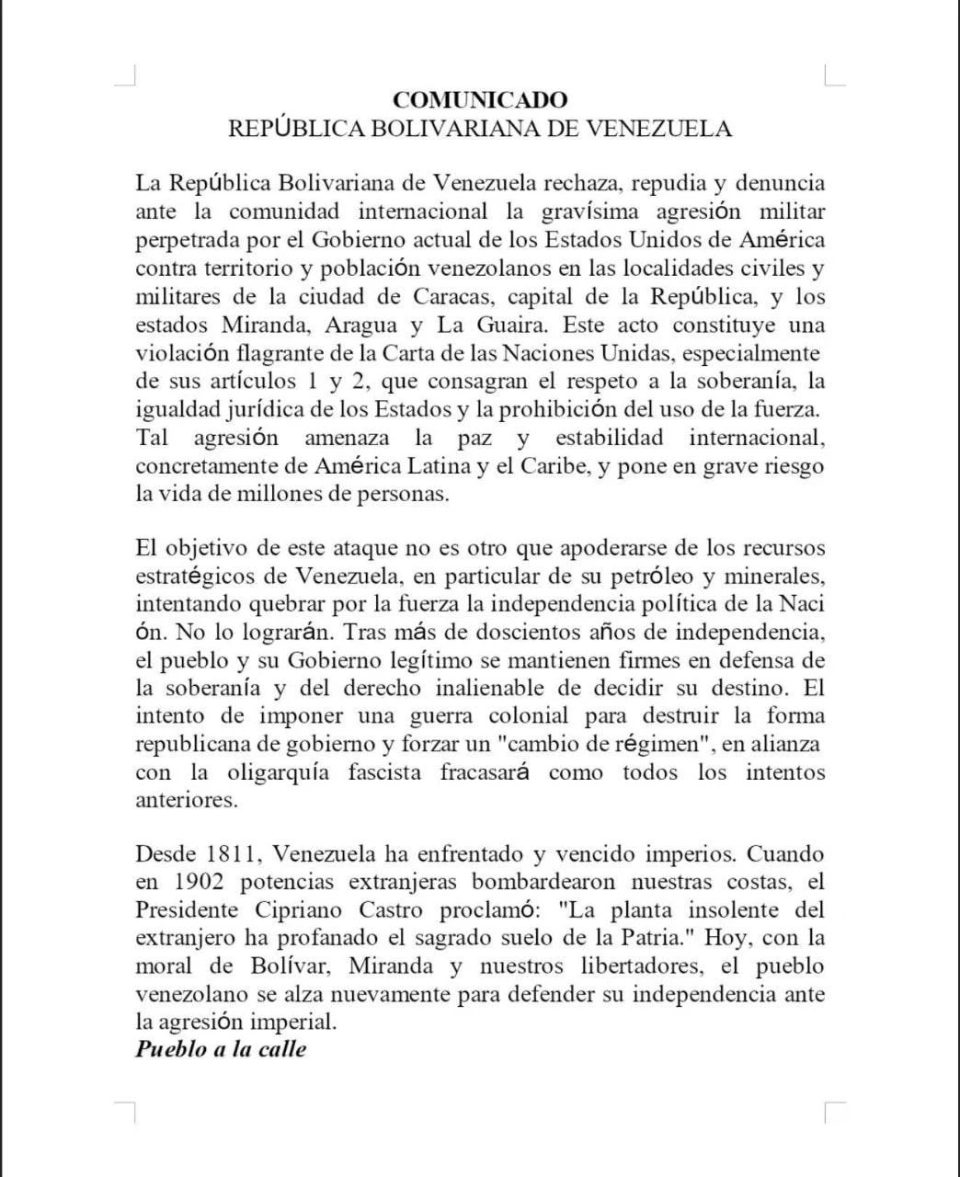
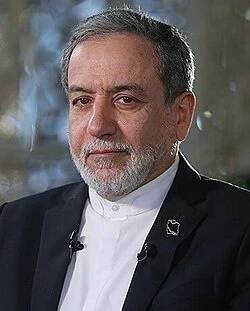
According to REX, Iranian Foreign Minister Seyed Abbas Araghchi discussed with his Venezuelan counterpart Ivan Hilem Pinto the recent events related to U.S. aggression against Venezuela.
Araghchi sharply condemned the actions of the United States, calling the kidnapping of the legitimate president of Venezuela and his wife an example of state terrorism, and expressed support for the people and the legitimate government of Venezuela.
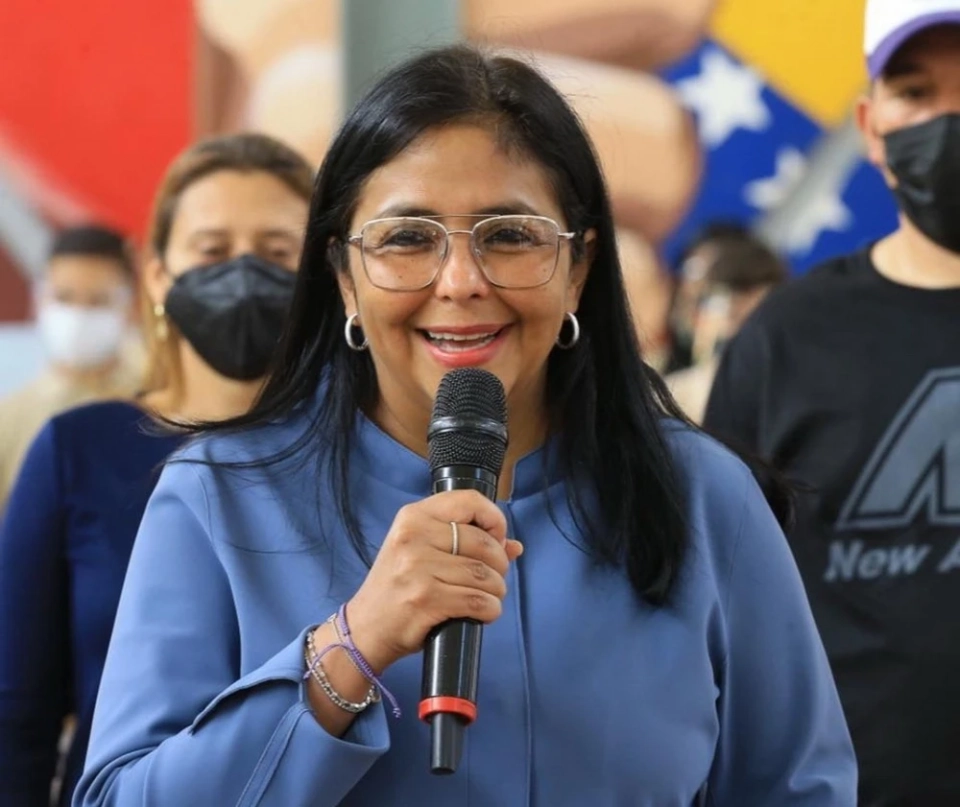
For his part, the Venezuelan Foreign Minister thanked Iran for maintaining a principled position and solidarity, emphasizing the readiness of the people and government to defend their sovereignty against the aggressive policies of the U.S.
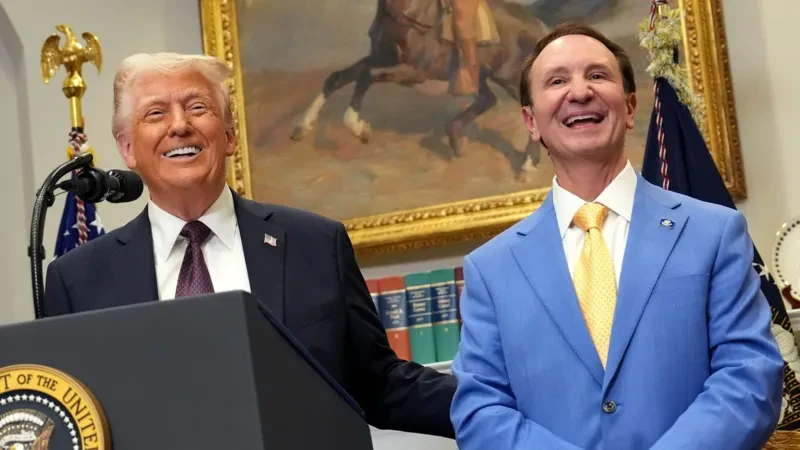
Against the backdrop of these events, Danish Foreign Minister Lars Løkke Rasmussen called for dialogue between the U.S. and Venezuela, expecting the UN Security Council to convene to discuss the situation in order to return the process to de-escalation and dialogue. "We must respect international norms," he added.
Source: iarex.ru