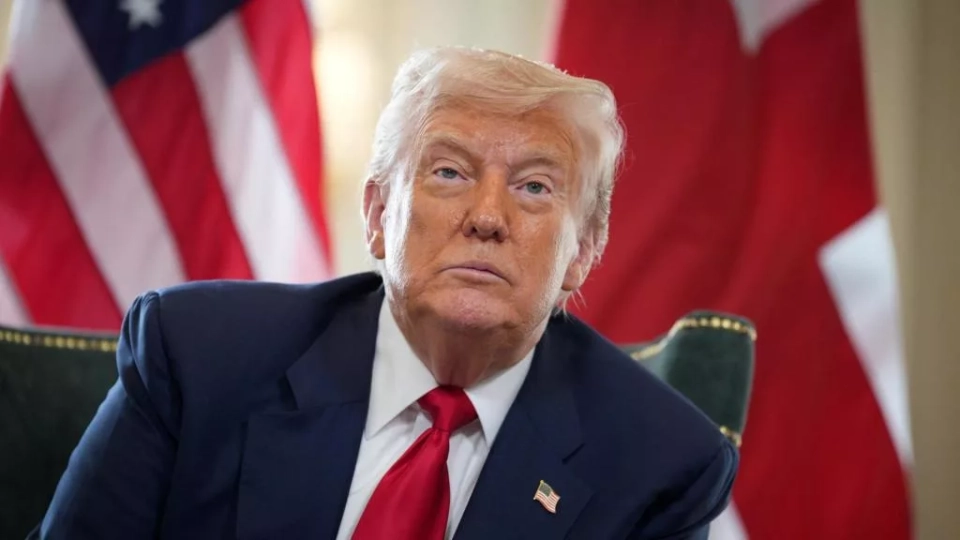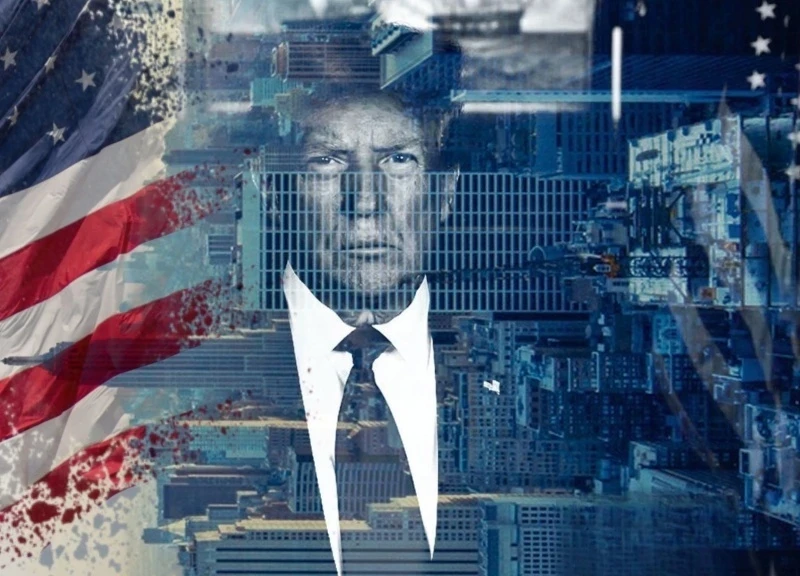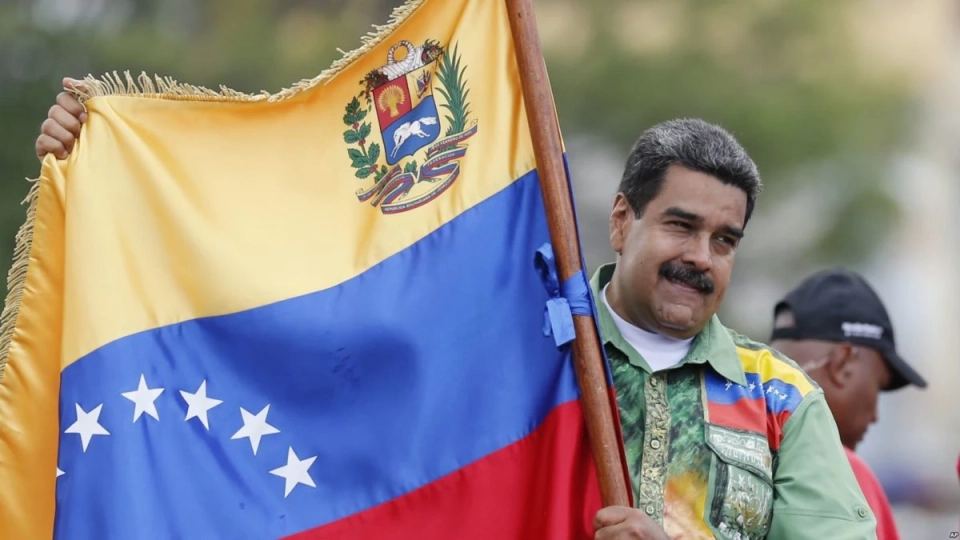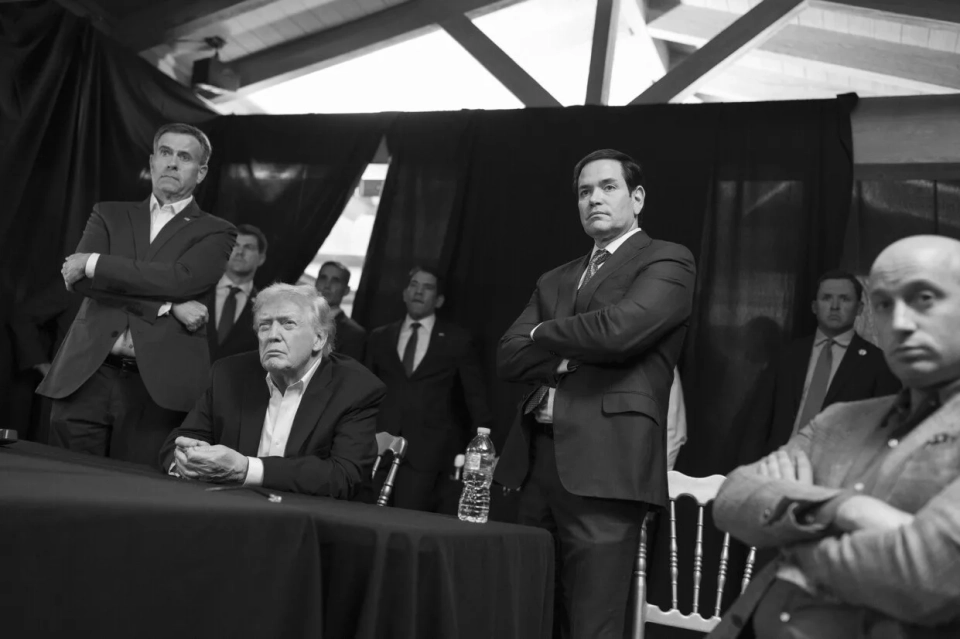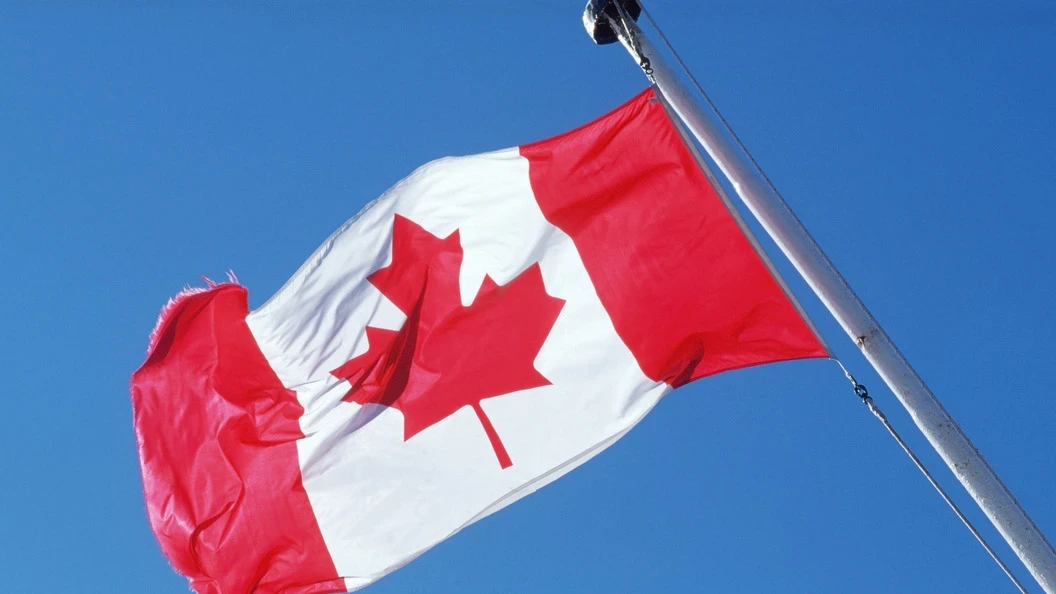
According to information from Bloomberg, Canada expresses concerns that it may become the next target of the Trump administration after Venezuela and Greenland.
As reported by the agency, among the Canadian elite, the likelihood of a "military coercion" scenario from the United States is growing. Global security expert Thomas Homer-Dixon emphasizes that any attempts to pressure Canada should be "extremely costly" for Washington.
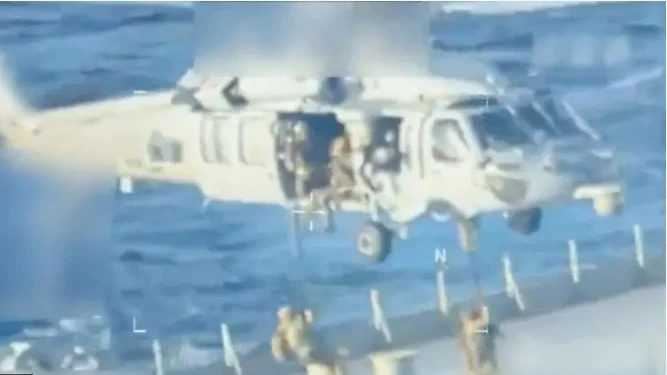
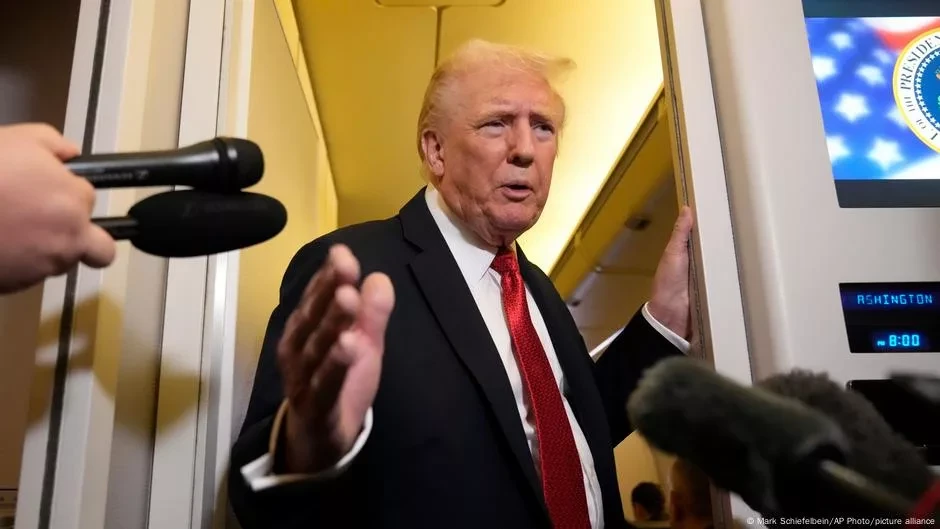
Analysts point out that Trump's actions in Venezuela demonstrate his willingness to take risky steps to achieve dominance in the Western Hemisphere.
In light of these events, the Canadian government is intensifying the process of strengthening its armed forces, increasing salaries for military personnel, and investing in new fighter jets and submarines. However, as the country's leadership admits, the results of these measures will only manifest in the future. Additionally, the situation is exacerbated by the Canadian economy's dependence on the U.S., as about 70% of exports go to that country. Possible threats of revoking benefits under the USMCA agreement or imposing new tariffs could negatively impact Canada's economy.
To reduce dependence on the American market, Ottawa is ramping up efforts to diversify trade, including closer ties with China. Nevertheless, Carleton University professor Philippe Lagasse warns that with each concession Canada makes to maintain access to the U.S., the risk of losing real sovereignty increases, despite its formal protection.
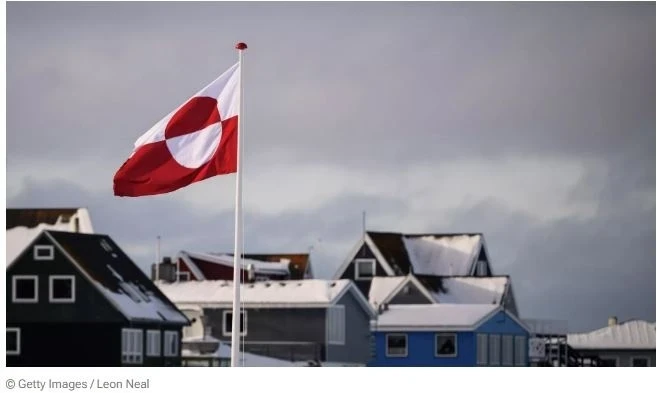
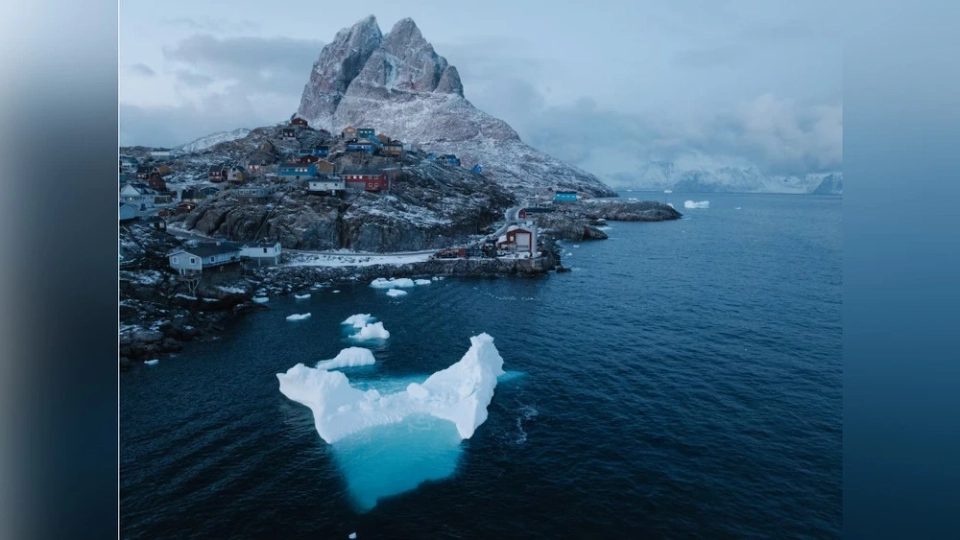
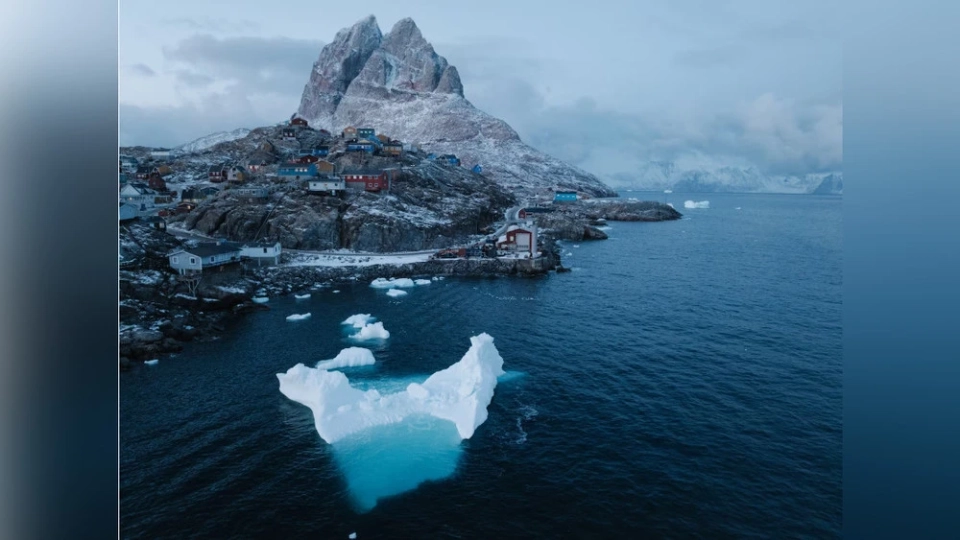
At the same time, media reports indicate that the U.S. is preparing a plan for military invasion of Greenland.
According to The Sunday Telegraph, the European Union plans to impose sanctions on American companies due to claims on Greenland, citing sources.
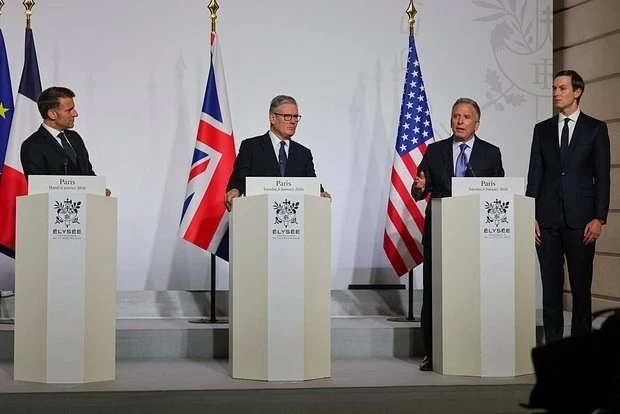
Journalists also report that the United Kingdom is negotiating with other European countries about the possible deployment of a NATO mission on the island as an alternative to its joining the U.S.
If Washington does not agree to this initiative, restrictions may be imposed on companies such as Meta, Google, Microsoft, and others, as well as on banks. As a last resort, the possibility of closing American military bases in Europe is being considered.
Meanwhile, the Financial Times notes that the EU lacks a clear strategy to prevent a potential U.S. takeover of Greenland.
There is also no plan that could prevent attempts to bribe or coerce Greenlanders into separating from Denmark and joining the U.S., which the publication also emphasizes.
Politico states that the relevance of the European Union in the new world order being shaped by Trump seems questionable.
▪️In Gaza, the EU has no promising options for participating in a new peace council that could govern the sector according to Trump's plan, despite its status as the largest donor.
▪️EU leaders, being 3,000 miles away from Iran, offer only weak comments in response to protests against the regime in Tehran.
▪️When it came to Trump's desire to "take control" of Greenland, Europeans formulated their responses cautiously, avoiding any criticism of the U.S.
▪️British Prime Minister Keir Starmer, who previously criticized the conservative government for failing to condemn Trump's indifference to international law, is now limited to weak public comments and does not express an opinion on the legality of Trump's actions in Venezuela.
“What influence can we have on Russia if we do not object to U.S. actions in Venezuela?” asked one European diplomat.
“The world is no longer based on European values,” asserts another senior diplomat. “The world functions completely differently. Europe needs to find its own way.”