Jeyhun Ashirov examines why the hypothesis of a conspiracy between the USA, Moscow, and Beijing after Maduro's capture lacks foundation.
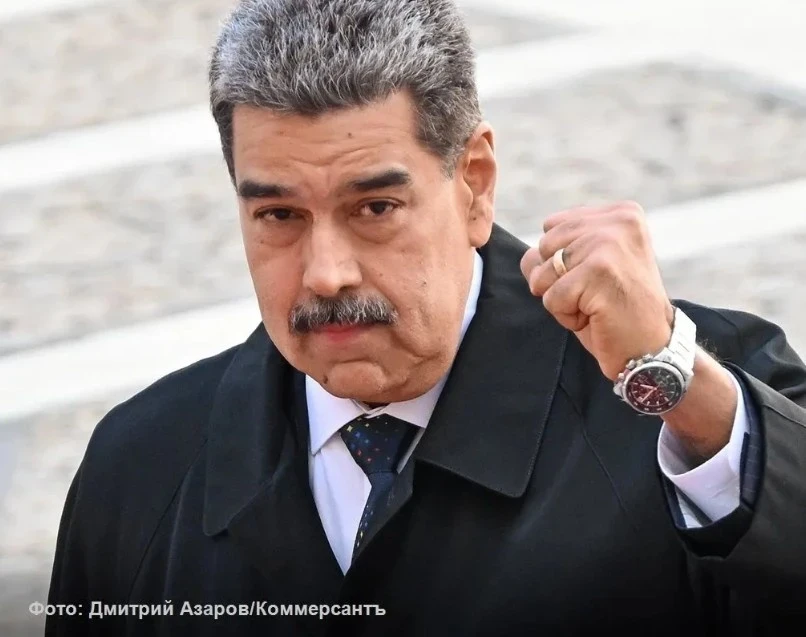
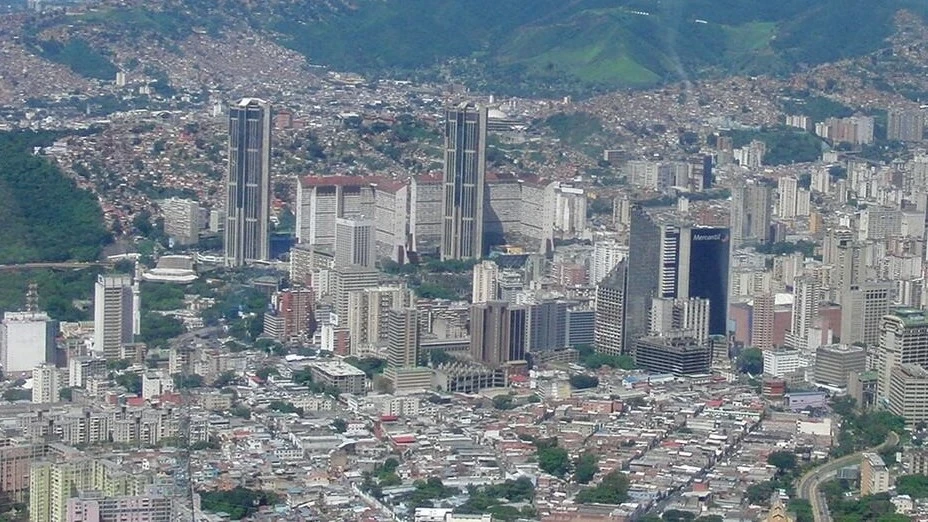
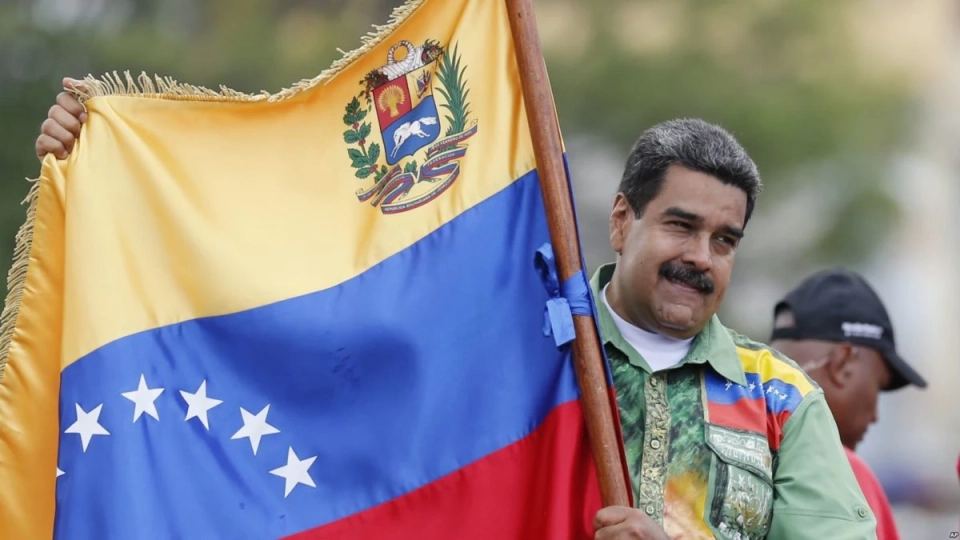
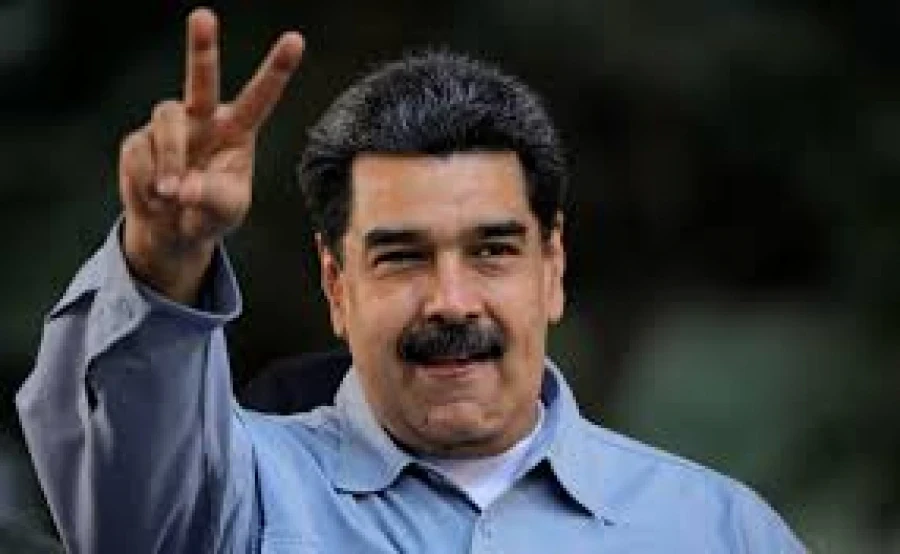
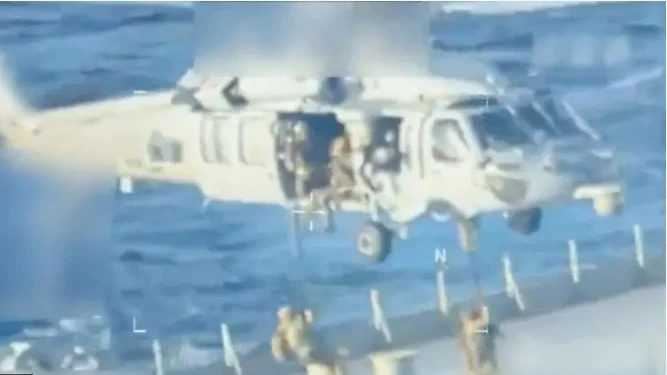
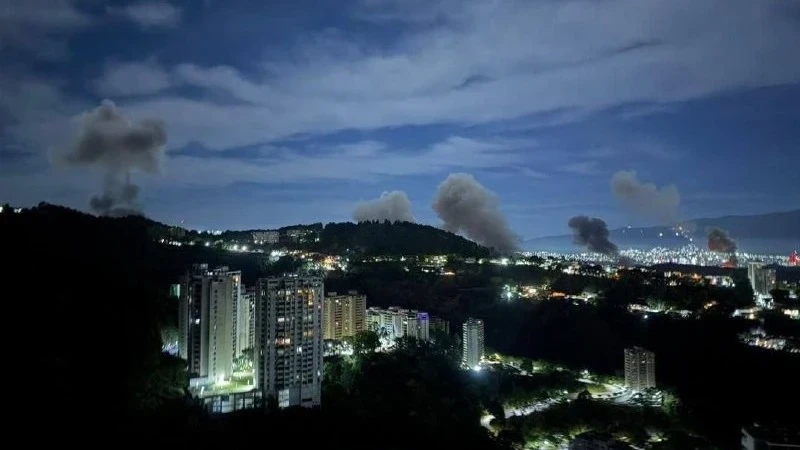
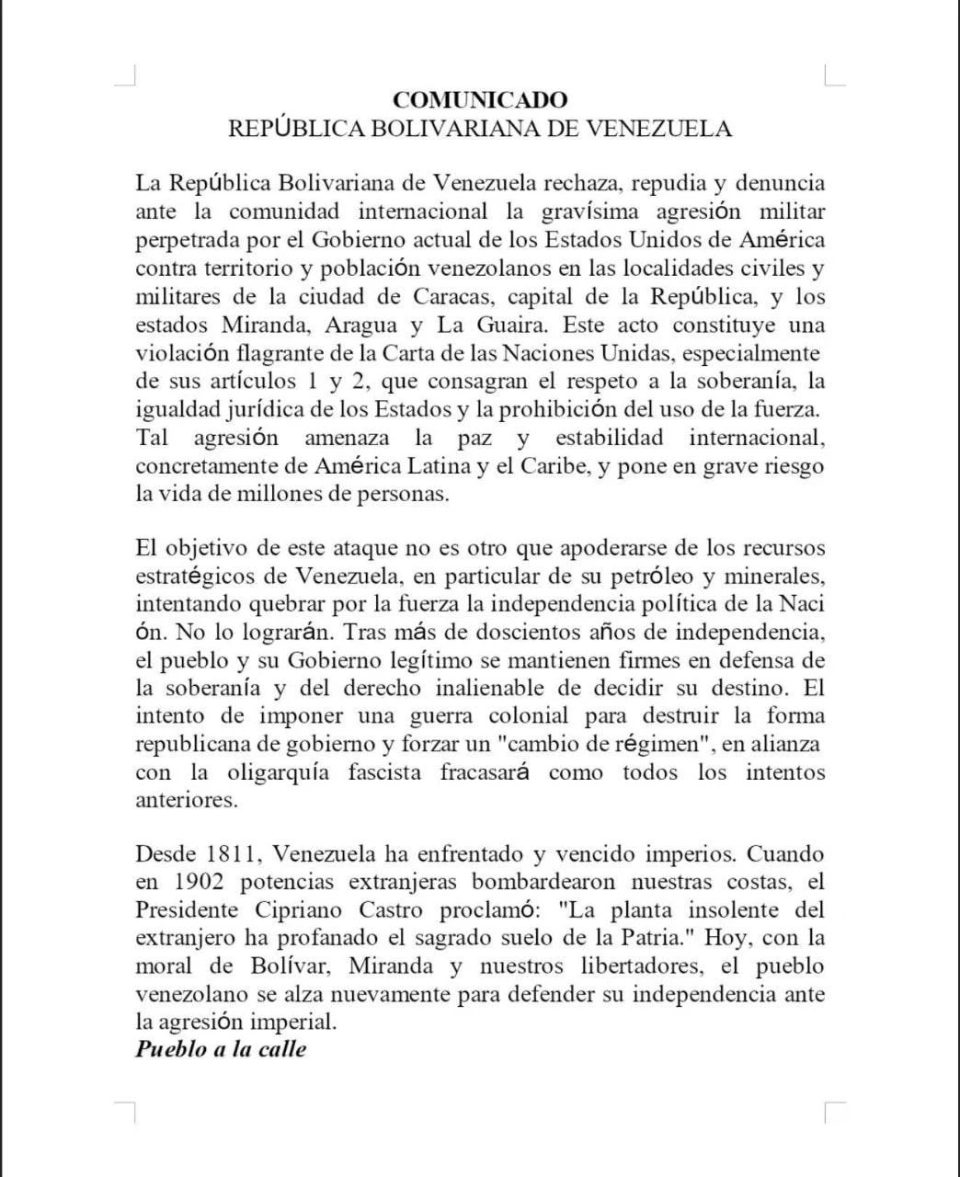
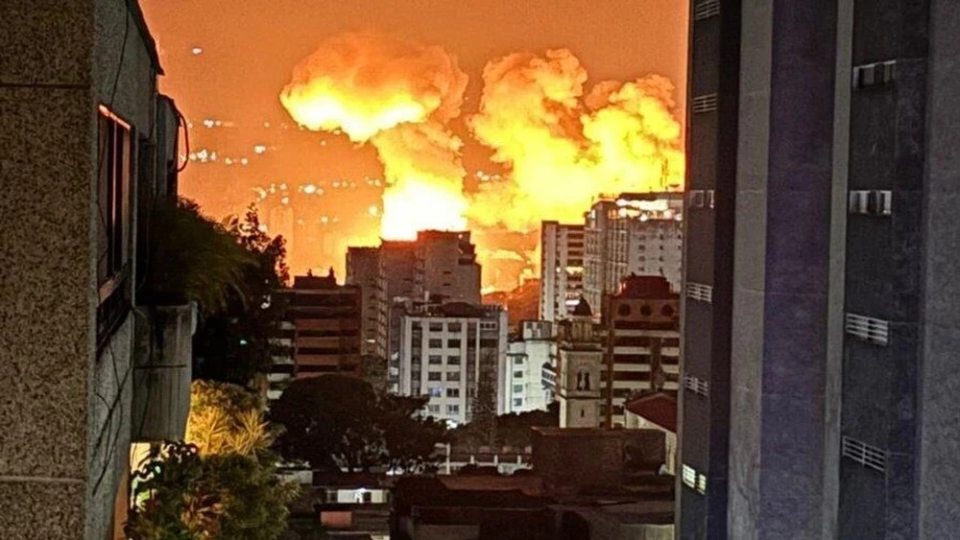
The operation to capture Maduro became one of the boldest actions by the United States in recent years. This swift raid in the capital of Venezuela shocked not only Latin America but the international community as a whole. Soon after the events, concerns arose that this could signal to China a possibility of aggression towards Taiwan. Some even questioned whether this move was the result of a secret agreement between Trump, Moscow, and Beijing, where the USA gains freedom of action in the Western Hemisphere in exchange for ignoring Russia's actions in Ukraine and China's actions regarding Taiwan.
These theories are actively discussed in expert circles and social media; however, upon detailed analysis, they prove to be unfounded.
Why China will not take steps based on the "Venezuelan precedent"
The situation in Venezuela is unlikely to influence China's plans regarding Taiwan. Beijing does not intend to resort to military actions against the island for practical reasons. Xi Jinping adheres to a long-term strategy, hoping for a change in the political situation in Taiwan in his favor after the 2028 elections.
The Chinese leadership believes that international trends generally favor its goals regarding "national reunification." Reacting to US actions in Venezuela seems unlikely, as these are completely different situations requiring different approaches.
Moreover, China lacks experience in conducting such operations. The American operation in Caracas was the result of prolonged intelligence work and was carried out by highly skilled troops with experience in complex conditions. The People's Liberation Army of China does not possess such experience.
The circumstances also differ: Beijing views Taiwan as an internal matter that does not require an international pretext.
The "territorial exchange" hypothesis lacks foundation
The idea that Trump "sold" Ukraine to Russia in exchange for Venezuela collapses upon the first examination.
First: there was no level of control in Venezuela from Russia that would require Moscow's consent for intervention. Maduro was more of a burden for the Kremlin than an asset that could be exchanged.
Second: Trump's administration's peace plan for Ukraine includes legislative security guarantees and significant support for the country's recovery after the conflict. This is clearly outlined in the new US national security strategy. Ukraine is to become a viable state, not to be ignored.
Third: Ukraine today has one of the most capable armies and professional intelligence services. This is not a country that can simply be exchanged.
The idea that the USA and Russia could divide the world as they did at Yalta in 1945 also lacks foundation. Who exactly would they divide it with? With Russia, which has not been able to take even the Donetsk region in five years of conflict (2014-2015, 2022-2026)?
Although the international system established after World War II is currently experiencing a crisis, the current situation is not comparable to that which required the Yalta agreements. The Russian Federation does not possess the power to impose conditions.
What Trump's strategy actually means
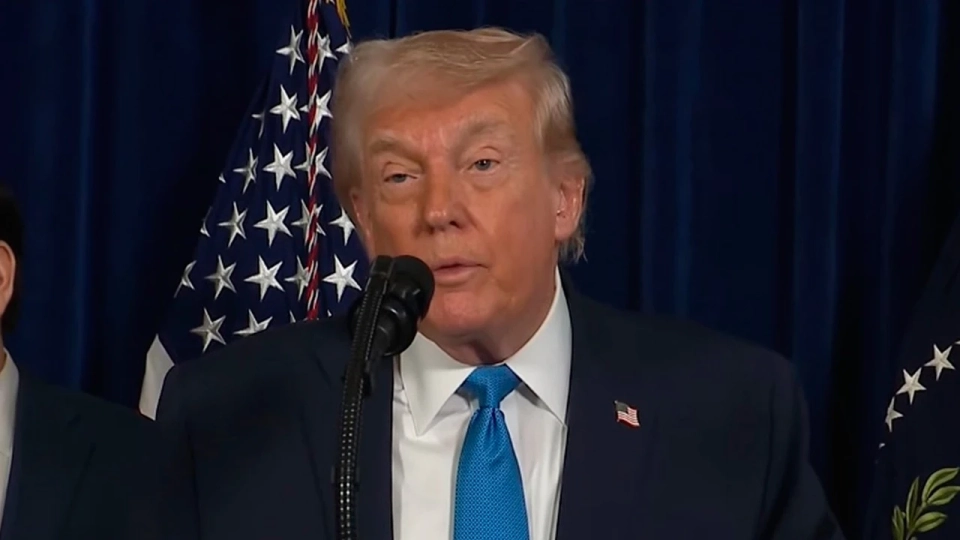
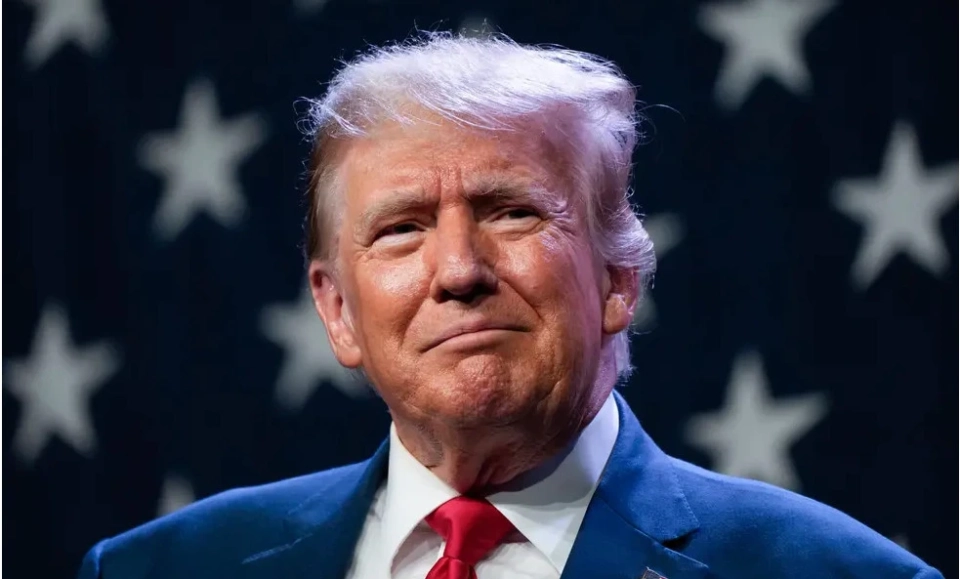
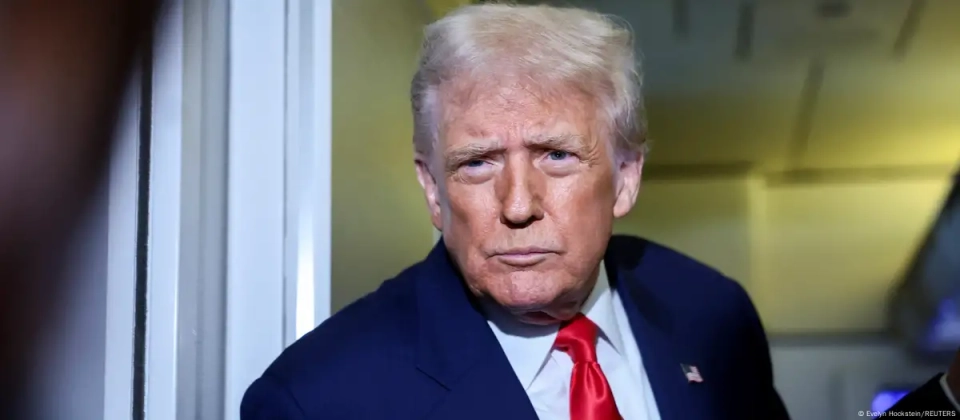
Previously, there was the "Monroe Doctrine," which asserted US hegemony in Latin America. Now experts ironically refer to the "Donro Doctrine" — named after the current president, which has become even more aggressive.
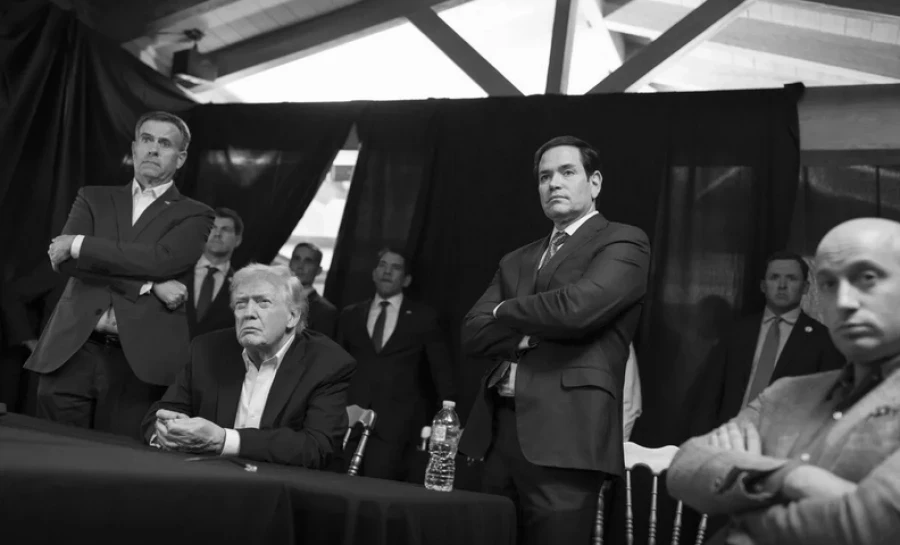
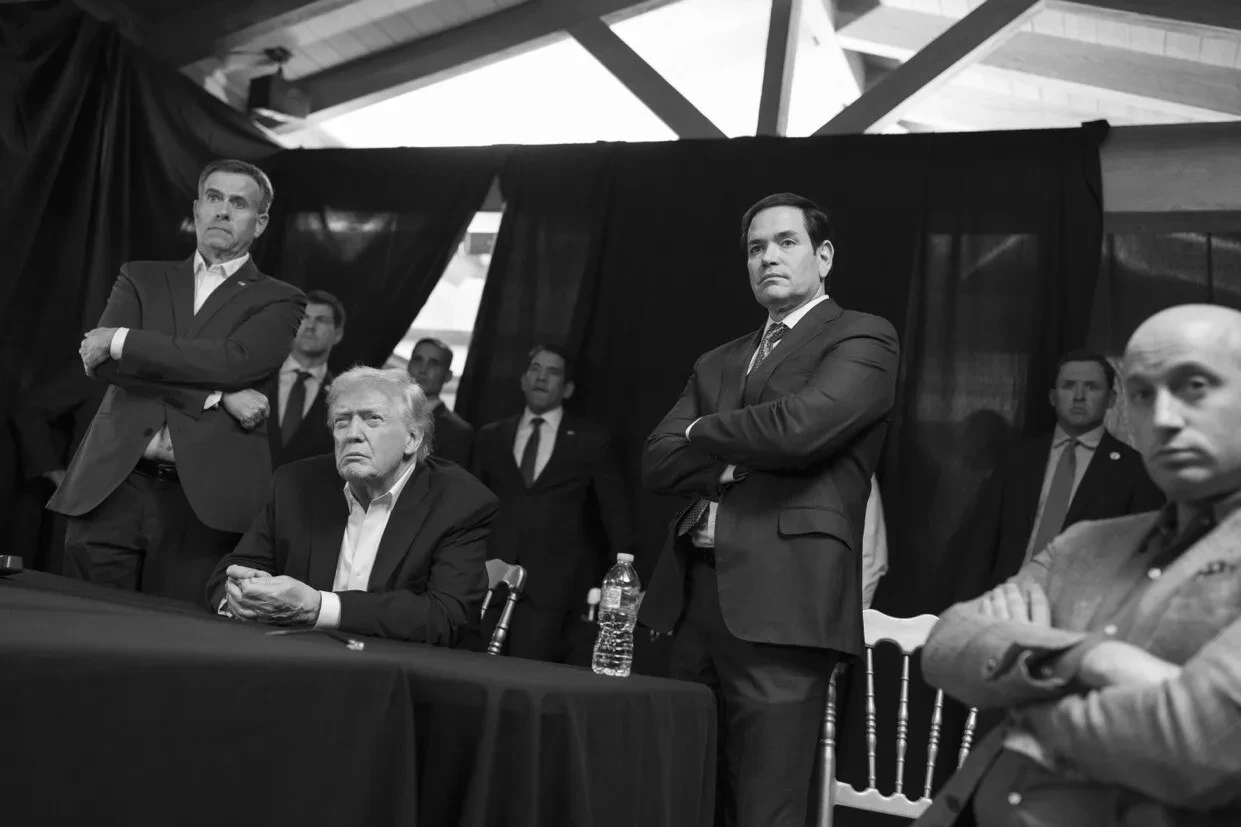
Trump has already warned Cuba and Colombia that they could be the next targets. A phrase has been heard in the White House — FAFO, which in diplomatic translation implies "those who do not comply will get what they deserve."
Trump's national security strategy emphasizes the importance of the Western Hemisphere as a priority region. However, this does not mean that the USA will allow Russia to dominate in Europe or China in the Indo-Pacific region.
According to the strategy, despite criticism from European governments, the USA will not allow hostile forces to emerge in Europe. "We cannot ignore Europe — that would be a suicidal step towards achieving our goals," the document states.
What is actually happening
The operation in Venezuela is not part of a global agreement but reflects a new approach by the Trump administration to international politics based on spheres of influence and political realism. Washington is restoring its dominance in the region, but this does not imply a renunciation of its global role.
The adventures in Venezuela were driven more by internal political reasons than foreign policy ones. An important electoral base of Republicans in South Florida has long demanded active actions against Maduro. A tough stance on Venezuela allows Trump to appear decisive on issues of immigration, security, and drug trafficking — key topics for his supporters.
Although Beijing and Moscow may use the situation in Venezuela for their propaganda, portraying the USA as a violator of international law, this is unlikely to change their strategic plans regarding Ukraine or Taiwan. Each of these conflicts has its unique logic and dynamics, independent of events in distant Latin America.