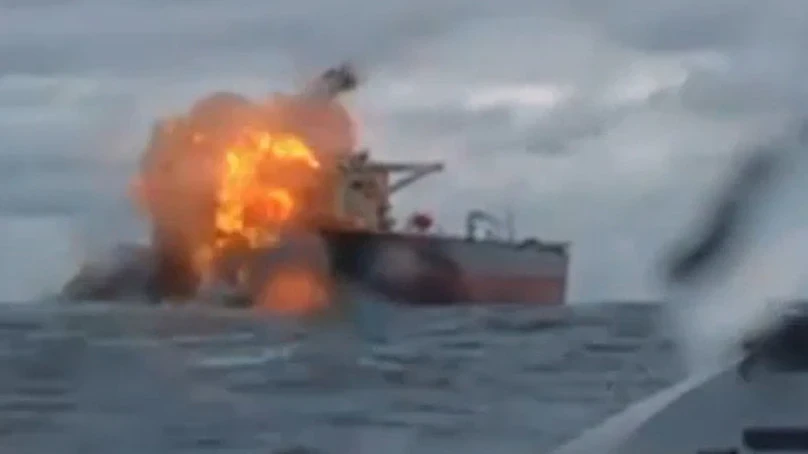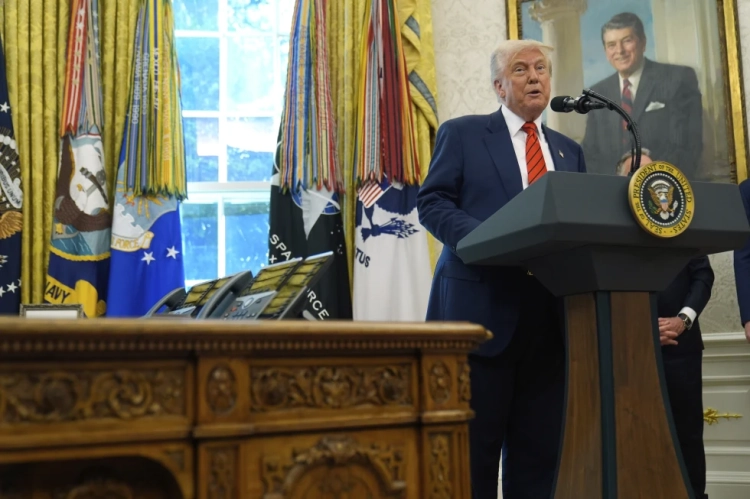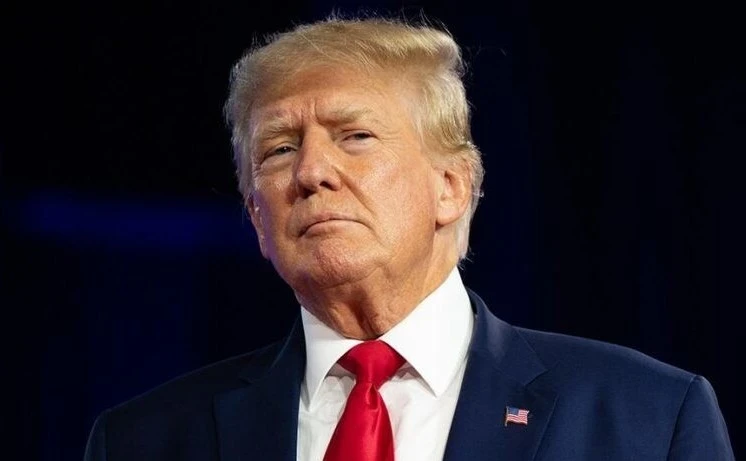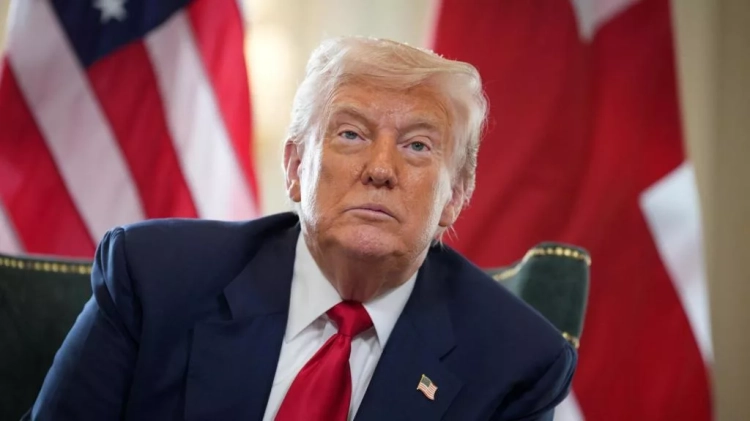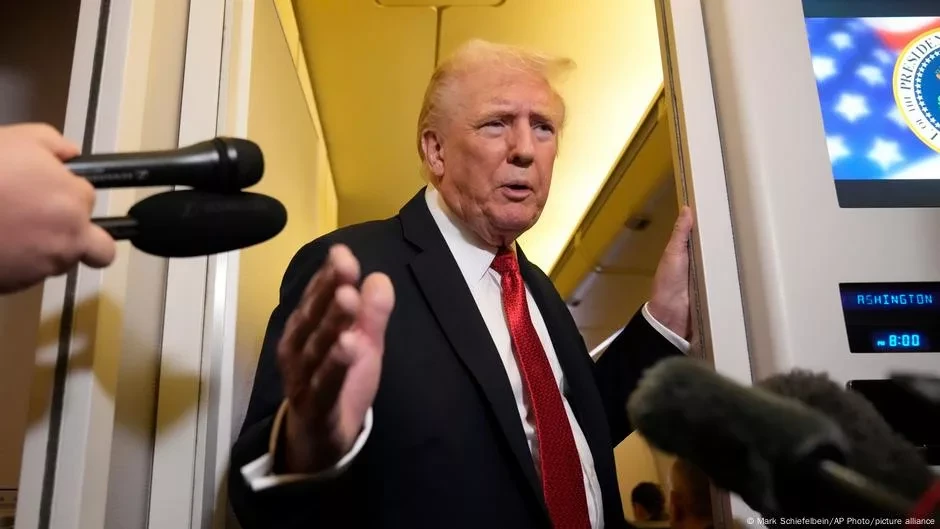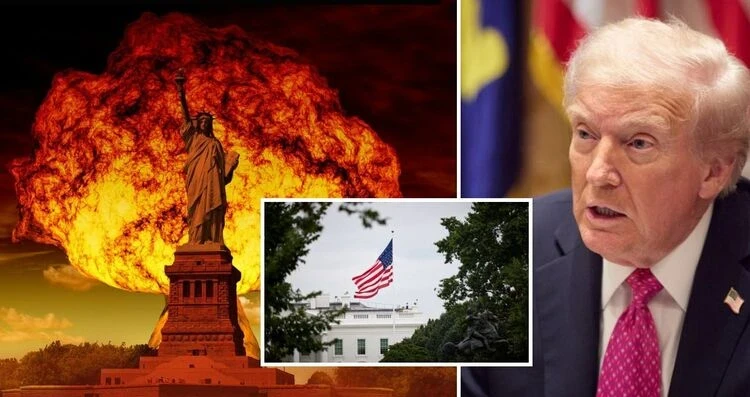
Trump also added that this day has been "interesting in terms of news." "We just seized a tanker off the Venezuelan coast, it's the largest tanker ever seized," he told reporters at the White House.
The President emphasized that the seizure was carried out for a "valid reason," but did not specify the details. He also promised that photos of the operation would be published soon.
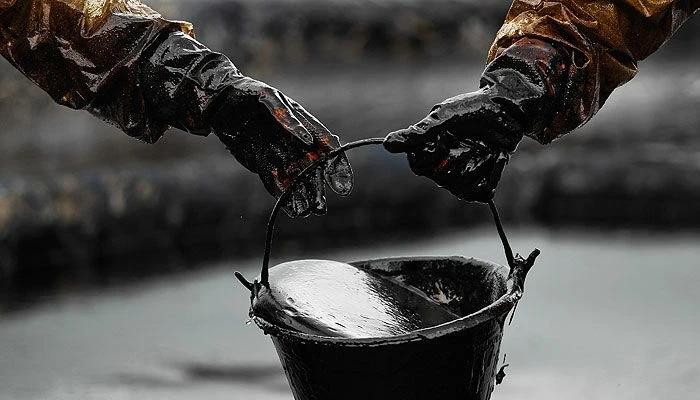
U.S. Attorney General Pam Bondi shortly after Trump's statement shared additional information on social media, clarifying that the tanker has been under sanctions for many years for "involvement in an illegal oil transportation network supporting foreign terrorist organizations."
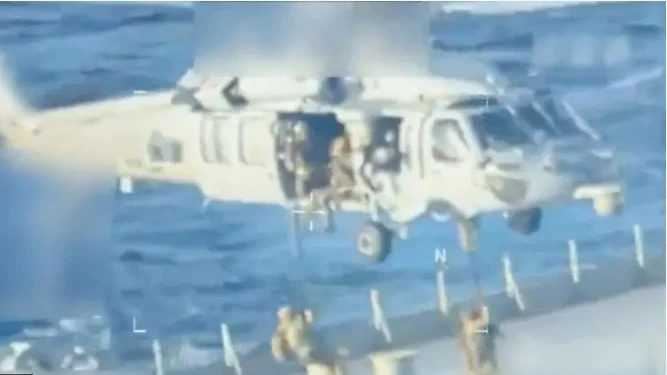
According to her, the FBI, the Department of Homeland Security, and the U.S. Coast Guard, with the support of the Department of Defense, executed a warrant to arrest the tanker, which was used to transport sanctioned oil from Venezuela and Iran.
Bondi added that the seizure operation was carried out "successfully and safely," and the investigation into the "sanctioned oil transportation" case will continue. To support her claims, she also published a short video with moments from the operation.
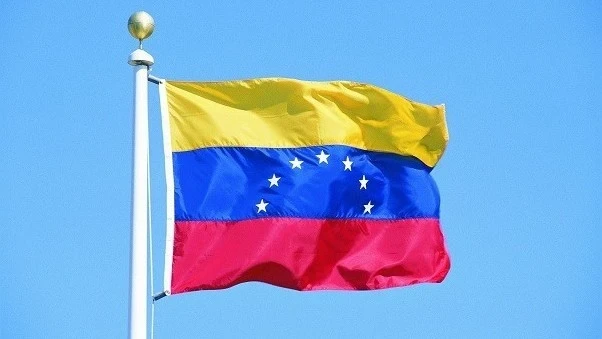
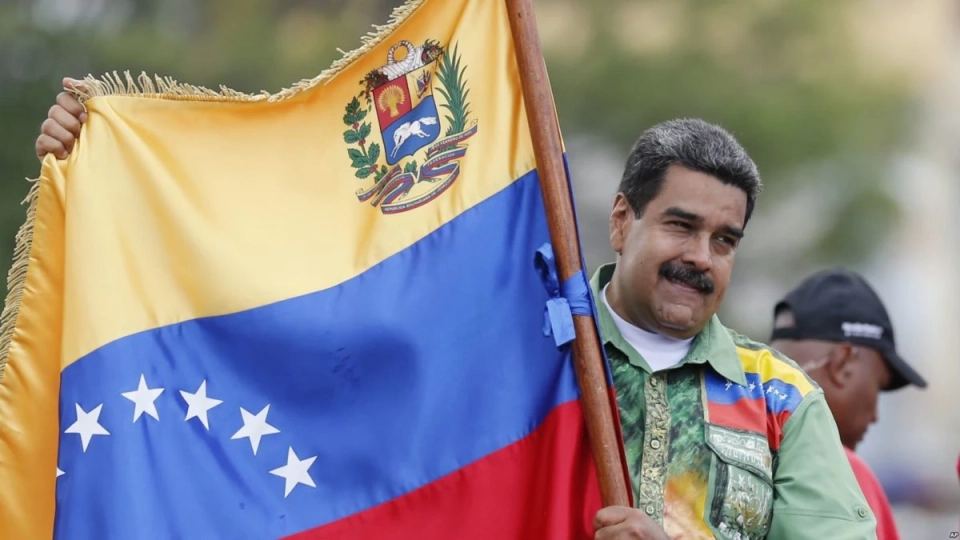
In response to the U.S. actions, the Venezuelan government issued a statement condemning Trump and claiming that his goal is to seize Venezuelan oil without compensation.
The document from Caracas also emphasizes that the true reasons for U.S. aggression against Venezuela are "finally revealed": "It is not about migration, drug trafficking, democracy, or human rights. The issue has always been about our natural resources, our oil, our energy — resources that belong exclusively to the Venezuelan people."
In recent weeks, the U.S. has increased its military presence off the coast of Venezuela, stating that it is necessary to combat drug trafficking. However, Caracas believes that Washington's true goal is regime change to control Venezuelan natural resources, primarily oil.
Despite the sanctions imposed against Venezuelan oil, there are exceptions for some companies, such as Chevron. Chevron continues drilling in various regions of Venezuela, collaborating with the state oil company Petroleos de Venezuela (PDVSA), according to BBC correspondents.
At the end of November, it was also reported about a phone conversation between Trump and Venezuelan President Nicolas Maduro, which we reported earlier.
Since September, the U.S. has struck more than 20 vessels in the Caribbean suspected of drug trafficking, resulting in at least 87 deaths.
On Monday, Trump told Politico that "Maduro's days are numbered" and did not rule out the possibility of a U.S. ground invasion of Venezuela.