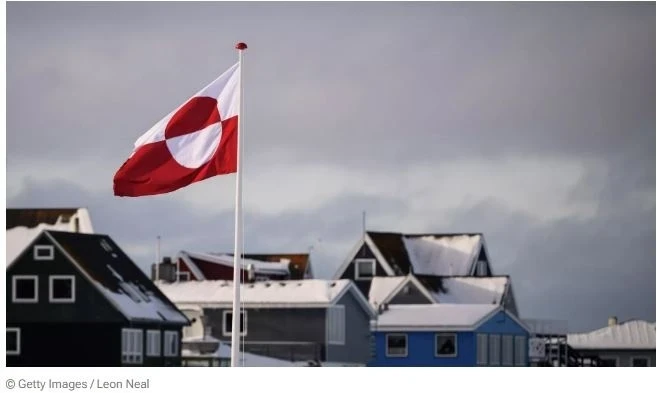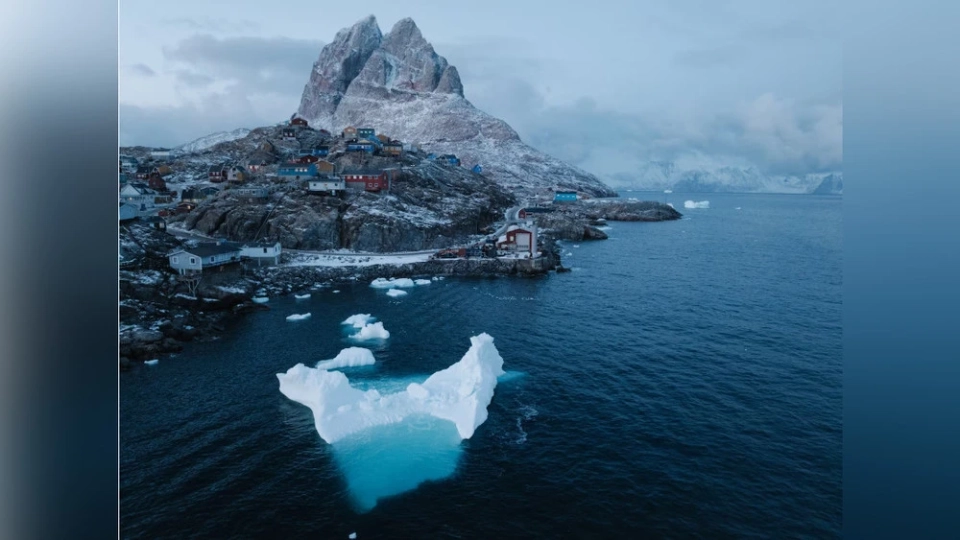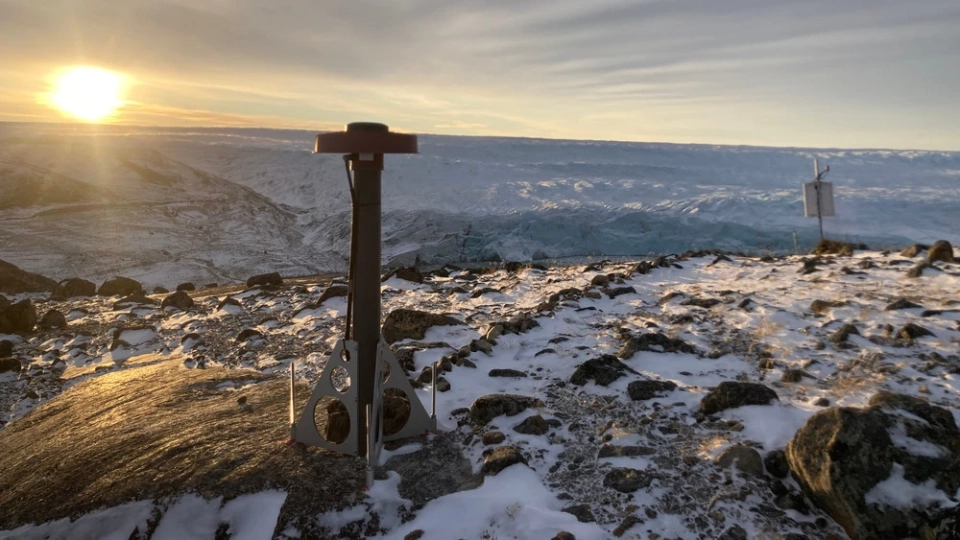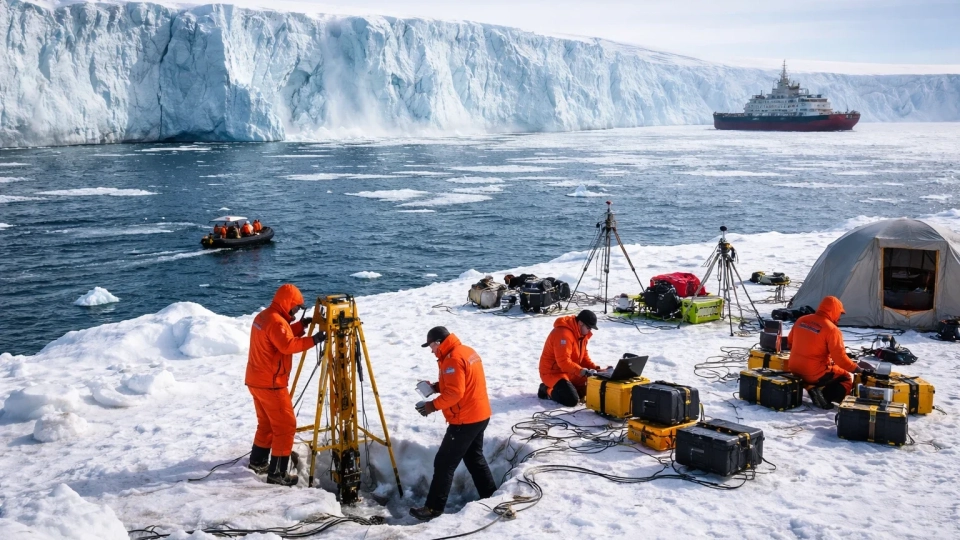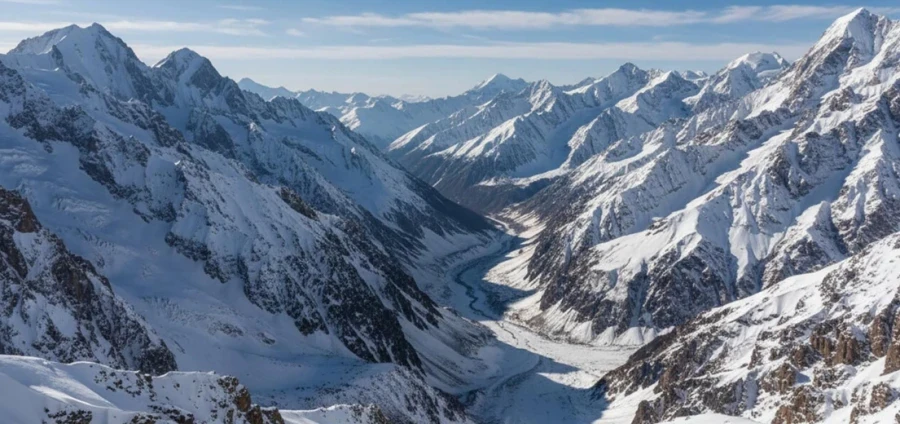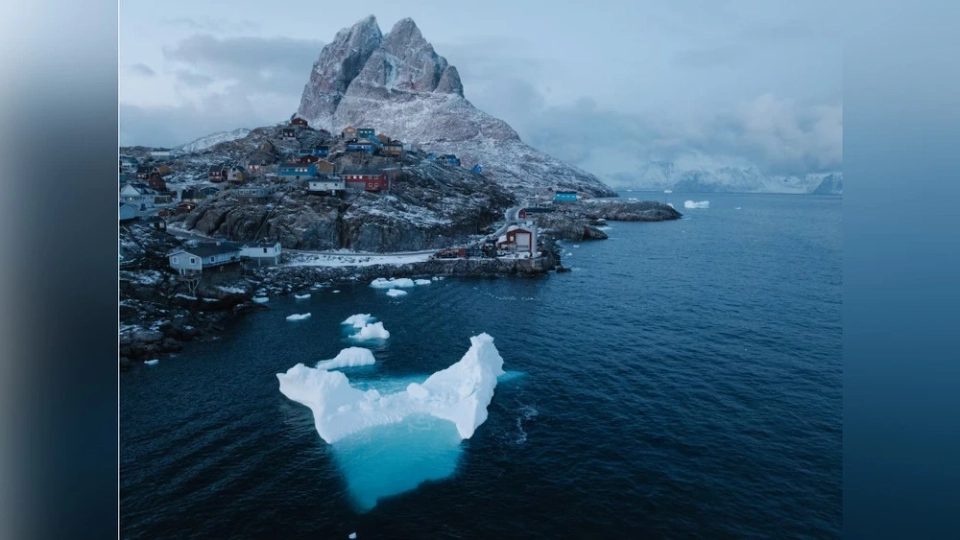
The climate change processes in Greenland affect not only the island itself, writes The New York Times.
The fate of this largest island on the planet is critical for billions of people as Greenland rapidly loses its glaciers.
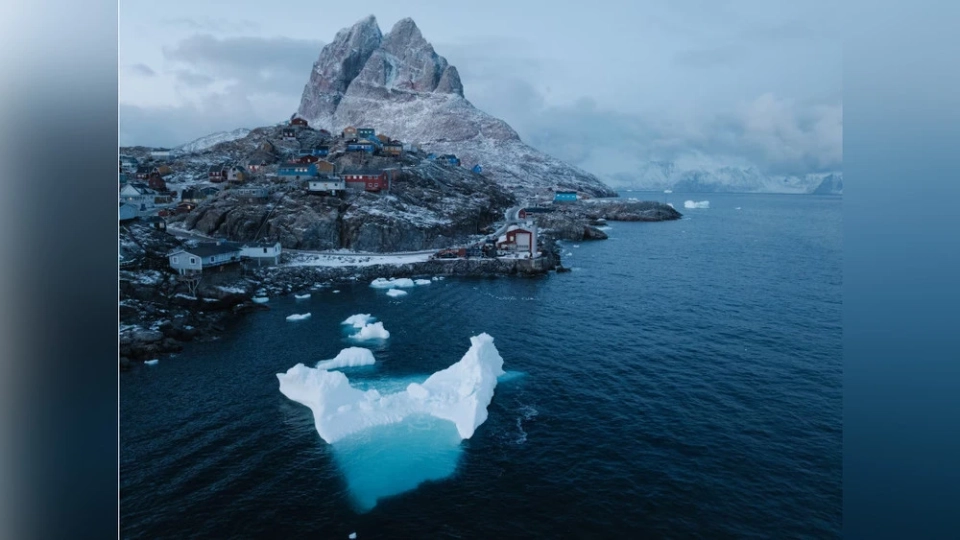
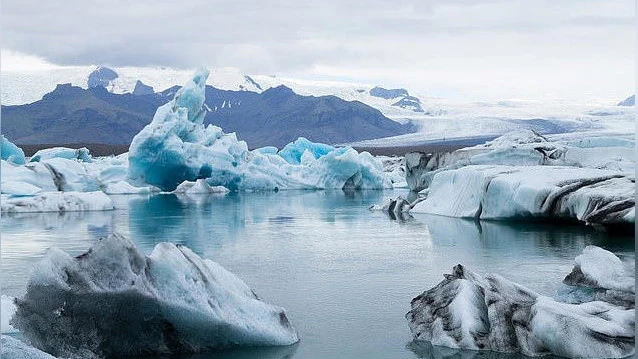
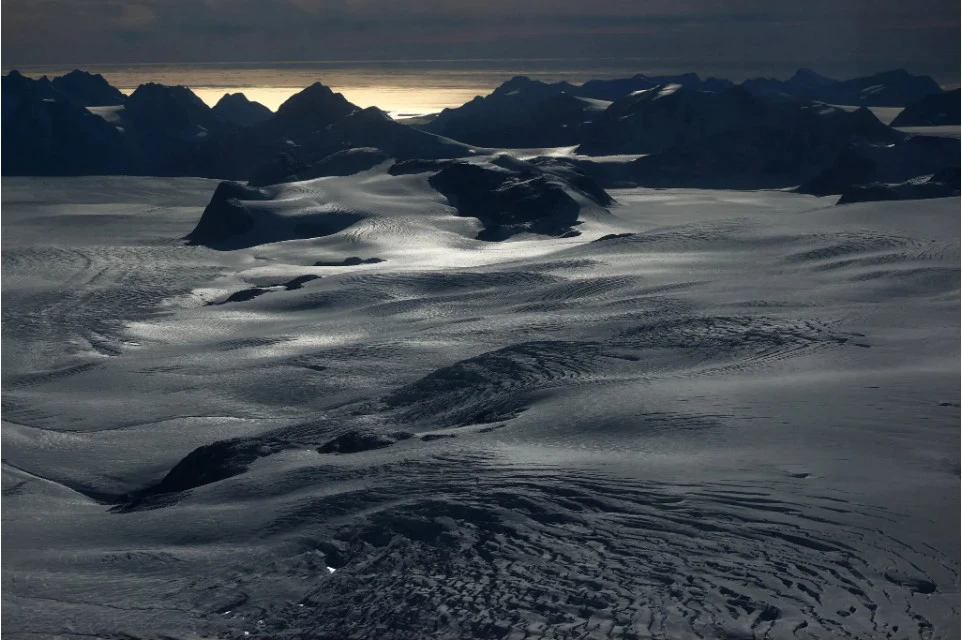
The ice sheet, covering about 2 million square kilometers (approximately 840,000 square miles), is melting at an alarming rate. This is due to accelerated warming in polar regions, leading to global climate changes.
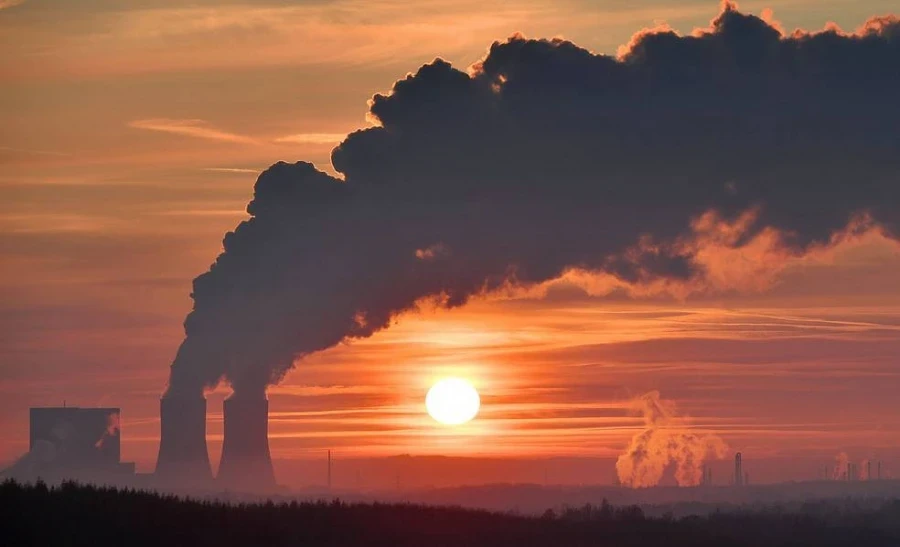
The cause of this is the burning of coal, gas, and oil, whose emissions have contributed to the rise in temperature on the planet, especially in the Arctic, where warming occurs twice as fast as in other areas.
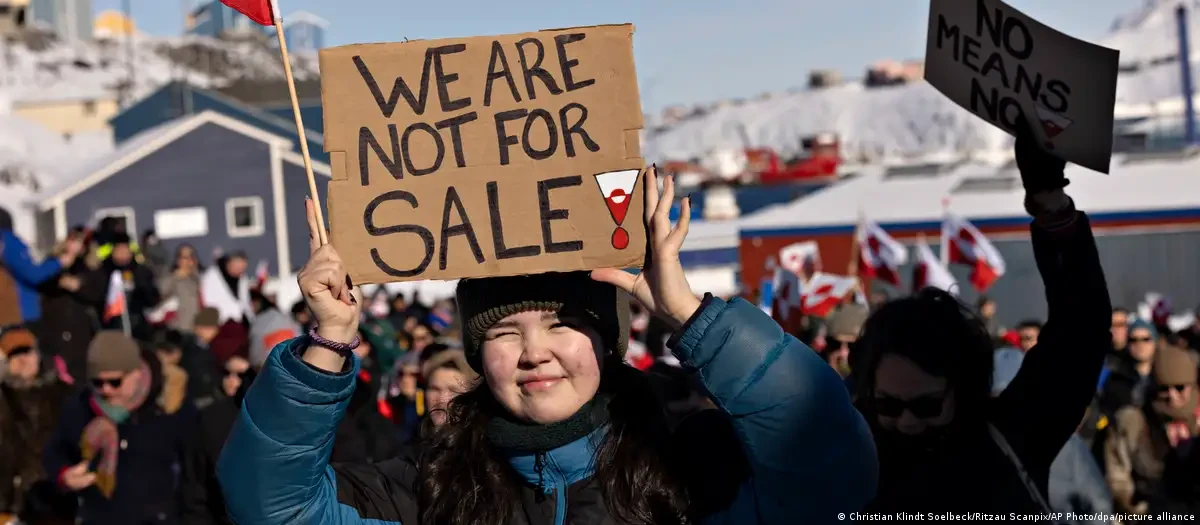
With warming, new trade routes are opening up, as well as access to minerals necessary for clean energy technologies. Thus, climate change is making the Arctic more accessible and strategically important for world powers, which has attracted the attention of President Trump.
“His interest in Greenland highlights the reality of climate change,” noted John Conger, a former Pentagon official during the Obama administration and now an advisor at the Center for Climate and Security.
Representatives of the Trump administration, who previously spoke about the possibility of seizing territory, are set to meet on Wednesday with delegations from Greenland and Denmark. It is important to consider several key aspects regarding the global climate.
Melting Ice and Its Consequences
According to a study conducted by scientists at the Danish Meteorological Institute and published in Carbon Brief, Greenland lost 105 billion metric tons of ice over the 12 months ending August 31, 2025.
This is not an isolated case: the Greenland ice sheet has been thinning for 29 years.
According to data published in the journal Nature, from 1985 to 2022, the area of the ice sheet decreased by nearly 2,000 square miles.
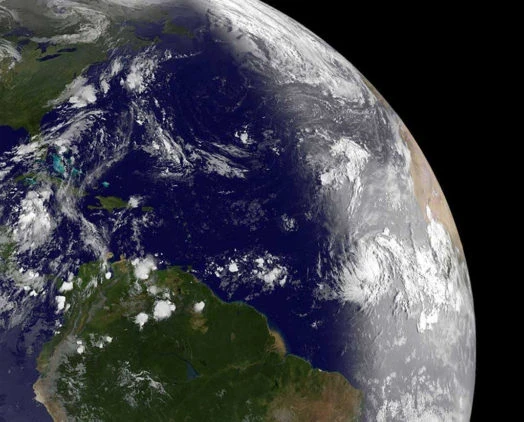
The melting of ice leads to an increase in freshwater in the oceans, which, in turn, causes sea levels to rise, threatening coastal regions around the world. Since 1993, global sea levels have risen by about four inches.
If all the ice in Greenland were to melt—which is unlikely to happen this century—it could lead to a sea level rise of 7.4 meters. This exacerbates flooding during storms and tides.
“Greenland is on a path to irreversible melting,” claims glaciologist Sarah Das from the Woods Hole Oceanographic Institution.
The loss of sea ice also affects the climate. With a decrease in the surface area reflecting sunlight, the ocean absorbs more heat, leading to additional warming.
Recent studies show that the melting of the Greenland ice sheet slows down ocean circulation, which can affect weather conditions even in the Southern Hemisphere.
Mineral Resources of Greenland
Greenland, a semi-autonomous territory of Denmark, has significant mineral reserves, including graphite, zinc, and rare earth elements. These resources play an important role for European Union countries seeking to develop renewable energy technologies. Most of the critically important raw materials identified by the 27 countries in the bloc are located in Greenland.
Graphite, for example, is essential for battery production, while China controls a large portion of the global market for this resource.
Some of Trump’s allies have already invested in mineral extraction in Greenland and its surroundings.
However, extracting these resources faces challenges due to the large volume of ice. Additionally, the Greenland government has banned uranium mining due to potential environmental harm.
We must not forget about oil.
For half a century, oil companies have tried to establish oil extraction in the environmentally vulnerable Arctic waters off the coast of Greenland.
In 2021, the government decided to stop issuing licenses for oil exploration, citing “climate and environmental considerations, as well as sound economic sense.”
New Maritime Routes
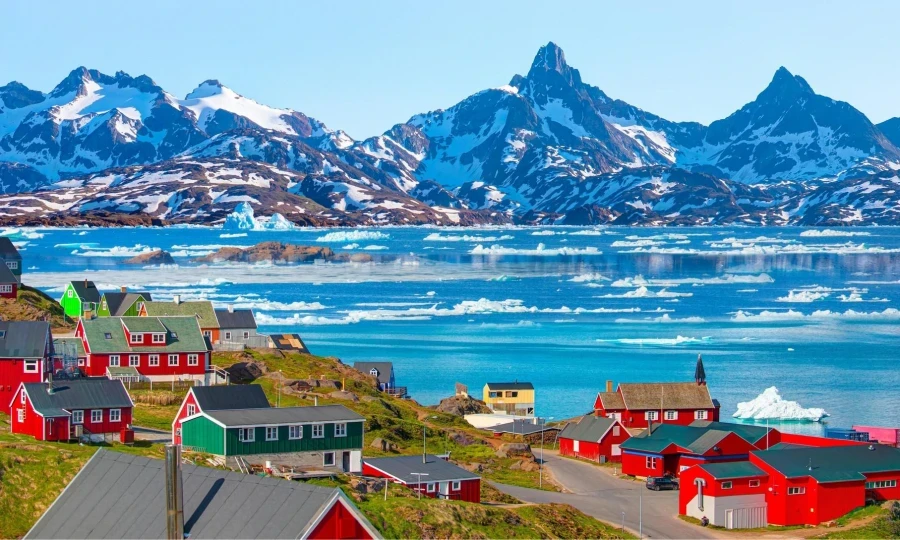
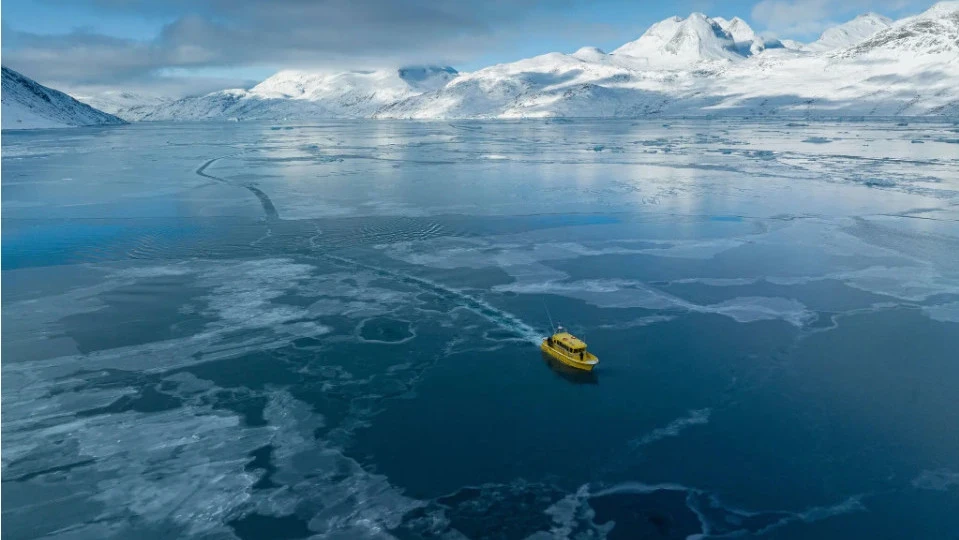
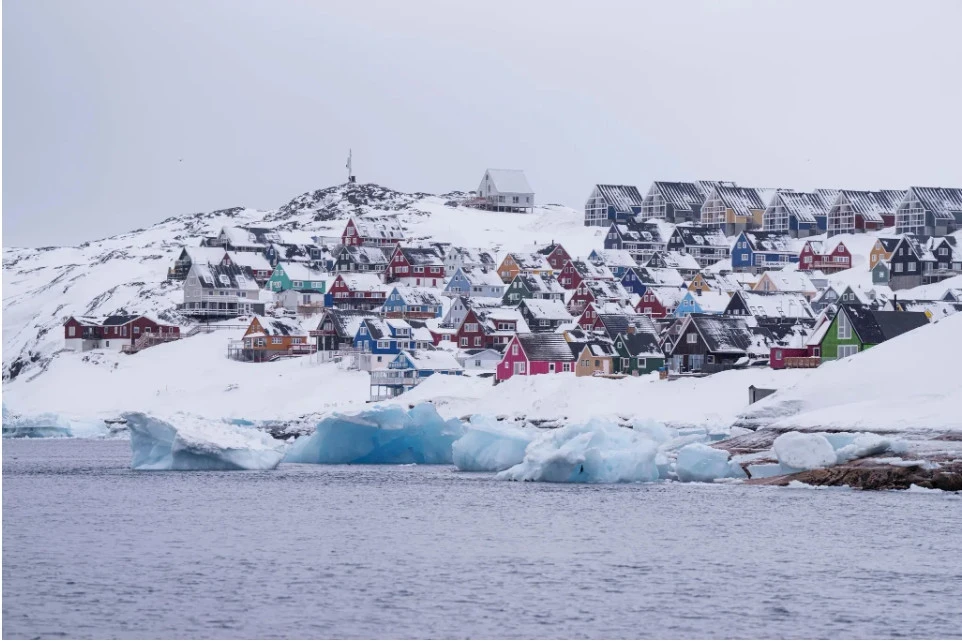
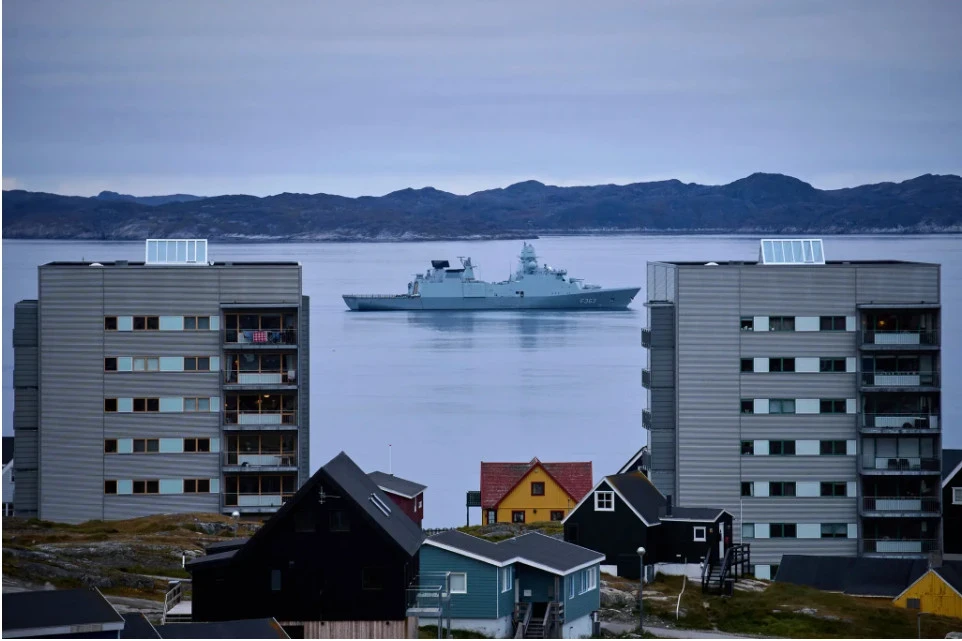
Warming in the Arctic is already creating difficulties for the residents of Greenland. Harbors are becoming shallow as the ice melts, and permafrost is damaging roads.
However, climate change is also opening new shipping routes along the Northern Sea. China is interested in using this route as it significantly reduces delivery times for goods to Europe. Beijing refers to it as the “Polar Silk Road,” which is a maritime corridor along the northern coast of Russia, accessible only for a few months a year.
Environmentalists warn of serious environmental risks associated with increased shipping volumes, including pollution from soot generated by using heavy fuel oil as ship fuel.
The prospect of a new and faster maritime route has spurred a race to build icebreakers. Currently, the largest fleet belongs to Russia, followed by NATO members such as Canada, Finland, and Sweden.
Conger, a former Pentagon official, noted that this makes strengthening ties between Washington and NATO more sensible than conflict over Greenland with an ally like Denmark.
“The United States gains additional power through NATO membership,” emphasized Conger. “They have allies with the necessary capabilities.”