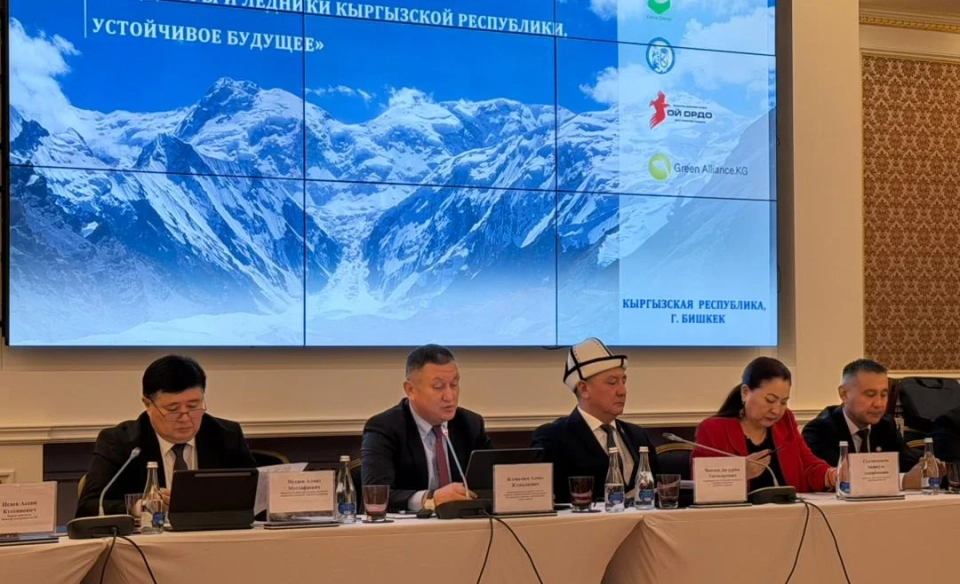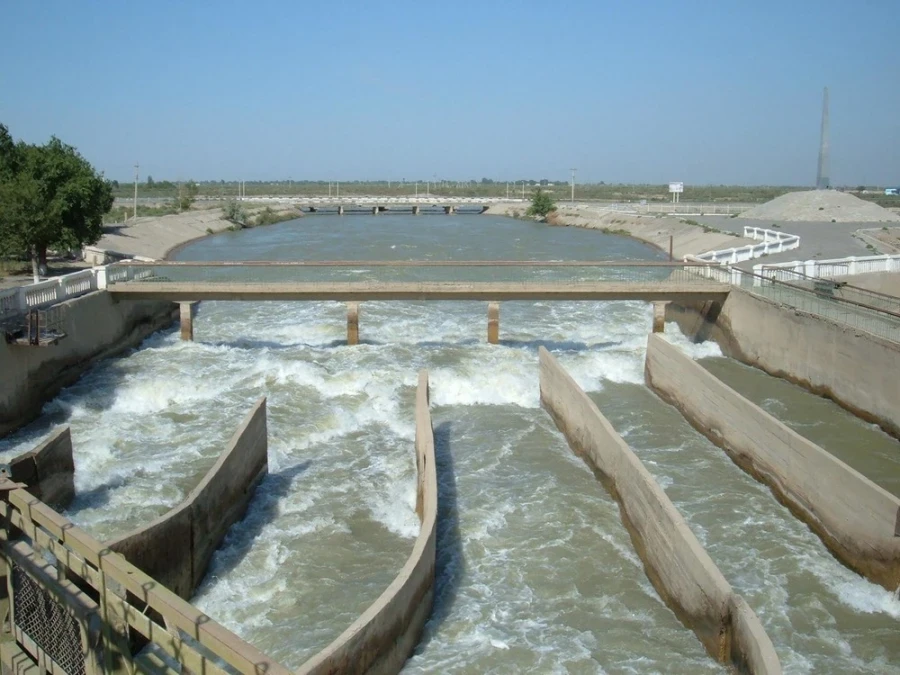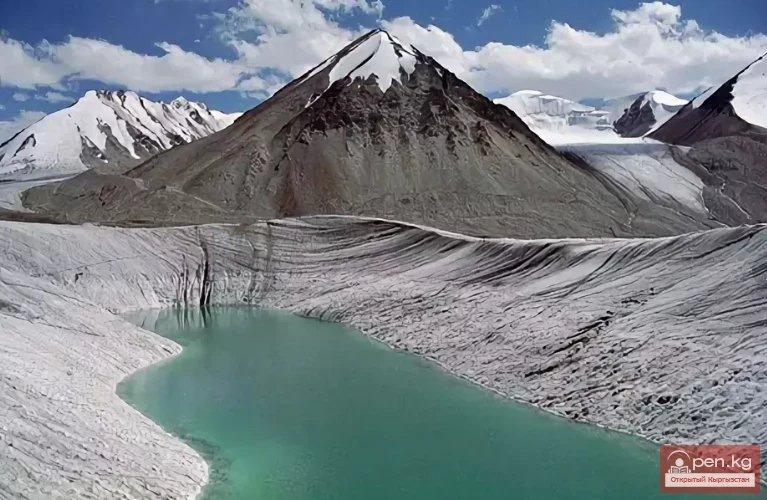
According to her, the results of the clarifying studies of river flow demonstrated an increase in the water flow of the rivers in the Chui and Talas basins. The main reasons for this phenomenon are the accelerated melting of glaciers and the activation of residual ice masses against the backdrop of rising average annual temperatures and an extended warm period.
Photo from the internet
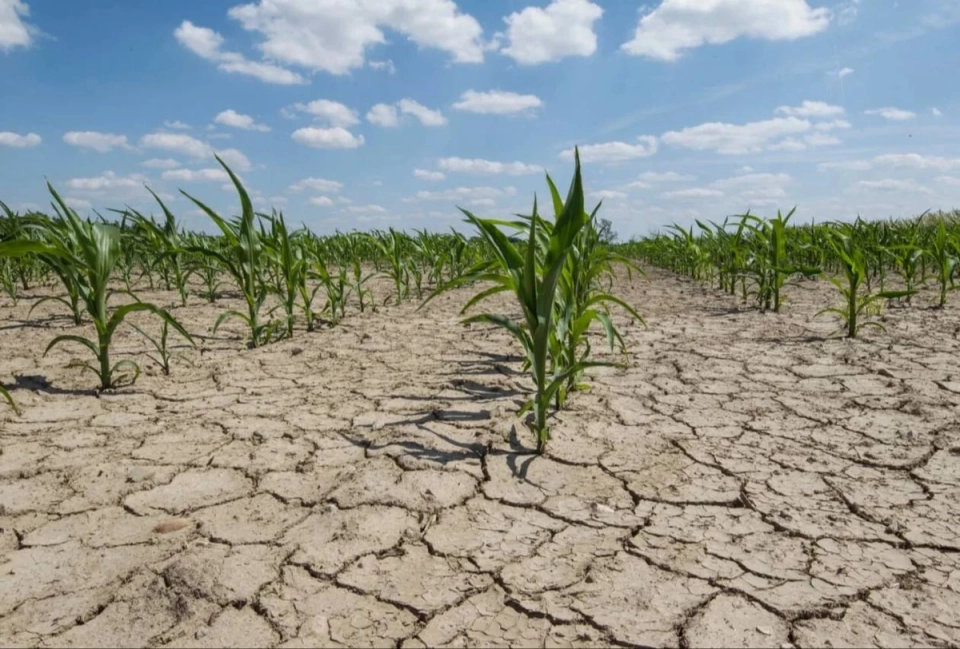
Strizhanzeva emphasized that currently, the melting of snow and glaciers is occurring more evenly, without the sharp peaks that were observed in previous years. In dry seasons, there is no critical drop in water levels. Additionally, there is an increase in the difference between annual flow indicators: for rivers fed by glaciers and snow, the number of high-water years is increasing, while for rivers with purely snow-fed sources, the opposite is true, with low-water years.
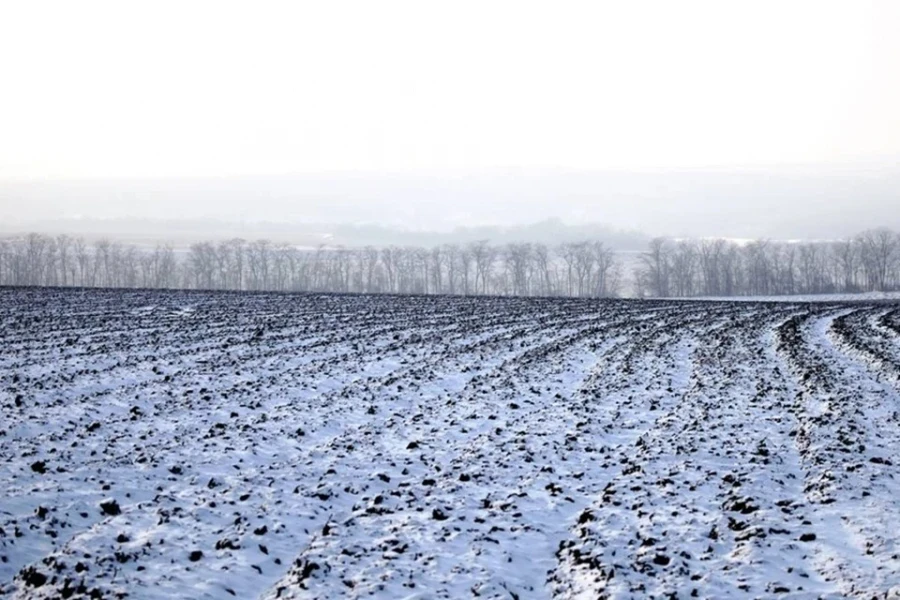
In the expert's opinion, the decrease in stable snow cover is associated with rising winter temperatures and increased evaporation, while a slight increase in precipitation cannot compensate for snow losses in the mountains. Precipitation during the winter-spring period remains an important factor in forming the hydrological regime.
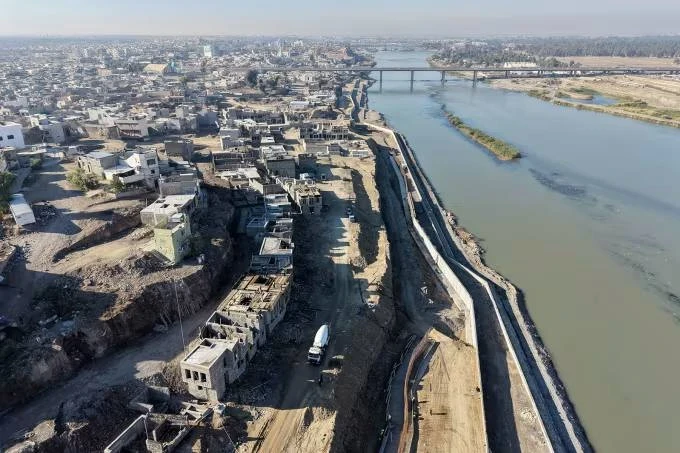
The specialist also warned that the increase in river flow could lead to higher risks of mudflows, floods, and bank erosion. In this regard, she emphasized the need for the creation of early warning systems and the construction of protective structures.
According to research, glaciers and snow cover account for almost one-third of all surface water resources in Kyrgyzstan. The UN notes that warming in the country is occurring twice as fast as the global average, leading to accelerated glacier melting. Strizhanzeva also added that in recent years, large glaciers have been actively breaking up, which increases their total number.