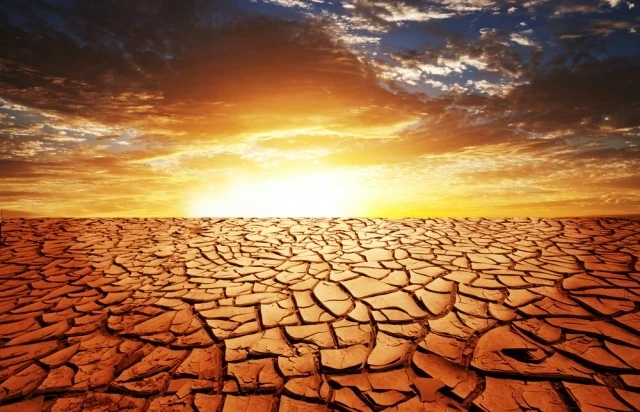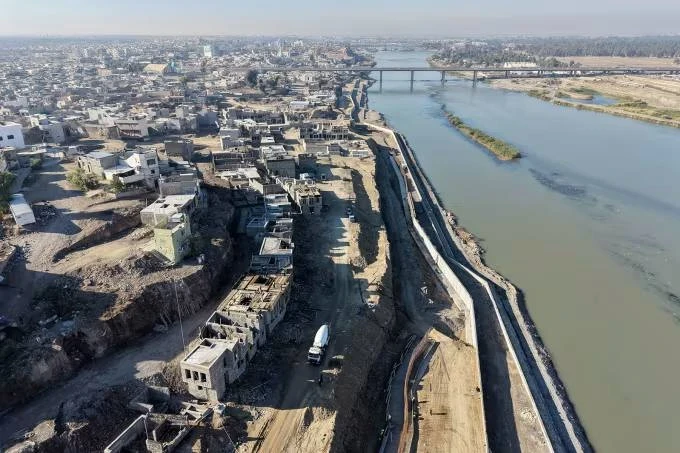
According to Iraqi authorities, about 60% of the country's water resources come from Turkey, but in recent years, the volume of this water has significantly decreased. The situation is complicated by outdated water supply systems, the consequences of wars, and ineffective management. It is important to note that over 80% of the water used in Iraq is required for agriculture.
In November, Baghdad and Ankara signed a water cooperation agreement worth billions of dollars. As part of this deal, Turkish companies will build reservoirs, dams, and other necessary infrastructure in Iraq to optimize the use of water resources. The financing of the projects will be carried out from the revenues of Iraqi oil exports: Iraq has agreed to sell a certain volume of oil, and the proceeds will be directed to a special fund.
The Iraqi government emphasizes that this agreement establishes, for the first time, a mechanism for guaranteed water supply that takes into account the needs of agriculture, industry, and drinking water supply, while maintaining full sovereignty over resource management.
Against the backdrop of this crisis, according to the UN, more than 168,000 people have been forced to leave their homes due to drought and environmental problems. Thousands of farmers have ceased agricultural activities due to a lack of water, and lands previously used for agricultural purposes are being developed for residential properties in several regions.